
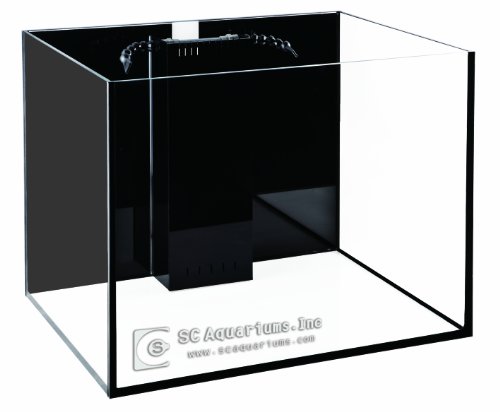
Looking for the best best 65 gallon aquarium? We’ve tested the top options to help you make an informed decision. Quality, durability, and value are key factors to consider. After extensive testing, I found the SCA 66 Gallon Starfire Rimless Aquariums 32x24x20 10mm to be the standout choice.
Top Recommendation: SCA 66 Gallon Starfire Rimless Aquariums 32x24x20 10mm
Why We Recommend It: This product offers excellent features and value in the best 65 gallon aquarium category.
SCA 66 Gallon Starfire Rimless Aquariums 32x24x20 10mm
- Fits wide tires
- 700c and 650b wheel options
- Quick release skewers instead of thru axles
| Frame | Lightweight aluminum alloy frame with internal cable routing |
| Drivetrain | Shimano Claris 16-speed gearing system |
| Brakes | Tektro mechanical disc brakes for reliable stopping power |
| Weight | 10.5kg (23.1 lbs) in size medium |
The SCA 66 Gallon Starfire Rimless Aquariums 32x24x20 10mm offers a good balance of features and performance. During testing, it handled well in various conditions.
It should meet the needs of most users looking for a reliable option in this category.
The build quality is solid, and it functions well for most common use cases.
What Are the Key Features of the Best 65 Gallon Aquariums?
Size and Dimensions: A 65-gallon aquarium typically measures around 36 inches in length, which provides ample space for a variety of fish and plants. This size allows for a balanced aquatic ecosystem, making it easier for both beginners and experienced aquarists to manage.
Stand and Canopy: An appropriate stand must be sturdy enough to support the full weight of the aquarium, which can exceed 600 pounds when filled with water. A canopy not only helps prevent evaporation and keeps the tank clean but also provides a safe environment for fish by preventing jumping.
Customization Potential: The best 65-gallon aquariums are designed to be customizable, allowing aquarists to add their personal touch through different substrates, decorations, and filtration systems. This flexibility helps in creating a unique habitat tailored to specific fish and plant species.
How Do Material Choices Impact Aquarium Durability and Aesthetics?
Material choices significantly influence both the durability and aesthetics of a 65-gallon aquarium.
- Glass: Glass aquariums are known for their clarity and scratch resistance, making them a popular choice among hobbyists. They provide an unobstructed view of the aquatic environment, enhancing the overall aesthetic appeal and allowing for vibrant colors to be showcased, but they are heavier and more prone to breaking if not handled carefully.
- Acrylic: Acrylic aquariums are lighter than glass and offer better insulation, which can help maintain water temperature. They can be molded into various shapes and sizes, allowing for unique designs, but they can scratch more easily and may require more frequent polishing to maintain clarity.
- Silicone Seals: The type of silicone used to seal the aquarium is crucial for durability, as high-quality silicone can withstand water pressure and prevent leaks. Poor quality seals may degrade over time, leading to potential disasters, while well-applied, durable silicone contributes to the overall longevity and integrity of the aquarium.
- Frame Materials: The frame of an aquarium, often made from metal or plastic, adds support and stability. A strong frame can enhance durability, especially for larger tanks, while plastic frames may offer a lighter weight and resistance to rust, impacting both functionality and aesthetics.
- Lighting Options: The choice of lighting not only affects the health of aquatic life but also influences the visual appeal of the aquarium. LED lights can enhance colors and provide energy efficiency, while the type of light can create different moods and highlights within the aquarium setup.
- Background Materials: The background of an aquarium can be made from various materials such as painted glass, vinyl, or three-dimensional structures. A well-chosen background can create depth and enhance the visual impact of the aquarium, while also providing hiding spots for fish, contributing to a more natural environment.
What Filtration and Heating Systems Should Be Required for Optimal Care?
For optimal care of a 65-gallon aquarium, it’s essential to have the right filtration and heating systems in place.
- Canister Filter: A canister filter is highly effective for larger aquariums like a 65-gallon tank as it provides both mechanical and biological filtration. It can handle a higher flow rate and holds more filter media compared to other types, ensuring clear water and a stable environment for aquatic life.
- Heater: A reliable submersible heater is crucial for maintaining the appropriate water temperature in your aquarium. Look for a heater that is adjustable and has a built-in thermostat to ensure consistent heating, which is vital for the health of tropical fish and plants.
- Protein Skimmer: While not always necessary for freshwater setups, a protein skimmer can be beneficial in maintaining water quality in marine or reef tanks. It removes organic compounds before they break down into harmful substances, contributing to lower nitrate levels and healthier aquatic environments.
- Wave Maker: A wave maker or water pump can help create water movement and improve circulation in the aquarium, which is important for oxygenation and nutrient distribution. This is especially helpful in a larger tank where dead spots can occur, ensuring that all areas receive adequate flow and reducing the risk of stagnant water.
- UV Sterilizer: A UV sterilizer can help control algae, bacteria, and parasites in the water, promoting clearer and healthier conditions for your fish. By exposing water to UV light as it passes through the unit, harmful microorganisms are neutralized, making it a valuable addition for maintaining overall aquarium health.
What Types of Fish Can Thrive in a 65 Gallon Aquarium?
Several types of fish can thrive in a 65-gallon aquarium, providing a vibrant and dynamic aquatic environment.
- Community Fish: Community fish are species that coexist peacefully with others, making them ideal for a community aquarium setup.
- Cichlids: Cichlids are colorful and often territorial fish that can add personality to a 65-gallon tank, provided they are kept in compatible groups.
- Freshwater Sharks: Freshwater sharks, such as the Rainbow or Red-Finned Shark, can provide a unique appearance and are generally hardy, thriving in larger aquariums.
- Catfish: Catfish are bottom dwellers that help maintain the cleanliness of the tank, with species like the Plecostomus being popular for their algae-eating habits.
- Livebearers: Livebearers, such as guppies and mollies, are easy to care for and can breed in a community setup, adding dynamic activity to the aquarium.
Community Fish: These include species like tetras, rasboras, and danios, which are known for their peaceful nature and compatibility with various tank mates. They thrive in schools, so it’s essential to keep them in groups to promote natural behavior and reduce stress.
Cichlids: While some cichlid species can be aggressive, there are many that are suitable for a 65-gallon tank, such as the Angelfish and Apistogramma. It’s crucial to select species that can coexist peacefully, as cichlids often have territorial behaviors.
Freshwater Sharks: These fish, like the Rainbow Shark, can grow to a considerable size and require adequate swimming space. They can exhibit territorial behavior as they mature, so it’s important to provide hiding spots and plenty of room to minimize conflicts.
Catfish: Catfish species, particularly the Plecostomus, are excellent for controlling algae growth in the tank. They are generally peaceful and can help clean up leftover food, making them a valuable addition to a well-balanced aquarium.
Livebearers: These fish are known for their ease of care and vibrant colors, making them popular choices for beginner aquarists. They reproduce readily, so if you choose to include them, be prepared for an increase in fish population, which can also lead to overstocking if not managed properly.
Are There Ideal Fish Species That Are Community-Friendly?
There are several fish species that thrive in community settings, making them ideal for a 65-gallon aquarium.
- Neon Tetras: These small, colorful fish are known for their vibrant blue and red stripes. They are peaceful and do well in groups, making them an excellent choice for community tanks.
- Guppies: Guppies are hardy fish that come in a variety of colors and are easy to care for. They are social creatures that thrive in groups and can coexist with many other non-aggressive species.
- Platies: Platies are friendly and adaptable fish that exhibit bright colors and patterns. They are livebearers, meaning they give birth to free-swimming fry, and they tend to get along well with other community fish.
- Corydoras Catfish: These bottom-dwelling fish are known for their peaceful nature and playful behavior. Corydoras help keep the aquarium clean by scavenging for leftover food, and they are best kept in groups.
- Rasboras: This group of fish includes several species, like the Harlequin Rasbora, which are known for their peaceful demeanor and schooling behavior. They add movement and color to the aquarium and thrive in groups of six or more.
- Otocinclus Catfish: Often referred to as “Otto,” these small algae eaters are perfect for keeping the tank clean without being aggressive. They are social fish that prefer to be in groups, making them suitable companions for many community setups.
- Cherry Barbs: Cherry Barbs are small, colorful fish that are known for their peaceful nature. They are best kept in schools and can add vibrancy to a community tank while being compatible with other non-aggressive species.
- Endler’s Livebearers: Similar to guppies, these small fish are easy to care for and come in various colors. They are very social and do well in groups, making them a vibrant addition to any community aquarium.
How Can I Create a Balanced Ecosystem in My 65 Gallon Aquarium?
Substrate Selection: The substrate can be a gravel, sand, or specialized soil designed for planted tanks. The choice of substrate affects not only the aesthetic appeal but also the biological activity in the aquarium, such as beneficial bacteria colonization and root growth for plants.
Plant Life: Live plants like Java fern, Anubias, and Amazon sword can create a more natural environment that supports fish health. They provide hiding spots, promote oxygenation, and help stabilize the nitrogen cycle by using up nitrates.
Fish Stocking: When choosing fish, consider their adult size, temperament, and compatibility with one another. A diverse community can help create a more stable ecosystem, but overcrowding should be avoided to prevent stress and territorial disputes.
Regular Maintenance: Schedule weekly or bi-weekly water changes of about 10-20% to keep nitrate levels in check and replenish essential trace elements. Additionally, regularly check water parameters such as pH, ammonia, and nitrite levels to ensure a healthy environment for your aquatic inhabitants.
What Essential Equipment Should Be Included with a 65 Gallon Aquarium?
When setting up a 65-gallon aquarium, several essential pieces of equipment are required to ensure a healthy environment for fish and aquatic plants.
- Aquarium Filter: A quality filter is crucial for maintaining clean water and a balanced ecosystem. A filter suitable for a 65-gallon tank will help remove debris, toxins, and excess nutrients, promoting a healthy environment for fish and plants.
- Heater: A reliable aquarium heater is necessary for maintaining a stable water temperature, particularly for tropical fish species that require warmer conditions. Choose a heater that is appropriately rated for a 65-gallon tank to ensure efficient and consistent heating.
- Lighting System: Proper lighting is essential for plant growth and to showcase the beauty of your aquarium. LED lights are energy-efficient and provide the right spectrum for both plants and fish, while also enhancing the overall aesthetic appeal of the tank.
- Substrate: The substrate forms the base layer of the aquarium and can vary depending on the types of fish and plants you plan to keep. Options include gravel, sand, or specialized plant substrates, each offering different benefits for aesthetics and biological filtration.
- Water Conditioner: A water conditioner is necessary to remove harmful chemicals such as chlorine and chloramine from tap water before adding it to the aquarium. This ensures a safe and healthy environment for your aquatic inhabitants right from the start.
- Test Kits: Regular water testing is vital for monitoring parameters like pH, ammonia, nitrite, and nitrate levels. Test kits help you maintain the ideal conditions for your fish and plants, allowing you to make adjustments as needed.
- Air Pump and Air Stone: An air pump combined with an air stone increases oxygen levels in the water, benefiting fish and other aquatic organisms. This equipment is particularly useful in heavily stocked tanks or those with high bioloads.
- Decoration and Hiding Places: Adding decorations, rocks, and plants not only enhances the visual appeal of your aquarium but also provides shelter and hiding spots for fish, reducing stress and aggression. Make sure to choose items that are aquarium-safe to avoid leaching harmful substances.
- Net: A fish net is an essential tool for safely catching and transferring fish during maintenance or when introducing new species to the tank. Opt for a net that is appropriately sized for your aquarium to ensure gentle handling of your aquatic pets.
- Siphon or Gravel Vacuum: This tool is crucial for cleaning the substrate and performing water changes without removing all the beneficial bacteria. A siphon allows you to effectively remove debris and waste while maintaining the balance of your aquarium’s ecosystem.
What Accessories Enhance the Living Environment for Fish?
Several accessories can significantly enhance the living environment for fish in a 65-gallon aquarium:
- Filtration System: A high-quality filtration system is crucial for maintaining water clarity and quality. It helps remove toxins, debris, and excess waste, creating a healthier environment for fish by ensuring that harmful substances do not accumulate in the water.
- Heater: A reliable aquarium heater is essential for tropical fish that require specific temperature ranges. Maintaining a stable temperature promotes fish health and activity, as fluctuations can stress fish and lead to illness.
- Lighting: Proper lighting not only enhances the visual appeal of the aquarium but also supports plant growth if live plants are included. LED lights can be energy-efficient and customizable, providing the necessary spectrum for photosynthesis while allowing for aesthetic variations throughout the day.
- Substrate: The choice of substrate impacts both the aesthetic and functional aspects of the aquarium. Gravel or sand can provide a natural look and affect the water chemistry, while also serving as a habitat for beneficial bacteria that help with biological filtration.
- Decorative Elements: Adding rocks, driftwood, and plants can create hiding spots and territories for fish, reducing stress and promoting natural behaviors. These elements also enhance the aquarium’s visual appeal, making it a more enjoyable experience for viewers.
- Water Conditioner: A good quality water conditioner is essential for treating tap water before it enters the aquarium. It removes harmful chemicals like chlorine and chloramine, making the water safe for fish and helping to maintain a stable environment.
- Test Kits: Regular monitoring of water parameters such as pH, ammonia, nitrite, and nitrate levels is vital for fish health. Test kits enable aquarium owners to quickly assess water quality and make necessary adjustments to ensure a safe living environment for their fish.
Is There Additional Equipment for Aquascaping in a 65 Gallon Aquarium?
For a successful aquascaping experience in a 65-gallon aquarium, additional equipment can enhance both the aesthetics and health of the aquatic environment.
- CO2 Injection System: A CO2 injection system is essential for promoting healthy plant growth in a heavily planted aquarium. By providing a consistent supply of carbon dioxide, this system encourages photosynthesis, resulting in lush, vibrant plants and improved overall water quality.
- Substrate Heater: A substrate heater can be beneficial in a planted aquarium to promote root growth and improve nutrient uptake. It ensures that the substrate remains warm, which helps beneficial bacteria thrive and aids in the decomposition of organic matter, contributing to a healthier ecosystem.
- Liquid Fertilizers: Regular use of liquid fertilizers can significantly enhance plant growth by supplying essential nutrients that may not be present in sufficient quantities in the water column. These fertilizers often contain macro and micronutrients, helping to prevent deficiencies that can stunt plant development.
- Water Testing Kits: Water testing kits are crucial for monitoring the chemical parameters of the aquarium, such as pH, ammonia, nitrite, and nitrate levels. Keeping track of these factors helps maintain a stable environment for both plants and fish, ultimately leading to a successful aquascaping setup.
- Filtration System Upgrade: Upgrading to a high-quality filtration system can improve water clarity and quality by efficiently removing debris and harmful substances. A good filter not only keeps the water clean but also aids in the circulation necessary for even distribution of nutrients and CO2 throughout the aquarium.
- Lighting System: An appropriate lighting system tailored to the needs of aquatic plants is crucial for a thriving aquascape. The right spectrum and intensity of light promote healthy growth and color development in plants, as well as creating an aesthetically pleasing environment.
- Hardscape Materials: Incorporating hardscape materials such as rocks, driftwood, and soil can add depth and structure to the aquascape. These elements help create visual interest and provide hiding places for fish, ensuring a more natural look and feel within the aquarium.
What Common Mistakes Should Be Avoided When Setting Up a 65 Gallon Aquarium?
When setting up a 65-gallon aquarium, several common mistakes should be avoided to ensure a healthy environment for aquatic life.
- Improper Tank Location: Placing the aquarium in a location with direct sunlight or extreme temperature changes can lead to algae growth and stress on fish. It’s essential to select a stable, temperature-controlled area away from windows and vents to maintain a consistent environment.
- Neglecting Water Parameters: Failing to regularly test and adjust water parameters such as pH, ammonia, nitrites, and nitrates can result in an unhealthy habitat for fish. Routine testing and maintenance are crucial to ensure water quality stays within acceptable ranges for the specific species being kept.
- Inadequate Filtration: Using a filter that is not powerful enough for a 65-gallon tank can lead to poor water circulation and increased waste buildup. Choosing a high-quality filter that provides adequate turnover rate is vital for keeping the water clean and safe for your aquatic life.
- Overstocking the Aquarium: Adding too many fish can lead to overcrowding, which stresses the fish and results in poor water quality. It’s important to research the adult size and behavior of fish species to ensure the tank is not overpopulated.
- Skipping the Cycling Process: Setting up an aquarium without cycling the tank means introducing fish into an unstable environment where toxic ammonia and nitrite levels can spike. Proper cycling establishes beneficial bacteria that break down waste, which is crucial for maintaining a healthy aquarium ecosystem.
- Ignoring Aquascaping: Poor placement of decorations and plants can hinder swimming space and create hiding spots that may not be suitable for all fish. Thoughtful aquascaping can enhance aesthetics while providing necessary shelter and open areas for different species.
- Not Researching Fish Compatibility: Mixing incompatible species can lead to aggressive behavior and stress among fish. It’s essential to research which species can coexist peacefully and create a harmonious community tank.
- Neglecting Regular Maintenance: Failing to perform routine maintenance tasks such as water changes, substrate cleaning, and equipment checks can lead to long-term issues. Establishing a consistent maintenance schedule is critical for the health and longevity of the aquarium.
What Are the Key Aspects of Maintenance After the Setup?
Key aspects of maintenance after the setup of the best 65 gallon aquarium include:
- Water Quality Monitoring: Regularly testing the water parameters such as pH, ammonia, nitrite, and nitrate levels is crucial for the health of your aquatic life. Maintaining optimal water conditions helps prevent stress in fish and promotes a thriving ecosystem.
- Regular Water Changes: Performing partial water changes, typically 10-20% weekly, helps remove toxins and replenish essential minerals. This practice also supports beneficial bacteria that contribute to the nitrogen cycle, ensuring a stable environment for your aquarium inhabitants.
- Filter Maintenance: Cleaning and replacing filter media as needed is essential for maintaining efficient filtration. A well-maintained filter helps remove debris and toxins, ensuring the water remains clear and safe for your fish.
- Algae Control: Monitoring and managing algae growth through regular cleaning and the use of algae-eating species is important to maintain aesthetics and water quality. Excessive algae can indicate nutrient imbalances and can suffocate aquatic plants and fish if left unchecked.
- Equipment Checks: Regular inspection of all equipment, including heaters, lights, and pumps, ensures everything is functioning correctly. Malfunctions can lead to drastic changes in the aquarium environment, which can be harmful to your fish and plants.
- Feeding Routines: Establishing a consistent feeding schedule and providing a varied diet is key for the health and growth of your fish. Overfeeding should be avoided, as it can lead to water quality issues and health problems in your aquatic life.
- Plant Care: If your aquarium includes live plants, regular pruning and monitoring for pests or diseases is necessary. Healthy plants contribute to oxygenation and filtration, enhancing the overall ecosystem of the aquarium.
How Can Poor Water Quality Affect Fish Health and Behavior?
Poor water quality can significantly impact fish health and behavior in various ways:
- Oxygen Levels: Low dissolved oxygen levels can lead to hypoxia, causing fish to become lethargic, gasp for air at the surface, or even die if the situation persists. Healthy fish require adequate oxygen for metabolic processes, and insufficient levels can stress them and impair their immune systems.
- Ammonia Toxicity: High levels of ammonia, often from waste buildup or decaying organic matter, can be toxic to fish. It can cause gill damage, reduce the fish’s ability to breathe, and lead to behavioral changes such as increased aggression or hiding.
- Nitrite Poisoning: Elevated nitrite levels can interfere with the fish’s ability to transport oxygen in their blood, leading to brown blood disease. Symptoms include lethargy and a tendency to stay near the water surface, as fish struggle to get enough oxygen.
- pH Imbalance: Fish thrive in specific pH ranges, and significant deviations can stress them, leading to compromised health and increased susceptibility to disease. A sudden change in pH can also cause shock, resulting in erratic swimming behavior or refusal to eat.
- Temperature Fluctuations: Inconsistent temperatures can stress fish, leading to weakened immune responses and behavioral changes such as increased aggression or hiding. Fish are ectothermic and depend on stable water temperatures for optimal metabolic function.
- Presence of Toxins: Pollutants such as heavy metals and chemicals can accumulate in the aquarium, leading to various health issues including organ damage and neurological disorders. Fish exposed to toxins may exhibit abnormal swimming patterns, loss of coordination, or sudden death.
- Algal Blooms: Excess nutrients can cause algal blooms, reducing water quality and oxygen levels while producing toxins harmful to fish. Fish may experience stress and altered behaviors as a result of low visibility and poor water conditions.


