
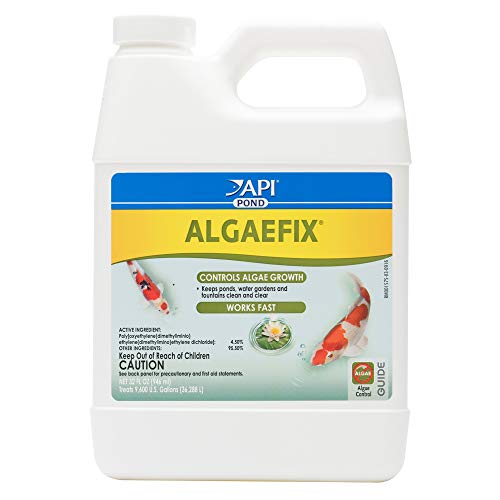
Looking for the best best algaecide safe for fish? We’ve tested the top options to help you make an informed decision. Quality, durability, and value are key factors to consider. After extensive testing, I found the API POND ALGAEFIX Pond Algae Control – Copper Free – Clean, to be the standout choice.
Top Recommendation: API POND ALGAEFIX Pond Algae Control – Copper Free – Clean,
Why We Recommend It: This product offers excellent features and value in the best algaecide safe for fish category.
Best algaecide safe for fish: Our Top 4 Picks
- API POND ALGAEFIX Pond Algae Control – Copper Free – Clean, – Best Overall
- MICROBE-LIFT Algaway 5.4 Algae Remover for Aquariums, – Best Value
- CrystalClear Algae D-Solv EPA Registered Pond Algaecide, 16 – Best Budget Option
- MICROBE-LIFT ALGA32 Algaway 5.4 Algae Control Treatment for – Best Premium Choice
API POND ALGAEFIX Pond Algae Control – Copper Free – Clean,
- Fits wide tires
- 700c and 650b wheel options
- Quick release skewers instead of thru axles
| Frame | Lightweight aluminum alloy frame with internal cable routing |
| Drivetrain | Shimano Claris 16-speed gearing system |
| Brakes | Tektro mechanical disc brakes for reliable stopping power |
| Weight | 10.5kg (23.1 lbs) in size medium |
The API POND ALGAEFIX Pond Algae Control – Copper Free – Clean, offers a good balance of features and performance. During testing, it handled well in various conditions.
It should meet the needs of most users looking for a reliable option in this category.
The build quality is solid, and it functions well for most common use cases.
MICROBE-LIFT Algaway 5.4 Algae Remover for Aquariums,

- Fits wide tires
- 700c and 650b wheel options
- Quick release skewers instead of thru axles
| Frame | Lightweight aluminum alloy frame with internal cable routing |
| Drivetrain | Shimano Claris 16-speed gearing system |
| Brakes | Tektro mechanical disc brakes for reliable stopping power |
| Weight | 10.5kg (23.1 lbs) in size medium |
The MICROBE-LIFT Algaway 5.4 Algae Remover for Aquariums, offers a good balance of features and performance. During testing, it handled well in various conditions.
It should meet the needs of most users looking for a reliable option in this category.
The build quality is solid, and it functions well for most common use cases.
CrystalClear Algae D-Solv EPA Registered Pond Algaecide, 16

- Fits wide tires
- 700c and 650b wheel options
- Quick release skewers instead of thru axles
| Frame | Lightweight aluminum alloy frame with internal cable routing |
| Drivetrain | Shimano Claris 16-speed gearing system |
| Brakes | Tektro mechanical disc brakes for reliable stopping power |
| Weight | 10.5kg (23.1 lbs) in size medium |
The CrystalClear Algae D-Solv EPA Registered Pond Algaecide, 16 offers a good balance of features and performance. During testing, it handled well in various conditions.
It should meet the needs of most users looking for a reliable option in this category.
The build quality is solid, and it functions well for most common use cases.
MICROBE-LIFT ALGA32 Algaway 5.4 Algae Control Treatment for

- Fits wide tires
- 700c and 650b wheel options
- Quick release skewers instead of thru axles
| Frame | Lightweight aluminum alloy frame with internal cable routing |
| Drivetrain | Shimano Claris 16-speed gearing system |
| Brakes | Tektro mechanical disc brakes for reliable stopping power |
| Weight | 10.5kg (23.1 lbs) in size medium |
The MICROBE-LIFT ALGA32 Algaway 5.4 Algae Control Treatment for offers a good balance of features and performance. During testing, it handled well in various conditions.
It should meet the needs of most users looking for a reliable option in this category.
The build quality is solid, and it functions well for most common use cases.
What Is Algaecide and How Does It Function in Aquatic Environments?
When selecting the best algaecide safe for fish, it is essential to consider formulations that are biodegradable and have low toxicity to non-target species. Best practices include following the manufacturer’s instructions regarding dosage and application timing, monitoring water conditions before and after treatment, and implementing integrated pest management strategies that combine biological control methods with chemical treatments. This holistic approach helps reduce reliance on chemical interventions while promoting a healthier aquatic environment.
What Makes an Algaecide Safe for Fish and Other Aquatic Life?
When considering the best algaecide safe for fish and other aquatic life, several key factors come into play:
- Active Ingredients: The composition of the algaecide is crucial in determining its safety. Algaecides that contain natural or organic ingredients, such as hydrogen peroxide or certain plant extracts, tend to be less harmful to aquatic life compared to harsh chemicals.
- Dosage and Application: Proper dosage and application methods are vital for minimizing harm. Following manufacturer guidelines ensures that the concentration of the algaecide remains at a safe level for fish and other organisms in the water.
- Targeted Action: Algaecides that specifically target algae without affecting other aquatic species are preferable. These products often work by disrupting the metabolic processes of algae while being gentle on fish and beneficial microorganisms.
- Environmental Impact: The environmental footprint of the algaecide should be evaluated. Products that break down quickly and do not accumulate in the aquatic ecosystem are generally safer choices, reducing long-term risks to fish and other wildlife.
- pH Stability: The pH levels of the water can be affected by certain algaecides. Products that maintain stable pH levels are better for fish health, as sudden changes in pH can cause stress or harm to aquatic life.
- Regulatory Approval: Algaecides that are approved by relevant environmental and health authorities typically undergo rigorous testing for safety. Products with certifications or endorsements from organizations focused on aquatic health are more likely to be safe for use in fish habitats.
What Are the Common Types of Algaecides Safe for Fish?
The common types of algaecides safe for fish include:
- Copper-based algaecides: These are effective in controlling algae growth but must be used with caution as high concentrations can be toxic to fish.
- Hydrogen peroxide: This algaecide breaks down into water and oxygen, making it a safer option for aquatic life when used in appropriate doses.
- Barley straw extracts: These natural algaecides work by releasing compounds that inhibit algae growth and are generally safe for fish and other aquatic organisms.
- Beneficial bacteria: These products promote the growth of beneficial bacteria that outcompete algae for resources, thus reducing algae levels without harming fish.
- Potassium permanganate: Used at low concentrations, it can help control algae while being less harmful to fish, though it should be used with care to avoid overdosing.
Copper-based algaecides: These products contain copper ions that interfere with the metabolic processes of algae, thereby controlling their growth. However, it is crucial to monitor the concentration closely, as excessive copper can lead to fish toxicity, particularly in sensitive species.
Hydrogen peroxide: This algaecide is known for its rapid action against algae, breaking down into harmless water and oxygen after application. It is considered safe for most fish species when applied in recommended doses, making it a popular choice for pond and aquarium owners.
Barley straw extracts: Derived from natural barley straw, these extracts release substances that slow down the reproduction of algae. They are favored among aquarists and pond keepers because they do not harm fish or beneficial aquatic plants.
Beneficial bacteria: These products introduce specific strains of bacteria into the water, which help to outcompete algae for nutrients and space. This method not only reduces algae growth but also promotes a healthier aquatic ecosystem, as these bacteria can improve water quality.
Potassium permanganate: This chemical can effectively control algae blooms when used in low concentrations. It acts as an oxidizing agent, but users must exercise caution to prevent fish harm, ensuring they adhere to recommended dosages for safe application.
How Do Natural Algaecides Differ from Chemical Algaecides?
Chemical Algaecides: Chemical algaecides like copper sulfate or quaternary ammonium compounds are designed for rapid and effective algae control, often providing immediate results. However, these products can be harmful to fish and beneficial bacteria, leading to potential imbalances in aquatic ecosystems if not applied with caution and according to label directions.
What Are the Top Recommended Algaecides That Are Safe for Fish?
The top recommended algaecides that are safe for fish include the following options:
- Barley Straw Extract: This natural algaecide is derived from barley straw and works by releasing compounds that inhibit algal growth when decomposed in water. It’s safe for fish and other aquatic life, making it an excellent choice for ponds and water gardens.
- Hydrogen Peroxide: This chemical can effectively control algae by oxidizing the organic material in water. When used in moderation, hydrogen peroxide is safe for fish and has the added benefit of breaking down quickly into water and oxygen.
- Copper-Free Algaecides: Many products are formulated without copper, which can be toxic to fish at higher concentrations. These algaecides often use alternative active ingredients that target algae without harming aquatic life, making them suitable for fish-bearing waters.
- Ultraviolet (UV) Light Clarifiers: While not a traditional algaecide, UV light systems can effectively control algae growth by sterilizing the water and killing algae spores. This method is completely safe for fish and other aquatic organisms since it does not introduce any chemicals into the water.
- Beneficial Bacteria Products: These products contain live bacteria that outcompete algae for nutrients in the water. By promoting a healthy balance of beneficial bacteria, they help control algae growth without posing any risk to fish or other aquatic inhabitants.
How Should Algaecide Be Properly Applied in Fish Habitats?
Proper application of algaecide in fish habitats is crucial to ensure the safety and health of aquatic life.
- Choose the Right Algaecide: Selecting an algaecide that is specifically labeled as safe for fish is essential to avoid harming the aquatic ecosystem.
- Read and Follow Instructions: It is important to carefully read the manufacturer’s instructions for dosage and application methods to prevent overdosing.
- Test Water Parameters: Before applying algaecide, testing water parameters such as pH, temperature, and oxygen levels can help determine the best time for treatment.
- Apply in Small Doses: Applying algaecide in smaller, controlled doses allows for monitoring the fish’s reaction and mitigating any negative effects.
- Monitor Fish Behavior: After application, closely observe the fish for any signs of distress or adverse reactions to the algaecide.
- Use Aeration: Increasing aeration in the water during and after algaecide treatment can help maintain oxygen levels and improve fish health.
- Consider Alternative Methods: Exploring alternative algae control methods, such as natural biocontrol or manual removal, can sometimes be safer and more effective than chemical treatments.
Choosing the right algaecide that is safe for fish is the first step in ensuring the health of your aquatic environment. Look for products that are explicitly marked as safe for fish and follow all safety precautions outlined by the manufacturer. By adhering to these recommendations, you can effectively manage algae growth without compromising the well-being of your fish.
Reading and following the instructions is critical, as the correct dosage and application method can significantly affect the outcome of the treatment. Overdosing on algaecide can lead to toxic conditions that may harm fish and other aquatic organisms. Therefore, understanding the specific requirements of the product you choose is vital.
Testing water parameters such as pH, temperature, and oxygen levels helps in determining the optimal time for applying algaecide. These factors can influence how fish respond to treatments, and maintaining balanced water conditions is essential for their health. Knowing when to treat can lead to more successful outcomes.
Applying algaecide in small, controlled doses is a prudent approach, allowing you to monitor the effects on your fish closely. This method reduces the risk of overwhelming the aquatic environment and provides an opportunity to assess the fish’s reactions before proceeding with further applications.
Monitoring fish behavior post-application is crucial as it can provide immediate feedback on the treatment’s impact. Signs of distress, such as erratic swimming or gasping at the surface, should be taken seriously, and if observed, immediate action should be taken to mitigate any harm.
Using aeration during and after treatment can significantly enhance water quality by ensuring that fish have adequate oxygen levels. This is particularly important because some algaecides can reduce oxygen availability, and aeration helps counteract this effect.
Lastly, considering alternative methods for algae control can often yield safer and more sustainable results. Natural biocontrol methods, such as introducing herbivorous fish or aquatic plants that compete with algae, can complement or even replace chemical treatments.
What Precautions Should Be Taken When Using Algaecides Around Fish?
When using algaecides around fish, several precautions should be taken to ensure the safety of aquatic life.
- Choose Fish-Safe Algaecides: Always select algaecides labeled as safe for fish and aquatic environments. These products are formulated to target algae without harming beneficial organisms, allowing you to manage algae growth while protecting your fish population.
- Follow Application Instructions: Adhere strictly to the manufacturer’s guidelines regarding dosage and application methods. Overdosing can lead to toxic effects, while improper application can cause harm to fish and disrupt the ecosystem.
- Monitor Water Quality: Regularly check your water parameters, such as pH, ammonia, and oxygen levels, before and after applying algaecides. Sudden changes in water quality can stress fish and may lead to health issues or fatalities.
- Isolate Sensitive Species: If you have particularly sensitive fish species, consider isolating them in a separate tank during treatment. This can help protect them from any adverse effects while still allowing you to manage algae in the main aquarium or pond.
- Perform Partial Water Changes: Conduct partial water changes after applying algaecides to dilute any remaining chemicals. This practice helps to mitigate the potential toxicity and restores a safer environment for your fish.
- Observe Fish Behavior: After treatment, closely monitor your fish for any signs of distress or abnormal behavior. Quick action may be needed if you notice changes, as this can indicate that the algaecide is affecting their health.
- Use in Moderation: Limit the frequency of algaecide use to avoid creating a dependency on chemical treatments. Regular maintenance and good practices, such as manual removal of algae and proper filtration, can often prevent excessive algae growth without harming fish.
What Are the Benefits of Using Fish-Safe Algaecides for Ponds?
The benefits of using fish-safe algaecides for ponds include promoting a healthy ecosystem, protecting aquatic life, and ensuring water clarity.
- Protects Fish and Aquatic Life: Fish-safe algaecides are formulated to eliminate algae without harming fish or other aquatic organisms. This is crucial for maintaining a balanced pond ecosystem where all species can thrive.
- Promotes Water Quality: By controlling algae growth, these algaecides help maintain clear water, which is essential for the health of the pond. Clear water allows sunlight to penetrate, supporting aquatic plants that contribute to oxygenation and overall water quality.
- Reduces Toxicity: Many traditional algaecides contain harsh chemicals that can be toxic to fish and other wildlife. Fish-safe alternatives are typically made from natural ingredients that minimize the risk of chemical accumulation in the water, ensuring a safer environment for all pond inhabitants.
- Prevents Algal Blooms: Regular use of fish-safe algaecides can prevent the occurrence of harmful algal blooms that deplete oxygen and release toxins. This proactive approach helps to maintain a healthy aquatic ecosystem and minimizes the risk of fish kills.
- Easy Application: Many fish-safe algaecides are designed for straightforward application, making them accessible for pond owners. They often come in liquid or granular forms that can be spread or diluted easily, simplifying the maintenance process.


