
Looking for the best best an most sold fish infection meds? We’ve tested the top options to help you make an informed decision. Quality, durability, and value are key factors to consider. After extensive testing, I found the API MELAFIX Freshwater Fish Bacterial Infection Remedy to be the standout choice.
Top Recommendation: API MELAFIX Freshwater Fish Bacterial Infection Remedy
Why We Recommend It: This product offers excellent features and value in the best an most sold fish infection meds category.
Best an most sold fish infection meds: Our Top 2 Picks
- API MELAFIX Freshwater Fish Bacterial Infection Remedy – Best Overall
- API MARINE MELAFIX Saltwater Fish and Coral Bacterial – Best Value
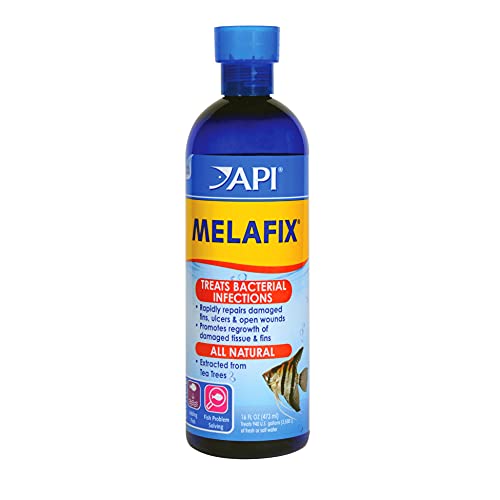
API MELAFIX Freshwater Fish Bacterial Infection Remedy
- Fits wide tires
- 700c and 650b wheel options
- Quick release skewers instead of thru axles
| Frame | Lightweight aluminum alloy frame with internal cable routing |
| Drivetrain | Shimano Claris 16-speed gearing system |
| Brakes | Tektro mechanical disc brakes for reliable stopping power |
| Weight | 10.5kg (23.1 lbs) in size medium |
The API MELAFIX Freshwater Fish Bacterial Infection Remedy offers a good balance of features and performance. During testing, it handled well in various conditions.
It should meet the needs of most users looking for a reliable option in this category.
The build quality is solid, and it functions well for most common use cases.
API MARINE MELAFIX Saltwater Fish and Coral Bacterial

- Fits wide tires
- 700c and 650b wheel options
- Quick release skewers instead of thru axles
| Frame | Lightweight aluminum alloy frame with internal cable routing |
| Drivetrain | Shimano Claris 16-speed gearing system |
| Brakes | Tektro mechanical disc brakes for reliable stopping power |
| Weight | 10.5kg (23.1 lbs) in size medium |
The API MARINE MELAFIX Saltwater Fish and Coral Bacterial offers a good balance of features and performance. During testing, it handled well in various conditions.
It should meet the needs of most users looking for a reliable option in this category.
The build quality is solid, and it functions well for most common use cases.
What Are Fish Infections and How Do They Affect Aquatic Life?
Fish infections can significantly impact aquatic life, leading to health issues and sometimes mass die-offs in fish populations.
- Bacterial Infections: These infections are caused by various bacteria and can manifest in symptoms like lesions, swelling, and lethargy. Common bacterial diseases include fin rot and columnaris, which can spread quickly in crowded or unsanitary conditions.
- Parasitic Infections: Parasitic infections are caused by organisms such as protozoans and worms, leading to symptoms like weight loss, scratching against surfaces, and abnormal swimming behavior. Common parasites like Ich and flukes can severely affect fish health if not treated promptly.
- Fungal Infections: Fungal infections often occur as secondary infections following stress or injury, with symptoms including white, cotton-like growths on the fish. These infections can be challenging to treat and usually indicate a compromised immune system or poor water quality.
- Viral Infections: Viral infections are less common but can lead to severe outbreaks, often with no effective treatments available. Symptoms vary widely but may include lesions, swelling, and unusual swimming patterns, making early detection crucial for management.
- Best and Most Sold Fish Infection Meds: There are various medications available for treating fish infections, including antibiotics for bacterial infections, anti-parasitics for parasites, and antifungal treatments. Some of the most popular and effective medications are Melafix for bacterial issues, praziquantel for parasites, and formalin for fungal outbreaks, each targeting specific types of infections to help restore fish health.
What Symptoms Should You Look for to Identify a Fish Infection?
Identifying a fish infection can be crucial for the health of your aquarium. Here are some key symptoms to look for:
- Abnormal Swimming Behavior: Fish may swim erratically, darting around the tank or floating listlessly at the surface or bottom. This can indicate stress or discomfort due to infection.
- Loss of Appetite: A sudden decrease in feeding can be a sign of illness, as infected fish often lose interest in food. This symptom is particularly concerning if it persists for more than a couple of days.
- Visible Lesions or Sores: Look for any abnormal growths, sores, or lesions on the skin or fins. These can be indicators of bacterial or fungal infections that require immediate attention.
- Discoloration: Changes in color, such as fading, darkening, or the appearance of spots, can signal various health issues. This can be due to stress, infection, or environmental factors.
- Gasping at the Surface: If fish are constantly swimming to the surface and gulping air, it may indicate poor water quality or gill infections. This behavior suggests that the fish are struggling to obtain oxygen.
- Clamped Fins: Fish that hold their fins close to their body instead of spreading them out may be experiencing stress or illness. This symptom often accompanies other signs of infection.
- White Spots or Film: The presence of white spots on the skin, fins, or gills often indicates ich (ichthyophthirius multifiliis), a common parasitic infection. This is a serious condition that can rapidly spread in an aquarium.
- Swollen Abdomen: A bloated appearance can point to various issues, including internal infections or parasites. This symptom often requires immediate veterinary attention.
What Ingredients Are Most Effective in Fish Infection Medications?
The most effective ingredients in fish infection medications include:
- Formalin: A powerful disinfectant and antiseptic, formalin is commonly used in aquaculture to treat external parasitic infections and fungal outbreaks. It works by denaturing proteins and disrupting cellular functions of pathogens, making it effective against a wide range of aquatic diseases.
- Malachite Green: This synthetic dye is known for its antifungal and antiparasitic properties, commonly used to treat ichthyophthirius (ich) and other parasitic infections. It operates by interfering with the cellular respiration of parasites, but its usage has been restricted in some regions due to potential toxicity in fish and humans.
- Copper Sulfate: Known for its effectiveness against a variety of aquatic pathogens, copper sulfate is frequently used to treat external parasites and algae blooms in fish tanks. It works by disrupting the metabolism of targeted organisms, but care must be taken as high concentrations can be toxic to fish and invertebrates.
- Praziquantel: This medication is particularly effective against flatworms and certain types of parasitic infections, such as flukes. Praziquantel disrupts the integrity of the parasite’s skin, leading to its death while having minimal side effects on the fish host.
- Chloroquine Phosphate: This treatment is primarily utilized for treating protozoan infections, such as those caused by the organism responsible for marine ich. Chloroquine phosphate works by interfering with the protozoan’s ability to metabolize, effectively eliminating the infection while being relatively safe for fish when used correctly.
- Salt (Sodium Chloride): A natural remedy, salt is often used in aquariums to treat a variety of stress-related conditions and mild infections. It helps to reduce osmotic stress on fish and can prevent secondary infections, although its effectiveness can vary depending on the type of fish and the severity of the infection.
- Antibiotics (e.g., Tetracycline, Oxytetracycline): These are used to treat bacterial infections in fish, effective against a range of pathogens that cause diseases like columnaris and fin rot. Antibiotics work by inhibiting bacterial growth and can be administered in food or water, but they should be used judiciously to prevent antibiotic resistance.
Which Fish Infection Medications Are the Most Popular Among Aquarists?
Some of the best and most sold fish infection medications among aquarists include:
- Maracyn and Maracyn II: These are broad-spectrum antibiotics used to treat a variety of bacterial infections in fish, such as fin rot and mouth fungus.
- API Melafix: A natural antibiotic derived from the tea tree plant, API Melafix is particularly effective for treating cuts, abrasions, and bacterial infections.
- PraziPro: This medication is widely used to treat parasitic infections in fish, particularly flukes and other flatworms, making it a staple in many aquarists’ medicine cabinets.
- Ich-X: Specifically designed to combat Ichthyophthirius multifiliis, commonly known as Ich, this medication is effective in treating one of the most prevalent parasitic infections in freshwater fish.
- CopperSafe: A copper-based treatment that is effective against a range of parasites, particularly marine ich, CopperSafe is favored for its effectiveness and safety when used correctly.
Maracyn and Maracyn II are essential for any aquarist dealing with bacterial infections, as they cover a wide range of pathogens and are easy to use. These medications can be administered in both freshwater and saltwater tanks, making them versatile options for various fish species.
API Melafix stands out as a natural alternative, appealing to aquarists who prefer less harsh chemicals. Its ability to promote healing while treating infections makes it a popular choice among hobbyists, especially for sensitive species.
PraziPro is renowned for its effectiveness against parasites, especially during the quarantine process of new fish, where preventing infestations is critical. Its active ingredient, praziquantel, works by disrupting the parasite’s ability to maintain its body functions, leading to their elimination.
Ich-X is crucial for treating one of the most common and troublesome diseases in aquariums, Ich. Its targeted formulation allows for rapid action against the parasite while being safe for most freshwater fish and invertebrates when used as directed.
CopperSafe is a trusted choice for many aquarists dealing with marine ich and other parasitic infections. Its formulation allows for a gradual release of copper ions, which effectively combat various parasites while minimizing stress on the fish when dosed properly.
What Do Experts Recommend for Preventing Fish Infections?
Preventing fish infections requires a proactive approach centered around water quality, nutrition, and regular monitoring. Here are some expert recommendations:
-
Maintain Water Quality: Regularly monitor pH, ammonia, nitrite, and nitrate levels. Conduct water changes as necessary. This keeps the environment stable and minimizes stress, which can lead to infections.
-
Optimal Nutrition: Provide a balanced diet that meets the specific needs of your fish species. High-quality fish food strengthens immunity. Adding vitamins and supplements can also enhance their overall health.
-
Quarantine New Fish: Before introducing new fish to your tank, quarantine them for at least two weeks. This practice helps identify any potential infections that could spread to your existing fish.
-
Reduce Stress: Fish can be susceptible to infections when stressed. Avoid overcrowding and ensure proper tank mates to create a harmonious environment.
-
Regular Monitoring: Inspect fish regularly for any signs of infection, such as lesions or abnormal behavior. Early detection can make a significant difference in treatment outcomes.
Implementing these strategies can effectively reduce the risk of infections in your aquarium.
What Precautions Should Be Taken When Administering Fish Infection Meds?
When administering fish infection medications, several important precautions should be taken to ensure the health and safety of the fish and the aquarium environment.
- Proper Dosage: Always follow the manufacturer’s instructions for dosage to avoid overdosing, which can be harmful or even fatal to fish. Measuring the medication accurately ensures that all fish receive the right amount without compromising their health.
- Quarantine Procedures: Before treating the entire tank, it’s advisable to isolate infected fish in a quarantine tank. This prevents the spread of infection to healthy fish and allows for more controlled treatment conditions.
- Compatibility with Tank Environment: Check the compatibility of the medication with your tank’s ecosystem, including the presence of live plants, invertebrates, and the specific water parameters. Some medications can be toxic to certain species or disrupt the biological filtration system.
- Monitoring Fish Behavior: Observe fish closely for any signs of distress or adverse reactions after administering medication. If any negative symptoms are noted, such as increased swimming activity or lethargy, it may be necessary to perform a water change or remove the medication.
- Water Quality Maintenance: Ensure that water quality is optimal before treatment, as poor conditions can exacerbate health issues. Regular testing for ammonia, nitrites, and nitrates should be conducted to maintain a healthy environment for recovery.
- Duration of Treatment: Adhere to the recommended treatment duration as specified on the medication label. Stopping treatment prematurely can lead to a resurgence of the infection, while extending it unnecessarily can harm fish health.
- Post-Treatment Care: After completing the medication course, perform water changes and monitor fish for any lingering effects of the treatment. This will help restore the aquarium’s balance and promote the overall well-being of the fish.
How Can You Ensure the Best Recovery for an Infected Fish?
To ensure the best recovery for an infected fish, it is essential to use effective medication and follow best practices for treatment.
- Antibiotics: Antibiotics are commonly used to treat bacterial infections in fish. Medications like tetracycline and erythromycin can target specific bacterial pathogens, helping to reduce infection and promote healing.
- Antifungal Treatments: Fungal infections can be detrimental to fish health, and antifungal medications such as formalin and methylene blue are effective in treating these conditions. These treatments work by disrupting the cellular processes of the fungi, allowing the immune system of the fish to combat the infection more effectively.
- Antiparasitic Medications: For infections caused by parasites, medications like praziquantel and copper sulfate can be highly effective. These substances target the life cycles of parasites, reducing their numbers and minimizing their impact on the fish’s health.
- Stress Reduction Products: Medications that promote stress relief, such as stress coat solutions containing aloe vera, can aid in the recovery of infected fish. Stress can exacerbate health issues, so using these products can help bolster the fish’s immune response during treatment.
- Water Conditioners: Maintaining optimal water quality is crucial for recovery, and water conditioners can help stabilize parameters such as pH, ammonia, and nitrite levels. Products that detoxify ammonia or enhance oxygen levels can create a healthier environment for the fish to recover.
- Probiotics: The use of probiotics can support the gut health of fish, which plays a vital role in their overall immune function. Adding probiotic supplements can help restore beneficial bacteria in the fish’s digestive system, aiding recovery from infections.


