
Looking for the best best aquarium breeder box? We’ve tested the top options to help you make an informed decision. Quality, durability, and value are key factors to consider. After extensive testing, I found the Pawfly Aquarium Fish Breeding Box Acrylic Hatchery to be the standout choice.
Top Recommendation: Pawfly Aquarium Fish Breeding Box Acrylic Hatchery
Why We Recommend It: This product offers excellent features and value in the best aquarium breeder box category.
Best aquarium breeder box: Our Top 4 Picks
- Pawfly Aquarium Fish Breeding Box Acrylic Hatchery – Best Overall
- BaoZqua Aquarium Breeder Box for Fish Tank, 316 Stainless – Best Value
- Pawfly Aquarium Breeding Box Fish Tank Hatchery Incubator – Best Budget Option
- Boxtech Breeding Box for Fish Tank, Aquarium Hatchery – Best Premium Choice
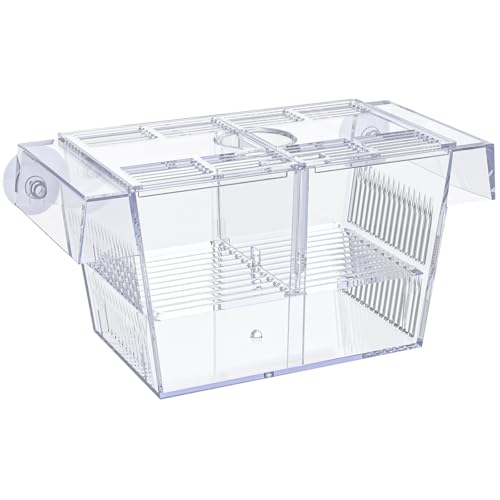
Pawfly Aquarium Fish Breeding Box Acrylic Hatchery
- Fits wide tires
- 700c and 650b wheel options
- Quick release skewers instead of thru axles
| Frame | Lightweight aluminum alloy frame with internal cable routing |
| Drivetrain | Shimano Claris 16-speed gearing system |
| Brakes | Tektro mechanical disc brakes for reliable stopping power |
| Weight | 10.5kg (23.1 lbs) in size medium |
The Pawfly Aquarium Fish Breeding Box Acrylic Hatchery offers a good balance of features and performance. During testing, it handled well in various conditions.
It should meet the needs of most users looking for a reliable option in this category.
The build quality is solid, and it functions well for most common use cases.
BaoZqua Aquarium Breeder Box for Fish Tank, 316 Stainless

- Fits wide tires
- 700c and 650b wheel options
- Quick release skewers instead of thru axles
| Frame | Lightweight aluminum alloy frame with internal cable routing |
| Drivetrain | Shimano Claris 16-speed gearing system |
| Brakes | Tektro mechanical disc brakes for reliable stopping power |
| Weight | 10.5kg (23.1 lbs) in size medium |
The BaoZqua Aquarium Breeder Box for Fish Tank, 316 Stainless offers a good balance of features and performance. During testing, it handled well in various conditions.
It should meet the needs of most users looking for a reliable option in this category.
The build quality is solid, and it functions well for most common use cases.
Pawfly Aquarium Breeding Box Fish Tank Hatchery Incubator

- Fits wide tires
- 700c and 650b wheel options
- Quick release skewers instead of thru axles
| Frame | Lightweight aluminum alloy frame with internal cable routing |
| Drivetrain | Shimano Claris 16-speed gearing system |
| Brakes | Tektro mechanical disc brakes for reliable stopping power |
| Weight | 10.5kg (23.1 lbs) in size medium |
The Pawfly Aquarium Breeding Box Fish Tank Hatchery Incubator offers a good balance of features and performance. During testing, it handled well in various conditions.
It should meet the needs of most users looking for a reliable option in this category.
The build quality is solid, and it functions well for most common use cases.
Boxtech Breeding Box for Fish Tank, Aquarium Hatchery

- Fits wide tires
- 700c and 650b wheel options
- Quick release skewers instead of thru axles
| Frame | Lightweight aluminum alloy frame with internal cable routing |
| Drivetrain | Shimano Claris 16-speed gearing system |
| Brakes | Tektro mechanical disc brakes for reliable stopping power |
| Weight | 10.5kg (23.1 lbs) in size medium |
The Boxtech Breeding Box for Fish Tank, Aquarium Hatchery offers a good balance of features and performance. During testing, it handled well in various conditions.
It should meet the needs of most users looking for a reliable option in this category.
The build quality is solid, and it functions well for most common use cases.
What Types of Aquarium Breeder Boxes Are Available?
Aquarium breeder boxes come in various designs, each catering to different breeding needs and environments. Understanding the types can help you make an informed decision for your aquatic pets.
-
Separation Breeder Boxes: These are often used to separate pregnant fish from the main tank. They create a safe zone for the female to give birth without the risk of predation from other fish.
-
Floating Breeder Boxes: Typically designed to float within your aquarium, these boxes provide a secure environment for fry. They are generally made from transparent materials so that you can monitor the fish’s growth without disturbance.
-
Drip-Style Breeder Boxes: These boxes utilize a drip system to maintain water quality, making them ideal for breeding sensitive species. They ensure a continual flow of fresh water while maintaining essential parameters.
-
Mesh Breeder Boxes: Equipped with a mesh or screen, these allow fry to escape from adults but keep them safe from larger tank mates. They are popular for breeding small species like guppies and bettas.
Choosing the right breeder box hinges on the species you’re working with and your aquarium setup. Each type serves a specific purpose, ensuring the best conditions for breeding.
What Key Features Should You Look for in an Aquarium Breeder Box?
When searching for the best aquarium breeder box, consider the following key features:
- Material: The material of the breeder box affects its durability and safety for fish. High-quality acrylic or glass options provide better visibility and insulation, while plastic boxes can be lightweight and affordable but may scratch easily.
- Size: The size of the breeder box should accommodate the species of fish you plan to breed. A larger box allows for more space and less stress for the fish, while smaller boxes are ideal for limited space but may require more frequent maintenance.
- Water Flow System: A good breeder box should have a water flow system to ensure proper circulation and oxygenation. Look for boxes with adjustable water flow or a filtration system to keep the water clean and provide a healthy environment for the fish.
- Divider Options: Some breeder boxes feature dividers to separate different species or age groups. This is particularly useful when breeding multiple types of fish or isolating fry from adult fish to prevent predation.
- Ease of Cleaning: The design of the breeder box should allow for easy cleaning and maintenance. Removable parts or smooth surfaces will help keep the box clean and reduce the buildup of algae and waste.
- Installation Method: Consider how the breeder box will be installed in your aquarium. Options that hang on the tank or can be freestanding are popular, as they offer flexibility in placement without disturbing the main tank setup.
- Ventilation: Proper ventilation is essential to prevent the buildup of harmful gases. Look for breeder boxes that include ventilation holes to ensure adequate air exchange while maintaining water quality.
How Does Size Influence the Choice of a Breeder Box?
Size plays a crucial role in selecting the best aquarium breeder box as it impacts the comfort and safety of the fish, as well as the ease of maintenance.
- Fish Size: The size of the fish being bred directly influences the dimensions of the breeder box required. Smaller fish like guppies can thrive in compact boxes, while larger species necessitate more spacious environments to swim freely and reduce stress.
- Number of Fish: The capacity of the breeder box must accommodate the number of fish being raised. Overcrowding can lead to poor water quality and increased aggression, so a larger box is essential for multiple fish to coexist comfortably.
- Water Volume: A breeder box with a larger volume can maintain stable water parameters, which is critical for the health of the fry. Adequate water volume also supports better filtration and oxygenation, which are vital for the growth and survival of young fish.
- Breeding Behavior: Different species exhibit varying breeding behaviors that can influence the choice of size. Some species may require more space for nesting and protection of fry, thus necessitating a box that allows for such activities without disturbance.
- Placement in Aquarium: The size of the breeder box must correspond to the available space in the main aquarium. A box that is too large may obstruct tank flow or create an unsightly appearance, while a well-sized box will integrate seamlessly with the overall tank setup.
Which Materials Are Most Suitable for a Durable Breeder Box?
The best materials for a durable breeder box include:
- Acrylic: Acrylic is a popular choice for breeder boxes due to its high clarity and strength. It is lighter than glass and can be molded into various shapes, providing flexibility in design while being resistant to shattering.
- Glass: Glass offers excellent durability and scratch resistance, making it an ideal material for long-term use. It provides a clear view of the fish and is less prone to yellowing over time, but it is heavier and more fragile compared to acrylic.
- Plastic: High-quality, impact-resistant plastic is commonly used for budget-friendly breeder boxes. While it may not offer the same clarity or durability as acrylic or glass, it is lightweight and less likely to break, making it suitable for temporary setups.
- Stainless Steel: Stainless steel is a durable option that is resistant to corrosion and can withstand the rigors of aquarium environments. It is often used for components in breeder boxes, such as mesh or dividers, to maintain water quality and ensure proper separation of fish.
- Silicone Sealant: While not a material for the box itself, silicone sealant is essential for ensuring that seams are watertight, particularly in custom-built or modified breeder boxes. It helps prevent leaks and maintains the structural integrity of the box over time.
What Are the Advantages of Using an Aquarium Breeder Box?
The advantages of using an aquarium breeder box include improved breeding success, enhanced safety for fry, and ease of monitoring fish health.
- Improved Breeding Success: Breeder boxes create a controlled environment that can significantly increase the chances of successful breeding. They provide a secluded space where fish can spawn without the stress of larger tank mates disrupting the process.
- Enhanced Safety for Fry: Newly hatched fry are vulnerable to predation and environmental hazards. A breeder box protects them from adult fish, ensuring a safe space for them to grow until they are large enough to fend for themselves.
- Ease of Monitoring Fish Health: With the fry contained within a breeder box, it becomes easier for aquarists to monitor their health and growth. This allows for quick intervention if any issues arise, such as disease or poor water quality.
- Simple Transfer and Maintenance: Many breeder boxes are designed for easy setup and maintenance, making them user-friendly for both novice and experienced aquarists. They can often be easily removed for cleaning or relocation without disturbing the main tank.
- Versatile Use: Breeder boxes can serve multiple purposes, including housing sick fish, separating aggressive individuals, or acclimating new fish. This versatility makes them a valuable tool in any aquarium setup.
How Can You Properly Set Up an Aquarium Breeder Box for Optimal Use?
To properly set up an aquarium breeder box for optimal use, there are several essential components and steps to consider.
- Choosing the Right Size: Selecting the appropriate size of the breeder box is crucial for the comfort of the fish. A larger box allows for more space for the fish to swim and reduces stress, while smaller boxes can be used for fry or when limited space is available.
- Water Flow Adjustment: Many breeder boxes come with adjustable water flow options. Ensuring that the water flow is gentle helps to prevent the fry from being swept away and allows them to acclimate better to their new environment.
- Filtering System: Incorporating a filtering system into the breeder box can help maintain water quality. A sponge filter is often recommended as it provides mechanical and biological filtration without posing a risk to small fry.
- Securing the Breeder Box: Properly securing the breeder box within the main aquarium is essential to ensure stability. It should be attached to the sides of the tank or suspended in a way that prevents it from tipping over or floating.
- Adding Plants and Hiding Spots: Including live plants or decorations inside the breeder box can provide hiding spots for fry, making them feel safe. This will help reduce stress and promote healthy growth.
- Monitoring Water Parameters: Regularly checking the water parameters such as temperature, pH, and ammonia levels is vital for the health of the fish. Maintaining stable conditions will ensure the best environment for breeding and raising fry.
- Feeding Considerations: Be mindful of the feeding schedule and type of food provided to the fish in the breeder box. Utilizing finely crushed flakes or specialized fry food ensures that the young fish receive the nutrition they need without polluting the water quickly.
What Maintenance Tips Help Keep Your Breeder Box in Good Condition?
To ensure your breeder box remains in optimal condition, consider the following maintenance tips:
- Regular Cleaning: Regularly clean your breeder box to prevent algae buildup and harmful bacteria. Use a soft sponge or cloth to avoid scratching the surfaces, and rinse thoroughly with fresh water to remove any soap residue.
- Check Water Quality: Monitor the water quality within the breeder box frequently. Test for ammonia, nitrite, and nitrate levels, as well as maintaining appropriate pH, to ensure a safe environment for the fry.
- Inspect for Damage: Periodically inspect the breeder box for cracks or damage that could compromise its integrity. Any visible wear should be addressed immediately to prevent leaks and ensure the safety of your fish.
- Maintain Proper Temperature: Ensure that the water temperature in the breeder box is stable and suitable for the species being bred. Sudden temperature fluctuations can stress the fish, so consider using a heater or thermometer to maintain consistent conditions.
- Provide Adequate Aeration: Ensure the breeder box is adequately aerated to maintain oxygen levels for the fry. This can be achieved through gentle aeration with an air pump or by including live plants that contribute to oxygenation.
- Monitor Feeding: Be cautious with the amount of food provided to the fry in the breeder box. Overfeeding can lead to water quality issues, so feed small amounts several times a day and remove any uneaten food promptly.


