
Looking for the best best aquarium external filter? We’ve tested the top options to help you make an informed decision. Quality, durability, and value are key factors to consider. After extensive testing, I found the PONDFORSE Canister Filter, External Aquarium Filter to be the standout choice.
Top Recommendation: PONDFORSE Canister Filter, External Aquarium Filter
Why We Recommend It: This product offers excellent features and value in the best aquarium external filter category.
Best aquarium external filter: Our Top 4 Picks
- PONDFORSE Canister Filter, External Aquarium Filter – Best Overall
- Fluval 207 Performance Canister Filter for Aquariums Up to – Best Value
- VEVOR 224.5GPH Canister Filter, 3-Stage External Aquarium – Best Budget Option
- VEVOR 317GPH Canister Filter, 3-Stage External Aquarium – Best Premium Choice
PONDFORSE Canister Filter, External Aquarium Filter

- Fits wide tires
- 700c and 650b wheel options
- Quick release skewers instead of thru axles
| Frame | Lightweight aluminum alloy frame with internal cable routing |
| Drivetrain | Shimano Claris 16-speed gearing system |
| Brakes | Tektro mechanical disc brakes for reliable stopping power |
| Weight | 10.5kg (23.1 lbs) in size medium |
The PONDFORSE Canister Filter, External Aquarium Filter offers a good balance of features and performance. During testing, it handled well in various conditions.
It should meet the needs of most users looking for a reliable option in this category.
The build quality is solid, and it functions well for most common use cases.
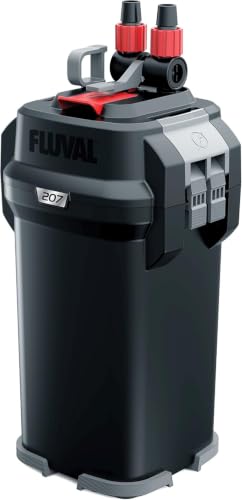
Fluval 207 Performance Canister Filter for Aquariums Up to
- Fits wide tires
- 700c and 650b wheel options
- Quick release skewers instead of thru axles
| Frame | Lightweight aluminum alloy frame with internal cable routing |
| Drivetrain | Shimano Claris 16-speed gearing system |
| Brakes | Tektro mechanical disc brakes for reliable stopping power |
| Weight | 10.5kg (23.1 lbs) in size medium |
The Fluval 207 Performance Canister Filter for Aquariums Up to offers a good balance of features and performance. During testing, it handled well in various conditions.
It should meet the needs of most users looking for a reliable option in this category.
The build quality is solid, and it functions well for most common use cases.
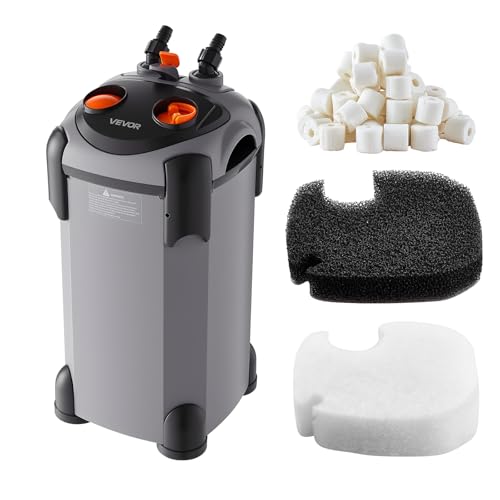
VEVOR 224.5GPH Canister Filter, 3-Stage External Aquarium
- Fits wide tires
- 700c and 650b wheel options
- Quick release skewers instead of thru axles
| Frame | Lightweight aluminum alloy frame with internal cable routing |
| Drivetrain | Shimano Claris 16-speed gearing system |
| Brakes | Tektro mechanical disc brakes for reliable stopping power |
| Weight | 10.5kg (23.1 lbs) in size medium |
The VEVOR 224.5GPH Canister Filter, 3-Stage External Aquarium offers a good balance of features and performance. During testing, it handled well in various conditions.
It should meet the needs of most users looking for a reliable option in this category.
The build quality is solid, and it functions well for most common use cases.
VEVOR 317GPH Canister Filter, 3-Stage External Aquarium

- Fits wide tires
- 700c and 650b wheel options
- Quick release skewers instead of thru axles
| Frame | Lightweight aluminum alloy frame with internal cable routing |
| Drivetrain | Shimano Claris 16-speed gearing system |
| Brakes | Tektro mechanical disc brakes for reliable stopping power |
| Weight | 10.5kg (23.1 lbs) in size medium |
The VEVOR 317GPH Canister Filter, 3-Stage External Aquarium offers a good balance of features and performance. During testing, it handled well in various conditions.
It should meet the needs of most users looking for a reliable option in this category.
The build quality is solid, and it functions well for most common use cases.
What Is an Aquarium External Filter?
An aquarium external filter is a type of filtration system that is placed outside of the aquarium tank and is connected via hoses. This filter draws water from the tank, filters it through various media, and then returns it back to the aquarium. External filters are preferred by many aquarists for their efficiency in maintaining water quality and clarity, as well as their ability to handle larger volumes of water compared to internal filters.
According to the American Society of Aquatic Animal Medicine, external filters often provide superior mechanical, biological, and chemical filtration, making them ideal for larger aquariums or tanks with a higher bioload, such as those containing multiple fish or aquatic plants.
Key aspects of external filters include their versatility in filtration options, ease of maintenance, and capacity for customization. They typically feature multiple media compartments, allowing hobbyists to choose a combination of mechanical filters (to remove particulates), biological filters (to support beneficial bacteria that break down toxins), and chemical filters (to remove harmful substances like ammonia and nitrites). Moreover, external filters often come with adjustable flow rates, enabling users to tailor the water circulation to the specific needs of their aquarium inhabitants.
The use of external filters has significant impacts on the health and stability of aquarium ecosystems. For instance, a well-maintained external filter can drastically reduce the levels of harmful substances, thereby minimizing stress on fish and promoting a thriving aquatic environment. According to the Fishkeeping Journal, aquariums equipped with high-quality external filters can maintain clearer water and healthier fish, which is crucial for both novice and experienced aquarists.
Benefits of using an external filter include improved filtration efficiency, reduced maintenance frequency, and quieter operation compared to many internal filters. Furthermore, external filters often have larger filter media volumes, which can enhance biological filtration and support a more stable nitrogen cycle, essential for the long-term success of an aquarium.
To maximize the effectiveness of an external filter, best practices include regular cleaning and maintenance of the filter media, checking for clogs, and ensuring that the pump is functioning correctly. Additionally, hobbyists should consider the specific needs of their aquarium inhabitants when selecting filter media and flow rates. Utilizing quality products and maintaining a consistent maintenance schedule can lead to optimal water conditions and a flourishing aquatic environment.
What Benefits Do External Filters Provide for Aquariums?
Reduced Noise Levels: Many external filters operate more quietly than internal filters, as they are located outside the tank, which can create a more serene environment for both fish and aquarium enthusiasts. This is particularly beneficial for those who keep aquariums in living spaces where noise can be a concern.
Customization Options: External filters usually allow for customization of filter media, enabling hobbyists to choose specific materials that best suit their aquarium’s needs. Whether it’s activated carbon for chemical filtration or sponge filters for biological media, owners can tailor their setup for optimal performance.
Lower Maintenance Frequency: With their larger capacity and more effective filtration, external filters often require less frequent maintenance, providing convenience for aquarium owners. This means less time spent on routine cleaning and more time enjoying the aquarium.
What Key Factors Should You Consider When Choosing an Aquarium External Filter?
When selecting the best aquarium external filter, several key factors should be considered to ensure optimal water quality and compatibility with your aquarium setup.
- Flow Rate: The flow rate of an external filter is essential because it determines how quickly the filter can process the water in your aquarium. A good rule of thumb is to choose a filter that can circulate the entire volume of your tank at least 4-5 times per hour, ensuring efficient filtration and oxygenation.
- Filter Media Options: The type and flexibility of filter media available are crucial for effective filtration. Look for filters that allow for a combination of mechanical, biological, and chemical media, enabling you to tailor the filtration process to your specific aquarium needs and maintain a healthy environment for your aquatic life.
- Ease of Maintenance: Regular maintenance is vital for an external filter’s performance, so consider how easy it is to access and clean. Filters that feature a quick-release mechanism or easy-access compartments can save you time and effort, allowing for routine checks and media changes without hassle.
- Size and Compatibility: The size of the filter should be appropriate for your aquarium’s volume and dimensions. Additionally, ensure that the filter fits well within your aquarium setup, considering the footprint and any additional space needed for hoses and connections.
- Noise Level: Some external filters can be quite noisy, which may be a concern depending on where your aquarium is located. Look for models that are specifically designed for quiet operation to maintain a peaceful environment in your home or office.
- Warranty and Brand Reputation: A good warranty can provide peace of mind regarding the filter’s longevity and reliability. Additionally, choosing a filter from a well-regarded brand with positive reviews can ensure you are investing in a quality product that meets your filtration needs effectively.
What Flow Rate Is Suitable for Your Specific Fish Tank Size?
The flow rate suitable for your fish tank size is crucial for maintaining a healthy aquatic environment.
- Small Aquariums (up to 20 gallons): A flow rate of 100-200 gallons per hour (GPH) is ideal for small tanks, ensuring adequate filtration without stressing smaller fish.
- Medium Aquariums (20-55 gallons): For medium-sized tanks, a flow rate between 200-400 GPH is recommended, providing sufficient water movement for biological filtration and oxygenation.
- Large Aquariums (55-100 gallons): Large tanks benefit from a flow rate of 400-800 GPH, which helps to filter larger volumes of water and maintain water quality efficiently.
- Extra-Large Aquariums (over 100 gallons): For extra-large tanks, a flow rate of 800 GPH or more is necessary, as it allows for robust filtration and is essential for maintaining the health of larger fish and aquatic plants.
- Specialized Tanks (e.g., reef or discus): Specific setups may require tailored flow rates, often needing lower flow for delicate species like discus or higher for reef tanks to simulate ocean currents.
Small aquariums, typically housing delicate species, should have a gentle flow rate to avoid stressing the fish. Medium aquariums, accommodating a wider variety of species, require a balance of filtration and flow to promote healthy swimming conditions. Large aquariums necessitate stronger filtration to manage the increased bioload and ensure clarity in the water. Extra-large tanks can house more robust filters to handle the significant volume and diversity of aquatic life. Specialized tanks often deviate from standard recommendations, demanding careful consideration of the specific needs of the inhabitants to maintain a stable environment.
What Types of Filtration Media Are the Most Effective for Your Setup?
The most effective types of filtration media for your aquarium external filter include:
- Mechanical Media: This type involves materials that physically remove debris and particulate matter from the water.
- Chemical Media: Chemical filtration media utilize substances that absorb or neutralize harmful chemicals and toxins in the aquarium.
- Biological Media: Biological filtration media provide a surface area for beneficial bacteria to colonize, aiding in the breakdown of harmful ammonia and nitrites.
- Activated Carbon: Activated carbon is a common chemical media that effectively removes impurities, odors, and discoloration from the water.
- Sponge Filters: Sponge filters serve as both mechanical and biological media, providing large surface areas for bacterial growth while also trapping debris.
Mechanical Media: Mechanical filtration media, such as foam pads or filter floss, are designed to physically trap solids and particulates suspended in the water. They are usually placed at the first stage of filtration to prevent larger debris from reaching other types of media, thereby extending the life of the subsequent filters.
Chemical Media: This media includes substances like zeolite or resin, which can absorb specific pollutants such as phosphates and heavy metals. They are crucial for maintaining water quality and creating a safe environment for aquatic life, especially in tanks with sensitive species.
Biological Media: Biological filtration media, such as ceramic rings or bioballs, offer extensive surface area for beneficial bacteria to thrive. These bacteria are essential for the nitrogen cycle, converting toxic ammonia into less harmful nitrates, thus promoting a healthy aquarium ecosystem.
Activated Carbon: Activated carbon works by adsorbing impurities and chemicals from the water due to its porous structure. It is particularly effective in removing medications, tannins from driftwood, and other organic compounds that can affect water clarity and quality.
Sponge Filters: Sponge filters combine mechanical and biological filtration in one unit, using a sponge that traps debris while providing a habitat for beneficial bacteria. They are often used in breeding tanks or smaller aquariums due to their gentle water flow and ability to maintain a stable environment.
What Top Features Should You Look for in an External Filter?
When selecting the best aquarium external filter, there are several key features to consider that enhance performance and usability.
- Filtration Efficiency: A good external filter should provide multi-stage filtration, including mechanical, biological, and chemical processes. This ensures that all types of waste and impurities are effectively removed from the water, promoting a healthier environment for fish and plants.
- Flow Rate: The flow rate, measured in gallons per hour (GPH), indicates how quickly the filter can process water. An optimal flow rate should be sufficient to recycle the entire volume of aquarium water several times per hour, depending on the tank size, which helps maintain water clarity and quality.
- Ease of Maintenance: Look for filters that offer easy access to filter media and simple cleaning processes. Features like quick-release valves and pre-filter baskets can significantly reduce maintenance time and effort, allowing for regular upkeep without much hassle.
- Noise Level: A quiet operation is crucial for maintaining a peaceful aquarium environment. Filters that utilize advanced motor technology or sound-dampening materials tend to operate more quietly, ensuring minimal disturbance to both the aquatic life and the surrounding area.
- Size and Design: The physical size and design of the filter should fit well within your aquarium setup, considering both aesthetic and practical factors. Compact designs can save space while ensuring efficiency, but ensure they still provide adequate filtration capacity for your tank’s needs.
- Adjustable Flow Control: Having the ability to adjust the flow rate can be beneficial, especially for sensitive species that may not thrive in strong currents. This feature allows you to customize the water movement to match the needs of your aquarium inhabitants.
- Durability and Build Quality: The materials used in the construction of the filter affect its longevity and reliability. Filters made from high-quality plastics or stainless steel components tend to withstand wear and tear better, ensuring a longer service life and less frequent replacements.
- Compatibility with Different Media: A versatile filter should allow for the use of various filter media types, such as activated carbon, sponge, or ceramic rings. This flexibility enables users to tailor the filtration process to their specific needs, enhancing overall water quality management.
Which Brands Offer the Best Aquarium External Filters?’
The top brands known for offering the best aquarium external filters include:
- Fluval: Renowned for its innovative designs, Fluval external filters provide advanced filtration systems that are effective for both freshwater and saltwater aquariums. Their filters often feature multi-stage filtration, which combines mechanical, chemical, and biological processes to ensure optimal water clarity and quality.
- Eheim: A well-respected name in the aquarium industry, Eheim external filters are praised for their durability and quiet operation. They are designed with user-friendly features, such as easy maintenance and adjustable flow rates, making them suitable for various tank sizes and fish types.
- Marineland: Marineland external filters are known for their powerful filtration capabilities and reliable performance. Their models often include multiple filter media options and are designed to handle larger tanks efficiently, ensuring a clean and healthy aquatic environment.
- Hydor: Hydor external filters are favored for their compact design and energy efficiency, making them ideal for smaller aquariums. They offer excellent filtration performance while minimizing energy consumption, which is beneficial for both the environment and the owner’s wallet.
- AquaClear: AquaClear filters are popular for their versatility and customizable filtration options. They allow users to mix and match different filter media, providing flexibility for specific aquarium needs and promoting better water quality.
What Maintenance Tips Are Essential for Keeping Your External Filter in Optimal Condition?
To ensure your external filter operates efficiently for your aquarium, it’s essential to follow specific maintenance tips.
- Regular Cleaning: Cleaning your external filter regularly helps prevent clogging and maintains optimal water flow. This includes rinsing or replacing filter media, which can accumulate debris and bacteria over time.
- Check Impeller and Pump: Periodically inspect the impeller and pump for wear and tear, as these components are crucial for the filter’s operation. If you notice any unusual sounds or a decrease in water flow, it may be time to clean or replace these parts.
- Monitor Water Flow Rate: Keeping an eye on the water flow rate is vital for ensuring the filter is working effectively. A decrease in flow can indicate that the filter media is dirty or that there’s a blockage in the system, requiring immediate attention.
- Inspect Seals and Hoses: Regularly check the seals and hoses for any signs of wear, cracks, or leaks. Damaged hoses can lead to water loss and reduce the filter’s efficiency, so replacing any compromised parts is crucial for maintaining proper filtration.
- Replace Filter Media as Needed: Different types of filter media have varying lifespans, so it’s important to know when to replace them. Activated carbon, for example, loses its effectiveness after a few weeks, while sponge media may last longer but still requires periodic replacement or cleaning.
- Avoid Overfeeding Fish: Overfeeding can lead to excess waste in the aquarium, which can overwhelm the filter and necessitate more frequent cleaning. Maintaining a balanced feeding schedule not only supports fish health but also reduces the filter’s workload.
- Perform Water Changes: Regular water changes help reduce the buildup of harmful substances in the tank, easing the burden on your external filter. This practice improves overall water quality and can prolong the life of the filter system.


