
Looking for the best best aquarium ferts? We’ve tested the top options to help you make an informed decision. Quality, durability, and value are key factors to consider. After extensive testing, I found the Fluval Plant Micro Nutrient for Aquariums, 8.4-Ounce to be the standout choice.
Top Recommendation: Fluval Plant Micro Nutrient for Aquariums, 8.4-Ounce
Why We Recommend It: This product offers excellent features and value in the best aquarium ferts category.
Best aquarium ferts: Our Top 4 Picks
- Fluval Plant Micro Nutrient for Aquariums, 8.4-Ounce – Best Overall
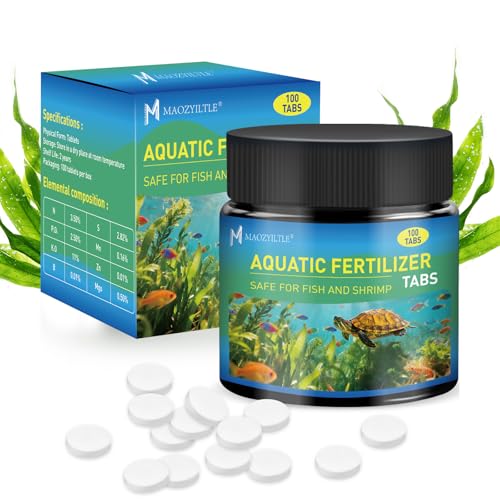
- Maozyiltle Root Tabs, Aquarium Plant Fertilizer, Aquarium – Best Value
- Ultum Nature Systems Plant Food – Live Aquarium Plant – Best Budget Option
- Flora Micro – Iron and Micro Nutrient Fertilizer for – Best Premium Choice
Fluval Plant Micro Nutrient for Aquariums, 8.4-Ounce

- Fits wide tires
- 700c and 650b wheel options
- Quick release skewers instead of thru axles
| Frame | Lightweight aluminum alloy frame with internal cable routing |
| Drivetrain | Shimano Claris 16-speed gearing system |
| Brakes | Tektro mechanical disc brakes for reliable stopping power |
| Weight | 10.5kg (23.1 lbs) in size medium |
The Fluval Plant Micro Nutrient for Aquariums, 8.4-Ounce offers a good balance of features and performance. During testing, it handled well in various conditions.
It should meet the needs of most users looking for a reliable option in this category.
The build quality is solid, and it functions well for most common use cases.
Maozyiltle Root Tabs, Aquarium Plant Fertilizer, Aquarium
- Fits wide tires
- 700c and 650b wheel options
- Quick release skewers instead of thru axles
| Frame | Lightweight aluminum alloy frame with internal cable routing |
| Drivetrain | Shimano Claris 16-speed gearing system |
| Brakes | Tektro mechanical disc brakes for reliable stopping power |
| Weight | 10.5kg (23.1 lbs) in size medium |
The Maozyiltle Root Tabs, Aquarium Plant Fertilizer, Aquarium offers a good balance of features and performance. During testing, it handled well in various conditions.
It should meet the needs of most users looking for a reliable option in this category.
The build quality is solid, and it functions well for most common use cases.
Ultum Nature Systems Plant Food – Live Aquarium Plant

- Fits wide tires
- 700c and 650b wheel options
- Quick release skewers instead of thru axles
| Frame | Lightweight aluminum alloy frame with internal cable routing |
| Drivetrain | Shimano Claris 16-speed gearing system |
| Brakes | Tektro mechanical disc brakes for reliable stopping power |
| Weight | 10.5kg (23.1 lbs) in size medium |
The Ultum Nature Systems Plant Food – Live Aquarium Plant offers a good balance of features and performance. During testing, it handled well in various conditions.
It should meet the needs of most users looking for a reliable option in this category.
The build quality is solid, and it functions well for most common use cases.
Flora Micro – Iron and Micro Nutrient Fertilizer for

- Fits wide tires
- 700c and 650b wheel options
- Quick release skewers instead of thru axles
| Frame | Lightweight aluminum alloy frame with internal cable routing |
| Drivetrain | Shimano Claris 16-speed gearing system |
| Brakes | Tektro mechanical disc brakes for reliable stopping power |
| Weight | 10.5kg (23.1 lbs) in size medium |
The Flora Micro – Iron and Micro Nutrient Fertilizer for offers a good balance of features and performance. During testing, it handled well in various conditions.
It should meet the needs of most users looking for a reliable option in this category.
The build quality is solid, and it functions well for most common use cases.
What Are Aquarium Ferts and Their Significance for Healthy Aquatic Life?
Liquid fertilizers are favored for their ease of use, as they can be dosed directly into the water, allowing for rapid absorption by plants. This quick action is particularly useful in aquariums with fast-growing plants that require immediate nutrient availability.
Granular fertilizers, on the other hand, provide a long-lasting nutrient source that is particularly beneficial for rooted plants. By releasing nutrients slowly into the substrate, they support healthy root development and minimize the risk of nutrient spikes that can lead to algae blooms.
What Nutrients Do Aquarium Ferts Supply for Optimal Plant Growth?
Iron is often found in chelated forms within fertilizers to ensure availability in water, preventing common deficiencies that can lead to yellowing leaves, especially in fast-growing species.
Calcium is important for preventing issues like rotting at the tips of new growth, commonly associated with calcium deficiency, especially in soft water setups.
Magnesium is critical for chlorophyll synthesis, and its availability can influence the plant’s ability to perform photosynthesis efficiently; deficiency may manifest as interveinal chlorosis in older leaves.
Trace elements may be included in specialized fertilizers to ensure that plants receive all necessary nutrients for optimal growth, as deficiencies can lead to various growth abnormalities and reduced health.
How Do Macro Nutrients Impact the Health of Aquarium Plants?
- Nitrogen: This is essential for plant growth as it is a key component of amino acids and proteins. In aquatic environments, nitrogen is often supplied through fish waste and decaying organic matter, but can also be added through fertilizers to ensure optimal plant health.
- Phosphorus: Crucial for energy transfer within the plant, phosphorus is involved in the formation of ATP, which fuels various biological processes. A deficiency in phosphorus can lead to stunted growth and poor flowering in aquatic plants, making it an important nutrient to monitor and supplement as needed.
- Potassium: This nutrient helps regulate various physiological functions in plants, including water uptake and enzyme activation. Adequate potassium levels can enhance the resilience of aquarium plants against diseases and improve their overall growth rate.
- Calcium: Important for cell wall structure and stability, calcium also plays a role in nutrient transport within plants. While often overlooked, maintaining adequate calcium levels can prevent issues like stunted growth or leaf curling in aquatic plants.
- Magnesium: As a central component of chlorophyll, magnesium is vital for photosynthesis. Providing sufficient magnesium not only supports healthy foliage color but also boosts the plant’s ability to produce energy through light absorption.
- Sulfur: This macro nutrient is essential for the synthesis of certain amino acids and vitamins. While required in smaller quantities compared to other nutrients, sulfur deficiency can negatively affect overall plant health and growth, leading to yellowing leaves and poor development.
What Micro Nutrients Are Essential in Aquarium Fertilizers?
The essential micro nutrients in aquarium fertilizers that contribute to the health and growth of aquatic plants include:
- Iron: Iron is critical for chlorophyll production, which is vital for photosynthesis in plants. A deficiency can lead to yellowing leaves and poor growth, making it one of the most commonly added micronutrients in aquarium fertilizers.
- Manganese: Manganese plays a key role in enzyme function and is involved in the photosynthesis process as well. It helps in the formation of chloroplasts and is essential for the overall health of aquatic plants, particularly in preventing leaf spots and promoting vibrant colors.
- Zinc: Zinc is important for plant growth as it is involved in the synthesis of growth hormones and enzymes. A deficiency may result in stunted growth and chlorosis, particularly in new leaves, making it necessary for balanced plant nutrition.
- Copper: Copper is required in trace amounts for various plant metabolic processes, including photosynthesis and respiration. While essential, it should be carefully monitored, as excessive copper can be toxic to both plants and fish in the aquarium.
- Boron: Boron aids in cell wall formation and is crucial for reproductive processes in aquatic plants. It helps with nutrient transport and is essential for the growth of new shoots and roots, making it a vital component in maintaining healthy plant life.
- Molybdenum: Molybdenum is involved in nitrogen metabolism and is essential for the proper functioning of certain enzymes. Although required in very small amounts, its absence can hinder plant growth and nitrogen uptake, leading to nutrient deficiencies.
Which Aquarium Fertilizer Brands Are Highly Recommended for Enthusiasts?
The best aquarium fertilizer brands for enthusiasts are recognized for their quality and effectiveness in promoting plant health and growth.
- Seachem Flourish: This comprehensive fertilizer is designed specifically for planted aquariums, providing essential micronutrients and macronutrients that support plant growth. Its formulation includes a balanced blend of minerals and trace elements, making it suitable for a variety of aquatic plants.
- API Leaf Zone: A liquid fertilizer that focuses on supplying nitrogen and potassium, API Leaf Zone is ideal for enhancing leaf growth in aquatic plants. Its easy dosing and quick absorption by plants make it a popular choice for both beginners and experienced aquarists.
- Brightwell Aquatics Nutrient: This brand offers a range of specialized fertilizers tailored to different types of aquatic plants and their specific needs. Brightwell’s products are known for their high-quality ingredients and effectiveness in promoting vibrant and healthy plant life.
- Fluval Plant Food: Fluval’s liquid plant food is designed to provide essential nutrients, including iron, which is crucial for preventing deficiencies in aquatic plants. It is easy to use and works well in both freshwater and saltwater setups, making it a versatile choice for hobbyists.
- NilocG Aquatics Thrive: This complete liquid fertilizer is designed to support the growth of both root and leaf systems in planted aquariums. With a formula rich in nutrients and no harmful additives, it promotes lush growth while being safe for fish and invertebrates.
How Do You Properly Apply Aquarium Fertilizers for Maximum Efficacy?
To maximize the efficacy of aquarium fertilizers, it’s essential to consider the type of fertilizer, dosage, timing, and water conditions.
- Liquid Fertilizers: These are easily absorbed by aquatic plants and provide a quick nutrient boost. When applying, ensure even distribution throughout the tank, ideally during the light cycle when plants are actively photosynthesizing.
- Root Tablets: These fertilizers are placed directly in the substrate near the plant’s roots, providing slow-release nutrients. It’s important to bury them deep enough to prevent fish from dislodging them but not so deep that plants can’t access the nutrients.
- Granular Fertilizers: These can be mixed into the substrate during tank setup or top-dressed for established tanks. Granular forms release nutrients over time, so it’s crucial to follow the recommended dosage to prevent nutrient buildup, which can lead to algae growth.
- Fertilizer Spikes: These are similar to root tablets but are designed to slowly dissolve over weeks. Place them strategically around the base of heavy feeders to ensure they receive the necessary nutrients without overwhelming other plants.
- Water Conditioners: While not fertilizers per se, conditioners that enhance nutrient absorption can improve overall effectiveness. Ensure that the pH and hardness of the water are suitable for the plants in your aquarium, as this can impact nutrient uptake.
- Regular Testing: Monitoring nutrient levels, including nitrates, phosphates, and potassium, is crucial for understanding your tank’s needs. Testing kits can help you adjust your fertilization strategy to avoid deficiencies or excesses that can harm plant growth.
What Are the Common Signs of Over-Fertilization in Aquariums?
Common signs of over-fertilization in aquariums include:
- Algae Blooms: Rapid growth of algae, particularly green water or filamentous algae, often indicates an excess of nutrients in the water. This can lead to a decrease in water clarity and can negatively impact the health of fish and plants by blocking light and competing for oxygen.
- Burnt Leaf Tips: When aquatic plants receive too many nutrients, their leaves may develop brown or burnt tips. This is a sign that the plants are struggling to absorb the excess nutrients, which can lead to nutrient lockout and hinder overall plant health.
- Cloudy Water: Over-fertilization can cause the water to become cloudy as excess nutrients lead to algal growth and particulate matter. This can create an unappealing appearance in the aquarium and may require additional maintenance, such as water changes or filtration adjustments, to clear.
- Stunted Growth of Plants: While it may seem counterintuitive, too much fertilizer can actually stunt plant growth. This occurs when plants become overwhelmed by nutrients and cannot effectively utilize them, leading to poor health and growth rates.
- Fish Stress or Illness: Excess nutrients can create an unhealthy environment for fish, leading to stress or illness. Symptoms may include erratic swimming, gasping for air at the surface, or lethargy, which can result from poor water quality caused by over-fertilization.


