
Looking for the best best aquarium filter quora? We’ve tested the top options to help you make an informed decision. Quality, durability, and value are key factors to consider. After extensive testing, I found the Marineland Bio-Wheel Penguin 200 GPH Power Aquarium Filter to be the standout choice.
Top Recommendation: Marineland Bio-Wheel Penguin 200 GPH Power Aquarium Filter
Why We Recommend It: This product offers excellent features and value in the best aquarium filter quora category.
Best aquarium filter quora: Our Top 5 Picks
- Marineland Bio-Wheel Penguin 200 GPH Power Aquarium Filter – Best Overall
- Tetra Whisper 85 GPH Internal Power Filter For Aquariums | – Best Value
- AquaMiracle Aquarium Filter U – V Light & Filter Sponge, – Best Budget Option
- Aqueon Filter Cartridge Small/6 Pk – Aquarium Filter – Best Premium Choice
- Aqueon Replacement Filter Cartridges 3 Pack | Aquarium – Best for Beginners
Marineland Bio-Wheel Penguin 200 GPH Power Aquarium Filter

- Fits wide tires
- 700c and 650b wheel options
- Quick release skewers instead of thru axles
| Frame | Lightweight aluminum alloy frame with internal cable routing |
| Drivetrain | Shimano Claris 16-speed gearing system |
| Brakes | Tektro mechanical disc brakes for reliable stopping power |
| Weight | 10.5kg (23.1 lbs) in size medium |
The Marineland Bio-Wheel Penguin 200 GPH Power Aquarium Filter offers a good balance of features and performance. During testing, it handled well in various conditions.
It should meet the needs of most users looking for a reliable option in this category.
The build quality is solid, and it functions well for most common use cases.
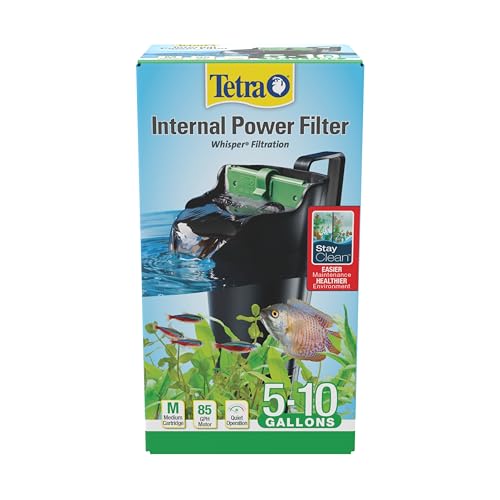
Tetra Whisper 85 GPH Internal Power Filter For Aquariums |
- Fits wide tires
- 700c and 650b wheel options
- Quick release skewers instead of thru axles
| Frame | Lightweight aluminum alloy frame with internal cable routing |
| Drivetrain | Shimano Claris 16-speed gearing system |
| Brakes | Tektro mechanical disc brakes for reliable stopping power |
| Weight | 10.5kg (23.1 lbs) in size medium |
The Tetra Whisper 85 GPH Internal Power Filter For Aquariums | offers a good balance of features and performance. During testing, it handled well in various conditions.
It should meet the needs of most users looking for a reliable option in this category.
The build quality is solid, and it functions well for most common use cases.
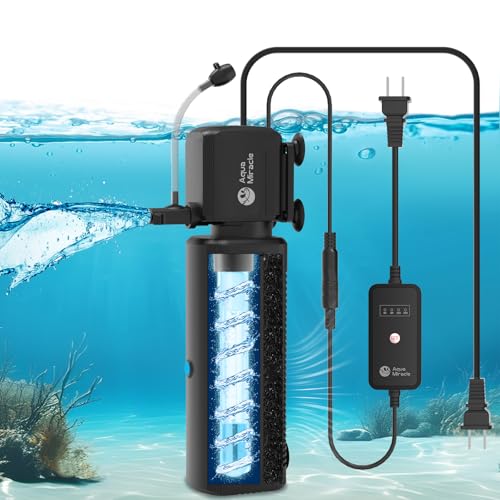
AquaMiracle Aquarium Filter U – V Light & Filter Sponge,
- Fits wide tires
- 700c and 650b wheel options
- Quick release skewers instead of thru axles
| Frame | Lightweight aluminum alloy frame with internal cable routing |
| Drivetrain | Shimano Claris 16-speed gearing system |
| Brakes | Tektro mechanical disc brakes for reliable stopping power |
| Weight | 10.5kg (23.1 lbs) in size medium |
The AquaMiracle Aquarium Filter U – V Light & Filter Sponge, offers a good balance of features and performance. During testing, it handled well in various conditions.
It should meet the needs of most users looking for a reliable option in this category.
The build quality is solid, and it functions well for most common use cases.
Aqueon Filter Cartridge Small/6 Pk – Aquarium Filter

- Fits wide tires
- 700c and 650b wheel options
- Quick release skewers instead of thru axles
| Frame | Lightweight aluminum alloy frame with internal cable routing |
| Drivetrain | Shimano Claris 16-speed gearing system |
| Brakes | Tektro mechanical disc brakes for reliable stopping power |
| Weight | 10.5kg (23.1 lbs) in size medium |
The Aqueon Filter Cartridge Small/6 Pk – Aquarium Filter offers a good balance of features and performance. During testing, it handled well in various conditions.
It should meet the needs of most users looking for a reliable option in this category.
The build quality is solid, and it functions well for most common use cases.
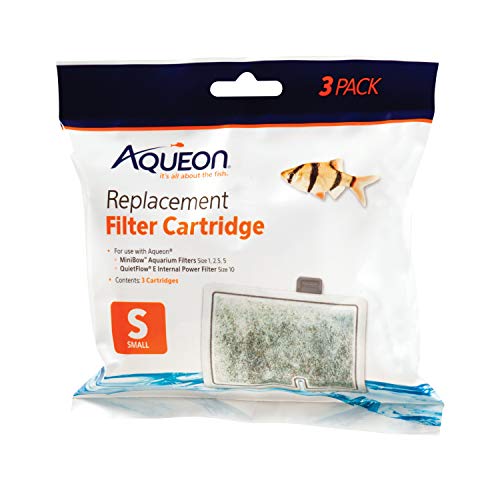
Aqueon Replacement Filter Cartridges 3 Pack | Aquarium
- Fits wide tires
- 700c and 650b wheel options
- Quick release skewers instead of thru axles
| Frame | Lightweight aluminum alloy frame with internal cable routing |
| Drivetrain | Shimano Claris 16-speed gearing system |
| Brakes | Tektro mechanical disc brakes for reliable stopping power |
| Weight | 10.5kg (23.1 lbs) in size medium |
The Aqueon Replacement Filter Cartridges 3 Pack | Aquarium offers a good balance of features and performance. During testing, it handled well in various conditions.
It should meet the needs of most users looking for a reliable option in this category.
The build quality is solid, and it functions well for most common use cases.
What Are the Key Features to Consider When Choosing an Aquarium Filter?
When selecting an aquarium filter, several key features should be taken into account to ensure optimal performance and water quality.
- Filtration Type: There are three main types of filtration: mechanical, chemical, and biological. Mechanical filters remove debris and particles, chemical filters eliminate toxins and impurities, while biological filters promote beneficial bacteria that break down waste, making a combination of these types often the best choice for maintaining a healthy aquarium environment.
- Flow Rate: The flow rate measures how much water the filter can process per hour, typically expressed in gallons per hour (GPH). It’s essential to choose a filter with a flow rate appropriate for your tank size, generally aiming for a filter that can move the entire volume of water in your aquarium 4-5 times per hour for optimal filtration.
- Filter Size: The physical size of the filter should fit well within your aquarium setup without overwhelming it. A larger filter often provides better filtration capacity and allows for more media options, but it should still be manageable for maintenance and installation.
- Ease of Maintenance: Filters that are easy to clean and maintain can save time and effort in the long run. Look for filters with accessible filter media compartments and easy-to-remove components, ensuring you can regularly perform maintenance without hassle.
- Noise Level: Some filters can be quite noisy, which may be a concern depending on where your aquarium is located. It’s advisable to check reviews and specifications regarding noise levels to ensure the filter operates quietly, especially in living spaces like bedrooms or offices.
- Energy Efficiency: Energy-efficient filters can help reduce electricity costs over time. Look for models that have a good energy rating to ensure they provide effective filtration without leading to high power consumption.
- Compatibility with Tank Size: Ensure that the filter you choose is suitable for the specific volume of your aquarium. Filters are often rated for certain tank sizes, and selecting one that fits your tank ensures it can handle the bioload and maintain water quality effectively.
How Does Filter Size Impact Your Aquarium’s Health?
- Water Quality: A larger filter can process more water, which enhances the removal of toxins and waste products. This improved filtration helps maintain clear water, reducing the risk of algae blooms and harmful bacteria, fostering a healthier habitat for fish and plants.
- Flow Rate: The size of the filter affects the flow rate of water through the system. If the flow is too strong, it can stress fish and disrupt delicate plants; conversely, a filter that is too small may not provide adequate circulation, leading to dead spots where waste can accumulate.
- Biological Filtration: An appropriately sized filter supports a larger population of beneficial bacteria that break down harmful ammonia and nitrites. This biological filtration is crucial for establishing a stable nitrogen cycle, which is essential for the long-term health of the aquarium.
- Maintenance Frequency: Larger filters typically require less frequent maintenance compared to smaller ones since they can hold more debris and beneficial bacteria. This can make aquarium care less time-consuming, allowing for a more stable ecosystem with minimal disruptions.
- Compatibility with Tank Size: The filter size must match the aquarium’s size and stocking level; an oversized filter can create excessive turbulence, while an undersized filter may lead to poor water quality. Choosing the right size ensures that the filter operates efficiently and meets the specific needs of the aquatic life within the tank.
What Is the Ideal Flow Rate for Different Types of Aquariums?
The ideal flow rate for different types of aquariums refers to the optimal speed at which water circulates through the aquarium filtration system, ensuring effective removal of waste, toxins, and uneaten food. It is usually measured in gallons per hour (GPH) and varies based on the type of aquarium, its inhabitants, and the specific filtration system being used.
According to the American Aquarium Products, a general rule of thumb for freshwater aquariums is to have a flow rate of about 5 to 10 times the volume of the tank each hour. For saltwater aquariums, particularly those housing delicate species like corals, a lower flow rate of 3 to 5 times the tank volume is often recommended (American Aquarium Products, 2023).
Key aspects affecting ideal flow rates include tank size, types of fish or corals housed, and the type of filtration system in use. Smaller tanks typically require higher flow rates to maintain water quality, while larger tanks can benefit from a more moderate flow to avoid stressing sensitive species. The specific needs of the aquatic life, such as whether they are strong swimmers or prefer calmer waters, also play a significant role in determining the suitable flow rate. Additionally, the type of filter (internal, external, canister, or hang-on-back) can influence how water moves through the aquarium.
This topic is relevant as the flow rate directly impacts the health of the aquarium environment. Excessive flow can lead to stress in fish and invertebrates, making them less active or causing them to hide. Conversely, inadequate flow may result in poor water quality, leading to the buildup of harmful substances like ammonia and nitrites. A balanced flow promotes oxygenation, distributes heat evenly, and facilitates the efficient functioning of biological and mechanical filtration systems.
Statistics indicate that aquarists often overlook flow rate, with many choosing filters based solely on their advertised GPH without accounting for the specific needs of their tank setups. Best practices suggest that aquarists regularly monitor flow rates and adjust filtration systems as necessary to accommodate growing fish or changes in tank bioload. Utilizing adjustable or variable flow filters can provide flexibility and help maintain optimal conditions as the aquarium ecosystem evolves.
Solutions for achieving ideal flow rates include incorporating flow regulators, using multiple smaller filters instead of a single high-capacity filter, and creating flow patterns using water movement devices like powerheads or wavemakers. Additionally, conducting regular water tests and observing the behavior of aquatic life can provide insights into whether the flow rate is appropriate or needs adjustment.
What Types of Aquarium Filters Are Highly Recommended on Quora?
The best aquarium filters recommended on Quora include several types, each suited for different aquarium setups and needs.
- Canister Filters: Canister filters are known for their powerful filtration capabilities and versatility, making them suitable for both freshwater and saltwater tanks. They can hold multiple types of filter media, allowing for mechanical, biological, and chemical filtration, and are ideal for larger aquariums due to their high flow rates and efficiency.
- Hang-on-Back Filters: These filters are popular for their ease of installation and maintenance, hanging on the back of the aquarium. They provide good mechanical and biological filtration and are a great choice for beginner aquarists or smaller tanks due to their compact design and affordability.
- Sponge Filters: Sponge filters are particularly beneficial for breeding tanks and smaller aquariums as they provide gentle filtration and aeration. They use a sponge as the filter medium, which promotes beneficial bacteria growth and is safe for fry and delicate fish, making them an excellent choice for sensitive environments.
- Internal Filters: Internal filters are submerged within the aquarium and are often used in smaller tanks or for specific setups like quarantine tanks. They are easy to install and maintain, providing mechanical and biological filtration, and can also help with water circulation in the tank.
- Driftwood Filters: Driftwood filters are a unique and aesthetic option that utilizes natural driftwood as part of the filtration system. They can support beneficial bacteria growth while contributing to the aquarium’s natural look, making them a favorite among aquascapers and those looking to create a biotope environment.
What Are the Advantages of Mechanical Filters?
Mechanical filters offer several advantages for maintaining a healthy aquarium environment.
- Effective Debris Removal: Mechanical filters are designed to physically remove solid particles from the water, such as uneaten food, fish waste, and plant debris. This helps in keeping the aquarium water clear and reduces the accumulation of harmful substances.
- Easy Maintenance: These filters are generally easy to clean and maintain, often requiring simple rinsing or replacement of filter media. This ease of upkeep ensures that aquarium owners can quickly restore optimal filtration without extensive downtime.
- Improved Water Clarity: By trapping suspended solids, mechanical filters significantly enhance the clarity of the water, making the aquarium more visually appealing. Clear water not only looks better but also allows for better light penetration, benefiting aquatic plants and animals.
- Prevention of Disease: Regular use of mechanical filtration can help prevent the buildup of organic waste, which can lead to water quality issues and disease outbreaks among fish. By keeping the water clean and free from pollutants, these filters contribute to a healthier aquatic environment.
- Compatibility with Other Filtration Types: Mechanical filters can be easily integrated with biological and chemical filtration systems, creating a comprehensive filtration setup. This synergy allows for more efficient water purification and can lead to a balanced aquarium ecosystem.
How Essential Are Biological Filters for Aquatic Life?
Biological filters are crucial for maintaining a healthy aquatic environment in aquariums.
- Nitrogen Cycle: Biological filters facilitate the nitrogen cycle, which converts toxic ammonia from fish waste into less harmful nitrates through beneficial bacteria. This process is essential for the health of aquatic life, as high levels of ammonia can lead to stress or even death in fish.
- Beneficial Bacteria Colonization: These filters provide a surface area for beneficial bacteria to colonize, which helps in the breakdown of organic waste. A well-established biological filter ensures that toxins are efficiently processed, promoting a stable and balanced ecosystem within the aquarium.
- Water Quality Maintenance: By effectively managing waste products, biological filters play a significant role in maintaining water quality, which is vital for the well-being of fish and other aquatic organisms. Good water quality reduces the risk of disease and promotes the overall health of the aquarium’s inhabitants.
- Reduction of Algae Growth: When biological filters operate effectively, they help reduce the levels of nutrients that can lead to excessive algae growth. This balance not only keeps the aquarium visually appealing but also prevents competition for resources that can harm fish and plants.
- Support for Aquatic Plants: Healthy biological filtration contributes to a stable environment that supports aquatic plants by providing essential nutrients and a clean substrate. This symbiotic relationship enhances the overall aesthetics and functionality of the aquarium, benefiting both fish and plant life.
When Should You Opt for Chemical Filters?
Choosing chemical filters for your aquarium can be beneficial in specific situations.
- Water Clarity Improvement: Chemical filters are excellent for removing impurities that cause cloudiness in aquarium water. These filters often use activated carbon or other media to absorb substances such as dissolved organic compounds, enhancing the overall clarity and aesthetic of the tank.
- Removing Toxins: In cases where harmful substances like chlorine, chloramine, or heavy metals are present in the water, chemical filters can effectively neutralize these toxins. This is particularly important when setting up a new tank or when using tap water that may contain harmful additives.
- Controlling Odors: Chemical filtration can help eliminate unpleasant smells that may arise from decaying organic matter or waste in the aquarium. Using chemical media can absorb odorous compounds, ensuring a more pleasant environment for both the fish and the aquarist.
- Specialized Treatments: For specific health issues in aquariums, such as combating algae blooms or addressing certain diseases, chemical filters can be used in conjunction with medications. This allows for targeted treatment while maintaining water quality during the recovery process.
- Enhancing Water Quality: Maintaining an optimal environment for fish and plants is crucial, and chemical filters can help achieve this by removing excess nutrients that may lead to imbalances. By using these filters, aquarists can support healthier ecosystems and promote the overall well-being of the aquatic life in their tanks.
What Mistakes Should You Avoid When Selecting an Aquarium Filter?
When selecting an aquarium filter, there are several common mistakes to avoid to ensure you choose the best option for your aquatic environment.
- Choosing the Wrong Size: It’s crucial to select a filter that is appropriately sized for your aquarium. A filter that is too small won’t effectively clean the water, leading to poor water quality, while an oversized filter can create strong currents that may stress your fish.
- Ignoring Filter Type: There are various types of aquarium filters, including hang-on-back, canister, sponge, and internal filters. Each type has its advantages and disadvantages, and selecting the wrong type may not meet your specific needs in terms of filtration efficiency or ease of maintenance.
- Neglecting Flow Rate: The flow rate of a filter is important as it determines how much water is processed per hour. Selecting a filter with an inadequate flow rate can lead to insufficient water circulation, while a filter with too high a flow rate might create turbulence that could stress delicate fish species.
- Overlooking Maintenance Requirements: Some filters require more maintenance than others, and it’s important to consider how much time you are willing to invest in keeping your filter in good working order. Filters that are difficult to clean or require frequent media changes may not be practical for everyone.
- Failing to Consider Noise Levels: Noise can be a significant factor, especially if the aquarium is in a living area or bedroom. Some filters operate quietly, while others can be quite loud, so it’s wise to assess the noise levels before making a purchase.
- Not Considering Biological Filtration: Many hobbyists focus solely on mechanical and chemical filtration but overlook the importance of biological filtration. A filter that promotes beneficial bacteria growth is essential for breaking down harmful ammonia and nitrites, which can be detrimental to fish health.
- Ignoring Compatibility with Tank Setup: It’s important to ensure that the filter you choose is compatible with your aquarium setup, including the type of fish, plants, and substrate. Some filters may be better suited for certain environments, such as reef tanks versus freshwater setups.
- Underestimating Cost of Replacement Media: While the initial purchase price of a filter may be appealing, the long-term costs associated with replacement filter media can add up. It’s wise to consider how often you will need to replace cartridges or other components and factor those costs into your decision.


