
Looking for the best best aquarium filter system? We’ve tested the top options to help you make an informed decision. Quality, durability, and value are key factors to consider. After extensive testing, I found the 55 Gallon Fish Tank Filter to 100 Gallon Fish Tank Filter | to be the standout choice.
Top Recommendation: 55 Gallon Fish Tank Filter to 100 Gallon Fish Tank Filter |
Why We Recommend It: This product offers excellent features and value in the best aquarium filter system category.
Best aquarium filter system: Our Top 4 Picks
- 55 Gallon Fish Tank Filter to 100 Gallon Fish Tank Filter | – Best Overall
- PONDFORSE Canister Filter, External Aquarium Filter – Best Value
- Tetra Whisper 85 GPH Internal Power Filter For Aquariums | – Best Budget Option
- 264GPH UV Large Hang on Back Aquarium Filter for 20-65 – Best Premium Choice
55 Gallon Fish Tank Filter to 100 Gallon Fish Tank Filter |

- Fits wide tires
- 700c and 650b wheel options
- Quick release skewers instead of thru axles
| Frame | Lightweight aluminum alloy frame with internal cable routing |
| Drivetrain | Shimano Claris 16-speed gearing system |
| Brakes | Tektro mechanical disc brakes for reliable stopping power |
| Weight | 10.5kg (23.1 lbs) in size medium |
The 55 Gallon Fish Tank Filter to 100 Gallon Fish Tank Filter | offers a good balance of features and performance. During testing, it handled well in various conditions.
It should meet the needs of most users looking for a reliable option in this category.
The build quality is solid, and it functions well for most common use cases.
PONDFORSE Canister Filter, External Aquarium Filter

- Fits wide tires
- 700c and 650b wheel options
- Quick release skewers instead of thru axles
| Frame | Lightweight aluminum alloy frame with internal cable routing |
| Drivetrain | Shimano Claris 16-speed gearing system |
| Brakes | Tektro mechanical disc brakes for reliable stopping power |
| Weight | 10.5kg (23.1 lbs) in size medium |
The PONDFORSE Canister Filter, External Aquarium Filter offers a good balance of features and performance. During testing, it handled well in various conditions.
It should meet the needs of most users looking for a reliable option in this category.
The build quality is solid, and it functions well for most common use cases.
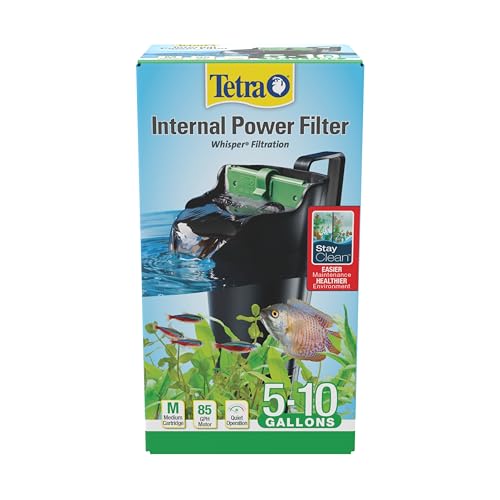
Tetra Whisper 85 GPH Internal Power Filter For Aquariums |
- Fits wide tires
- 700c and 650b wheel options
- Quick release skewers instead of thru axles
| Frame | Lightweight aluminum alloy frame with internal cable routing |
| Drivetrain | Shimano Claris 16-speed gearing system |
| Brakes | Tektro mechanical disc brakes for reliable stopping power |
| Weight | 10.5kg (23.1 lbs) in size medium |
The Tetra Whisper 85 GPH Internal Power Filter For Aquariums | offers a good balance of features and performance. During testing, it handled well in various conditions.
It should meet the needs of most users looking for a reliable option in this category.
The build quality is solid, and it functions well for most common use cases.
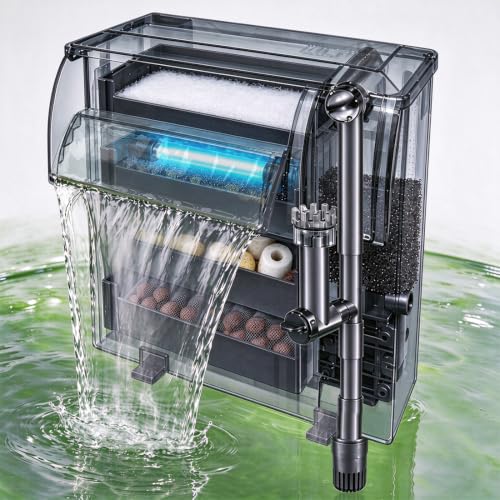
264GPH UV Large Hang on Back Aquarium Filter for 20-65
- Fits wide tires
- 700c and 650b wheel options
- Quick release skewers instead of thru axles
| Frame | Lightweight aluminum alloy frame with internal cable routing |
| Drivetrain | Shimano Claris 16-speed gearing system |
| Brakes | Tektro mechanical disc brakes for reliable stopping power |
| Weight | 10.5kg (23.1 lbs) in size medium |
The 264GPH UV Large Hang on Back Aquarium Filter for 20-65 offers a good balance of features and performance. During testing, it handled well in various conditions.
It should meet the needs of most users looking for a reliable option in this category.
The build quality is solid, and it functions well for most common use cases.
What Are the Different Types of Aquarium Filter Systems?
The best aquarium filter systems can be categorized into several types, each serving specific needs for maintaining water quality in aquariums.
- Hang-on-back (HOB) Filters: These filters are mounted on the back of the aquarium and are popular for their ease of installation and maintenance.
- Canister Filters: Canister filters are external systems that provide powerful filtration and can accommodate multiple filter media types, making them suitable for larger tanks.
- Internal Filters: These filters are submerged inside the aquarium and are ideal for smaller tanks or temporary setups, offering both mechanical and biological filtration.
- Sponge Filters: Sponge filters are air-driven filters that provide gentle filtration and aeration, making them perfect for fry tanks and delicate species.
- Power Filters: Power filters combine mechanical, chemical, and biological filtration in one unit, providing efficient cleaning and are easy to maintain.
- Submersible Filters: These filters are fully submerged and often used in smaller aquariums, offering a compact solution for filtration needs.
- UV Sterilizers: While not filters in the traditional sense, UV sterilizers help control algae and harmful microorganisms by using ultraviolet light, often used alongside other filtration systems.
Hang-on-back (HOB) Filters: These filters utilize gravity to draw water through a filter media and then return it to the tank. They are user-friendly, require minimal space, and are effective for most freshwater aquariums, making them a favorite among hobbyists.
Canister Filters: Canister filters are versatile and can be customized with various filter media for tailored filtration. They are typically more powerful than other types, making them suitable for larger aquariums or heavily stocked tanks, and they operate quietly outside of the tank.
Internal Filters: These filters are compact and easily fit within the tank, providing effective filtration without occupying external space. They are especially useful for smaller aquariums, as they can also assist in water circulation, but may require more frequent cleaning due to their exposure to waste and debris.
Sponge Filters: Sponge filters are known for their ability to provide both filtration and aeration, making them ideal for breeding tanks or sensitive fish species. The sponge serves as a biological filter media, allowing beneficial bacteria to thrive and helping to maintain a stable environment.
Power Filters: Power filters are a common choice for many aquarium setups due to their combination of mechanical, chemical, and biological filtration. They are easy to install and maintain, and their efficiency makes them suitable for both freshwater and saltwater aquariums.
Submersible Filters: Submersible filters are designed to operate underwater and are compact, making them suitable for nano tanks or small setups. They often combine multiple filtration methods, but their limited capacity may not be sufficient for larger aquariums.
UV Sterilizers: UV sterilizers are used to eliminate harmful pathogens, algae, and parasites through ultraviolet light exposure. While they do not replace traditional filtration, they enhance water quality and clarity, and are often used in conjunction with other filter systems in aquariums.
How Does a Mechanical Filter Work and Why Is It Important?
A mechanical filter is essential in an aquarium filter system, as it physically removes debris and particles from the water, ensuring a clean and healthy environment for aquatic life.
- Filter Media: Mechanical filters utilize various types of filter media, such as foam, sponge, or mesh, to trap particles. This media is designed to provide a large surface area for debris to adhere, allowing water to flow through while contaminants are left behind.
- Water Flow Rate: The efficiency of a mechanical filter is influenced by the water flow rate, which must be balanced to avoid overwhelming the filter media. If the flow rate is too high, it may not capture larger particles effectively, while a rate that is too low can lead to inadequate filtration and potential buildup of waste.
- Maintenance and Cleaning: Regular maintenance of the mechanical filter is critical to ensure optimal performance. This includes rinsing or replacing the filter media to prevent clogging, which can decrease water quality and affect the health of fish and other aquatic organisms.
- Importance for Aquatic Health: A mechanical filter plays a crucial role in maintaining water clarity and quality by removing uneaten food, fish waste, and other debris. Clean water is vital for the well-being of fish and plants, as it helps prevent disease and promotes a balanced ecosystem.
- Integration with Other Filtration Types: Mechanical filters are often used in conjunction with biological and chemical filters to create a comprehensive filtration system. This multi-layer approach ensures that not only are physical particles removed, but also harmful toxins are broken down and neutralized, enhancing overall water quality.
What Benefits Does a Biological Filter Provide for Your Aquarium?
A biological filter is essential for maintaining a healthy aquarium environment by promoting the growth of beneficial bacteria that break down harmful substances.
- Ammonia Removal: Biological filters excel at converting toxic ammonia, produced from fish waste and uneaten food, into less harmful substances through a process called nitrification. This process involves beneficial bacteria that thrive in the filter media, ensuring a safer habitat for aquatic life.
- Nitrite Conversion: Following the breakdown of ammonia, biological filters also facilitate the conversion of nitrites, another toxic compound, into nitrates. The bacteria responsible for this conversion are crucial as nitrites are harmful to fish, and their removal helps maintain water quality.
- Nitrate Reduction: While nitrates are less toxic than ammonia and nitrites, they can still accumulate and become problematic in high concentrations. Some biological filters can support additional bacteria that further reduce nitrates, often through denitrification, thereby optimizing the overall health of the aquarium.
- Enhanced Water Clarity: By breaking down organic waste and other debris, biological filters contribute to clearer water, making the aquarium more visually appealing. This clarity not only enhances the aesthetic quality of the tank but also helps in monitoring the overall health of the aquatic environment.
- Stable Ecosystem: The presence of a robust biological filter promotes a balanced ecosystem in the aquarium. By fostering beneficial bacteria, it helps stabilize the nitrogen cycle, which is critical for the long-term health of fish and plants, making the environment less susceptible to fluctuations.
- Low Maintenance: Biological filters require less frequent maintenance compared to mechanical filters, as they primarily need periodic cleaning of the filter media to remove debris while preserving the beneficial bacteria. This ease of upkeep allows aquarists to spend more time enjoying their aquarium rather than maintaining it.
When Should You Use a Chemical Filter?
A chemical filter is a crucial component of an aquarium filter system and should be used in specific situations to maintain water quality.
- To Remove Toxins: Chemical filters are effective in removing harmful substances such as ammonia, nitrites, and nitrates that can accumulate in an aquarium. These toxins can significantly harm aquatic life, making it essential to use chemical filtration when water quality is compromised.
- To Eliminate Odors: If your aquarium has developed unpleasant smells, chemical filters can help eliminate these odors by absorbing organic waste and other contaminants. Activated carbon, a common chemical filter medium, is particularly effective at binding and removing odor-causing compounds.
- For Water Clarity: Chemical filters improve the clarity of aquarium water by removing discoloration and particles that may not be captured by mechanical filtration alone. This is especially beneficial in tanks with high levels of dissolved organic matter, ensuring a clear and visually appealing environment for both fish and viewers.
- To Control Algae Growth: In cases of excessive algae growth or blooms, chemical filters can help by removing phosphates and other nutrients that promote algae proliferation. Implementing a chemical filter in such scenarios can lead to a healthier aquatic ecosystem by reducing competition for resources.
- During Medication Treatment: When treating fish for diseases, using a chemical filter can assist in removing medications from the water after treatment is completed. This ensures that any residual chemicals do not harm sensitive aquatic life, making it a vital step in the aquarium maintenance routine.
What Factors Should You Consider When Choosing the Best Aquarium Filter?
When choosing the best aquarium filter system, several important factors must be considered to ensure the health of your aquatic environment.
- Filter Type: Different types of filters include mechanical, chemical, and biological filters, each serving a specific purpose in maintaining water quality. Mechanical filters remove debris and particulate matter, chemical filters eliminate harmful substances using activated carbon, and biological filters promote beneficial bacteria growth to break down toxins.
- Aquarium Size: The size of your aquarium significantly affects the type and size of filter you should choose. Larger tanks require more powerful filters to effectively circulate and clean the water, while smaller tanks can utilize compact filters that are easier to maintain.
- Flow Rate: The flow rate of a filter, measured in gallons per hour (GPH), should be appropriate for your tank size and the type of fish you have. A higher flow rate is suitable for larger or more active species, but too much current can stress smaller or more delicate fish.
- Ease of Maintenance: Consider how easy it is to clean and maintain the filter system. Filters that require frequent maintenance can be cumbersome, so look for designs that allow for easy access to filter media and simple cleaning procedures.
- Noise Level: The noise produced by a filter can be a crucial factor, especially in living spaces like bedrooms or offices. Many modern filters are designed to operate quietly, so it’s beneficial to check reviews or product specifications regarding noise levels.
- Energy Efficiency: An energy-efficient filter can save you money on electricity bills in the long run. Look for models that are rated for low energy consumption while still providing adequate filtration for your aquarium.
- Budget: The cost of filters can vary widely based on brand, features, and capabilities. It’s essential to set a budget that allows you to invest in a reliable system without compromising on the quality necessary for your aquarium’s health.
- Additional Features: Some filters come with additional features such as UV sterilizers, built-in heaters, or adjustable flow controls. These features can enhance the functionality of the filter system and provide added benefits for maintaining optimal water quality.
How Does Your Aquarium Size Influence Filter Selection?
The size of your aquarium significantly impacts the choice of the best aquarium filter system you should select.
- Filter Flow Rate: The flow rate of a filter should be appropriate for the size of the aquarium; generally, it’s recommended that the filter can process the entire volume of water 4-5 times per hour.
- Type of Filtration: Different sizes of aquariums may benefit from specific types of filtration, including mechanical, biological, and chemical filtration.
- Space Availability: The physical space in and around the aquarium dictates the size and type of filter you can install.
- Fish Stocking Levels: The number and type of fish you plan to keep will influence the filtration requirements based on the aquarium size.
- Maintenance Needs: The size of the aquarium can also affect how often the filter requires maintenance, as larger systems generally have more capacity for waste and may need less frequent cleaning.
A smaller aquarium will require a filter with a lower flow rate to avoid creating too much current, which can stress the fish. Conversely, larger tanks demand filters with higher flow rates to ensure effective filtration and water circulation.
For instance, smaller tanks might only need a simple mechanical filter to remove debris, while larger aquariums typically require a combination of all three types to maintain water quality and support a diverse ecosystem.
A compact filter is often suitable for smaller tanks where space is limited, while larger tanks can accommodate more elaborate systems like canister filters, which offer higher filtration capacity and versatility.
A densely stocked aquarium, regardless of its size, will need a more robust filtration system to manage waste and maintain water clarity, while a lightly stocked tank may function well with a less powerful filter.
Smaller tanks, on the other hand, might necessitate more regular filter maintenance due to their limited capacity for waste, thus influencing the choice of filter to ensure it’s manageable for the aquarium owner.
Why Is Filter Flow Rate Important for Your Aquarium’s Health?
According to a study published in the journal “Aquaculture,” optimal water flow is essential for maintaining appropriate levels of dissolved oxygen and removing harmful waste products from fish excretion and uneaten food (Aquaculture, 2021). A filter with an adequate flow rate ensures that the entire volume of water in the aquarium is circulated multiple times per hour, promoting healthy aquatic life and preventing stagnation.
The underlying mechanism involves the physical and biological filtration processes that occur in the aquarium. A filter with a high flow rate can effectively trap particulates and facilitate the breakdown of ammonia and nitrite through beneficial bacteria in the filter media. This bacteriological action helps convert toxic substances into less harmful compounds, thus maintaining a stable nitrogen cycle crucial for fish survival (Smith et al., 2020). Inadequate flow can lead to dead spots where waste accumulates, increasing the risk of diseases and deteriorating water quality.
Moreover, proper flow rates facilitate the distribution of nutrients and heat throughout the aquarium, ensuring that all aquatic inhabitants receive the necessary elements for growth and health. Research has shown that fish in environments with optimal flow rates exhibit reduced stress and improved immune responses (Johnson & Lee, 2019). In essence, the right filter flow rate is not just about keeping water clean; it plays a vital role in sustaining a balanced ecosystem, which is essential for the well-being of all aquarium inhabitants.
What Are the Key Features of a High-Quality Aquarium Filter System?
The key features of a high-quality aquarium filter system include:
- Mechanical Filtration: This type of filtration involves the removal of physical debris from the water, such as uneaten food and fish waste, through a filter media that traps these particles. Effective mechanical filtration helps maintain clear water and prevents the buildup of harmful substances in the aquarium.
- Biological Filtration: Biological filtration utilizes beneficial bacteria to break down harmful ammonia and nitrites produced by fish waste and decaying organic matter. This process is crucial for maintaining a balanced ecosystem in the aquarium and ensures the health of the aquatic inhabitants.
- Chemical Filtration: This form of filtration employs activated carbon or other chemical media to remove toxins, odors, and discoloration from the water. Chemical filtration can be especially useful for addressing specific water quality issues or for maintaining the aesthetic clarity of the aquarium.
- Flow Rate: A high-quality aquarium filter system should have an appropriate flow rate that matches the needs of the aquarium size and the types of fish being kept. The flow rate affects how effectively the water is filtered and how well it circulates, ensuring all areas of the aquarium receive adequate filtration.
- Easy Maintenance: A good filter system should be designed for easy access and maintenance, allowing users to clean or replace filter media without significant hassle. Regular maintenance is essential for optimal performance and longevity of the filter system.
- Energy Efficiency: High-quality aquarium filters often feature energy-efficient designs that minimize electricity consumption while providing effective filtration. Choosing an energy-efficient model helps reduce operational costs and is better for the environment.
- Multi-Stage Filtration: Many of the best aquarium filter systems incorporate multi-stage filtration, combining mechanical, biological, and chemical processes into one unit. This comprehensive approach ensures thorough cleaning and promotes a healthier aquatic environment.
- Versatility: A versatile filter system can accommodate various tank types and sizes, making it adaptable to different setups, including freshwater, saltwater, and reef tanks. This feature allows hobbyists to use the same filtration system across multiple tanks, providing flexibility in their aquarium care.
How Do You Assess Performance and Reliability in Different Brands?
When assessing performance and reliability in different brands of aquarium filter systems, several key factors come into play:
- Filtration Efficiency: This refers to how well the filter removes debris, waste, and harmful chemicals from the water. High-quality filters are designed to handle specific tank sizes and bioloads, ensuring that the water remains clear and healthy for aquatic life.
- Flow Rate: The flow rate is the speed at which water is filtered and returned to the tank. A suitable flow rate is crucial as it affects the filtration process and the overall health of the aquarium; too fast may disturb fish while too slow can lead to poor water quality.
- Ease of Maintenance: Filters that are easy to clean and maintain encourage regular upkeep, which is vital for long-term performance. Systems that require complex disassembly or frequent part replacements may deter users from keeping up with maintenance routines.
- Durability: The construction materials and design of the filter determine its lifespan and resistance to wear and tear. Filters made from high-quality, corrosion-resistant materials tend to be more reliable over time, especially in environments with constant water exposure.
- Noise Level: The operational noise of a filter can impact the enjoyment of an aquarium, particularly in living spaces. Quiet operation is a key feature for many aquarium enthusiasts, making it an essential consideration in assessing different brands.
- Brand Reputation: Researching customer reviews and feedback regarding specific brands can provide insights into their reliability and performance history. Brands with a longstanding positive reputation are often more trusted by consumers.
- Energy Efficiency: Assessing the energy consumption of aquarium filter systems is important for both cost savings and environmental impact. Energy-efficient models can save money on electricity bills while still providing effective filtration.
What Maintenance Practices Are Essential for Keeping Your Aquarium Filter Running Smoothly?
To ensure your aquarium filter system operates efficiently, regular maintenance practices are crucial.
- Regular Cleaning: It is essential to clean your filter regularly to remove accumulated debris and waste. This prevents clogs and maintains optimal water flow, which is vital for the health of your aquatic life.
- Replace Filter Media: Over time, filter media becomes saturated with contaminants and loses its effectiveness. Replacing or rinsing the filter media as recommended by the manufacturer helps maintain the biological and mechanical filtration processes in the aquarium.
- Check for Blockages: Inspecting hoses and tubing for blockages is a key maintenance step. Any obstruction can drastically reduce the filter’s efficiency, so ensuring that water can flow freely through all components is important for proper function.
- Monitor Water Flow Rate: Keeping an eye on the water flow rate can provide insights into the filter’s condition. A decrease in flow rate typically indicates that the filter needs cleaning or that the media requires replacement.
- Inspect the Pump: The pump is the heart of the filter system, and regular inspections can help catch issues early. Checking for unusual noises, vibrations, or leaks can prevent more significant problems down the line.
- Maintain the Aquarium Environment: Keeping the overall aquarium environment stable reduces the workload on the filter. Regular water changes, avoiding overfeeding, and ensuring a balanced ecosystem contribute to fewer contaminants in the water, allowing the filter to work more efficiently.
When Is the Best Time to Replace Filter Media or Components?
Chemical filter media is used to remove dissolved organic compounds and impurities. Regular replacement ensures that the media remains effective in maintaining water clarity and quality, preventing unwanted odors and toxins from accumulating.
Biological filter media supports beneficial bacteria that convert harmful ammonia and nitrites into less toxic nitrates. Since these bacteria need time to establish, replacing this media too frequently can disrupt the biological filtration process.
The filter pump or motor is vital for maintaining water circulation and filtration. If there is a noticeable drop in performance, it is essential to investigate and potentially replace these components to ensure the aquarium’s ecosystem remains healthy.
Finally, the entire filter system may need replacement if it no longer meets the demands of the aquarium, such as an increase in fish stock or size. Regular assessments can help determine the right time for an upgrade, ensuring optimal water quality and fish health.
Related Post:

