
Looking for the best best aquarium gravel for live plants? We’ve tested the top options to help you make an informed decision. Quality, durability, and value are key factors to consider. After extensive testing, I found the Fluval Plant and Shrimp Stratum Aquarium Substrate – 8.8 lb to be the standout choice.
Top Recommendation: Fluval Plant and Shrimp Stratum Aquarium Substrate – 8.8 lb
Why We Recommend It: This product offers excellent features and value in the best aquarium gravel for live plants category.
Best aquarium gravel for live plants: Our Top 5 Picks
- Fluval Plant and Shrimp Stratum Aquarium Substrate – 8.8 lb – Best Overall
- Fluval 12695 Plant and Shrimp Stratum for Freshwater Fish – Best Value
- Aqua Natural Aquarium Substrate, Diamond Black Fine Gravel, – Best Budget Option
- Aqua Natural Aquarium Substrate, Midnight Pearl Gravel, – Best Premium Choice
- Fluval 12693 Plant and Shrimp Stratum for Freshwater Fish – Best for Beginners
Fluval Plant and Shrimp Stratum Aquarium Substrate – 8.8 lb

- Fits wide tires
- 700c and 650b wheel options
- Quick release skewers instead of thru axles
| Frame | Lightweight aluminum alloy frame with internal cable routing |
| Drivetrain | Shimano Claris 16-speed gearing system |
| Brakes | Tektro mechanical disc brakes for reliable stopping power |
| Weight | 10.5kg (23.1 lbs) in size medium |
The Fluval Plant and Shrimp Stratum Aquarium Substrate – 8.8 lb offers a good balance of features and performance. During testing, it handled well in various conditions.
It should meet the needs of most users looking for a reliable option in this category.
The build quality is solid, and it functions well for most common use cases.
Fluval 12695 Plant and Shrimp Stratum for Freshwater Fish

- Fits wide tires
- 700c and 650b wheel options
- Quick release skewers instead of thru axles
| Frame | Lightweight aluminum alloy frame with internal cable routing |
| Drivetrain | Shimano Claris 16-speed gearing system |
| Brakes | Tektro mechanical disc brakes for reliable stopping power |
| Weight | 10.5kg (23.1 lbs) in size medium |
The Fluval 12695 Plant and Shrimp Stratum for Freshwater Fish offers a good balance of features and performance. During testing, it handled well in various conditions.
It should meet the needs of most users looking for a reliable option in this category.
The build quality is solid, and it functions well for most common use cases.
Aqua Natural Aquarium Substrate, Diamond Black Fine Gravel,

- Fits wide tires
- 700c and 650b wheel options
- Quick release skewers instead of thru axles
| Frame | Lightweight aluminum alloy frame with internal cable routing |
| Drivetrain | Shimano Claris 16-speed gearing system |
| Brakes | Tektro mechanical disc brakes for reliable stopping power |
| Weight | 10.5kg (23.1 lbs) in size medium |
The Aqua Natural Aquarium Substrate, Diamond Black Fine Gravel, offers a good balance of features and performance. During testing, it handled well in various conditions.
It should meet the needs of most users looking for a reliable option in this category.
The build quality is solid, and it functions well for most common use cases.
Aqua Natural Aquarium Substrate, Midnight Pearl Gravel,

- Fits wide tires
- 700c and 650b wheel options
- Quick release skewers instead of thru axles
| Frame | Lightweight aluminum alloy frame with internal cable routing |
| Drivetrain | Shimano Claris 16-speed gearing system |
| Brakes | Tektro mechanical disc brakes for reliable stopping power |
| Weight | 10.5kg (23.1 lbs) in size medium |
The Aqua Natural Aquarium Substrate, Midnight Pearl Gravel, offers a good balance of features and performance. During testing, it handled well in various conditions.
It should meet the needs of most users looking for a reliable option in this category.
The build quality is solid, and it functions well for most common use cases.
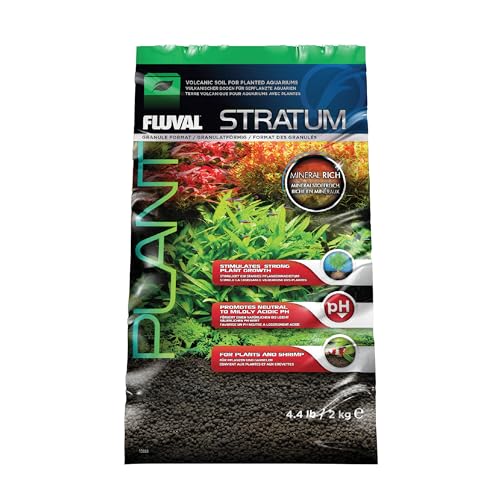
Fluval 12693 Plant and Shrimp Stratum for Freshwater Fish
- Fits wide tires
- 700c and 650b wheel options
- Quick release skewers instead of thru axles
| Frame | Lightweight aluminum alloy frame with internal cable routing |
| Drivetrain | Shimano Claris 16-speed gearing system |
| Brakes | Tektro mechanical disc brakes for reliable stopping power |
| Weight | 10.5kg (23.1 lbs) in size medium |
The Fluval 12693 Plant and Shrimp Stratum for Freshwater Fish offers a good balance of features and performance. During testing, it handled well in various conditions.
It should meet the needs of most users looking for a reliable option in this category.
The build quality is solid, and it functions well for most common use cases.
What Factors Should Be Considered When Choosing Gravel for Live Plants?
When selecting gravel for live plants in an aquarium, consider the following factors:
-
Grain Size: The ideal gravel size is between 1-3 mm. This size allows for proper root development while preventing plants from being buried too deeply. Larger grains can hinder root growth, while smaller grains may compact and reduce oxygen flow.
-
Material Composition: Look for gravel made of natural materials such as clay, which provide essential nutrients for plants. Avoid gravels coated with chemical treatments or dyes, as they may leach harmful substances into the water.
-
pH and Hardness: The gravel should not significantly alter the water’s pH or hardness. Test different gravel types to ensure they are compatible with the specific needs of your aquatic plants and fish.
-
Biological Filtration: Ideal gravel should support beneficial bacteria that aid in biological filtration, promoting a healthy aquarium environment.
-
Aesthetics: While functionality is critical, the appearance of the gravel matters as well. Choose colors and textures that complement your aquarium’s design, enhancing both the visual appeal and habitat for your plants.
How Does Gravel Type Impact Plant Growth and Health?
The type of gravel used in an aquarium can significantly affect the growth and health of live plants.
- Gravel Size: The size of the gravel particles can impact root development and nutrient uptake in plants.
- Gravel Composition: Different materials used in gravel can provide various benefits or drawbacks for plant health.
- pH Level: Some gravels can alter the pH of the water, which may affect plant growth.
- Nutrient Content: Certain gravels may contain nutrients that can enhance plant growth, while others may lack these essential elements.
- Water Flow and Aeration: The spacing between gravel particles can influence water flow and oxygen levels in the substrate.
Gravel Size: The size of gravel particles plays a crucial role in how well plant roots can penetrate the substrate. Smaller particles provide better support for root systems, allowing for better nutrient and water absorption, while larger particles may hinder root growth and stability.
Gravel Composition: The material of the gravel, whether it is silica, limestone, or volcanic rock, can impact the availability of nutrients and minerals. For example, limestone-based gravel can increase calcium levels in the water, which may benefit certain plant species but be detrimental to others that prefer softer water conditions.
pH Level: Some types of gravel can influence the pH of the aquarium water, either raising or lowering it based on their chemical composition. Plants typically thrive within specific pH ranges, and any significant fluctuations can stress the plants and inhibit their growth.
Nutrient Content: Certain gravels are enriched with fertilizers or minerals that can provide essential nutrients for plant growth. Using nutrient-rich substrate gravel can reduce the need for additional fertilizers, promoting healthier and more vigorous plant development.
Water Flow and Aeration: The arrangement and size of gravel particles influence how water flows through the substrate, which affects the oxygenation of the roots. Proper aeration is vital for healthy root systems, as it prevents anaerobic conditions that can lead to root rot and other issues.
What Are the Best Characteristics of Nutrient-Rich Gravel?
The best characteristics of nutrient-rich gravel for live plants in aquariums include:
- Granule Size: The size of the gravel granules is crucial as it affects water flow and root penetration. Smaller granules allow for better root anchorage and nutrient uptake, while larger pieces can create pockets for beneficial bacteria.
- Nutrient Content: Nutrient-rich gravel should contain essential minerals and trace elements like iron, potassium, and phosphorus. These nutrients support plant growth and health, providing a foundation for lush aquatic plants.
- pH Neutrality: The gravel should ideally maintain a neutral pH level, ensuring that it does not alter the water chemistry adversely. A stable pH is vital for both plant health and fish compatibility, making it easier to maintain a balanced ecosystem.
- Biological Filtration: Good gravel acts as a medium for beneficial bacteria that break down waste products. This biological filtration helps maintain water quality and provides a healthier environment for both plants and aquatic life.
- Appearance: While not a functional characteristic, the aesthetic appeal of the gravel can enhance the overall look of the aquarium. Choosing gravel that complements the colors of the fish and plants can create a more visually pleasing underwater landscape.
- Drainage Capability: The gravel should allow for excellent drainage to prevent the accumulation of anaerobic pockets that can harm plant roots. Proper drainage ensures that the plants receive adequate oxygen, which is essential for their growth and vitality.
Why Is Gravel Size Important for Root Development?
Gravel size plays a crucial role in the root development of aquatic plants. Selecting the right granule size can significantly impact how effectively plants absorb nutrients and establish their roots.
-
Root Penetration: Smaller gravel, typically ranging from 1-2 mm, allows for easier penetration by plant roots, enabling them to anchor securely.
-
Water Flow: Larger gravel can create gaps that impede water flow, leading to dead pockets where nutrients may not reach the plants. An optimal gravel size encourages adequate water circulation, promoting healthier root environments.
-
Aeration: A balanced mix of gravel sizes can enhance aeration in the substrate, preventing anaerobic conditions that can harm plant roots and lead to algae problems.
-
Nutrient Retention: Coarser gravels may not retain nutrients as well as finer ones. A substrate that holds nutrients effectively is vital for supporting lush plant growth.
Ultimately, the right gravel size not only supports robust root systems but also contributes to a thriving aquarium ecosystem, benefiting both plants and aquatic life.
Which Gravel Options Are Most Beneficial for Freshwater Aquariums?
When selecting gravel for freshwater aquariums with live plants, consider options that promote healthy root growth and enhance the overall ecosystem.
-
Graded Gravel: Coarse gravel with varying particle sizes encourages good root anchorage and allows for water circulation. It provides stability while avoiding compaction that can impede plant growth.
-
Plant Specific Substrate: Made from rich, nutrient-dense materials, these substrates often contain a mix of clay and other organic elements beneficial for live plants. Examples include fluorite and eco-complete, designed specifically to nourish plants.
-
Sand: While not gravel, fine sand can be a good option when combined with larger gravel or substrate layers. It enables delicate root systems to thrive and prevents the buildup of harmful gases.
-
Lav gravel: This volcanic rock gravel offers excellent aeration and drainage properties, ideal for rooting plants in a natural and aesthetically pleasing arrangement.
Consider the specific needs of your plants and fish when making your selection, ensuring that any gravel choice allows for proper water flow and supports a healthy aquarium environment.
What Are the Advantages of Clay Gravel Over Sand?
The advantages of clay gravel over sand in aquariums for live plants include better nutrient retention, improved water circulation, and enhanced root development.
- Nutrient Retention: Clay gravel is known for its ability to retain nutrients essential for plant growth, such as nitrogen and phosphorus. This characteristic helps provide a more stable environment for plants, reducing the need for frequent fertilization.
- Improved Water Circulation: The larger particles of clay gravel allow for better water flow compared to sand, which can compact easily. This improved circulation helps distribute nutrients and oxygen throughout the substrate, promoting a healthier ecosystem for both plants and aquatic life.
- Enhanced Root Development: The texture of clay gravel provides a more supportive structure for plant roots, allowing them to anchor securely and grow vigorously. Unlike sand, which can suffocate roots, clay gravel promotes healthy root systems, leading to more robust plant growth.
- Less Likely to Cloud Water: Clay gravel typically does not cloud aquarium water as much as sand can during setup or during maintenance. This clarity helps maintain a visually appealing environment and reduces stress for fish and other aquatic organisms.
- Natural Aesthetic: The earthy tones of clay gravel can create a more natural-looking environment in aquariums, enhancing the overall aesthetic appeal. This can be particularly beneficial in planted tanks where the visual harmony of the landscape is important.
What Common Mistakes Should Be Avoided When Using Gravel for Live Plants?
When setting up an aquarium with live plants, avoiding common mistakes related to gravel selection is crucial for the health of the plants.
- Choosing the Wrong Size of Gravel: Selecting gravel that is too large can impede plant root growth and make it difficult for them to anchor properly. Conversely, gravel that is too fine may lead to compaction, reducing water flow and oxygen availability to the roots.
- Using Non-Aquarium Safe Materials: Some types of gravel may contain harmful substances or sharp edges that can affect water chemistry or injure fish. Always ensure that the gravel is specifically labeled as safe for aquarium use to prevent any negative impact on the ecosystem.
- Neglecting Nutrient-Rich Substrate: Regular gravel lacks the nutrients necessary for healthy plant growth. Utilizing a substrate that is enriched with fertilizers or choosing specific aquatic plant soil can provide essential nutrients that support vibrant plant life.
- Ignoring the pH and Hardness Factors: The type of gravel can influence the pH and hardness of the water, which in turn affects plant health. It’s important to select gravel that complements the specific needs of the plants you wish to keep, ensuring they thrive in a stable environment.
- Failing to Rinse Gravel Thoroughly: New gravel often comes with dust and debris that can cloud the water and harm fish. Not rinsing the gravel adequately before adding it to the aquarium can lead to poor water quality and stress for aquatic life.
- Overlooking Aesthetic and Plant Compatibility: While aesthetics are important, the gravel should also be compatible with the types of plants you choose. Darker gravels can enhance the appearance of certain plants, while lighter gravels may wash out their colors; thus, consider plant types and their visual impact when selecting gravel.
How Can You Enhance Plant Growth with the Right Gravel Choices?
Choosing the right aquarium gravel can significantly enhance plant growth in aquatic environments. The best aquarium gravel for live plants includes:
- Gravel Size: The size of the gravel plays a crucial role in plant root development. Smaller gravel particles provide better anchorage for roots and allow for easier nutrient absorption, while larger gravel can create spaces that prevent root establishment.
- Gravel Composition: The material composition of the gravel affects its chemical properties. Natural gravels, such as those made from granite or quartz, tend to be inert and do not leach harmful substances, ensuring a stable environment for plants.
- Nutrient-Rich Substrates: Some gravels are infused with nutrients that promote plant growth. These substrates can provide essential minerals and organic matter that support healthy root systems and enhance overall plant vitality.
- pH and Hardness Compatibility: The gravel’s pH and hardness can influence the water chemistry. Choosing gravel that maintains a stable pH and hardness compatible with the needs of the plants ensures optimal growth conditions in the aquarium.
- Porosity: A porous gravel allows for better water circulation and provides spaces for beneficial bacteria to thrive. These bacteria are essential for breaking down waste and providing nutrients to plants, which can lead to healthier growth.


