
Looking for the best best aquarium gyre? We’ve tested the top options to help you make an informed decision. Quality, durability, and value are key factors to consider. After extensive testing, I found the hygger Aquarium Gyre Wave Maker 1850GPH for 40-125 Gallon to be the standout choice.
Top Recommendation: hygger Aquarium Gyre Wave Maker 1850GPH for 40-125 Gallon
Why We Recommend It: This product offers excellent features and value in the best aquarium gyre category.
Best aquarium gyre: Our Top 3 Picks
- hygger Aquarium Gyre Wave Maker 1850GPH for 40-125 Gallon – Best Overall
- hygger Cross Flow DC Wave Maker for Saltwater & Freshwater – Best Value
- FZONE Aquarium Wave Maker, 24V DC Gyre Wavemaker LCD – Best Budget Option
hygger Aquarium Gyre Wave Maker 1850GPH for 40-125 Gallon

- Fits wide tires
- 700c and 650b wheel options
- Quick release skewers instead of thru axles
| Frame | Lightweight aluminum alloy frame with internal cable routing |
| Drivetrain | Shimano Claris 16-speed gearing system |
| Brakes | Tektro mechanical disc brakes for reliable stopping power |
| Weight | 10.5kg (23.1 lbs) in size medium |
The hygger Aquarium Gyre Wave Maker 1850GPH for 40-125 Gallon offers a good balance of features and performance. During testing, it handled well in various conditions.
It should meet the needs of most users looking for a reliable option in this category.
The build quality is solid, and it functions well for most common use cases.
hygger Cross Flow DC Wave Maker for Saltwater & Freshwater

- Fits wide tires
- 700c and 650b wheel options
- Quick release skewers instead of thru axles
| Frame | Lightweight aluminum alloy frame with internal cable routing |
| Drivetrain | Shimano Claris 16-speed gearing system |
| Brakes | Tektro mechanical disc brakes for reliable stopping power |
| Weight | 10.5kg (23.1 lbs) in size medium |
The hygger Cross Flow DC Wave Maker for Saltwater & Freshwater offers a good balance of features and performance. During testing, it handled well in various conditions.
It should meet the needs of most users looking for a reliable option in this category.
The build quality is solid, and it functions well for most common use cases.
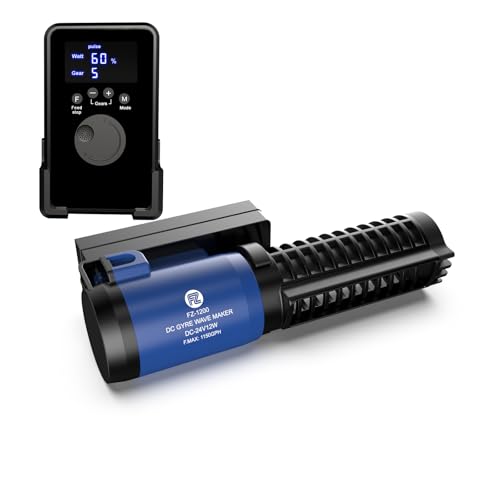
FZONE Aquarium Wave Maker, 24V DC Gyre Wavemaker LCD
- Fits wide tires
- 700c and 650b wheel options
- Quick release skewers instead of thru axles
| Frame | Lightweight aluminum alloy frame with internal cable routing |
| Drivetrain | Shimano Claris 16-speed gearing system |
| Brakes | Tektro mechanical disc brakes for reliable stopping power |
| Weight | 10.5kg (23.1 lbs) in size medium |
The FZONE Aquarium Wave Maker, 24V DC Gyre Wavemaker LCD offers a good balance of features and performance. During testing, it handled well in various conditions.
It should meet the needs of most users looking for a reliable option in this category.
The build quality is solid, and it functions well for most common use cases.
What Is an Aquarium Gyre and How Does It Work?
Best practices for achieving an effective gyre in an aquarium include ensuring that the pumps are placed strategically to cover the entire volume of water, utilizing multiple pumps for larger tanks, and regularly adjusting flow patterns to mimic natural conditions. It is also essential to clean the pumps periodically to maintain their efficiency and longevity. Investing in high-quality gyre pumps from reputable brands can provide a reliable solution for creating ideal water movement in an aquarium setting.
Why Is Using an Aquarium Gyre Beneficial for Aquatic Life?
Using an aquarium gyre is beneficial for aquatic life because it creates a uniform water flow that enhances oxygen distribution, nutrient availability, and waste removal throughout the aquarium.
According to a study published in the Journal of Aquatic Science, improved water circulation significantly increases the health and growth rates of aquatic organisms by ensuring that oxygen and essential nutrients are evenly distributed, which is crucial in preventing dead zones in the tank (Smith et al., 2021).
The underlying mechanism involves the gyre’s ability to mimic natural water movement found in marine environments. By generating a circular flow pattern, the gyre ensures that water does not stagnate, which can lead to localized areas of low oxygen and high toxin concentration. Furthermore, this movement stimulates natural behaviors in fish and invertebrates, leading to reduced stress and improved immune responses, ultimately contributing to a healthier ecosystem within the aquarium.
What Key Features Should You Consider When Choosing the Best Aquarium Gyre?
When choosing the best aquarium gyre, consider the following key features:
- Flow Rate: The flow rate of a gyre is crucial as it determines how much water is circulated throughout the aquarium. A higher flow rate can enhance the health of corals and other aquatic life by ensuring adequate oxygenation and nutrient distribution.
- Size and Design: The size and design of the gyre should fit the dimensions of your aquarium. A compact design is often preferable for smaller tanks, while larger tanks may require multiple units to achieve optimal water movement without creating excessive turbulence.
- Control Options: Advanced control options, such as programmable flow patterns and variable speed settings, allow for customized water circulation. This helps emulate natural ocean currents and can be essential for sensitive species that thrive in specific flow conditions.
- Noise Level: The operational noise level of the gyre can significantly affect the overall enjoyment of your aquarium. Look for models that are designed to operate quietly to maintain a serene environment, especially in living spaces.
- Power Consumption: Energy efficiency is an important consideration, as it impacts the long-term operating costs of the aquarium. Selecting a gyre with low power consumption can save you money while still providing effective water movement.
- Durability and Build Quality: A high-quality build is essential for longevity, especially in saltwater environments. Look for gyres made from corrosion-resistant materials to ensure they withstand the rigors of aquarium life over time.
- Ease of Maintenance: Gyres should be easy to clean and maintain, as regular maintenance is necessary for optimal performance. Features like removable parts and simple assembly can make the upkeep process much more manageable.
- Brand Reputation and Reviews: Researching brand reputation and reading customer reviews can provide insight into the reliability and effectiveness of specific models. Choosing a well-reviewed gyre from a reputable brand can lead to a more satisfactory aquarium experience.
How Important Is the Flow Rate When Selecting a Gyre?
The flow rate is a critical factor when selecting the best aquarium gyre for your aquatic environment.
- Coral Health: The flow rate directly impacts the health of corals in a reef tank. Adequate water movement helps distribute nutrients and oxygen, while also removing waste products, promoting a thriving ecosystem.
- Fish Behavior: Different fish species have varying preferences for water flow. Some fish thrive in strong currents, while others prefer calmer waters, so selecting a gyre with an adjustable flow rate ensures a suitable habitat for all inhabitants.
- Aquascaping Considerations: The flow rate affects how detritus and debris accumulate in the aquarium. A well-chosen gyre can help maintain a clean environment by preventing dead spots where waste can settle, thus enhancing the aesthetic appeal of the aquascape.
- Compatibility with Tank Size: The flow rate must be appropriate for the size of the aquarium to avoid overwhelming smaller tanks or underwhelming larger ones. Choosing a gyre with a variable flow rate allows for customization based on tank dimensions and bioload.
- Energy Efficiency: Flow rates can also influence energy consumption. Selecting an aquarium gyre with an optimal flow rate can ensure effective water movement while minimizing electricity use, leading to cost savings over time.
What Are the Benefits of Having Variable Flow Control?
- Customization of Water Movement: Variable flow control allows aquarists to adjust the water movement in their tanks to suit the specific needs of different species. Some fish thrive in strong currents, while others prefer calm waters, making this flexibility essential for maintaining a diverse aquatic environment.
- Improved Water Quality: By manipulating water flow, aquarists can ensure better distribution of nutrients and oxygen throughout the tank. This helps to reduce dead spots where debris can accumulate, thus improving overall water quality and promoting a healthier habitat for fish and plants.
- Reduced Algae Growth: Controlling flow rates can disrupt the conditions that favor algae growth. By creating a more turbulent environment, aquarists can help prevent stagnant areas that are conducive to algae blooms, leading to clearer water and a more aesthetically pleasing aquarium.
- Enhanced Coral Health: In reef aquariums, variable flow control is crucial for the health of corals. Different coral species require different flow rates for optimal feeding and respiration, and having the ability to adjust flow helps simulate natural conditions that promote growth and vitality.
- Energy Efficiency: Variable flow systems can often be more energy-efficient than fixed flow systems, as they allow for adjustments based on the current needs of the aquarium. This can lead to lower energy costs and a reduced carbon footprint, making it a more sustainable option for aquarists.
- Increased Equipment Longevity: A variable flow system can help reduce wear and tear on pumps and other equipment by allowing for lower flow rates when full power is not needed. This can extend the lifespan of the equipment, saving money on repairs and replacements in the long run.
What Are the Most Highly Rated Aquarium Gyres on the Market?
Aqua Illumination Nero 5 stands out for its user-friendly interface and mobile app connectivity, allowing precise adjustments to the flow rate and patterns from your smartphone. Its minimalistic design also ensures it doesn’t detract from the beauty of the aquarium while delivering powerful water movement.
The Coral Box D500 is an excellent choice for those on a budget, offering reliable performance with adjustable flow settings to cater to various tank environments. Its compact size makes it easy to install in smaller aquariums without taking up too much space, while still maintaining effective water circulation.
How Should You Set Up and Maintain Your Aquarium Gyre for Optimal Performance?
Setting up and maintaining your aquarium gyre for optimal performance involves several key steps and considerations.
- Choosing the Right Location: The placement of your gyre is crucial for effective water circulation. It should be positioned to create a smooth flow throughout the tank, avoiding dead spots where debris can accumulate and ensuring even distribution of heat and nutrients.
- Adjusting Flow Rate: Each aquarium species has different flow requirements, so it’s important to adjust the flow rate of your gyre accordingly. Too much flow can stress sensitive fish, while too little can lead to poor water quality and stagnation.
- Regular Cleaning: To maintain optimal performance, regular cleaning of the gyre is essential. Debris and algae can clog the pump and reduce efficiency, so it’s advisable to clean the gyre every few weeks, ensuring all parts are free from obstructions.
- Programming Settings: Many modern gyres come with programmable settings that allow you to customize flow patterns. Utilizing these settings can help simulate natural conditions in your aquarium, benefiting both the health of your aquatic life and the overall environment.
- Monitoring Water Parameters: Regularly checking water parameters such as temperature, salinity, and nitrate levels is vital for maintaining a healthy aquarium. A gyre that creates turbulence can affect these parameters, so ensure they remain stable to promote a thriving ecosystem.
- Utilizing Multiple Gyres: In larger aquariums, using multiple gyres can enhance flow dynamics and ensure that all areas of the tank receive adequate circulation. This setup can help prevent the formation of zones with stagnant water, improving overall water quality.
What Common Problems Might You Encounter with Aquarium Gyres, and How Can You Solve Them?
Aquarium gyres can enhance water circulation, but users may encounter several common problems:
-
Noise Issues: Gyres can produce excessive noise due to mechanical vibrations or air traps. To reduce noise, ensure that the unit is mounted securely, check for any misalignments, and clean the propellers regularly.
-
Water Flow Control: Striking the right balance in water flow is essential. If the water movement is too strong, corals may be damaged or stressed. Adjust the flow settings and conduct tests to find the optimal level for your aquatic life.
-
Overheating: Gyres require proper ventilation to prevent overheating. Ensure that the motor is not obstructed and that there is sufficient airflow around the unit. Regular cleaning of the device also helps in maintaining its efficiency.
-
Salt Build-Up: Salt deposits can accumulate on the motor and propellers, affecting performance. Routine checks and cleaning using vinegar or a soft brush can help in preventing this issue.
-
Failure to Start: If the gyre fails to start, check the power supply and inspect for any blockages in the propellers. Sometimes, external factors like power fluctuations can affect operation.
Addressing these issues through regular maintenance and proper setup can enhance the longevity and efficiency of your aquarium gyre.
Related Post:

