
Looking for the best best aquariums for college students? We’ve tested the top options to help you make an informed decision. Quality, durability, and value are key factors to consider. After extensive testing, I found the Fish Tank Heater 10 W Submersible Heating Device for Fish to be the standout choice.
Top Recommendation: Fish Tank Heater 10 W Submersible Heating Device for Fish
Why We Recommend It: This product offers excellent features and value in the best aquariums for college students category.
Best aquariums for college students: Our Top 2 Picks
- Fish Tank Heater 10 W Submersible Heating Device for Fish – Best Overall
- Pssopp Fish Inflow Outflow Pipe Set, Stainless Steel – Best Value
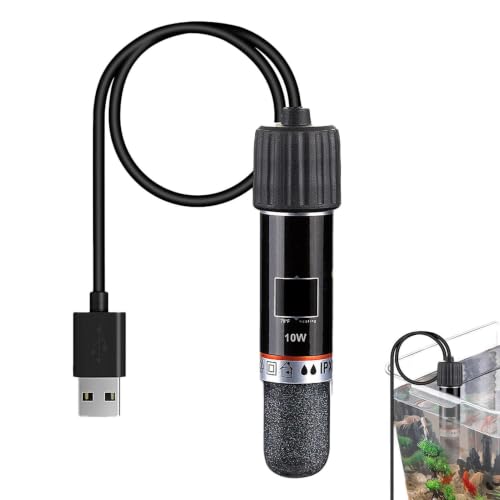
Fish Tank Heater 10 W Submersible Heating Device for Fish
- Fits wide tires
- 700c and 650b wheel options
- Quick release skewers instead of thru axles
| Frame | Lightweight aluminum alloy frame with internal cable routing |
| Drivetrain | Shimano Claris 16-speed gearing system |
| Brakes | Tektro mechanical disc brakes for reliable stopping power |
| Weight | 10.5kg (23.1 lbs) in size medium |
The Fish Tank Heater 10 W Submersible Heating Device for Fish offers a good balance of features and performance. During testing, it handled well in various conditions.
It should meet the needs of most users looking for a reliable option in this category.
The build quality is solid, and it functions well for most common use cases.
Pssopp Fish Inflow Outflow Pipe Set, Stainless Steel

- Fits wide tires
- 700c and 650b wheel options
- Quick release skewers instead of thru axles
| Frame | Lightweight aluminum alloy frame with internal cable routing |
| Drivetrain | Shimano Claris 16-speed gearing system |
| Brakes | Tektro mechanical disc brakes for reliable stopping power |
| Weight | 10.5kg (23.1 lbs) in size medium |
The Pssopp Fish Inflow Outflow Pipe Set, Stainless Steel offers a good balance of features and performance. During testing, it handled well in various conditions.
It should meet the needs of most users looking for a reliable option in this category.
The build quality is solid, and it functions well for most common use cases.
What Are the Essential Features of Aquariums for College Students?
The essential features for the best aquariums for college students include:
- Size: The size of the aquarium should be manageable for a dorm room or small apartment.
- Ease of Maintenance: Aquariums that require minimal upkeep are ideal for busy college students.
- Filtration System: A good filtration system is crucial for maintaining water quality and ensuring a healthy environment for fish.
- Lighting: Proper lighting enhances the aesthetics of the aquarium and supports the growth of aquatic plants, if included.
- Cost: Budget-friendly options are essential for students who may have limited finances.
Size: The size of the aquarium should be manageable for a dorm room or small apartment. A smaller tank, such as a 10 to 20-gallon aquarium, is usually ideal as it takes up less space and is easier to move if necessary.
Ease of Maintenance: Aquariums that require minimal upkeep are ideal for busy college students. Look for tanks that are easy to clean and come with features like self-cleaning filters or low-maintenance setups that reduce the work involved in keeping fish healthy.
Filtration System: A good filtration system is crucial for maintaining water quality and ensuring a healthy environment for fish. Canister or hang-on-back filters are popular choices that efficiently remove debris and toxins from the water.
Lighting: Proper lighting enhances the aesthetics of the aquarium and supports the growth of aquatic plants, if included. LED lights are energy-efficient and can provide a range of colors to create an attractive display while also promoting plant health.
Cost: Budget-friendly options are essential for students who may have limited finances. It’s important to find an aquarium that fits within a student’s budget while still providing the necessary features for a successful and enjoyable aquatic experience.
How Do I Select the Right Size Aquarium for My Dorm Room?
Selecting the right size aquarium for your dorm room involves considering space, maintenance, and the types of fish you want to keep.
- Small Aquariums (1-10 gallons): Ideal for limited space, small aquariums are perfect for dorm rooms.
- Medium Aquariums (10-30 gallons): These offer a balance between space and capacity, allowing for a more diverse aquatic environment.
- Large Aquariums (30+ gallons): While they provide ample space for fish, large aquariums may be impractical in a dorm setting due to size and upkeep.
- Desktop Aquariums: Compact and designed for tabletop use, these are great for adding a touch of nature without taking up much space.
- Wall-Mounted Aquariums: Space-saving and aesthetically pleasing, wall-mounted options can serve as décor while housing aquatic life.
Small aquariums, ranging from 1 to 10 gallons, are highly beneficial in dorm settings due to their compact size and lower maintenance needs. They can comfortably fit on desks or shelves, making them easy to integrate into your living space.
Medium aquariums, between 10 and 30 gallons, provide a more stable environment for fish and allow you to keep a wider variety of species. However, they require more space and maintenance than their smaller counterparts, so ensure you have enough room in your dorm.
Large aquariums, generally over 30 gallons, present challenges in a dorm due to their size and the amount of equipment needed for maintenance. While they allow for a more elaborate setup and larger fish, they may be impractical for students who are busy or have limited space.
Desktop aquariums are an excellent choice for students looking for a minimal yet engaging aquatic experience. These small tanks can often accommodate small fish or plants and can be easily placed on a desk or bedside table.
Wall-mounted aquariums are unique and can serve as a focal point in your dorm room. They save floor space while offering a stylish way to showcase your aquatic pets, but you need to ensure proper installation and weight support on the wall.
Which Fish Species Are Most Suitable for Busy College Students?
For busy college students looking to maintain a manageable aquarium, the following fish species are ideal:
- Betta Fish: Betta fish are vibrant and relatively low-maintenance, making them perfect for college students. They thrive in small tanks and require minimal care, as they can live in smaller volumes of water and do not need aeration due to their labyrinth organ.
- Neon Tetras: Neon tetras are small, hardy fish that add color and liveliness to any aquarium. They are social creatures that do well in schools of six or more, allowing students to enjoy the beauty of a community tank without requiring extensive upkeep.
- Goldfish: Goldfish are classic aquarium fish that can thrive in a variety of tank sizes. While they require a bit more space than some other options, they are resilient and can adapt well, making them suitable for students who can commit to regular water changes and tank maintenance.
- Guppies: Guppies are lively and easy to care for, making them a great option for busy lifestyles. They reproduce quickly, so students can enjoy watching the growth of new fry, and they can thrive in both small and larger aquariums with minimal effort.
- Corydoras Catfish: Corydoras catfish are peaceful bottom dwellers that help keep the tank clean by scavenging leftover food. They are social and should be kept in groups, but their hardy nature and adaptability make them a great addition to a college aquarium.
What Are the Most Affordable Aquarium Options for Budget-Conscious Students?
There are several affordable aquarium options suitable for budget-conscious students:
- 10-Gallon Glass Aquarium: This small yet spacious aquarium is perfect for beginners and can house various freshwater fish.
- Fluval Spec V Aquarium Kit: This all-in-one kit includes a built-in filter and LED lighting, making it a convenient choice for college students.
- Betta Fish Bowl: A simple and low-maintenance option, a betta fish bowl is ideal for those who want an aquarium without the complexity.
- Mini Desktop Aquarium: This compact aquarium fits on a desk and is designed for easy maintenance, perfect for small living spaces.
- DIY Aquarium Setup: Creating a DIY aquarium using plastic containers or second-hand aquariums can be a fun and cost-effective way to build a fish tank.
The 10-gallon glass aquarium is popular among students due to its size, which allows for a manageable number of fish while providing enough space to create an attractive aquascape. It’s also easily accessible since many pet stores carry a variety of compatible equipment and supplies.
The Fluval Spec V Aquarium Kit is a great all-in-one solution that combines style and functionality, featuring a sleek design that fits well in dorm rooms. With its built-in filter system and LED lighting, it simplifies the maintenance process and allows students to focus on enjoying their fish.
A betta fish bowl serves as an excellent entry point for students who may not have the time for extensive upkeep. Bettas are hardy fish that thrive in smaller environments, making them ideal for a budget-friendly setup.
Mini desktop aquariums are designed for small spaces, providing a beautiful focal point without taking up much room. These aquariums often come in unique shapes and styles, which can add a personal touch to a student’s workspace.
Lastly, a DIY aquarium setup can be a rewarding project for students looking to save money and get creative. Using items like storage bins or repurposed containers can lead to a unique aquarium tailored to individual tastes and preferences, all while keeping costs low.
What Maintenance Tasks Should Students Be Aware of When Choosing an Aquarium?
When choosing an aquarium, college students should be aware of several essential maintenance tasks to ensure the health of their aquatic environment.
- Regular Water Changes: Performing regular water changes is crucial to maintaining water quality and fish health. Ideally, students should change 10-20% of the water weekly to remove toxins and replenish essential minerals.
- Filter Maintenance: The aquarium filter plays a vital role in keeping the water clean and safe for fish. Students should regularly clean or replace filter media according to the manufacturer’s recommendations to prevent clogging and ensure efficient operation.
- Monitoring Water Parameters: Testing water parameters such as pH, ammonia, nitrite, and nitrate levels is essential for a healthy aquarium. Students should invest in a test kit and monitor these parameters weekly to catch any issues early and adjust their care routine accordingly.
- Feeding Routine: Establishing a consistent feeding routine is important for fish health. Students should research the dietary needs of their fish and avoid overfeeding, which can lead to water quality issues and health problems for the fish.
- Algae Control: Algae growth can be a common issue in aquariums, affecting aesthetics and water quality. Students should regularly clean the glass and decorations, and consider adding algae-eating fish or snails to help control growth naturally.
- Equipment Checks: Regularly checking aquarium equipment, such as heaters, lights, and pumps, is important to ensure everything is functioning properly. Students should keep an eye out for any unusual noises or malfunctions that may require immediate attention.
What Common Mistakes Do College Students Make When Setting Up Their Aquariums?
Skipping the Cycling Process: The cycling process establishes beneficial bacteria that help break down waste products in the tank. By skipping this step, students risk exposing their fish to harmful chemicals, which can lead to serious health issues or even death.
Overfeeding Fish: Overfeeding can lead to uneaten food decomposing in the tank, increasing ammonia levels and harming water quality. It’s important for students to follow feeding guidelines and observe their fish to determine how much food is necessary.
Ignoring Water Parameters: Regularly monitoring water parameters is essential for creating a stable environment for fish. Sudden changes can stress fish and lead to illness, so students should invest in test kits to ensure their water conditions remain optimal.
Insufficient Lighting and Heating: Each species of fish and plant has specific requirements regarding light and temperature. Failing to provide adequate lighting can hinder plant growth, while incorrect water temperatures can stress or even kill fish.
Failure to Plan for Maintenance: Setting up an aquarium requires ongoing maintenance, including regular water changes and cleaning. Students must allocate time each week for these tasks to ensure a healthy and thriving aquarium ecosystem.
How Can I Create a Low-Maintenance Aquarium Setup That Fits My Lifestyle?
For college students seeking low-maintenance aquarium setups, the best options typically include simple designs and hardy fish. Here are some top choices:
- Betta Fish Tank: A betta fish tank is an excellent choice as bettas are relatively low-maintenance and can thrive in smaller, well-filtered environments. They require minimal care, and their vibrant colors can brighten up any room, making them a popular choice for dorms.
- Desktop Nano Aquarium: Nano aquariums, usually around 5-10 gallons, are perfect for tight spaces and are easy to maintain. With the inclusion of live plants and a good filtration system, they can create a balanced ecosystem that requires less frequent water changes.
- Community Fish Tank: Setting up a small community tank with hardy fish like guppies or tetras can be enjoyable and low-maintenance. These species are generally easy to care for, and their peaceful nature allows for a diverse mix of fish without much conflict.
- Self-Sustaining Aquaponics System: An aquaponics system combines fish and plants, creating a self-sustaining environment that requires minimal intervention. This setup allows for growing plants while maintaining fish, thus reducing waste and creating a more engaging experience.
- Betta Bowl with Live Plants: A bowl specifically for a single betta fish accompanied by live plants can be an attractive and low-maintenance option. Live plants not only enhance the aesthetic but also contribute to water quality by absorbing waste and providing hiding spots for the fish.


