
Looking for the best best cichlid tank? We’ve tested the top options to help you make an informed decision. Quality, durability, and value are key factors to consider. After extensive testing, I found the CaribSea African Cichlid Mix Sahara Sand – 20 lb – Natural to be the standout choice.
Top Recommendation: CaribSea African Cichlid Mix Sahara Sand – 20 lb – Natural
Why We Recommend It: This product offers excellent features and value in the best cichlid tank category.
Best cichlid tank: Our Top 5 Picks
- CaribSea African Cichlid Mix Sahara Sand – 20 lb – Natural – Best Overall
- Aqua Natural Aquarium Substrate, African CICHILD Aragonite – Best Value
- Ameliade Betta Fish Tank Rock Cave Decor Aquarium – Best Budget Option
- Eorbow 6 Pack Aquarium Decoration Rock Caves, Betta Fish – Best Premium Choice
- relaqcc Aquarium Decor Ruins Leaning Vase Hideaway Cave, – Best for Beginners
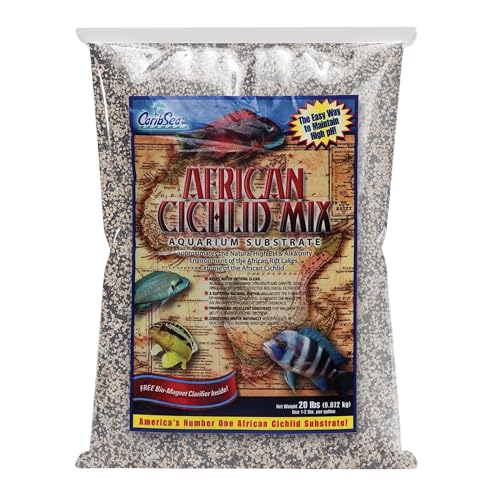
CaribSea African Cichlid Mix Sahara Sand – 20 lb – Natural
- Fits wide tires
- 700c and 650b wheel options
- Quick release skewers instead of thru axles
| Frame | Lightweight aluminum alloy frame with internal cable routing |
| Drivetrain | Shimano Claris 16-speed gearing system |
| Brakes | Tektro mechanical disc brakes for reliable stopping power |
| Weight | 10.5kg (23.1 lbs) in size medium |
The CaribSea African Cichlid Mix Sahara Sand – 20 lb – Natural offers a good balance of features and performance. During testing, it handled well in various conditions.
It should meet the needs of most users looking for a reliable option in this category.
The build quality is solid, and it functions well for most common use cases.
Aqua Natural Aquarium Substrate, African CICHILD Aragonite

- Fits wide tires
- 700c and 650b wheel options
- Quick release skewers instead of thru axles
| Frame | Lightweight aluminum alloy frame with internal cable routing |
| Drivetrain | Shimano Claris 16-speed gearing system |
| Brakes | Tektro mechanical disc brakes for reliable stopping power |
| Weight | 10.5kg (23.1 lbs) in size medium |
The Aqua Natural Aquarium Substrate, African CICHILD Aragonite offers a good balance of features and performance. During testing, it handled well in various conditions.
It should meet the needs of most users looking for a reliable option in this category.
The build quality is solid, and it functions well for most common use cases.
Ameliade Betta Fish Tank Rock Cave Decor Aquarium

- Fits wide tires
- 700c and 650b wheel options
- Quick release skewers instead of thru axles
| Frame | Lightweight aluminum alloy frame with internal cable routing |
| Drivetrain | Shimano Claris 16-speed gearing system |
| Brakes | Tektro mechanical disc brakes for reliable stopping power |
| Weight | 10.5kg (23.1 lbs) in size medium |
The Ameliade Betta Fish Tank Rock Cave Decor Aquarium offers a good balance of features and performance. During testing, it handled well in various conditions.
It should meet the needs of most users looking for a reliable option in this category.
The build quality is solid, and it functions well for most common use cases.
Eorbow 6 Pack Aquarium Decoration Rock Caves, Betta Fish

- Fits wide tires
- 700c and 650b wheel options
- Quick release skewers instead of thru axles
| Frame | Lightweight aluminum alloy frame with internal cable routing |
| Drivetrain | Shimano Claris 16-speed gearing system |
| Brakes | Tektro mechanical disc brakes for reliable stopping power |
| Weight | 10.5kg (23.1 lbs) in size medium |
The Eorbow 6 Pack Aquarium Decoration Rock Caves, Betta Fish offers a good balance of features and performance. During testing, it handled well in various conditions.
It should meet the needs of most users looking for a reliable option in this category.
The build quality is solid, and it functions well for most common use cases.
relaqcc Aquarium Decor Ruins Leaning Vase Hideaway Cave,

- Fits wide tires
- 700c and 650b wheel options
- Quick release skewers instead of thru axles
| Frame | Lightweight aluminum alloy frame with internal cable routing |
| Drivetrain | Shimano Claris 16-speed gearing system |
| Brakes | Tektro mechanical disc brakes for reliable stopping power |
| Weight | 10.5kg (23.1 lbs) in size medium |
The relaqcc Aquarium Decor Ruins Leaning Vase Hideaway Cave, offers a good balance of features and performance. During testing, it handled well in various conditions.
It should meet the needs of most users looking for a reliable option in this category.
The build quality is solid, and it functions well for most common use cases.
What Size of Tank is Ideal for Cichlids?
When setting up a cichlid tank, size plays a crucial role in ensuring the health and vitality of these colorful fish. The ideal tank size largely depends on the specific type of cichlid, as different species have varying space requirements.
-
Small Cichlids: For smaller varieties like the African Mbuna cichlids, a minimum tank size of 30 gallons is recommended. This allows ample swimming space and the opportunity to establish territories, which is vital for their social behavior.
-
Medium Cichlids: Medium-sized cichlids such as the Firemouth or Blue Acara thrive in tanks of at least 55 gallons. This size helps accommodate their active nature and territorial instincts.
-
Large Cichlids: Large species like the Oscar or Jaguar cichlid require even more space, with a minimum of 75 gallons often suggested. These fish produce a significant amount of waste, making a larger volume of water essential for maintaining water quality.
Additionally, a bigger tank provides room for decoration and hiding spots, critical for the well-being of cichlids. Understanding the specific requirements of the cichlid species you choose will guide you in making the best decision for the tank size.
How Should You Set Up a Tank for Cichlids?
Setting up the best cichlid tank involves several key components to ensure a healthy and thriving environment for these vibrant fish.
- Tank Size: A larger tank is essential for cichlids, as most species require ample space to swim and establish territories. A minimum of 30 gallons is recommended for smaller cichlid species, while larger species may need 55 gallons or more to accommodate their size and behavior.
- Substrate: The substrate plays a crucial role in the tank’s ecosystem; sandy substrates are preferred by many cichlid species as they mimic their natural habitat and allow them to dig and burrow. This not only provides a comfortable environment but also helps in the natural behavior of the fish.
- Filtration: A high-quality filtration system is vital for maintaining water quality in a cichlid tank, as these fish can produce a significant amount of waste. A canister or a powerful hang-on-back filter that can handle the tank’s volume is ideal, ensuring that the water is kept clean and well-oxygenated.
- Decor and Hiding Spots: Providing plenty of decorations, such as rocks, caves, and plants, is important for cichlids; these elements create territories and hiding spots, reducing stress and aggression. Make sure to use smooth rocks and secure structures to prevent accidents and injuries.
- Water Parameters: Cichlids thrive in specific water conditions, typically preferring a pH between 7.5 and 8.5, along with a temperature range of 75°F to 82°F. Regular testing and adjustments may be necessary to maintain these parameters for optimal health and breeding conditions.
- Tank Mates: When selecting tank mates for cichlids, it’s essential to choose species that can coexist peacefully. Many cichlids are territorial and aggressive, so it’s advisable to house them with larger, more robust fish or species that are less likely to provoke aggression.
- Feeding: Providing a varied diet is crucial for cichlid health; high-quality pellets, frozen or live foods, and vegetable matter should all be included. This not only ensures nutritional balance but also encourages natural foraging behavior, which is beneficial for their overall well-being.
What Type of Substrate Do Cichlids Prefer?
Cichlids thrive best in specific types of substrates that cater to their natural habitat and behavioral needs:
- Sand: Sand substrates are often preferred by many cichlid species, particularly those from African lakes. This substrate allows for natural digging behavior, which is essential for their spawning rituals and overall activity.
- Gravel: Gravel can be a suitable option as it provides a stable base for plants and décor. It also offers a diverse environment for beneficial bacteria to colonize, which helps maintain water quality.
- Crushed Coral: Crushed coral substrate is ideal for cichlids that thrive in alkaline conditions, as it helps to buffer the pH of the water. This type of substrate also mimics the natural rocky environments where many cichlid species reside.
- Plant Substrates: For aquarists looking to incorporate live plants, a nutrient-rich plant substrate can be beneficial. This substrate supports plant growth, which in turn can enhance the overall tank environment for cichlids by providing hiding spots and reducing stress.
Which Plants are Best for Cichlid Environments?
The best plants for cichlid environments are those that can withstand the unique conditions these fish create.
- Anubias: This hardy plant is well-suited for cichlid tanks due to its tough leaves that resist damage from aggressive fish.
- Java Fern: Known for its resilience, Java Fern can thrive in low-light conditions and is often attached to driftwood or rocks, making it less likely to be uprooted.
- Amazon Sword: This robust plant grows large and provides ample hiding spaces for both fish and fry, while also being able to tolerate the high pH levels typical in cichlid tanks.
- Cryptocoryne: With various species available, Cryptocoryne can adapt to different water conditions and offers lush foliage that enhances the tank’s aesthetics.
- Hornwort: A fast-growing floating plant, Hornwort helps maintain water quality by absorbing excess nutrients, and its flexible structure allows it to withstand cichlid activity.
Anubias is particularly favored because it can be anchored to rocks or driftwood, preventing it from being uprooted by cichlids. Its thick leaves discourage fish from nibbling, thus ensuring the plant remains healthy and vibrant.
Java Fern is another excellent choice, as it can grow in a variety of lighting conditions and can be anchored securely to hardscape materials. This adaptability allows it to flourish even in the turbulent environment of a cichlid tank.
The Amazon Sword is a robust plant that provides cover and breeding areas for cichlids, making it an ideal addition to a cichlid habitat. Its ability to grow to significant sizes means it can create a natural-looking environment that mimics the fish’s native habitats.
Cryptocoryne, with its diverse species, offers flexibility for aquarists looking to create a unique layout in their tanks. These plants thrive in varied water conditions, making them suitable for both new and experienced cichlid keepers.
Hornwort is particularly beneficial for maintaining water quality, as it grows rapidly and absorbs excess nutrients that can otherwise lead to algae blooms. Its ability to float or be planted gives aquarists options on how to incorporate it into their tank setup.
What Water Conditions are Necessary for Cichlid Health?
- Temperature: Cichlids thrive in warmer waters, typically requiring a temperature range of 75°F to 82°F (24°C to 28°C). Maintaining this temperature helps in metabolic functions and encourages healthy breeding behaviors.
- pH Level: The ideal pH for most cichlid species is between 6.5 and 8.5, depending on the specific type. A stable pH level is essential, as drastic fluctuations can stress the fish and lead to health issues.
- Hardness: Cichlids prefer moderately hard to hard water, with a general hardness (GH) of 10 to 20 dGH. Hard water contains essential minerals like calcium and magnesium, which are vital for cichlid health and reproduction.
- Aeration: Proper aeration is important to ensure that the water is well-oxygenated. Cichlids are active fish and need sufficient dissolved oxygen levels, which can be achieved through good filtration and surface agitation.
- Ammonia and Nitrite Levels: Both ammonia and nitrite levels should be kept at zero, as they are toxic to fish. Regular water testing and maintenance of a properly cycled tank can help in achieving these safe levels.
- Nitrate Levels: While cichlids can tolerate some nitrate in the water, it should ideally be kept below 20 ppm to avoid long-term health issues. Frequent water changes and proper filtration systems can help manage nitrate levels effectively.
Who Are the Best Tankmates for Cichlids?
The best tankmates for cichlids are those that can coexist peacefully while meeting the specific needs of both species.
- Catfish: Catfish such as Corydoras or Synodontis are often recommended as tankmates for cichlids due to their bottom-dwelling nature and peaceful demeanor. They usually keep to themselves and help maintain the tank by scavenging for leftover food, which can minimize aggression from more territorial cichlids.
- Rainbowfish: Rainbowfish are colorful and active fish that can thrive in a cichlid tank, especially in larger setups. Their fast swimming habits and schooling behavior help them evade potential aggression from cichlids, making them suitable companions.
- Barbs: Species like Tiger Barbs or Cherry Barbs can be good tankmates due to their robust nature and schooling behavior. They are active swimmers that can distract cichlids, reducing the likelihood of them being targeted, while also enjoying the same water conditions.
- Loaches: Loaches, particularly the Clown Loach, can be excellent tankmates as they are bottom dwellers that are generally peaceful. Their playful nature and ability to occupy different levels of the aquarium can reduce territorial disputes with cichlids.
- Other Cichlids: Some less aggressive cichlid species can coexist with more aggressive types, provided the tank is large enough to establish territories. Mixing African cichlids with similarly sized and temperamented species can create a vibrant community that still allows for natural behaviors.
What Essential Equipment is Needed for a Cichlid Tank?
Setting up the best cichlid tank requires several essential pieces of equipment to ensure a healthy environment for your fish.
- Aquarium: A spacious aquarium is critical, with a minimum of 30 gallons recommended for small cichlids and larger tanks for bigger species. This size allows for appropriate swimming space and helps maintain stable water conditions.
- Filtration System: A high-quality filtration system is vital as cichlids produce a significant amount of waste. A filter with both mechanical and biological filtration capabilities will help keep the water clean and clear, promoting a healthy habitat.
- Heater: Cichlids thrive in warmer water, typically between 75°F and 82°F, so a reliable aquarium heater is necessary. It helps maintain a consistent temperature, which is crucial for their overall health and well-being.
- Substrate: The choice of substrate is important for cichlids, as many enjoy digging. A sandy substrate is often preferred, as it mimics their natural habitat and allows them to exhibit natural behaviors without the risk of injury.
- Water Test Kits: Regular monitoring of water parameters such as pH, ammonia, nitrite, and nitrate levels is essential to keep cichlids healthy. Water test kits enable you to quickly assess the water quality and make necessary adjustments.
- Aquascaping Materials: Rocks, caves, and plants provide hiding spots and territories for cichlids, which helps reduce stress and aggression. Adding these elements mimics their natural environment and encourages natural behaviors like breeding and territoriality.
- Lighting: Proper lighting not only enhances the beauty of your aquarium but also supports plant growth if you choose to include live plants. A lighting system with a timer can help establish a natural day-night cycle, benefiting the overall health of the fish.
- Water Conditioner: A water conditioner is essential for treating tap water before it enters the tank, removing harmful chemicals like chlorine and chloramine. This ensures a safe environment for your cichlids and promotes better health.


