
Looking for the best best cold water fish tank filter? We’ve tested the top options to help you make an informed decision. Quality, durability, and value are key factors to consider. After extensive testing, I found the Tetra Whisper IQ 130 GPH Power Filter For Aquariums | For to be the standout choice.
Top Recommendation: Tetra Whisper IQ 130 GPH Power Filter For Aquariums | For
Why We Recommend It: This product offers excellent features and value in the best cold water fish tank filter category.
Best cold water fish tank filter: Our Top 5 Picks
- Tetra Whisper IQ 130 GPH Power Filter For Aquariums | For – Best Overall
- Tetra Whisper 27 GPH Internal Power Filter For Aquariums | – Best Value
- Tetra Whisper 85 GPH Internal Power Filter For Aquariums | – Best Budget Option
- COOSPIDER 200GPH Aquarium Filter 5W U-V Light for 30-100 – Best Premium Choice
- COOSPIDER Aquarium Filter 260GPH Fish Tank Filter for 30-75 – Best for Beginners
Tetra Whisper IQ 130 GPH Power Filter For Aquariums | For

- Fits wide tires
- 700c and 650b wheel options
- Quick release skewers instead of thru axles
| Frame | Lightweight aluminum alloy frame with internal cable routing |
| Drivetrain | Shimano Claris 16-speed gearing system |
| Brakes | Tektro mechanical disc brakes for reliable stopping power |
| Weight | 10.5kg (23.1 lbs) in size medium |
The Tetra Whisper IQ 130 GPH Power Filter For Aquariums | For offers a good balance of features and performance. During testing, it handled well in various conditions.
It should meet the needs of most users looking for a reliable option in this category.
The build quality is solid, and it functions well for most common use cases.
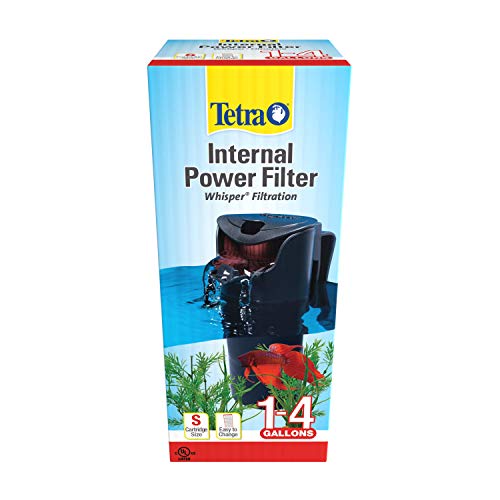
Tetra Whisper 27 GPH Internal Power Filter For Aquariums |
- Fits wide tires
- 700c and 650b wheel options
- Quick release skewers instead of thru axles
| Frame | Lightweight aluminum alloy frame with internal cable routing |
| Drivetrain | Shimano Claris 16-speed gearing system |
| Brakes | Tektro mechanical disc brakes for reliable stopping power |
| Weight | 10.5kg (23.1 lbs) in size medium |
The Tetra Whisper 27 GPH Internal Power Filter For Aquariums | offers a good balance of features and performance. During testing, it handled well in various conditions.
It should meet the needs of most users looking for a reliable option in this category.
The build quality is solid, and it functions well for most common use cases.
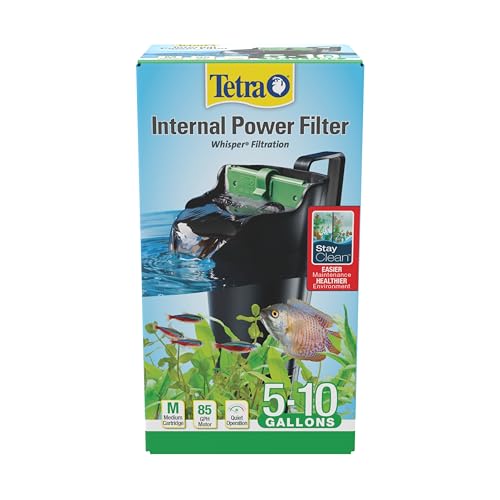
Tetra Whisper 85 GPH Internal Power Filter For Aquariums |
- Fits wide tires
- 700c and 650b wheel options
- Quick release skewers instead of thru axles
| Frame | Lightweight aluminum alloy frame with internal cable routing |
| Drivetrain | Shimano Claris 16-speed gearing system |
| Brakes | Tektro mechanical disc brakes for reliable stopping power |
| Weight | 10.5kg (23.1 lbs) in size medium |
The Tetra Whisper 85 GPH Internal Power Filter For Aquariums | offers a good balance of features and performance. During testing, it handled well in various conditions.
It should meet the needs of most users looking for a reliable option in this category.
The build quality is solid, and it functions well for most common use cases.
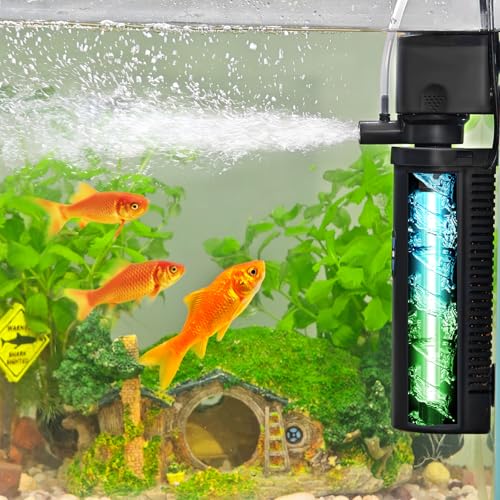
COOSPIDER 200GPH Aquarium Filter 5W U-V Light for 30-100
- Fits wide tires
- 700c and 650b wheel options
- Quick release skewers instead of thru axles
| Frame | Lightweight aluminum alloy frame with internal cable routing |
| Drivetrain | Shimano Claris 16-speed gearing system |
| Brakes | Tektro mechanical disc brakes for reliable stopping power |
| Weight | 10.5kg (23.1 lbs) in size medium |
The COOSPIDER 200GPH Aquarium Filter 5W U-V Light for 30-100 offers a good balance of features and performance. During testing, it handled well in various conditions.
It should meet the needs of most users looking for a reliable option in this category.
The build quality is solid, and it functions well for most common use cases.
COOSPIDER Aquarium Filter 260GPH Fish Tank Filter for 30-75

- Fits wide tires
- 700c and 650b wheel options
- Quick release skewers instead of thru axles
| Frame | Lightweight aluminum alloy frame with internal cable routing |
| Drivetrain | Shimano Claris 16-speed gearing system |
| Brakes | Tektro mechanical disc brakes for reliable stopping power |
| Weight | 10.5kg (23.1 lbs) in size medium |
The COOSPIDER Aquarium Filter 260GPH Fish Tank Filter for 30-75 offers a good balance of features and performance. During testing, it handled well in various conditions.
It should meet the needs of most users looking for a reliable option in this category.
The build quality is solid, and it functions well for most common use cases.
What Should You Look For in the Best Cold Water Fish Tank Filter?
Energy Efficiency: An energy-efficient filter can lead to lower electricity bills and a more sustainable aquarium setup. Look for filters with energy-saving features that still maintain high performance levels, allowing you to care for your fish without incurring high operational costs.
How Does Filtration Capacity Impact Your Cold Water Aquarium?
Filtration capacity is crucial for maintaining a healthy environment in a cold water aquarium.
- Mechanical Filtration: This type of filtration physically removes debris and particles from the water. A filter with a high mechanical filtration capacity can capture waste, uneaten food, and other particulates, preventing them from decomposing and polluting the water.
- Chemical Filtration: Chemical filtration involves the use of filter media that can absorb toxins and impurities, such as activated carbon. A filter that excels in chemical filtration can effectively eliminate harmful substances like ammonia and nitrates, ensuring the water remains safe for fish.
- Biological Filtration: This filtration method relies on beneficial bacteria to break down harmful waste products through the nitrogen cycle. Filters with a robust biological filtration capacity support a larger population of these bacteria, which helps maintain water quality and reduce the frequency of water changes.
- Flow Rate: The flow rate of the filter determines how quickly water circulates through the tank. A filter with an appropriate flow rate for your aquarium size ensures adequate filtration and oxygenation, preventing dead spots where debris can accumulate.
- Maintenance and Longevity: Filters with high filtration capacity often require less frequent maintenance, as they can handle larger volumes of waste. Choosing a filter that balances capacity with ease of maintenance can save time and ensure consistent water quality over time.
Why is Energy Efficiency Important When Choosing a Filter?
Energy efficiency is crucial when choosing a filter for a cold water fish tank because it directly impacts operational costs and environmental sustainability.
According to the U.S. Department of Energy, energy-efficient appliances can significantly reduce energy consumption, which not only lowers utility bills but also reduces greenhouse gas emissions. In the context of aquarium filters, selecting models that utilize less energy can lead to substantial savings over time, especially since these devices often run continuously.
The underlying mechanism involves the way motors and pumps operate within filters. Energy-efficient filters are designed with advanced technology that minimizes power usage while maintaining optimal water circulation and filtration. For instance, filters that employ variable speed motors can adjust their power consumption based on the tank’s needs, ensuring that energy is not wasted when full filtration power is unnecessary. This not only enhances the longevity of the filter but also contributes to a healthier aquatic environment, as water quality is maintained without excessive energy expenditure.
Moreover, energy efficiency can influence the ecological footprint of maintaining an aquarium. As more users opt for energy-efficient filters, there is a collective reduction in energy demand, which can lead to lower fossil fuel consumption and reduced carbon emissions. This aligns with broader environmental goals of reducing the impact of human activities on the planet, making it an essential consideration for responsible aquarium keeping.
What Noise Levels Are Acceptable for Cold Water Fish Tanks?
Acceptable noise levels for cold water fish tanks are crucial for both the well-being of the fish and the comfort of those who enjoy the aquarium.
- Under 30 dB: This noise level is generally considered whisper-quiet and is ideal for home aquariums, ensuring that fish are not disturbed by constant background noise.
- 30-50 dB: This range is comparable to a quiet conversation and is acceptable for most fish tanks, particularly if the noise originates from equipment like filters and heaters, which are crucial for maintaining water quality.
- 50-70 dB: Noise levels in this range may be distracting for humans and could potentially stress fish if they are exposed for extended periods, so it’s best to keep such noise to a minimum.
The noise level of aquarium equipment can vary significantly depending on the quality and type of the filter used, as well as its maintenance. Higher quality filters tend to operate more quietly, contributing to a serene environment for both fish and owners. It’s also important to regularly check and clean filters to prevent any increase in noise due to wear or clogging.
When selecting the best cold water fish tank filter, look for models that explicitly mention low noise operation or silent performance. Many manufacturers provide specifications on decibel levels, helping you to choose a filter that will maintain a peaceful atmosphere in your home while effectively keeping the water clean and healthy for your fish.
Which Types of Filters Are Suitable for Cold Water Fish Tanks?
The best types of filters for cold water fish tanks help maintain water quality and provide a healthy environment for the fish.
- Canister Filters: Canister filters are highly efficient and versatile, making them ideal for larger cold water tanks. They offer multi-stage filtration, including mechanical, biological, and chemical processes, which ensures that the water remains clean and well-oxygenated.
- Hang-On-Back (HOB) Filters: HOB filters are easy to install and maintain, making them a popular choice for hobbyists. They utilize a simple design where water is drawn from the tank, filtered, and then returned, providing effective mechanical and biological filtration.
- Internal Filters: Internal filters are submersible and suitable for smaller cold water tanks. They are compact and can provide both mechanical and biological filtration, but they may require more frequent cleaning due to their placement within the tank.
- sponge Filters: Sponge filters are ideal for breeding tanks and smaller setups as they provide gentle filtration and aeration. They are safe for fry and delicate species, as they prevent strong currents that could harm young fish.
- Submersible Filters: Submersible filters are placed underwater and are often used in small tanks. They are quiet and efficient, providing a combination of mechanical and biological filtration, but they may not be suitable for larger tanks due to limited flow rates.
How Do Hang-On-Back (HOB) Filters Function in Cold Water Aquariums?
Hang-On-Back (HOB) filters are a popular choice for cold water aquariums due to their effective filtration capabilities and ease of use.
- Mechanism of Filtration: HOB filters utilize a multi-stage filtration process that typically includes mechanical, chemical, and biological filtration.
- Easy Installation: These filters are designed to hang on the back of the aquarium, making them simple to install and maintain without requiring any modifications to the tank.
- Maintenance Requirements: HOB filters generally require regular maintenance, including cleaning and replacing filter media, which is crucial for maintaining water quality in cold water environments.
- Flow Rate Adjustment: Many HOB filters offer adjustable flow rates, allowing aquarists to tailor the water movement to suit the needs of their cold water fish.
- Noise Levels: HOB filters can vary in noise production, with some models designed to operate quietly, which is beneficial for maintaining a peaceful aquarium environment.
The mechanism of filtration in HOB filters involves three key processes: mechanical filtration removes debris and particulates from the water, chemical filtration utilizes media such as activated carbon to eliminate toxins, and biological filtration supports beneficial bacteria that break down harmful ammonia and nitrites.
Installation is straightforward since HOB filters simply hang on the back edge of the aquarium, connecting via a siphon tube that draws water up into the filter. This design saves space and keeps the internal tank area free of bulky equipment.
Maintenance is essential for HOB filters to function effectively, requiring periodic cleaning of the filter components and replacement of the filter media. Regular maintenance helps prevent the build-up of waste and ensures optimal water conditions for cold water fish.
Adjustable flow rates are a significant advantage, as they allow hobbyists to control water movement in the tank, accommodating species that may prefer calmer waters while ensuring adequate oxygenation and filtration.
Noise levels can be a consideration for aquarists; some filters operate with minimal sound, while others may produce noticeable hums or vibrations. Choosing a quieter model can contribute to a more tranquil setting for both fish and viewers.
What Benefits Do Canister Filters Provide for Cold Water Fish?
Canister filters are highly beneficial for maintaining a healthy environment for cold water fish due to their efficiency and versatility.
- Efficient Filtration: Canister filters provide mechanical, chemical, and biological filtration, which ensures that all types of waste and harmful substances are effectively removed from the water. This multi-stage process promotes a stable and clean habitat for the fish.
- Large Capacity: These filters can hold a significant amount of filter media, allowing for better filtration over larger volumes of water. This is particularly advantageous for cold water fish tanks, as they often house multiple fish that produce waste.
- Customizable Filtration Media: Canister filters allow users to customize the type of filter media used, such as activated carbon, sponge, or ceramic rings, depending on the specific needs of the tank. This flexibility helps optimize water quality based on the unique requirements of cold water fish.
- Reduced Noise: Many canister filters are designed to operate quietly, making them an excellent choice for home environments. This feature allows aquarists to enjoy their tanks without the distraction of loud equipment.
- Easy Maintenance: Canister filters are generally easy to maintain, as they often come with features that allow for quick access to the filter media. Regular maintenance can be performed without disturbing the fish too much, which is important for their well-being.
- Increased Water Flow: Canister filters provide strong water circulation, which helps distribute heat evenly in the tank, crucial for the health of cold water fish. Proper water movement also prevents stagnation and promotes oxygenation, benefiting the fish and aquatic plants.
Why Are Sponge Filters Ideal for Cold Water Environments?
Sponge filters are ideal for cold water environments primarily because they provide effective biological filtration while maintaining a gentle water flow that is suitable for cold-water fish species.
According to a study published in the “Aquarium Sciences and Conservation” journal, sponge filters are particularly beneficial in colder temperatures as they promote the growth of beneficial bacteria without the risk of overheating the water, which can occur with other types of filters like power or canister filters that generate heat during operation.
The underlying mechanism involves the sponge’s structure, which offers a large surface area for beneficial bacteria to colonize. These bacteria are crucial for breaking down ammonia and nitrites, which are toxic to fish, especially in cold water where fish metabolism is slower. Additionally, the gentle water flow produced by sponge filters reduces stress for cold-water fish, which thrive in stable environments. This design minimizes disturbance in the tank, ensuring that the fish feel secure, thus promoting their well-being and longevity.
What Are the Most Recommended Brands for Cold Water Fish Tank Filters?
Some of the most recommended brands for cold water fish tank filters include:
- Fluval: Fluval filters are known for their reliability and efficiency, offering a variety of models suitable for cold water tanks. They feature multi-stage filtration, which effectively removes debris and improves water quality, making them ideal for both beginners and experienced aquarists.
- Marina: Marina filters are popular for their compact design and ease of use, making them perfect for smaller cold water tanks. They often include adjustable flow rates and come with customizable filter media options, ensuring optimal filtration tailored to the specific needs of your tank.
- AquaClear: AquaClear filters are recognized for their superior performance and versatility, offering a unique design that allows for customizable filtration. Their power filters provide mechanical, chemical, and biological filtration, which is essential for maintaining a healthy aquatic environment in cold water tanks.
- Penguin Bio-Wheel: The Penguin Bio-Wheel filters are distinguished by their patented Bio-Wheel technology, which enhances biological filtration. This feature is particularly beneficial for cold water tanks as it promotes the growth of beneficial bacteria that help break down harmful waste products.
- API: API filters are well-regarded for their affordability and effectiveness, making them a great option for hobbyists on a budget. They are designed to efficiently remove waste and toxins from the water, thereby supporting the overall health of your cold water fish.
Which Brands Are Renowned for Quality and Reliability?
The main brands renowned for quality and reliability in cold water fish tank filters are:
- Fluval: Fluval is a well-respected brand in the aquarium industry, known for its innovative and efficient filtration systems. Their filters often feature multiple stages of filtration, including mechanical, chemical, and biological, ensuring a clean and healthy environment for cold water fish.
- Aquaclear: Aquaclear filters are celebrated for their versatility and ease of use, making them an excellent choice for both beginners and experienced aquarists. They provide adjustable flow rates and a large media capacity, allowing for effective filtration and customization based on the specific needs of the aquarium.
- Marina: Marina offers a range of affordable and reliable filters designed specifically for cold water aquariums. Their products are user-friendly and include features like adjustable flow and easy maintenance, which help maintain water quality without added hassle.
- Penguin Bio-Wheel: The Penguin Bio-Wheel filter is known for its unique biological filtration system that promotes beneficial bacteria growth, crucial for maintaining a balanced aquarium. Its design allows for both mechanical and chemical filtration, ensuring clarity and purity in the tank water.
- Seachem: Seachem is recognized for its high-quality aquarium products, including filters that focus on promoting optimal water quality. Their filters often incorporate advanced technologies to enhance biological filtration, making them suitable for cold water fish enthusiasts who prioritize water health.
What Do User Reviews Reveal About These Brands?
User reviews provide valuable insights into the performance and reliability of cold water fish tank filters, helping potential buyers make informed decisions.
- Fluval 207 Performance Canister Filter: This filter is praised for its powerful multi-stage filtration system that effectively removes debris and toxins, keeping the water clean and clear. Users appreciate its quiet operation and easy maintenance, making it a favorite choice for both beginners and experienced aquarists.
- AquaClear 50 Power Filter: Reviewers highlight the AquaClear 50 for its adjustable flow rate and large filter media capacity, which allows for customizable filtration options. Many users note that its easy installation and low energy consumption make it an economical choice for cold water tanks.
- Marineland Penguin Bio-Wheel Filter: The Bio-Wheel technology is a standout feature that users commend for its biological filtration capabilities, promoting a healthy environment for fish. Customers often mention its reliability and ability to maintain stable water conditions, which is essential for cold water species.
- API Filstar XP Canister Filter: Users appreciate the API Filstar XP for its robust build quality and versatility, suitable for various tank sizes. Reviewers often mention its efficient filtration process and the ease with which media can be changed, making it a practical choice for those with larger cold water tanks.
- Marina Slim S20 Filter: This compact filter is favored for smaller cold water tanks due to its space-saving design and effective performance. Users highlight its whisper-quiet operation and ease of setup, making it ideal for aquarists looking for a low-maintenance filtering solution.
How Can You Maintain Your Cold Water Fish Tank Filter Effectively?
Positioning of Filter: The filter should be placed where it can create optimal water flow, ensuring that all areas of the tank receive proper circulation. This positioning helps to avoid dead spots where debris can accumulate and promotes a healthier habitat for your fish.
What Essential Maintenance Tasks Should You Perform for Optimal Performance?
Essential maintenance tasks for a cold water fish tank filter ensure optimal performance and a healthy environment for your aquatic life.
- Regular Cleaning: Cleaning the filter media and components is crucial to prevent clogging and maintain efficient water flow. Depending on the type of filter, this may involve rinsing sponge filters or replacing cartridge filters to remove accumulated debris and harmful bacteria.
- Check Water Flow Rate: Monitoring the flow rate of your filter is essential, as a decrease can indicate blockages or that the filter is wearing out. Ensuring that the water flow remains consistent helps maintain adequate oxygenation and filtration for the fish tank.
- Inspect for Damage: Regularly inspecting the filter for cracks, leaks, or other signs of wear is vital to avoid unexpected failures. A damaged filter can lead to poor water quality, which can adversely affect fish health.
- Replace Filter Media: Over time, filter media can become less effective and should be replaced according to the manufacturer’s guidelines. This ensures that beneficial bacteria can thrive and continue to break down waste products efficiently.
- Monitor Water Parameters: Keeping an eye on water quality parameters such as ammonia, nitrite, and nitrate levels is critical for fish health. Using water testing kits regularly can help determine if the filter is performing adequately and whether any adjustments are needed.
- Schedule Regular Maintenance: Establishing a routine maintenance schedule can help prevent issues before they arise. This includes regular inspections, cleanings, and media replacements to ensure that the filter operates at its best continuously.
How Often Should You Replace Filter Media for Maximum Efficiency?
To maintain maximum efficiency in a cold water fish tank filter, it is essential to understand the replacement frequency of various filter media types.
- Mechanical Filter Media: This type should be cleaned or replaced every 2-4 weeks depending on the tank’s bioload and debris levels.
- Chemical Filter Media: Typically, chemical filter media like activated carbon should be replaced every 4-6 weeks to ensure effective removal of impurities and toxins.
- Biological Filter Media: Biological media should be replaced less frequently, generally every 6-12 months, as it houses beneficial bacteria essential for breaking down ammonia and nitrites.
- Sponges and Foam Filters: These can be rinsed in tank water every 2-3 weeks and replaced every 6-12 months to maintain optimal filtration without disrupting beneficial bacteria.
Mechanical Filter Media: This media captures solid waste and debris to prevent it from decomposing in the tank. Frequent cleaning or replacement ensures that the filter maintains a high flow rate and does not become clogged, which can lead to poor water quality and stress for the fish.
Chemical Filter Media: Media like activated carbon are vital for maintaining water clarity and removing harmful chemicals. Over time, these materials become saturated and lose their effectiveness, hence the need for regular replacement to keep the water pristine and safe for aquatic life.
Biological Filter Media: This media, which often consists of ceramic rings or bio-balls, is crucial for the nitrogen cycle as it provides a surface for beneficial bacteria. Because these bacteria take time to establish, it’s important not to replace this media too frequently, as it could disrupt the biological balance in the tank.
Sponges and Foam Filters: These filters trap debris while also supporting beneficial bacteria growth. Regular rinsing helps maintain flow rates, while infrequent replacement ensures that the biological filtration remains intact, supporting a healthy aquarium environment.
What Common Issues Can You Encounter with Cold Water Fish Tank Filters?
Cold water fish tank filters can present several common issues that may affect both the filter’s performance and the health of your aquatic environment. Understanding these challenges can help in maintaining a healthy tank.
-
Clogging: This occurs when debris, uneaten food, and waste accumulate in the filter media. Regular maintenance, including cleaning or replacing media, is essential to prevent reduced flow and inefficient filtration.
-
Overheating: Some internal filters generate heat, which can alter the tank’s temperature. Monitor the filter’s temperature and ensure it is suitable for cold water species.
-
Noise: Filters might produce excessive noise due to improper installation or wear over time. Ensuring that the filter is correctly set up and replacing worn-out components can mitigate this issue.
-
Insufficient Filtration: Choosing a filter with inadequate capacity for the size of your tank can lead to poor water quality. Always assess the filtration capability to ensure it matches the tank volume.
-
Bacterial Imbalances: Filters cultivate beneficial bacteria for biological filtration. Over-cleaning or using strong chemicals can disrupt this balance, leading to spikes in ammonia or nitrite levels.
By addressing these issues proactively, you can ensure the longevity of your cold water fish tank filter and the well-being of your aquatic life.
What Problems May Arise with Filtration in Cold Water Tanks?
Several issues can arise with filtration in cold water tanks that can affect water quality and the health of aquatic life.
- Inadequate Filtration Capacity: Many cold water fish tank filters may not be designed to handle the specific bioload of the fish in the tank, leading to insufficient removal of waste and toxins.
- Temperature Sensitivity: Filters may struggle to operate efficiently in colder temperatures, which can affect the flow rate and effectiveness of biological filtration, thereby compromising water quality.
- Clogging and Maintenance Challenges: Cold water tanks can accumulate debris and uneaten food quickly, causing filters to clog more frequently and requiring more regular maintenance to ensure optimal performance.
- Air Pump Limitations: Some filtration systems rely on air pumps that might not work as efficiently in lower temperatures, potentially reducing oxygen levels in the water which is crucial for fish health.
- Noise and Vibration: Certain filters designed for cold water tanks can produce excess noise or vibration, which may stress fish and disrupt their natural behavior, especially in a quieter environment.
Inadequate filtration capacity can lead to a build-up of harmful substances like ammonia, nitrites, and nitrates, which can be detrimental to fish health. It’s essential to choose a filter that matches the tank’s size and the number of fish to maintain a healthy ecosystem.
Temperature sensitivity in filters is a significant concern, as many models may not function optimally in colder conditions. This can result in decreased water circulation and inadequate biological filtration, which are crucial for maintaining stable water parameters.
Clogging and maintenance challenges can become problematic over time, as cold water tanks often see a higher accumulation of organic matter. Regular maintenance becomes critical to prevent filter failure, which can lead to spikes in harmful chemicals.
Air pump limitations can be particularly troublesome because insufficient oxygenation can lead to stress or even death among cold water species. It is vital that filtration systems can maintain adequate oxygen levels, especially in tanks with higher fish densities.
Noise and vibration from certain filter types can create an uncomfortable environment for fish. Stress from noise can lead to health issues, making it important to select quieter filtration options that do not disrupt the tranquility of the tank.
How Can You Troubleshoot Common Filter Issues Effectively?
Effective troubleshooting of common filter issues involves identifying the symptoms and applying appropriate solutions.
- No water flow: This issue may occur due to a clogged filter or blockage in the tubing.
- Unusual noise: Noisy filters often indicate that something is amiss, such as air trapped in the pump or worn-out parts.
- Cloudy water: Cloudiness in the water can result from inadequate filtration or biological issues, necessitating a check on filter media and tank maintenance.
- Frequent filter cleaning: If you find yourself cleaning the filter more often than usual, it may be a sign of overfeeding or insufficient filtration capacity.
- Filter not starting: This can happen if there’s electrical failure, a tripped circuit, or issues with the power supply.
No water flow can be an alarming issue, as it directly impacts the health of the aquatic environment. Check the filter’s intake for debris and ensure that all tubing is clear; sometimes, simply removing and cleaning the filter can restore proper function.
Unusual noise from the filter often indicates that there is trapped air in the system or that components are wearing out. Inspect the filter for any loose parts, and consider priming the pump to eliminate air pockets that can create sound disturbances.
Cloudy water typically signals a filtration problem or an imbalance in the tank’s ecosystem. Ensure that the filter media is clean and functioning properly, and consider testing water parameters to identify any underlying biological issues that may need addressing.
If you notice that your filter requires frequent cleaning, it may be a sign of overfeeding your fish or having an undersized filter for the tank’s bioload. Review your feeding practices and consider upgrading to a more powerful filter if necessary.
When a filter doesn’t start, it’s crucial to examine the power source first; ensure the unit is plugged in and the outlet is functioning. If everything appears normal, check for tripped circuits or internal issues within the filter that may need professional attention.
Related Post:

