
Looking for the best best cube sump? We’ve tested the top options to help you make an informed decision. Quality, durability, and value are key factors to consider. After extensive testing, I found the Fiji Cube Refugium Sump Baffle Kit (29 Gallon Standard) to be the standout choice.
Top Recommendation: Fiji Cube Refugium Sump Baffle Kit (29 Gallon Standard)
Why We Recommend It: This product offers excellent features and value in the best cube sump category.
Best cube sump: Our Top 5 Picks
- Fiji Cube Refugium Sump Baffle Kit (29 Gallon Standard) – Best Overall
- FijiCube Baffle Kit for 20 Gallon Long DIY Aqueon Sump – Best Value
- Fiji Cube Automatic Roller Filter System (Model ARF-20) – Best Budget Option
- Mysora 8 Inch Replacement Fleece Roll, 8 x 150 Ft Aquarium – Best Premium Choice
- FKSC Aquarium Filter Media for Freshwater & Marine Tank Bio – Best for Beginners
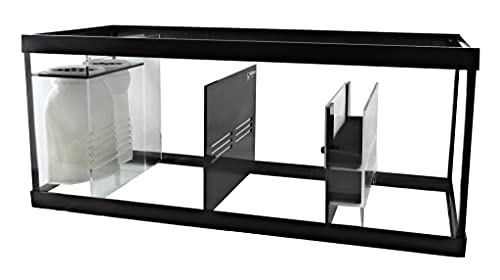
Fiji Cube Refugium Sump Baffle Kit (29 Gallon Standard)
- Fits wide tires
- 700c and 650b wheel options
- Quick release skewers instead of thru axles
| Frame | Lightweight aluminum alloy frame with internal cable routing |
| Drivetrain | Shimano Claris 16-speed gearing system |
| Brakes | Tektro mechanical disc brakes for reliable stopping power |
| Weight | 10.5kg (23.1 lbs) in size medium |
The Fiji Cube Refugium Sump Baffle Kit (29 Gallon Standard) offers a good balance of features and performance. During testing, it handled well in various conditions.
It should meet the needs of most users looking for a reliable option in this category.
The build quality is solid, and it functions well for most common use cases.
FijiCube Baffle Kit for 20 Gallon Long DIY Aqueon Sump

- Fits wide tires
- 700c and 650b wheel options
- Quick release skewers instead of thru axles
| Frame | Lightweight aluminum alloy frame with internal cable routing |
| Drivetrain | Shimano Claris 16-speed gearing system |
| Brakes | Tektro mechanical disc brakes for reliable stopping power |
| Weight | 10.5kg (23.1 lbs) in size medium |
The FijiCube Baffle Kit for 20 Gallon Long DIY Aqueon Sump offers a good balance of features and performance. During testing, it handled well in various conditions.
It should meet the needs of most users looking for a reliable option in this category.
The build quality is solid, and it functions well for most common use cases.
Fiji Cube Automatic Roller Filter System (Model ARF-20)

- Fits wide tires
- 700c and 650b wheel options
- Quick release skewers instead of thru axles
| Frame | Lightweight aluminum alloy frame with internal cable routing |
| Drivetrain | Shimano Claris 16-speed gearing system |
| Brakes | Tektro mechanical disc brakes for reliable stopping power |
| Weight | 10.5kg (23.1 lbs) in size medium |
The Fiji Cube Automatic Roller Filter System (Model ARF-20) offers a good balance of features and performance. During testing, it handled well in various conditions.
It should meet the needs of most users looking for a reliable option in this category.
The build quality is solid, and it functions well for most common use cases.
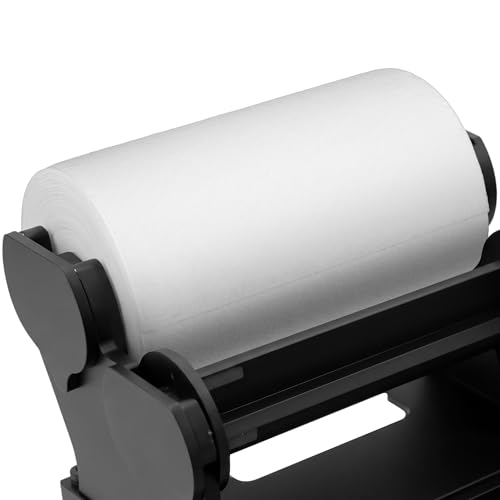
Mysora 8 Inch Replacement Fleece Roll, 8 x 150 Ft Aquarium
- Fits wide tires
- 700c and 650b wheel options
- Quick release skewers instead of thru axles
| Frame | Lightweight aluminum alloy frame with internal cable routing |
| Drivetrain | Shimano Claris 16-speed gearing system |
| Brakes | Tektro mechanical disc brakes for reliable stopping power |
| Weight | 10.5kg (23.1 lbs) in size medium |
The Mysora 8 Inch Replacement Fleece Roll, 8 x 150 Ft Aquarium offers a good balance of features and performance. During testing, it handled well in various conditions.
It should meet the needs of most users looking for a reliable option in this category.
The build quality is solid, and it functions well for most common use cases.
FKSC Aquarium Filter Media for Freshwater & Marine Tank Bio

- Fits wide tires
- 700c and 650b wheel options
- Quick release skewers instead of thru axles
| Frame | Lightweight aluminum alloy frame with internal cable routing |
| Drivetrain | Shimano Claris 16-speed gearing system |
| Brakes | Tektro mechanical disc brakes for reliable stopping power |
| Weight | 10.5kg (23.1 lbs) in size medium |
The FKSC Aquarium Filter Media for Freshwater & Marine Tank Bio offers a good balance of features and performance. During testing, it handled well in various conditions.
It should meet the needs of most users looking for a reliable option in this category.
The build quality is solid, and it functions well for most common use cases.
What Is a Cube Sump and Why Is It Important for Aquariums?
According to the American Aquarium Products, sumps play a crucial role in providing biological filtration, improving water circulation, and allowing for the customization of the filtration process, which can lead to healthier aquatic environments.
Key aspects of a cube sump include its space-saving design, which is ideal for smaller aquariums or where space is limited. The cubic shape allows for efficient water flow and maximizes the surface area for beneficial bacteria to colonize, which is essential for breaking down harmful waste products. Additionally, cube sumps often come with multiple compartments that can house various types of filtration media, making them versatile for different aquatic setups and needs.
The importance of cube sumps extends to their ability to significantly improve water quality. They help remove nitrates and phosphates, which can lead to algae growth and harm aquatic life. Statistics show that aquariums with well-functioning sumps can maintain lower levels of these harmful substances compared to those without sumps. For instance, a well-maintained sump can reduce nitrate levels by as much as 80% within a few days, contributing to a healthier environment for fish and plants alike.
The impacts of using a cube sump are multifaceted. Not only do they aid in keeping the aquatic environment stable, but they also allow aquarists to better manage equipment and maintain aesthetic appeal by hiding unsightly components from view. Furthermore, cube sumps can facilitate the addition of live rock or macroalgae, which can enhance biological filtration and oxygenation in the aquarium.
Implementing a cube sump requires adherence to best practices, such as ensuring proper sizing based on the main tank volume, maintaining regular cleaning schedules to prevent clogging and build-up of detritus, and monitoring water parameters to ensure optimal performance. By following these guidelines, aquarists can maximize the effectiveness of their cube sump systems and promote a thriving aquatic habitat.
What Key Features Should You Look for When Choosing a Cube Sump?
When choosing the best cube sump for your aquarium, consider the following key features:
- Size and Capacity: The size of the cube sump should match the needs of your aquarium system. It should have enough capacity to hold the necessary water volume for efficient filtration while fitting comfortably under your tank.
- Material: Most cube sumps are made from acrylic or glass, each having its advantages. Acrylic is lighter and more impact-resistant, while glass is more scratch-resistant and generally offers clearer visibility of the sump’s contents.
- Chamber Design: Look for a sump with a well-thought-out chamber design that includes sections for skimmers, refugiums, and return pumps. A customizable chamber layout allows you to optimize filtration and maintain water quality more effectively.
- Drainage and Return System: A good sump should have an efficient drainage and return system to facilitate water movement. Features like bulkheads and adjustable return pumps ensure that water is cycled properly, reducing the risk of stagnation and promoting healthy aquatic environments.
- Maintenance Accessibility: Ease of maintenance is crucial for keeping your sump functioning well. Choose a model that offers easy access to all chambers for cleaning or replacing equipment without needing to dismantle the entire setup.
- Compatibility with Equipment: Ensure that the sump is compatible with your existing equipment, such as protein skimmers and heaters. Compatibility can affect performance and efficiency, so it’s essential to verify that the sump can accommodate your gear.
- Noise Level: Some sumps can be quite noisy due to water flow and equipment operation. Look for designs that minimize noise, such as those with sound-dampening features or that allow for quiet operation of pumps and skimmers.
- Price and Warranty: Consider your budget and the warranty offered by the manufacturer. A higher price may indicate better quality materials and features, but ensure you are getting good value for your investment, along with a reasonable warranty for peace of mind.
How Does the Size and Capacity Influence Your Sump’s Efficiency?
- Water Volume: A larger sump can hold more water, which allows for greater stability in water parameters and reduces the frequency of water changes.
- Filtration Area: The size of the sump determines how much filtration media can be used, impacting the overall effectiveness of biological and mechanical filtration.
- Flow Rate: An appropriately sized sump ensures optimal flow rates, preventing issues like stagnation and allowing for efficient water movement through filters and skimmers.
- Space for Equipment: A larger sump provides more room for essential equipment such as pumps, heaters, and skimmers, facilitating better maintenance and operational efficiency.
- Ease of Maintenance: With increased capacity, a sump can be easier to maintain as it provides more accessible space for cleaning and monitoring equipment.
The water volume in a sump plays a crucial role in maintaining stable water parameters since it dilutes pollutants and reduces fluctuations in temperature and salinity. A larger volume allows for more significant changes in the system without immediate adverse effects, which is particularly beneficial in marine and reef systems.
The filtration area is directly related to the sump’s size, as a larger sump can accommodate more filtration media like foam pads, bioballs, or activated carbon. This increased surface area enhances the biological filtration process, allowing beneficial bacteria to thrive and break down harmful substances more effectively.
Flow rate is essential for sump efficiency, as too slow of a flow can lead to stagnant water, while too fast of a flow can bypass filtration media. The ideal flow rate allows for optimal contact time with filters and skimmers, ensuring that waste is effectively removed from the water column.
Space for equipment is another critical factor; a larger sump can house all necessary components without overcrowding. This arrangement not only makes it easier to access and maintain equipment but also prevents issues related to equipment being too close together, such as overheating or interference.
Lastly, ease of maintenance is often overlooked but is vital for long-term operations. A sump with adequate capacity allows for easier cleaning and monitoring, ensuring that the system runs smoothly and efficiently without requiring frequent, labor-intensive maintenance sessions.
What Materials Are Most Durable for Cube Sump Construction?
The most durable materials for cube sump construction include:
- Acrylic: Acrylic is a lightweight and highly durable material that is resistant to impact and shattering. It offers excellent clarity, allowing for easy visibility of the water level and any aquatic life inside. Additionally, acrylic can be easily molded into various shapes, making it a popular choice for custom sump designs.
- Glass: Glass is a traditional choice known for its strength and scratch resistance. It provides a high level of clarity and does not discolor over time, maintaining the aesthetic appeal of the sump. However, glass can be heavier than acrylic and is more prone to breaking if not handled carefully.
- Polypropylene: Polypropylene is a robust plastic that is resistant to chemicals and corrosion, making it suitable for a sump that may come into contact with various substances. It is also lightweight and easy to work with, which allows for efficient construction. This material is often used for sumps that require a high level of durability in harsh conditions.
- Fiberglass: Fiberglass combines strength with flexibility, making it an ideal material for larger sumps that need to withstand water pressure and potential impacts. It is also resistant to corrosion and can be molded into complex shapes, providing versatility in design. The longevity of fiberglass makes it a cost-effective option for long-term use.
- Stainless Steel: Stainless steel is a highly durable material known for its resistance to rust and corrosion, providing exceptional longevity. It is often used in industrial applications and can withstand high pressure, making it suitable for heavy-duty sumps. However, it may require additional coatings or treatments to prevent algae buildup and maintain hygiene.
What Are the Benefits of Using a Cube Sump in Your Aquarium Setup?
Cube sumps are an increasingly popular choice among aquarists due to their numerous benefits. Here are some key advantages of integrating a cube sump into your aquarium setup:
-
Space Efficiency: Cube sumps maximize available space, making them ideal for smaller aquarium setups. Their compact shape can fit neatly beneath most aquariums, optimizing the use of often-overlooked areas.
-
Improved Filtration: Cube sumps can house multiple filtration components, such as protein skimmers, live rock, and filter media. This helps maintain better water quality by effectively removing impurities and fostering beneficial bacteria growth.
-
Enhanced Aesthetics: With their modern design, cube sumps can enhance the overall look of your aquarium setup. They can be customized with compartments for different equipment, helping to keep everything organized and visually appealing.
-
Ease of Maintenance: The design of cube sumps often allows for easier cleaning and maintenance. Access to various compartments can simplify filter changes, water testing, and any necessary repairs.
-
Customizable: The interior compartments can be tailored to suit specific needs, including refugium areas for nutrient export and additional housing for heaters or pumps. This versatility makes them adaptable to different types of aquatic systems.
These benefits make cube sumps a solid choice for any aquarium enthusiast looking to enhance their setup.
What Are the Most Reliable Brands of Cube Sumps Available?
The most reliable brands of cube sumps available include:
- Trigger Systems: Known for their high-quality materials and innovative designs, Trigger Systems cube sumps often feature customizable compartments that cater to various filtration needs. Their sumps are built to withstand the rigors of aquarium maintenance and provide efficient water management.
- Reef Octopus: Reef Octopus offers durable cube sumps with high functionality, often equipped with integrated protein skimmers and filter socks. Their products are well-regarded for their performance in saltwater setups, making them a popular choice among reef enthusiasts.
- Innovative Marine: This brand is recognized for its sleek, modern designs and intuitive layouts that maximize space. Innovative Marine cube sumps are designed for easy installation and maintenance, often featuring quiet operation and efficient water flow.
- Cad Lights: Cad Lights sumps are praised for their robust build quality and aesthetic appeal. They often come with built-in refugiums and have compartments designed to enhance filtration efficiency, making them suitable for both novice and experienced aquarists.
- Synergy Reef: Synergy Reef is known for producing sumps that are not only functional but also visually appealing, often featuring clear acrylic designs. Their sumps typically offer customizable options and are designed to optimize water quality in various aquarium setups.
What Common Issues Do Users Face with Cube Sumps?
Users commonly face several issues with cube sumps that can affect their efficiency and usability.
- Noise Levels: Many users report that cube sumps can be quite noisy, especially if they are not properly set up or if the pump is of low quality. This noise can be disruptive in home or office environments where peace and quiet are desired.
- Water Level Fluctuations: Cube sumps often experience fluctuations in water levels, which can lead to problems with filtration and equipment operation. If the water level drops too low, pumps may run dry, while too high can cause overflow issues.
- Space Constraints: Due to their compact design, cube sumps can sometimes struggle with space constraints, making it difficult to accommodate all necessary equipment. This can lead to overcrowding and inefficiency in water management.
- Maintenance Challenges: Cleaning and maintaining a cube sump can be more challenging than larger systems, as their size limits access to certain areas. This can result in a buildup of debris and detritus, potentially affecting water quality.
- Limited Customization: Some users find that cube sumps offer limited options for customization in terms of compartments and layout. This can restrict the ability to tailor the sump to specific needs or equipment requirements.
How Can You Properly Maintain Your Cube Sump for Longevity?
Proper maintenance of your cube sump is essential for enhancing its longevity and ensuring optimal performance.
- Regular Cleaning: Regularly clean your cube sump to remove debris and algae buildup. This prevents blockages and maintains water flow, which is crucial for the efficiency of the filtration system.
- Check Water Levels: Monitor the water levels in your sump regularly to ensure they are stable. Fluctuations can affect equipment performance and lead to issues like pump overheating or inadequate filtration.
- Inspect Equipment: Periodically inspect all equipment within the sump, including pumps and heaters, for wear and tear. Early detection of issues allows for timely repairs or replacements, preventing more significant problems down the line.
- Replace Filter Media: Change out filter media as recommended by the manufacturer to maintain effective filtration. Old or clogged media can reduce water quality and lead to harmful conditions for your aquarium inhabitants.
- Maintain Water Parameters: Regularly test water parameters such as pH, salinity, and ammonia levels in the sump. Keeping these parameters stable is crucial for the health of both your sump and the main aquarium.
- Avoid Overloading: Be mindful of the bioload in your aquarium to avoid overloading your sump. An overloaded sump can lead to decreased filtration efficiency and increased maintenance requirements.
- Check for Leaks: Routinely inspect your sump for any signs of leaks or cracks. Addressing leaks immediately helps prevent water loss and potential damage to your equipment or living space.


