
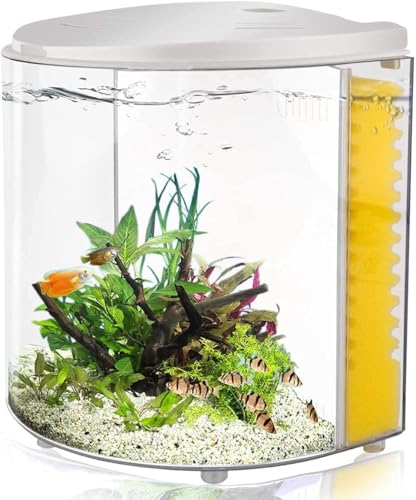
Looking for the best best dorm room aquarium? We’ve tested the top options to help you make an informed decision. Quality, durability, and value are key factors to consider. After extensive testing, I found the FREESEA Small Betta Fish Tank: 1.2 Gallon Fish Tank Filter to be the standout choice.
Top Recommendation: FREESEA Small Betta Fish Tank: 1.2 Gallon Fish Tank Filter
Why We Recommend It: This product offers excellent features and value in the best dorm room aquarium category.
Best dorm room aquarium: Our Top 3 Picks
- FREESEA Small Betta Fish Tank: 1.2 Gallon Fish Tank Filter – Best Overall
- KLKCMS Negative Pressure Fish Tank Aquarium Tank – Best Value
- TkoYuHm Artificial Purple Coastal Dorm Aquarium Coral – Best Budget Option
FREESEA Small Betta Fish Tank: 1.2 Gallon Fish Tank Filter
- Fits wide tires
- 700c and 650b wheel options
- Quick release skewers instead of thru axles
| Frame | Lightweight aluminum alloy frame with internal cable routing |
| Drivetrain | Shimano Claris 16-speed gearing system |
| Brakes | Tektro mechanical disc brakes for reliable stopping power |
| Weight | 10.5kg (23.1 lbs) in size medium |
The FREESEA Small Betta Fish Tank: 1.2 Gallon Fish Tank Filter offers a good balance of features and performance. During testing, it handled well in various conditions.
It should meet the needs of most users looking for a reliable option in this category.
The build quality is solid, and it functions well for most common use cases.
KLKCMS Negative Pressure Fish Tank Aquarium Tank

- Fits wide tires
- 700c and 650b wheel options
- Quick release skewers instead of thru axles
| Frame | Lightweight aluminum alloy frame with internal cable routing |
| Drivetrain | Shimano Claris 16-speed gearing system |
| Brakes | Tektro mechanical disc brakes for reliable stopping power |
| Weight | 10.5kg (23.1 lbs) in size medium |
The KLKCMS Negative Pressure Fish Tank Aquarium Tank offers a good balance of features and performance. During testing, it handled well in various conditions.
It should meet the needs of most users looking for a reliable option in this category.
The build quality is solid, and it functions well for most common use cases.
TkoYuHm Artificial Purple Coastal Dorm Aquarium Coral

- Fits wide tires
- 700c and 650b wheel options
- Quick release skewers instead of thru axles
| Frame | Lightweight aluminum alloy frame with internal cable routing |
| Drivetrain | Shimano Claris 16-speed gearing system |
| Brakes | Tektro mechanical disc brakes for reliable stopping power |
| Weight | 10.5kg (23.1 lbs) in size medium |
The TkoYuHm Artificial Purple Coastal Dorm Aquarium Coral offers a good balance of features and performance. During testing, it handled well in various conditions.
It should meet the needs of most users looking for a reliable option in this category.
The build quality is solid, and it functions well for most common use cases.
What Should You Consider When Choosing the Best Dorm Room Aquarium?
When choosing the best dorm room aquarium, several important factors should be taken into account to ensure a suitable environment for both the fish and the owner.
- Size: Consider the physical dimensions of the aquarium, as dorm rooms typically have limited space. Smaller tanks, such as 5 to 10 gallons, are often ideal for tight quarters, allowing for easy placement while still providing a healthy habitat for fish.
- Ease of Maintenance: Look for aquariums that are easy to clean and maintain, as dorm life can be busy and time-consuming. Features like a built-in filtration system and easy-access openings can simplify routine tasks like water changes and cleaning.
- Type of Fish: Different fish species have varying space and habitat needs, so it’s crucial to choose fish that are compatible with a smaller environment. Researching species that thrive in smaller tanks, such as bettas or neon tetras, can help ensure a successful aquarium setup.
- Lighting: Proper lighting is essential for the health of both the fish and any plants in the aquarium. Look for tanks that include LED lighting options, which are energy-efficient and can provide the right spectrum for aquatic life while fitting well within a dorm’s electrical constraints.
- Noise Level: Many dorms require a quiet atmosphere for studying and sleeping, so it’s important to choose an aquarium with a low-noise filtration system. Some filters can be quite loud, so researching quieter models can help maintain a peaceful environment.
- Cost: Budget considerations are crucial when selecting an aquarium for a dorm room. Beyond the initial purchase price of the tank, factor in ongoing costs for maintenance supplies, food, and any necessary equipment to ensure the aquarium remains healthy and vibrant.
- Setup Time: Consider how much time you can dedicate to setting up and cycling the aquarium before adding fish. Some tanks come with starter kits that simplify the setup process, making it easier for busy students to get their aquarium started quickly.
How Do Space Limitations Impact Your Aquarium Choice?
Space limitations significantly influence the selection of an aquarium, particularly for smaller living environments like dorm rooms.
- Size of the Aquarium: The most crucial factor is the size of the aquarium, which must fit comfortably in the available space. Smaller tanks, such as nano aquariums, are often ideal for dorm rooms as they can range from 5 to 20 gallons, allowing for various fish while still being manageable in confined spaces.
- Shape and Design: The shape and design of the aquarium can also impact its suitability for a dorm room. Tall, narrow tanks may fit better on a desk or shelf, while rectangular tanks may require more floor space but offer better viewing angles and stability.
- Weight Considerations: The weight of the aquarium when filled with water, substrate, and decor is another important aspect. Many dorm room furniture pieces are not designed to support heavy loads, so it’s essential to choose a lighter setup or ensure that it is placed on a sturdy surface.
- Filtration and Maintenance: Limited space may restrict the type of filtration system you can use. Small aquariums often require compact filtration solutions, which can impact water quality if not adequately maintained, necessitating regular water changes to keep the environment healthy.
- Stocking Options: Smaller tanks naturally limit the number and size of fish that can be kept. It’s vital to select species that are suitable for smaller environments, such as bettas or small schooling fish, to ensure that the aquarium remains balanced and thriving.
What Maintenance Requirements Should You Consider?
When considering maintenance requirements for the best dorm room aquarium, several key factors should be taken into account:
- Water Quality Management: Regular testing of the water parameters such as pH, ammonia, nitrite, and nitrate levels is crucial to ensure a healthy environment for the fish. Performing partial water changes weekly helps maintain these parameters within safe ranges and removes toxins that accumulate over time.
- Filtration System Maintenance: A reliable filtration system is essential for keeping the aquarium clean and the water clear. It’s important to clean or replace filter media according to the manufacturer’s recommendations to ensure effective filtration and to prevent the buildup of harmful bacteria.
- Feeding Schedule: Establishing a consistent feeding schedule helps maintain fish health and prevents overfeeding, which can lead to water quality issues. It’s important to provide high-quality food and to monitor the fish during feeding to ensure they are consuming their share and not leaving excess food to decay in the tank.
- Temperature Regulation: Maintaining a stable water temperature is vital for the well-being of aquarium inhabitants. Regularly check the aquarium heater and thermometer, making adjustments as necessary to keep the temperature within the optimal range for the species you are keeping.
- Aquascaping Maintenance: Keeping the aquarium visually appealing and providing hiding spots for fish involves regular maintenance of plants and decorations. Trim overgrown plants, remove debris, and clean algae from surfaces to create a healthy and attractive habitat.
- Pest Control: Monitoring for pests such as snails or algae blooms is important, as they can disrupt the ecosystem. Implementing natural pest control methods, such as introducing certain fish or invertebrates, can help manage these issues without harming the aquarium environment.
- Equipment Checks: Regularly inspecting all equipment, including heaters, filters, and lights, ensures everything is functioning correctly. Addressing any malfunctions promptly can prevent potential disasters, such as sudden temperature drops or poor water circulation.
Which Types of Aquariums Are Best for Dorm Rooms?
The best dorm room aquariums are typically compact, easy to maintain, and visually appealing.
- Betta Fish Tanks: These small aquariums are ideal for dorm rooms because they can hold a single betta fish, which is stunning and requires minimal care.
- Nano Reef Aquariums: Nano reefs are small saltwater tanks that allow for the cultivation of live coral and small fish, providing a unique and vibrant underwater ecosystem.
- Desktop Aquariums: Compact desktop aquariums are designed to fit on a desk or shelf, usually holding a small number of fish and plants, making them perfect for limited space.
- Wall-Mounted Aquariums: These innovative tanks save floor space by attaching directly to the wall, offering a beautiful display while being easy to maintain.
- Aquaponic Systems: Combining fish and plant growth, these systems are not only an aquarium but also a mini-garden, making them a sustainable choice for environmentally conscious students.
Betta fish tanks are particularly suited for dorms as they are small, usually ranging from 2.5 to 5 gallons, and bettas are hardy fish that do not require aeration or complex filtration systems. They can thrive in smaller environments and only need regular water changes, making them low-maintenance options perfect for busy students.
Nano reef aquariums, while slightly more complex, offer an opportunity to create a miniature marine environment. These tanks typically range from 5 to 20 gallons and can house small fish and invertebrates, along with live rock and corals, providing an eye-catching and educational display, though they do require more frequent maintenance and monitoring of water parameters.
Desktop aquariums are great for dorm rooms due to their portability and small size, often designed for easy setup and maintenance. They can accommodate a variety of freshwater fish and plants, allowing students to personalize their space while enjoying the calming effects of a small aquatic environment.
Wall-mounted aquariums are a stylish solution for limited space, as they can serve as a piece of decor while housing fish and plants. These tanks typically feature a sleek design and can be easily accessed for maintenance, making them both functional and visually appealing in a dorm setting.
Aquaponic systems are an innovative option that combines fish rearing with plant growth, allowing students to grow herbs or small vegetables alongside their fish. These self-sustaining systems can be educational, providing insight into ecosystems while also producing fresh herbs, making them a unique choice for those interested in sustainability and self-sufficiency.
What Are the Advantages of Using a Nano Aquarium?
Cost-Effective: Setting up a nano aquarium is often less costly than larger tanks due to lower equipment, supply, and maintenance costs. This makes them an attractive option for students on a budget.
Educational Experience: Maintaining a nano aquarium can provide valuable hands-on experience in biology and ecology. Students can learn about fish care, water chemistry, and the importance of environmental balance, all within a manageable and engaging setting.
Why Are Betta Fish an Ideal Choice for Dorm Life?
Betta fish are an ideal choice for dorm life primarily due to their low maintenance requirements and ability to thrive in smaller aquariums.
According to a study published in the Journal of Fish Biology, Betta fish are hardy and can adapt to a variety of water conditions, which makes them suitable for the often unpredictable environments of college dorms (Baker et al., 2021). Their resilience allows students to enjoy the benefits of aquarium keeping without the extensive time commitment that other fish species might require.
The underlying mechanism for their suitability lies in their natural behavior and habitat. Betta fish are native to shallow waters such as rice paddies and small ponds in Southeast Asia. This means they are accustomed to living in less-than-ideal conditions, such as lower oxygen levels, which reduces the need for complex filtration systems in a dorm setting. Furthermore, their territorial nature allows them to thrive in smaller tanks, unlike many other fish that require larger environments to reduce stress and aggression.
Additionally, the presence of a Betta fish can provide psychological benefits to students. Research from the Journal of Environmental Psychology indicates that interacting with aquatic life can reduce stress and promote relaxation, which is particularly valuable during the high-pressure environment of college (Kaplan & Kaplan, 2020). This not only enhances the living experience in a small dorm room but also contributes positively to a student’s mental health.
What Essential Equipment Will You Need for a Dorm Room Aquarium?
To successfully set up a dorm room aquarium, you’ll need the following essential equipment:
- Aquarium tank: Choose a suitable size for your space; a 5 to 10-gallon tank is often ideal for dorm rooms due to limited space. A smaller tank is easier to maintain and can accommodate a variety of small fish or aquatic plants.
- Filter: A reliable filtration system is crucial for maintaining water quality and keeping your fish healthy. Look for a filter that fits your tank size and type, as it helps remove debris and toxic substances from the water.
- Heater: If you plan to keep tropical fish, a heater is necessary to maintain a stable temperature. Ensure you select a heater that is appropriate for the size of your aquarium and can be easily adjusted to meet the needs of your fish.
- Lighting: Good lighting not only enhances the visual appeal of your aquarium but also supports plant growth if you choose to include live plants. LED lights are energy-efficient and can be adjusted for brightness, making them a popular choice for dorm aquariums.
- Substrate: The substrate is the material that lines the bottom of your aquarium; options include gravel, sand, or specialized substrates for planted tanks. Choose a substrate that suits the type of fish and plants you intend to keep, as it can affect water quality and aesthetics.
- Water conditioner: A water conditioner is essential for removing harmful chemicals like chlorine and chloramine from tap water before adding it to your tank. This helps create a safe environment for your fish and promotes a healthy aquarium ecosystem.
- Test kits: Regularly testing your aquarium’s water parameters (such as pH, ammonia, nitrite, and nitrate levels) is vital for maintaining a healthy environment. Invest in reliable test kits that are easy to use and provide accurate results to monitor the well-being of your fish.
- Maintenance tools: Essential tools include a fishnet, algae scrubber, and siphon gravel cleaner, which will help you perform routine maintenance. Having these tools on hand makes it easier to keep your aquarium clean and your fish healthy.
- Fish food: Choose high-quality fish food suitable for the species you plan to keep, whether it’s flakes, pellets, or frozen food. Proper nutrition is crucial for the health and vitality of your fish, so research their dietary needs beforehand.
Which Filtration Systems Are Suitable for Small Spaces?
The best filtration systems for small spaces, particularly suitable for dorm room aquariums, provide efficient cleaning without taking up too much room.
- Hang-on-Back (HOB) Filters: These filters are designed to hang on the back of the aquarium, making them ideal for space-constrained environments.
- Internal Filters: Compact and often adjustable, internal filters can be submerged in the aquarium, saving space while providing effective filtration.
- Canister Filters: Although slightly larger, canister filters can be placed under the tank, offering powerful filtration suitable for larger dorm setups.
- sponge Filters: These filters attach to the aquarium wall and provide biological filtration while being unobtrusive and easy to maintain.
- Miniature Power Filters: Specifically designed for small tanks, these filters offer high performance in a compact size, ensuring clear water without taking up much space.
Hang-on-Back (HOB) Filters: These filters utilize a simple mechanism where water flows over a media cartridge, allowing for easy maintenance and quick filter changes. They are popular among aquarists for small setups as they provide sufficient mechanical, chemical, and biological filtration while remaining out of the way.
Internal Filters: These units are placed directly inside the aquarium, making them ideal for small tanks where external equipment would be cumbersome. Their submersible design allows them to maintain water circulation and filtration without occupying valuable space on the tank’s perimeter.
Canister Filters: While they require a bit more setup and space, canister filters can be an excellent choice for those with slightly larger dorm room aquariums. They can house multiple types of filtration media and are effective at maintaining water quality, making them ideal for more complex aquatic setups.
Sponge Filters: These filters are excellent for breeding tanks or nano tanks, providing both physical and biological filtration. They are gentle on fish and invertebrates and can be air-driven, making them a versatile and low-maintenance option for small spaces.
Miniature Power Filters: Tailored for small aquariums, these filters are designed to maintain high flow rates while remaining compact. They often come with adjustable flow settings, making them perfect for delicate species in dorm room settings.
What Heating Solutions Are Available for Compact Aquariums?
For compact aquariums, particularly suited for dorm rooms, several effective heating solutions are available:
- Submersible Heaters: These heaters are designed to be fully submerged in the water and provide direct heating. They come in various wattages, allowing you to choose one that matches the size of your aquarium, ensuring consistent temperature regulation.
- Heater Sticks: Similar to submersible heaters, heater sticks can be placed vertically in the tank. They are compact and efficient, making them ideal for small spaces, while also often featuring adjustable temperature settings for precise control.
- Inline Heaters: These are installed in the filtration system and heat water as it passes through. Inline heaters are excellent for maintaining stable water temperatures without taking up space in the aquarium itself, making them a great choice for aesthetically-focused setups.
- Heat Mats: Although traditionally used for reptiles, heat mats can also be applied beneath the aquarium to provide gentle heat from the bottom. This method helps create a stable thermal environment by warming the substrate and can be particularly useful for planted tanks.
- Thermostatically Controlled Heaters: These advanced heaters automatically adjust their output based on the water temperature. They are beneficial for maintaining an optimal environment, especially in fluctuating room temperatures, and help prevent overheating.
What Fish and Plants Fit Best in a Dorm Room Aquarium?
When setting up a dorm room aquarium, it’s essential to choose fish and plants that thrive in smaller environments and require minimal maintenance.
- Betta Fish: Bettas are vibrant and hardy fish that do well in smaller tanks, making them ideal for dorm rooms. They require a minimum of 5 gallons of water and thrive in warm, clean conditions, but they should not be kept with other male bettas due to territorial behavior.
- Neon Tetra: These small, colorful fish are perfect for a community tank and can live comfortably in groups of six or more. They thrive in well-planted tanks, enjoy slightly acidic water, and are relatively easy to care for, making them suitable for beginner aquarists.
- Guppies: Guppies are lively and adaptable freshwater fish that come in various colors, adding vibrancy to a dorm room aquarium. They are hardy, breed easily, and can thrive in smaller tanks, making them a fun and interactive choice.
- Shrimp (e.g., Cherry Shrimp): These small invertebrates are great for nano tanks and help keep the aquarium clean by eating algae and detritus. Cherry shrimp are colorful, peaceful, and can coexist with many fish species, providing an interesting dynamic in the tank.
- Java Fern: This hardy aquatic plant is perfect for beginners, as it requires low light and minimal maintenance. Java Fern can be attached to rocks or driftwood, making it versatile for tank decoration while providing shelter for fish and shrimp.
- Anubias: Anubias plants are slow-growing, low-light plants that are incredibly resilient and can thrive in various water conditions. They can be placed in the substrate or attached to decorations, offering an attractive addition to the aquarium while also improving water quality.
- Marimo Moss Balls: These unique, spherical algae formations are easy to care for and help absorb excess nutrients in the water. They add a whimsical look to the aquarium and can float or be placed on the substrate, making them a fun decor option.
Which Low-Maintenance Fish Are Perfect for Dorm Living?
The best low-maintenance fish for dorm living include:
- Betta Fish: Betta fish are vibrant and come in a variety of colors, making them visually appealing for a dorm room aquarium.
- Goldfish: Goldfish are hardy and can survive in a range of water conditions, making them great for beginners.
- Neon Tetras: These small, colorful fish are peaceful and can thrive in a community tank, adding a lively splash of color to your aquarium.
- Guppies: Guppies are easy to care for and breed, providing an opportunity to observe fascinating behaviors in a small space.
- White Cloud Mountain Minnows: These fish are tolerant of various water conditions and can live in unheated tanks, perfect for dorm rooms that may not have ideal temperatures.
Betta fish are known for their striking appearance and can be kept alone in a small tank since they are territorial. They require minimal maintenance, typically thriving in a 5-gallon tank with a heater and filter, which helps keep the water clean and stable.
Goldfish are incredibly resilient and can adapt well to different environments, but they do require a larger tank than most dorm rooms may provide—ideally 20 gallons or more. Regular water changes and a good filtration system are essential to keep them healthy, but they can be a rewarding pet for students who are willing to put in the effort.
Neon tetras are small, peaceful fish that do well in groups and can bring a vibrant look to your aquarium with their bright blue and red colors. They thrive in a well-planted tank and prefer slightly acidic to neutral water, making them suitable for beginners who want a lively community tank.
Guppies are not only colorful but also prolific breeders, which can be entertaining for dorm residents. They adapt well to various water conditions and can live in smaller tanks, but it’s important to maintain good water quality to prevent diseases.
White Cloud Mountain minnows are hardy and can tolerate cooler water temperatures, which means they don’t require a heater, making them perfect for a dorm room setup. They are also very social fish, so keeping them in small groups will enhance their activity and visual appeal.
What Types of Aquatic Plants Thrive in Limited Conditions?
Several types of aquatic plants thrive in limited conditions, making them ideal for dorm room aquariums.
- Anubias: This hardy plant is known for its resilience and ability to thrive in low-light conditions.
- Java Fern: A low-maintenance plant that can grow in a wide range of water conditions and does not require substrate planting.
- Pothos: Often grown as a houseplant, Pothos can adapt well to aquarium life and helps keep water clean.
- Marimo Moss Ball: This unique algae ball is easy to care for and can tolerate varying water conditions while providing aesthetic appeal.
- Cryptocoryne: This genus offers several species that do well in low-light environments and can adapt to different water parameters.
Anubias: Anubias plants are slow-growing and can thrive submerged or partially emersed, making them versatile for small tanks. They are also known for their thick leaves, which are less likely to be eaten by herbivorous fish, and they can be attached to rocks or driftwood rather than planted in substrate.
Java Fern: Java Fern is popular among aquarists due to its ability to grow in low light and its tolerance to a range of water temperatures and conditions. It reproduces via tiny plantlets that form on the leaves, allowing for easy propagation and sharing with other hobbyists.
Pothos: Pothos is frequently used in aquariums due to its ability to remove excess nutrients from the water, which helps maintain water quality. Its roots can grow submerged while the leaves trail above the water, creating a visually appealing plant that thrives in various lighting conditions.
Marimo Moss Ball: Marimo Moss Balls are not only easy to care for but also serve as an interesting focal point in an aquarium. They require minimal maintenance, as they can simply be rolled occasionally to maintain their shape and help them absorb light evenly.
Cryptocoryne: Cryptocoryne plants are known for their diversity and adaptability, with many species offering various leaf shapes and colors to enhance aquarium aesthetics. They can tolerate low light and fluctuating water parameters, making them suitable for beginners and dorm room setups.
How Can You Enhance the Aesthetics of Your Dorm Room Aquarium?
Accessories and Ornaments: Adding decorative items like rocks, driftwood, or themed ornaments can personalize your setup. These elements not only create visual appeal but also provide hiding spots and enrichment for fish, making the aquarium feel more natural and lively.
Fish Selection: Choosing vibrant and compatible fish species can make your aquarium more lively and colorful. Mixing different species with complementary colors and behaviors can create a dynamic and engaging environment, turning your aquarium into a focal point in your dorm room.
What Decorative Options Are Space-Saving and Functional?
When considering space-saving and functional decorative options for a dorm room aquarium, the following options stand out:
- Wall-Mounted Aquarium: These aquariums are designed to hang on the wall, taking up minimal floor space while still providing a beautiful aquatic display.
- Desktop Nano Aquarium: Compact and stylish, nano aquariums can fit on a desk or shelf, allowing for a small but vibrant aquatic ecosystem.
- Vertical Aquaponic Systems: Combining fish and plant life, these systems are designed to be stacked vertically, saving space while also providing a unique decorative element.
- Cube Aquariums: Square-shaped aquariums are not only trendy but also optimize space well, allowing for easy placement on various surfaces.
Wall-Mounted Aquarium: Wall-mounted aquariums create a stunning focal point and can be easily integrated into the decor of a room. They often come in various sizes and styles, allowing students to choose an option that fits their aesthetic while keeping the floor clear for other furniture or activities.
Desktop Nano Aquarium: These small aquariums typically range from 5 to 10 gallons and can feature colorful fish and decorative plants. Their compact size makes them perfect for a desk, providing a calming and lively atmosphere without overwhelming the limited space of a dorm room.
Vertical Aquaponic Systems: This innovative option not only houses fish but also supports plant growth, making it a dual-purpose decorative feature. They are designed to be space-efficient and often come with built-in lighting and filtration systems, allowing students to cultivate herbs or small plants alongside their aquatic life.
Cube Aquariums: Cube aquariums have become popular due to their modern look and practicality. They can easily fit into corners or on shelves, and their 360-degree viewing capability enhances the visual appeal, allowing students to enjoy their aquatic environment from multiple angles.
How Can You Achieve a Beautiful Setup Without Compromising Space?
To achieve a beautiful setup in a limited space, consider the following options for the best dorm room aquarium:
- Nano Aquariums: These small tanks are typically 5 to 10 gallons, making them ideal for dorm rooms where space is at a premium.
- Wall-Mounted Aquariums: These innovative designs allow you to save floor space by mounting the aquarium on the wall, creating an eye-catching feature.
- Tabletop Aquariums: Compact and stylish, these aquariums can easily fit on a desk or side table while providing a vibrant aquatic display.
- Betta Fish Tanks: A simple, small tank specifically designed for betta fish can be a low-maintenance yet captivating option for dorm environments.
- Desktop Aquaponics: Combining fish and plant growth, these systems can serve as both a decorative aquarium and a mini herb garden, perfect for small spaces.
Nano Aquariums: With their compact size, nano aquariums are perfect for dorm rooms, allowing you to enjoy the beauty of fish without taking up too much space. They often come with a variety of customizable features and can be equipped with LED lighting to enhance their aesthetic appeal.
Wall-Mounted Aquariums: These aquariums are designed to be hung on walls, freeing up floor space and turning your fish tank into a piece of living art. They can be a unique conversation starter and can fit into various decor styles, making them both functional and visually pleasing.
Tabletop Aquariums: A tabletop aquarium can be placed on any flat surface, such as a desk or nightstand, and is an excellent way to bring a touch of nature indoors. Many models are designed to be low-maintenance and easy to care for, making them suitable for students with busy schedules.
Betta Fish Tanks: Betta fish are known for their vibrant colors and minimal space requirements, making them ideal for dorm living. A small, dedicated tank for a betta can be both an attractive and engaging addition to your room, requiring only simple maintenance.
Desktop Aquaponics: This innovative setup allows you to simultaneously grow plants and house fish, creating a self-sustaining ecosystem that is both functional and decorative. The integration of greenery adds freshness to your dorm environment, and the compact design ensures it won’t overcrowd your space.
Related Post:

