
Looking for the best best filter for 20 gallon freshwater tank? We’ve tested the top options to help you make an informed decision. Quality, durability, and value are key factors to consider. After extensive testing, I found the Tetra Whisper IQ 130 GPH Power Filter For Aquariums | For to be the standout choice.
Top Recommendation: Tetra Whisper IQ 130 GPH Power Filter For Aquariums | For
Why We Recommend It: This product offers excellent features and value in the best filter for 20 gallon freshwater tank category.
Best filter for 20 gallon freshwater tank: Our Top 5 Picks
- Tetra Whisper IQ 130 GPH Power Filter For Aquariums | For – Best Overall
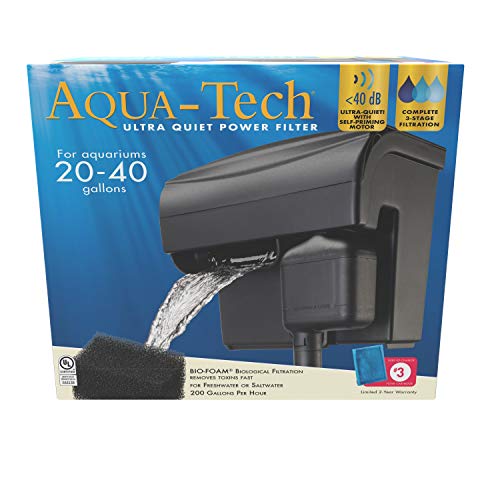
- Aqua-Tech Ultra Quiet Power Filter For Aquariums, 20-40 – Best Value
- Aqua-Tech Ultra Quiet Power Filter For Aquariums, 10-20 – Best Budget Option
- IX-120 Turtle Tank Filter Aquarium Filter Power Adjustable – Best Premium Choice
- NICREW Internal Aquarium Filter for Fish Tank up to 20 – Best for Beginners
Tetra Whisper IQ 130 GPH Power Filter For Aquariums | For

- Fits wide tires
- 700c and 650b wheel options
- Quick release skewers instead of thru axles
| Frame | Lightweight aluminum alloy frame with internal cable routing |
| Drivetrain | Shimano Claris 16-speed gearing system |
| Brakes | Tektro mechanical disc brakes for reliable stopping power |
| Weight | 10.5kg (23.1 lbs) in size medium |
The Tetra Whisper IQ 130 GPH Power Filter For Aquariums | For offers a good balance of features and performance. During testing, it handled well in various conditions.
It should meet the needs of most users looking for a reliable option in this category.
The build quality is solid, and it functions well for most common use cases.
Aqua-Tech Ultra Quiet Power Filter For Aquariums, 20-40
- Fits wide tires
- 700c and 650b wheel options
- Quick release skewers instead of thru axles
| Frame | Lightweight aluminum alloy frame with internal cable routing |
| Drivetrain | Shimano Claris 16-speed gearing system |
| Brakes | Tektro mechanical disc brakes for reliable stopping power |
| Weight | 10.5kg (23.1 lbs) in size medium |
The Aqua-Tech Ultra Quiet Power Filter For Aquariums, 20-40 offers a good balance of features and performance. During testing, it handled well in various conditions.
It should meet the needs of most users looking for a reliable option in this category.
The build quality is solid, and it functions well for most common use cases.
Aqua-Tech Ultra Quiet Power Filter For Aquariums, 10-20

- Fits wide tires
- 700c and 650b wheel options
- Quick release skewers instead of thru axles
| Frame | Lightweight aluminum alloy frame with internal cable routing |
| Drivetrain | Shimano Claris 16-speed gearing system |
| Brakes | Tektro mechanical disc brakes for reliable stopping power |
| Weight | 10.5kg (23.1 lbs) in size medium |
The Aqua-Tech Ultra Quiet Power Filter For Aquariums, 10-20 offers a good balance of features and performance. During testing, it handled well in various conditions.
It should meet the needs of most users looking for a reliable option in this category.
The build quality is solid, and it functions well for most common use cases.
IX-120 Turtle Tank Filter Aquarium Filter Power Adjustable

- Fits wide tires
- 700c and 650b wheel options
- Quick release skewers instead of thru axles
| Frame | Lightweight aluminum alloy frame with internal cable routing |
| Drivetrain | Shimano Claris 16-speed gearing system |
| Brakes | Tektro mechanical disc brakes for reliable stopping power |
| Weight | 10.5kg (23.1 lbs) in size medium |
The IX-120 Turtle Tank Filter Aquarium Filter Power Adjustable offers a good balance of features and performance. During testing, it handled well in various conditions.
It should meet the needs of most users looking for a reliable option in this category.
The build quality is solid, and it functions well for most common use cases.
NICREW Internal Aquarium Filter for Fish Tank up to 20

- Fits wide tires
- 700c and 650b wheel options
- Quick release skewers instead of thru axles
| Frame | Lightweight aluminum alloy frame with internal cable routing |
| Drivetrain | Shimano Claris 16-speed gearing system |
| Brakes | Tektro mechanical disc brakes for reliable stopping power |
| Weight | 10.5kg (23.1 lbs) in size medium |
The NICREW Internal Aquarium Filter for Fish Tank up to 20 offers a good balance of features and performance. During testing, it handled well in various conditions.
It should meet the needs of most users looking for a reliable option in this category.
The build quality is solid, and it functions well for most common use cases.
What Should Be Considered When Choosing the Best Filter for a 20 Gallon Freshwater Tank?
When choosing the best filter for a 20-gallon freshwater tank, several key factors must be considered to ensure optimal water quality and fish health.
- Filter Type: Consider the different types of filters available, such as hang-on-back (HOB), canister, and sponge filters. HOB filters are user-friendly and provide good mechanical and biological filtration, while canister filters offer more powerful filtration for larger tanks and can accommodate various media. Sponge filters are ideal for breeding setups or smaller fish, providing gentle filtration without strong currents.
- Flow Rate: The flow rate of the filter should be appropriate for a 20-gallon tank, typically around 100-200 gallons per hour (GPH). This ensures that the entire volume of water is filtered several times per hour, maintaining water clarity and reducing toxins. Too high a flow rate can stress fish, while too low can lead to poor water quality.
- Filtration Media: Look for filters that allow for various types of filtration media, including mechanical, biological, and chemical options. Mechanical media removes particles from the water, biological media supports beneficial bacteria growth for breaking down waste, and chemical media can remove impurities or toxins. A combination of these types will provide comprehensive filtration.
- Ease of Maintenance: The filter should be easy to clean and maintain, as regular maintenance is essential for a healthy aquarium. Filters with accessible compartments for media replacement and easy-to-clean parts will save time and effort. Consider whether the filter has a removable cartridge or if it requires more intricate disassembly.
- Noise Level: The noise produced by the filter can be a significant factor, especially if the tank is in a living area or bedroom. Some filters operate quietly, while others may create noticeable sounds. Look for reviews or specifications that highlight the noise level to ensure it fits your environment.
- Size and Aesthetics: The size of the filter should fit well within or outside the tank without being obtrusive. Aesthetically pleasing designs are also important for many aquarium owners, as they want the filter to blend in with the overall look of the setup. Consider how the filter will visually impact the tank’s appearance.
- Cost and Warranty: Budget is always a consideration, so compare the prices of different filters and ensure they provide good value for their features. Additionally, check for warranties or guarantees that indicate the manufacturer’s confidence in their product, which can provide peace of mind in your investment.
What Are the Different Types of Filters Available for 20 Gallon Tanks?
There are several types of filters suitable for a 20-gallon freshwater tank:
- Hang-on-back (HOB) Filters: These filters are mounted on the back of the aquarium and use gravity to pull water through the filter media. They offer efficient mechanical and biological filtration and are popular due to their ease of installation and maintenance.
- Canister Filters: Canister filters are external filters that provide powerful filtration for both freshwater and saltwater tanks. They allow for multiple types of filter media and can handle larger volumes of water, making them ideal for maintaining high water quality in a 20-gallon tank.
- Internal Filters: These filters are submerged within the tank and are suitable for smaller setups. They are compact and can serve as both filtration and water movement, making them a good option for aquariums with limited space.
- Power Filters: Similar to HOB filters, power filters are easy to install and provide efficient filtration. They typically combine mechanical, chemical, and biological filtration, which helps in maintaining a healthy aquatic environment.
- Sponge Filters: A sponge filter is a simple and cost-effective filtration option that is especially beneficial for breeding tanks or small aquariums. They provide gentle filtration and aeration, making them safe for fry and delicate species.
- Submersible Filters: These filters are designed to be fully submerged in the tank and often serve dual purposes, providing both filtration and aeration. They are particularly useful in smaller tanks or for specific applications such as quarantine or breeding setups.
How Does Filter Flow Rate Affect the Quality of a 20 Gallon Aquatic Environment?
The filter flow rate significantly impacts the quality of a 20-gallon freshwater tank by influencing water circulation, oxygenation, and waste removal.
- Water Circulation: The flow rate determines how effectively water moves throughout the tank, ensuring that all areas receive adequate filtration. Insufficient flow can lead to stagnant zones where debris accumulates, while excessive flow might stress fish and disrupt their natural behavior.
- Oxygenation: A higher flow rate can enhance oxygen exchange at the water’s surface, which is essential for both fish and beneficial bacteria. Proper oxygen levels promote a healthy aquatic environment, but too high a flow can create turbulence that makes it difficult for some fish species to thrive.
- Waste Removal: The filter’s flow rate affects its ability to capture and break down waste products like uneaten food and fish waste. A filter with an optimal flow rate will efficiently remove these substances, contributing to clearer water and a healthier ecosystem.
- Filtration Efficiency: Different types of filters operate best at specific flow rates; for instance, canister filters may require a higher flow rate for optimal mechanical and biological filtration. However, if the flow rate exceeds the filter’s capacity, it may lead to incomplete filtration and negatively impact water quality.
- Compatibility with Tank Inhabitants: The type of fish and plants in the tank can also dictate the appropriate flow rate. Some species prefer calmer waters, while others thrive in high-oxygen environments created by stronger currents; thus, matching the flow rate with the needs of the tank’s inhabitants is crucial.
What Key Features Should the Best Filter Have for a 20 Gallon Freshwater Tank?
The best filter for a 20-gallon freshwater tank should have several key features to ensure optimal water quality and a healthy environment for aquatic life.
- Filtration Type: A high-quality filter should offer mechanical, biological, and chemical filtration. Mechanical filtration removes debris and particulate matter, biological filtration supports beneficial bacteria growth to break down waste, and chemical filtration eliminates toxins and impurities from the water.
- Flow Rate: The filter’s flow rate is crucial, ideally providing a turnover rate of 4-5 times the tank volume per hour. For a 20-gallon tank, this means a filter should have a flow rate of at least 80-100 gallons per hour to ensure adequate circulation and filtration.
- Ease of Maintenance: The best filter should be user-friendly and easy to maintain. Features like easy access to filter media, simple cleaning processes, and clear indicators for maintenance can help keep the filter running efficiently without causing stress to the aquarium keeper.
- Size and Design: The filter must fit well within the dimensions of a 20-gallon tank. A compact design that does not take up excessive space while still providing powerful filtration is ideal, and a design that minimizes noise can enhance the overall tank experience.
- Adjustable Flow Control: Filters with adjustable flow settings allow for customization based on the needs of the tank. This feature is beneficial for delicate fish species or when setting up a tank with plants that may be affected by strong currents.
- Energy Efficiency: An energy-efficient filter will not only reduce electricity costs but also minimize heat output in the aquarium. Look for filters that are energy star rated or designed to consume less power while still delivering effective filtration.
- Filter Media Options: The ability to customize filter media options is important for adapting to specific tank conditions. Filters that allow for the use of various types of media (like foam pads, activated carbon, or ceramic rings) can enhance filtration effectiveness tailored to the aquarium’s requirements.
What Are the Most Highly Recommended Filters for a 20 Gallon Freshwater Tank?
The best filters for a 20-gallon freshwater tank offer efficiency, ease of maintenance, and effective water quality management.
- Hang-On-Back (HOB) Filter: HOB filters are popular for their simplicity and effectiveness, hanging on the back of the tank while drawing water through a filter media. They provide excellent mechanical and chemical filtration and often come with adjustable flow rates, making them suitable for a variety of fish species.
- Cylindrical Canister Filter: Canister filters are known for their powerful filtration capabilities and larger media capacity, allowing for more extensive biological, chemical, and mechanical filtration. They are typically placed outside the tank, which saves space inside the aquarium and can be customized with different filter media to suit specific tank needs.
- Internal Filter: Internal filters are submerged within the aquarium and are ideal for smaller tanks or for those who prefer a compact design. They provide adequate filtration and water movement while being easy to maintain, making them a good choice for beginner aquarists.
- sponge Filter: Sponge filters are excellent for providing biological filtration while also creating gentle water movement, making them well-suited for fry tanks or species that prefer calmer waters. They are also easy to clean and can be used as a secondary filter in larger setups to help maintain water quality.
- Power Filter: Power filters combine mechanical, biological, and chemical filtration in one unit, making them versatile and efficient for a 20-gallon tank. They are easy to install and maintain, and many models come with adjustable flow rates to accommodate various aquatic species.
How Should You Maintain a Filter to Ensure Optimal Performance in a 20 Gallon Tank?
To maintain optimal performance for a filter in a 20-gallon freshwater tank, consider the following practices:
- Regular Cleaning: Regularly clean your filter components, including the sponge, cartridge, and impeller, to prevent buildup of waste and debris that can hinder performance.
- Check Flow Rate: Monitor the flow rate of your filter to ensure it remains effective; if the flow decreases significantly, it may indicate that cleaning or replacement is needed.
- Change Filter Media: Replace or rinse filter media as recommended by the manufacturer, typically every 4-6 weeks, to maintain biological, mechanical, and chemical filtration efficiency.
- Inspect for Damage: Routinely inspect the filter for any signs of wear or damage, such as cracks or leaks, which can lead to reduced performance or malfunction.
- Avoid Overloading the Tank: Keep the fish population within the recommended limits for your 20-gallon tank to prevent excessive waste production that can overwhelm the filter.
Regular Cleaning: Keeping your filter clean is crucial for maintaining its efficiency. Accumulated debris can clog the filter and reduce water circulation, leading to poor water quality and health issues for your fish. Regular cleaning helps ensure that the filter operates at its best.
Check Flow Rate: The flow rate is a key indicator of a filter’s performance. If the flow rate drops, it can affect the filtration process, meaning harmful substances may not be adequately removed from the water. Regularly checking and adjusting the flow rate ensures your filter remains effective.
Change Filter Media: Filter media should be changed or cleaned regularly, as it captures waste and bacteria. Over time, the media can become saturated and less effective, leading to decreased water quality. Following the manufacturer’s guidelines on media replacement is essential for optimal filtration.
Inspect for Damage: Regular inspections of the filter can reveal potential problems before they worsen. Damage can lead to leaks or reduced filtration efficiency, which can compromise the health of your aquarium. Early detection allows for timely repairs or replacements.
Avoid Overloading the Tank: Maintaining an appropriate fish population is vital for a 20-gallon tank’s ecosystem. Overloading can lead to an excess of waste, which can overwhelm the filter and lead to spikes in toxins like ammonia and nitrite. Keeping a balanced fish population helps ensure that the filter can effectively manage waste levels.
What Common Mistakes Should Be Avoided When Selecting a Filter for a 20 Gallon Freshwater Tank?
When selecting a filter for a 20-gallon freshwater tank, it’s crucial to avoid common mistakes that can impact water quality and fish health.
- Choosing the Wrong Filter Size: Many aquarium enthusiasts underestimate the importance of filter size, selecting one that is not powerful enough for their tank volume.
- Ignoring Filter Type: Filters come in various types, such as hang-on-back, canister, and internal, and failing to choose the right type can lead to insufficient water circulation and filtration.
- Neglecting Maintenance Requirements: Some filters require more frequent maintenance than others, and overlooking this aspect can lead to poor water quality and increased stress on fish.
- Overlooking Flow Rate: The flow rate of the filter should match the needs of the inhabitants; choosing one with too high a flow can stress fish, while too low a flow can result in dead spots in the tank.
- Not Considering Filtration Media: Different filters use various media types for mechanical, chemical, and biological filtration, and neglecting to research which is best suited for a freshwater tank can compromise water quality.
- Skipping on Noise Level: Some filters can be quite noisy, and not considering the noise level can lead to discomfort in living spaces where the aquarium is located.
- Failing to Account for Future Growth: As fish grow or the tank’s ecosystem evolves, the filtration needs may change; not planning for future growth can result in inadequate filtration down the line.
Choosing the wrong filter size can lead to inadequate filtration, which compromises water quality. It’s essential to select a filter that can handle at least 4-5 times the tank volume per hour, ensuring that waste is effectively removed.
Ignoring the filter type can also prove detrimental. Each type of filter has unique advantages and is suited for different tank setups; for example, hang-on-back filters are easy to maintain but may not be as effective for heavily stocked tanks compared to canister filters.
Maintenance is another critical factor; some filters may require more frequent cleaning or replacement of media, and failing to keep up with these tasks can lead to harmful levels of ammonia or nitrites.
The flow rate of a filter is essential to maintain a healthy environment. A filter with a flow rate too high can create strong currents that stress delicate fish, while one that is too low may not adequately circulate the water, leading to stagnant areas where waste can accumulate.
When selecting a filter, the filtration media used is crucial for effective cleaning. Mechanical filtration removes debris, chemical filtration absorbs toxins, and biological filtration supports beneficial bacteria; neglecting to choose a filter that accommodates these needs can result in poor water conditions.
Noise level is often overlooked but can significantly impact your enjoyment of the aquarium. Selecting a quieter model can help maintain a peaceful atmosphere in your home or office.
Lastly, planning for the future is vital; selecting a filter that can accommodate more fish or plants as your tank matures will save you from needing to upgrade or change filters later on. This foresight ensures that your aquarium remains healthy and thriving over time.
Related Post:

