
Looking for the best best filter for 36 gallon tank? We’ve tested the top options to help you make an informed decision. Quality, durability, and value are key factors to consider. After extensive testing, I found the Tetra Whisper 200 GPH Internal Power Aquarium Filter | to be the standout choice.
Top Recommendation: Tetra Whisper 200 GPH Internal Power Aquarium Filter |
Why We Recommend It: This product offers excellent features and value in the best filter for 36 gallon tank category.
Best filter for 36 gallon tank: Our Top 4 Picks
- Tetra Whisper 200 GPH Internal Power Aquarium Filter | – Best Overall
- Aqua-Tech Ultra Quiet Power Filter For Aquariums, 20-40 – Best Value
- Marineland Bio-Wheel Penguin 200 GPH Power Aquarium Filter – Best Budget Option
- Pawfly 7 W Hang on Back Aquarium Filter for 30-40 Gallon – Best Premium Choice
Tetra Whisper 200 GPH Internal Power Aquarium Filter |

- Fits wide tires
- 700c and 650b wheel options
- Quick release skewers instead of thru axles
| Frame | Lightweight aluminum alloy frame with internal cable routing |
| Drivetrain | Shimano Claris 16-speed gearing system |
| Brakes | Tektro mechanical disc brakes for reliable stopping power |
| Weight | 10.5kg (23.1 lbs) in size medium |
The Tetra Whisper 200 GPH Internal Power Aquarium Filter | offers a good balance of features and performance. During testing, it handled well in various conditions.
It should meet the needs of most users looking for a reliable option in this category.
The build quality is solid, and it functions well for most common use cases.
Aqua-Tech Ultra Quiet Power Filter For Aquariums, 20-40
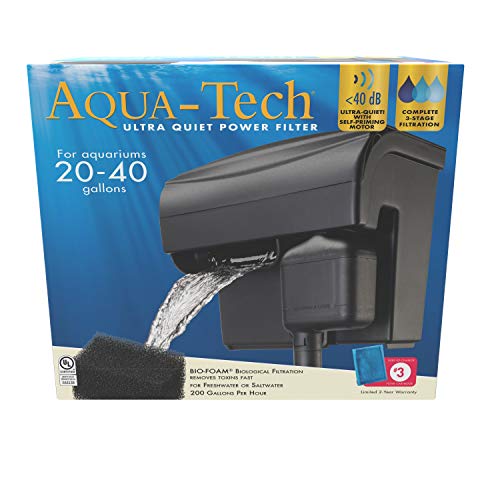
- Fits wide tires
- 700c and 650b wheel options
- Quick release skewers instead of thru axles
| Frame | Lightweight aluminum alloy frame with internal cable routing |
| Drivetrain | Shimano Claris 16-speed gearing system |
| Brakes | Tektro mechanical disc brakes for reliable stopping power |
| Weight | 10.5kg (23.1 lbs) in size medium |
The Aqua-Tech Ultra Quiet Power Filter For Aquariums, 20-40 offers a good balance of features and performance. During testing, it handled well in various conditions.
It should meet the needs of most users looking for a reliable option in this category.
The build quality is solid, and it functions well for most common use cases.
Marineland Bio-Wheel Penguin 200 GPH Power Aquarium Filter

- Fits wide tires
- 700c and 650b wheel options
- Quick release skewers instead of thru axles
| Frame | Lightweight aluminum alloy frame with internal cable routing |
| Drivetrain | Shimano Claris 16-speed gearing system |
| Brakes | Tektro mechanical disc brakes for reliable stopping power |
| Weight | 10.5kg (23.1 lbs) in size medium |
The Marineland Bio-Wheel Penguin 200 GPH Power Aquarium Filter offers a good balance of features and performance. During testing, it handled well in various conditions.
It should meet the needs of most users looking for a reliable option in this category.
The build quality is solid, and it functions well for most common use cases.
Pawfly 7 W Hang on Back Aquarium Filter for 30-40 Gallon

- Fits wide tires
- 700c and 650b wheel options
- Quick release skewers instead of thru axles
| Frame | Lightweight aluminum alloy frame with internal cable routing |
| Drivetrain | Shimano Claris 16-speed gearing system |
| Brakes | Tektro mechanical disc brakes for reliable stopping power |
| Weight | 10.5kg (23.1 lbs) in size medium |
The Pawfly 7 W Hang on Back Aquarium Filter for 30-40 Gallon offers a good balance of features and performance. During testing, it handled well in various conditions.
It should meet the needs of most users looking for a reliable option in this category.
The build quality is solid, and it functions well for most common use cases.
What Should You Consider When Choosing the Best Filter for a 36 Gallon Tank?
When choosing the best filter for a 36-gallon tank, several key factors should be considered to ensure optimal water quality and fish health.
- Flow Rate: The flow rate of the filter should be appropriate for the size of your tank, typically rated at least 4 to 5 times the tank’s volume per hour. For a 36-gallon tank, look for a filter that has a flow rate of at least 144 to 180 gallons per hour to ensure adequate circulation and filtration.
- Filtration Type: Different filters provide different types of filtration: mechanical, biological, and chemical. A combination filter that offers all three types is ideal, as it will effectively remove debris, support beneficial bacteria, and eliminate toxins from the water.
- Size and Space: The physical size of the filter must fit well within the tank’s design and available space. Consider whether you want a hang-on-back, canister, or internal filter, and ensure that it does not overcrowd the tank or disrupt the aesthetic.
- Maintenance Requirements: Consider how easy it is to maintain the filter, including the frequency and complexity of cleaning and replacing filter media. Some filters are designed for easy access and less frequent maintenance, which can be a significant advantage for busy aquarists.
- Noise Level: Some filters can be quite noisy, which may be a concern if the tank is in a living area or bedroom. Look for filters that are specifically marketed as quiet or have sound-dampening features to minimize disturbances.
- Cost and Budget: Prices for filters can vary widely, so it’s crucial to consider your budget. While it may be tempting to go for the cheapest option, investing in a quality filter that meets all your needs can save you money in the long run by reducing maintenance and enhancing fish health.
- Brand Reputation: Researching brands and reading reviews can provide insights into the reliability and performance of different filters. Established brands often have a track record of quality and customer service, which can be reassuring when making a purchase.
How Does Tank Size Impact the Choice of Filter?
The size of a tank significantly influences the selection of an appropriate filter to ensure optimal water quality and a healthy environment for aquatic life.
- Flow Rate: The flow rate of a filter should be suitable for the tank’s size to ensure adequate water circulation and filtration.
- Type of Filtration: Different types of filters (mechanical, chemical, biological) vary in effectiveness based on the tank size and the aquatic inhabitants.
- Filter Size and Design: The physical dimensions and design of the filter must fit within the constraints of the tank while providing sufficient filtration capacity.
- Maintenance Needs: Larger tanks might require filters that are easier to maintain, as larger volumes of water can increase the complexity of cleaning routines.
- Aquatic Life Considerations: The choice of filter should take into account the types of fish and plants in the tank, as some species may need specific water conditions that certain filters can help maintain.
Flow Rate: The flow rate of a filter is crucial because it determines how quickly the water in the tank is cycled through the filtration system. For a 36-gallon tank, the ideal flow rate is typically 4 to 10 times the tank volume per hour, ensuring that all water is filtered effectively without creating excessive current that could stress the fish.
Type of Filtration: Filters can be categorized into mechanical, chemical, and biological types, each serving a unique purpose in maintaining water quality. For a 36-gallon tank, using a combination of these filtration types ensures that particulate matter is removed, toxins are neutralized, and beneficial bacteria are nurtured for a balanced ecosystem.
Filter Size and Design: The physical size and design of the filter must fit comfortably within the aquarium setup, allowing for efficient operation and access for maintenance. Canister filters, hang-on-back filters, or internal filters can all be options, but they need to be compatible with the tank’s dimensions and aesthetic.
Maintenance Needs: The maintenance requirements of the filter should match the owner’s ability to keep up with cleaning schedules. Larger tanks can complicate cleaning routines, so choosing a filter that is easy to access and service can help maintain water quality without excessive effort.
Aquatic Life Considerations: Different fish and plants have varying needs in terms of water flow and filtration. For instance, delicate fish may require a gentler flow, while others may thrive in stronger currents, influencing the filter’s design and settings in a 36-gallon tank.
What Role Does Flow Rate Play in Filter Selection?
- Understanding Flow Rate: Flow rate refers to the volume of water that a filter can process in a given amount of time, typically measured in gallons per hour (GPH). For a 36-gallon tank, it is essential that the filter can adequately circulate and clean the water, ensuring that pollutants are removed and oxygen is properly distributed.
- Recommended Flow Rate: A general guideline for flow rate is to have a filter that can process at least 5 to 10 times the tank volume per hour. Therefore, for a 36-gallon tank, a filter with a flow rate of 180 to 360 GPH would be ideal to maintain optimal water quality and clarity.
- Impact on Aquatic Life: The flow rate can significantly influence the living conditions of fish and other aquatic creatures. Some species thrive in strong currents, while others prefer calm waters; thus, it is important to select a filter that not only meets the flow rate requirements but also supports the specific needs of the tank’s inhabitants.
- Adjustability and Features: Many modern filters come with adjustable flow settings, allowing aquarium owners to customize the flow rate based on their tank’s needs. This feature can be especially beneficial in a mixed-species tank, where different fish may require different flow conditions for their comfort and health.
- Maintenance Considerations: A filter with a higher flow rate may require more frequent maintenance, as it can accumulate debris more quickly. Choosing a filter that provides adequate flow without excessive buildup can help reduce maintenance tasks, ensuring that the tank remains clean and the filter operates efficiently.
Which Types of Filters Are Most Suitable for a 36 Gallon Tank?
When considering the best filter for a 36 gallon tank, several types of filters can effectively maintain water quality and support aquatic life.
- Canister Filter: Canister filters are powerful and versatile, making them ideal for larger tanks like a 36-gallon setup. They provide excellent mechanical, chemical, and biological filtration and can handle a higher volume of water, ensuring optimal conditions for fish and plants.
- Hang-On-Back (HOB) Filter: HOB filters are popular for their ease of installation and maintenance. They hang on the back of the tank and utilize a siphon to draw water through filter media, offering adequate filtration for a 36-gallon tank while maintaining a low-profile design.
- Internal Filter: Internal filters are submerged within the tank and are a good option for those who prefer a compact solution. They provide effective filtration and circulation while being easy to install and maintain, though they may take up space inside the tank.
- Powerhead Filter: Powerhead filters are primarily used for water movement but can also provide filtration when combined with appropriate media. They are particularly useful for tanks with high bioloads or when creating water currents for certain fish species.
- Sponge Filter: Sponge filters are an excellent choice for smaller fish tanks or fry tanks due to their gentle filtration and aeration. They are highly effective in biological filtration and are easy to clean, making them a great option for a 36-gallon tank, especially if housing delicate or small fish.
How Effective Are Hang-On-Back Filters for This Tank Size?
The effectiveness of hang-on-back (HOB) filters for a 36-gallon tank can depend on several factors including flow rate, filtration capacity, and ease of maintenance.
- Flow Rate: The flow rate of a filter is crucial for maintaining water quality. For a 36-gallon tank, a filter with a flow rate that can turnover the tank volume at least 4-5 times per hour is ideal, ensuring effective filtration and circulation.
- Filtration Stages: HOB filters typically offer mechanical, chemical, and biological filtration. This multi-stage filtration is beneficial for maintaining clear water and a healthy environment by physically removing debris, absorbing toxins, and supporting beneficial bacteria growth.
- Maintenance: One of the advantages of HOB filters is their ease of maintenance. They can be cleaned without disrupting the tank’s ecosystem, and filter media can be replaced conveniently, allowing for regular upkeep to ensure optimal performance.
- Noise Level: HOB filters can produce noise, which may be a consideration for some aquarists. Choosing a model known for quiet operation can enhance the overall enjoyment of the aquarium, particularly in living spaces.
- Cost and Accessibility: HOB filters are generally affordable and widely available, making them a practical choice for hobbyists. The availability of replacement parts and filter media also contributes to their long-term viability as a filtering solution for a 36-gallon tank.
What Advantages Do Canister Filters Offer for 36 Gallon Tanks?
Canister filters offer several advantages for 36-gallon tanks, making them a popular choice among aquarium enthusiasts.
- Superior Filtration: Canister filters provide multiple stages of filtration, including mechanical, biological, and chemical processes. This multi-layered approach ensures that water is thoroughly cleaned, removing debris, toxins, and harmful bacteria effectively.
- Adjustable Flow Rates: Many canister filters come with adjustable flow rates, allowing users to customize the water movement in their tank. This feature is particularly beneficial for delicate fish species or planted tanks, where too much water flow can disrupt their environment.
- Space Efficiency: Canister filters are typically located outside of the aquarium, freeing up valuable space within the tank. This external configuration allows for a larger volume of filter media, which can enhance filtration efficiency and reduce maintenance frequency.
- Quiet Operation: Compared to some internal filters, canister filters operate more quietly, making them ideal for home or office settings. This is especially important for those who want to enjoy their aquarium without the distraction of noise.
- Versatile Media Options: Canister filters offer flexibility in the type of filter media used, accommodating various combinations of sponges, carbon, and ceramic rings. This versatility allows users to tailor the filtration setup to meet the specific needs of their tank’s inhabitants.
What Are the Top Recommended Brands for Filters in a 36 Gallon Tank?
Some of the top recommended brands for filters in a 36-gallon tank include:
- Fluval: Fluval filters are known for their reliable performance and advanced filtration technology, making them a popular choice for both freshwater and saltwater tanks. They offer multiple stages of filtration, ensuring that water remains clean and clear, which is crucial for maintaining a healthy aquatic environment.
- Marineland: Marineland filters provide effective mechanical, chemical, and biological filtration, catering to both novice and experienced aquarists. Their Emperor series, in particular, is well-regarded for its dual filter cartridges and adjustable flow rate, allowing for customizable filtration based on the specific needs of your tank.
- API: API filters are designed with simplicity and efficiency in mind, making them user-friendly for beginners. They often come with features like easy-to-replace filter media and built-in aeration, which not only keeps the water clean but also promotes oxygenation for fish health.
- Aqueon: Aqueon filters are celebrated for their quiet operation and energy efficiency, which is a significant advantage in maintaining a peaceful aquarium environment. Their products typically include adjustable flow rates and a multi-stage filtration system that helps to keep the water quality high in a 36-gallon tank.
- Seachem: Seachem filters are particularly favored among those who prioritize high-quality filtration and the health of their aquatic ecosystem. They often include specialized media that enhances biological filtration and supports the growth of beneficial bacteria, which are vital for the nitrogen cycle in aquariums.
Which Brands are Considered the Most Reliable and Why?
The best filters for a 36-gallon tank are often determined by their reliability, efficiency, and effectiveness in maintaining water quality.
- Fluval 207 Performance Canister Filter: Known for its powerful filtration capabilities and quiet operation, the Fluval 207 is a top choice for a 36-gallon tank. It features a multi-stage filtration system that effectively removes debris and impurities while providing excellent biological filtration, ensuring a healthy environment for aquatic life.
- Marineland Penguin 350 Bio-Wheel Power Filter: This filter is celebrated for its reliable performance and ease of use. Its Bio-Wheel technology enhances biological filtration by promoting beneficial bacteria growth, while the adjustable flow rate allows customization to suit different tank setups.
- Aqueon QuietFlow 50 LED Pro: This filter is popular for its silent operation and built-in LED indicator that signals when the filter cartridge needs to be changed. Its multi-stage filtration process, which includes mechanical, chemical, and biological components, ensures clean and clear water, benefiting both fish and plants.
- Seachem Tidal 55 Power Filter: With a self-priming feature and adjustable flow rate, the Seachem Tidal 55 is designed for ease of use and adaptability. It also includes a large media basket that allows for customizable filtration media, making it suitable for various tank setups and needs.
- API Filstar XP Canister Filter: This canister filter is recognized for its high capacity and effective multi-stage filtration. Its design allows easy access to filter media and maintenance, making it convenient for aquarium hobbyists while providing excellent water clarity and quality.
How Can You Ensure Optimal Performance of Your Filter?
To ensure optimal performance of your filter for a 36-gallon tank, consider the following factors:
- Choose the Right Filter Type: Selecting the best filter for your tank involves understanding the different types available, such as canister, hang-on-back, and sponge filters. Each type has its own advantages; for instance, canister filters are often more powerful and provide better filtration for larger tanks, while hang-on-back filters are easier to maintain and install.
- Maintain Proper Flow Rate: It’s essential to match the filter’s flow rate with the tank size and the specific needs of your aquatic life. A general rule is to have a filter that can process the entire tank volume at least 4-5 times per hour, ensuring that water remains clean and well-circulated.
- Regular Maintenance: Regularly cleaning and maintaining your filter is crucial for its efficiency. This includes rinsing or replacing filter media according to the manufacturer’s recommendations, checking for blockages, and ensuring that all components function properly to avoid reduced performance.
- Monitor Water Parameters: Keeping an eye on water quality parameters such as ammonia, nitrate, and pH can help you gauge the effectiveness of your filter. If you notice any fluctuations, it may indicate that the filter is not performing optimally or that it needs maintenance or media changes.
- Avoid Overcrowding: Overcrowding your tank can lead to increased waste production, which can overwhelm your filter. Ensure that you adhere to stocking guidelines and consider the bioload of your fish to maintain a clean and healthy environment, which in turn allows your filter to perform at its best.
What Maintenance Practices Should You Follow for Best Results?
To achieve optimal performance and longevity of your aquarium filter, consider the following maintenance practices:
- Regular Cleaning: Clean the filter media every 4-6 weeks to remove debris and prevent clogging.
- Media Replacement: Replace filter media according to the manufacturer’s guidelines to ensure effective filtration.
- Water Changes: Conduct regular water changes, ideally 10-20% weekly, to maintain water quality and reduce stress on the filter.
- Check Flow Rate: Monitor the flow rate of your filter to ensure it operates efficiently and replace it if the flow decreases significantly.
- Inspect Seals and Gaskets: Regularly check for any wear or damage to seals and gaskets, as leaks can impact performance.
- Avoid Overfeeding: Reduce waste accumulation by avoiding overfeeding your fish, which can lead to rapid clogging of the filter.
- Test Water Parameters: Regularly test water parameters such as ammonia, nitrites, and nitrates to gauge the effectiveness of your filtration system.
Regular cleaning is essential as it helps to maintain the filter’s efficiency by removing accumulated dirt and waste that can obstruct water flow. It’s important to use aquarium-safe products and avoid overwashing, which can strip beneficial bacteria from the media.
Media replacement involves changing out the filter cartridges or sponges as directed, which ensures that the filter continues to effectively remove toxins and particulates from the water. Some media can be rinsed and reused, but be cautious to preserve beneficial bacteria.
Water changes are critical for removing harmful substances and replenishing essential minerals in the tank. Consistent water changes help in keeping the biological filter balanced and reducing the workload on mechanical filters.
Checking the flow rate of the filter is crucial as a decrease can indicate that the filter is clogged or malfunctioning. Maintaining the correct flow rate ensures that the entire tank is adequately filtered.
Inspecting seals and gaskets helps prevent leaks that can lead to water loss and filter inefficiency. Replacing worn seals promptly will help to maintain a secure and effective filtration system.
Avoiding overfeeding is vital as excess food decomposes and creates waste, leading to a higher demand on the filter. Feeding the appropriate amount helps keep the tank clean and reduces filter maintenance frequency.
Testing water parameters regularly provides insights into the water quality and filter effectiveness. Keeping track of levels can alert you to issues before they become severe, allowing for timely intervention.
What Common Maintenance Mistakes Should You Avoid?
Common maintenance mistakes to avoid when managing a 36-gallon tank include:
- Neglecting to Change the Filter Media: Regularly changing or cleaning the filter media is crucial for maintaining water quality. Failing to do so can lead to an accumulation of harmful toxins and poor oxygenation, which can stress aquatic life.
- Overfeeding Fish: Providing too much food can result in excess waste, leading to poor water conditions and increased ammonia levels. It is essential to feed only what your fish can consume in a few minutes to maintain a healthy environment.
- Inconsistent Water Changes: Regular water changes are necessary to remove pollutants and replenish essential minerals. Inconsistent changes can cause fluctuations in water parameters, leading to stress and illness in fish.
- Ignoring Water Parameter Testing: Not regularly testing water parameters like pH, ammonia, nitrites, and nitrates can result in unnoticed problems. Consistent testing ensures that the tank’s environment remains stable and conducive for aquatic life.
- Improper Placement of Equipment: Placing equipment like filters and heaters incorrectly can lead to poor circulation and uneven water temperatures. Proper placement ensures that all areas of the tank receive adequate filtration and heating, promoting a balanced ecosystem.
- Using Incompatible Tank Mates: Introducing fish that do not get along can result in stress, aggression, and even fatalities. It’s important to research the compatibility of species before adding new fish to the tank.
- Neglecting Tank Decor and Substrate Maintenance: Over time, decorations and substrate can accumulate waste and detritus, which can affect water quality. Regular cleaning of these elements helps to maintain a healthy tank environment.
- Setting Up the Tank Incorrectly Initially: Starting with improper cycling or inadequate filtration can lead to major issues down the line. Properly cycling the tank before adding fish ensures that beneficial bacteria are established, creating a stable environment for your aquatic pets.
What Issues Might Arise with Filters in a 36 Gallon Tank?
On the other hand, over-filtering can create strong currents that can be detrimental to species that thrive in low-flow environments, potentially leading to stress or injury. Balancing filtration strength according to the tank’s inhabitants is key.
Regular maintenance of filters is essential; however, if a filter is too complex or time-consuming to clean, it may not be maintained properly, compromising water quality. Ensuring that the filter is user-friendly can aid in consistent upkeep.
Noise levels can vary significantly between filter types. Filters that produce excessive noise might not only disturb the fish but can also be bothersome in quiet home settings, prompting some owners to seek quieter alternatives.
Compatibility with the tank setup is important, as certain filters may disrupt delicate ecosystems, particularly in aquascapes with live plants or specific species of fish that require stable conditions. Understanding the specific needs of the aquarium is vital for choosing the right filter.
Lastly, the cost of replacement parts can add up over time, particularly for filters that require specialized cartridges or components. It’s advisable to factor in these ongoing costs when selecting a filter to avoid unexpected financial burdens later on.
How Can You Identify and Troubleshoot Filtration Problems?
Identifying and troubleshooting filtration problems is essential for maintaining a healthy aquarium environment, especially in a 36-gallon tank.
- Check the Filter Media: Inspect the filter media for clogs or excessive debris that may impede water flow.
- Inspect Water Flow Rate: Monitor the water flow rate to ensure it meets the recommended standards for your filter type.
- Look for Unusual Noises: Listen for any unusual sounds coming from the filter, which may indicate mechanical issues.
- Assess Water Clarity: Evaluate the clarity and color of the water, as cloudy or discolored water can signal filtration issues.
- Test Water Parameters: Regularly test the water parameters such as ammonia, nitrite, and nitrate levels to ensure they are within safe ranges.
Check the Filter Media: The filter media is crucial for trapping debris and beneficial bacteria. If the media is clogged, it can significantly reduce the filter’s effectiveness, leading to poor water quality. Regular maintenance, including cleaning or replacing the media, is vital to ensure optimal performance.
Inspect Water Flow Rate: Each filter has a specified flow rate that should be maintained for effective filtration. If the flow is too weak, it may not adequately circulate the water, while excessive flow can disturb fish and plants. Adjustments may be needed or a different filter may be required based on the tank’s needs.
Look for Unusual Noises: Filters that are functioning properly should operate quietly. If you hear grinding, rattling, or gurgling sounds, it may indicate a problem such as an obstruction or a failing motor. Investigating and addressing these sounds promptly can prevent further damage.
Assess Water Clarity: Clean, clear water is a sign of effective filtration, while cloudy or discolored water can suggest that the filter is not working properly. Algae blooms, bacterial growth, or trapped debris can all contribute to water quality issues, necessitating immediate attention to the filter system.
Test Water Parameters: Regular testing of water parameters is essential to identify any potential issues with the filtration system. Elevated levels of harmful substances like ammonia or nitrite may indicate that the filter is not cycling properly or that beneficial bacteria are being compromised. Adjusting the filtration or improving tank maintenance can help restore balance.
What Do Experienced Aquarists Recommend Regarding Filters for 36 Gallon Tanks?
Experienced aquarists recommend several types of filters for 36-gallon tanks to ensure optimal water quality and fish health.
- Canister Filter: Canister filters are highly regarded for their versatility and efficiency in larger aquariums.
- Hang-On-Back Filter: Hang-on-back filters are popular for their ease of installation and maintenance, making them ideal for beginner aquarists.
- Internal Filter: Internal filters are compact and can help in smaller setups or for aquarists looking for a more discreet filtration solution.
- Power Filter: Power filters are effective for 36-gallon tanks, providing strong water circulation and multi-stage filtration.
- Sponge Filter: Sponge filters are an economical choice, especially for breeding tanks or aquariums with delicate fish, as they offer gentle filtration.
Canister filters are highly regarded for their versatility and efficiency in larger aquariums. They offer multiple stages of filtration, including mechanical, biological, and chemical, allowing for a clean and healthy environment for fish. Their ability to handle larger volumes of water also means they can maintain high water quality with less frequent maintenance.
Hang-on-back filters are popular for their ease of installation and maintenance, making them ideal for beginner aquarists. These filters hang on the back of the aquarium, drawing water in and passing it through filter media before returning it to the tank. They provide good mechanical and biological filtration and are generally affordable, making them a convenient choice.
Internal filters are compact and can help in smaller setups or for aquarists looking for a more discreet filtration solution. They are submerged inside the aquarium and are particularly useful in tanks with limited space. Additionally, they often provide aeration along with filtration, promoting a healthy environment for aquatic life.
Power filters are effective for 36-gallon tanks, providing strong water circulation and multi-stage filtration. They can handle a higher bioload, making them suitable for tanks with more fish or plants. The ease of replacing filter cartridges and adjusting flow rates makes them a versatile option for different types of aquariums.
Sponge filters are an economical choice, especially for breeding tanks or aquariums with delicate fish, as they offer gentle filtration. They consist of a sponge that provides biological filtration while also aiding in aeration. Their low flow rate makes them safe for fry and sensitive species, ensuring that the fish are not subjected to strong currents.
What Key Tips Have Aquarists Shared About Filter Choice and Maintenance?
Aquarists have shared several key tips about filter choice and maintenance that are crucial for maintaining a healthy aquarium.
- Choose the Right Size Filter: It’s essential to select a filter that is appropriately rated for a 36-gallon tank. Filters are often rated by their flow rate, and a good rule of thumb is to have a filter that can process the entire volume of water at least 4-5 times per hour to ensure effective filtration.
- Consider Filter Type: The best filter for a 36-gallon tank can vary based on the type of aquatic life you keep. Canister filters provide powerful filtration and are ideal for heavily stocked tanks, while hang-on-back filters are easier to maintain and suitable for lighter bioloads.
- Regular Maintenance Schedule: Consistent maintenance is key to filter efficiency; this includes cleaning or replacing filter media regularly. Aquarists recommend checking the filter at least once a month to prevent buildup of debris that can reduce water flow and filtration effectiveness.
- Monitor Water Parameters: Keeping an eye on water quality parameters can help determine if the filter is functioning correctly. Regular testing for ammonia, nitrites, and nitrates helps ensure the filter is adequately maintaining the tank’s ecosystem.
- Optimize Flow Rate: Adjusting the flow rate of the filter can be important based on the species of fish you keep. Some fish prefer calmer waters, so it’s beneficial to use flow control features or add decorations to break the current if necessary.


