
Looking for the best best filter for 5 gallon shrimp tank? We’ve tested the top options to help you make an informed decision. Quality, durability, and value are key factors to consider. After extensive testing, I found the NICREW Internal Aquarium Filter for Fish Tank up to 5 to be the standout choice.
Top Recommendation: NICREW Internal Aquarium Filter for Fish Tank up to 5
Why We Recommend It: This product offers excellent features and value in the best filter for 5 gallon shrimp tank category.
Best filter for 5 gallon shrimp tank: Our Top 5 Picks
- NICREW Internal Aquarium Filter for Fish Tank up to 5 – Best Overall
- Aqueon QuietFlow Internal Filter SmartClean Technology – Best Value
- Devopet HOB Aquarium Filter, Small Fish Tank Filter for Up – Best Budget Option
- Small Fish Tank Filter Slim Aquarium Filter | Hang on Back – Best Premium Choice
- Tetra Whisper 85 GPH Internal Power Filter For Aquariums | – Best for Beginners
NICREW Internal Aquarium Filter for Fish Tank up to 5

- Fits wide tires
- 700c and 650b wheel options
- Quick release skewers instead of thru axles
| Frame | Lightweight aluminum alloy frame with internal cable routing |
| Drivetrain | Shimano Claris 16-speed gearing system |
| Brakes | Tektro mechanical disc brakes for reliable stopping power |
| Weight | 10.5kg (23.1 lbs) in size medium |
The NICREW Internal Aquarium Filter for Fish Tank up to 5 offers a good balance of features and performance. During testing, it handled well in various conditions.
It should meet the needs of most users looking for a reliable option in this category.
The build quality is solid, and it functions well for most common use cases.
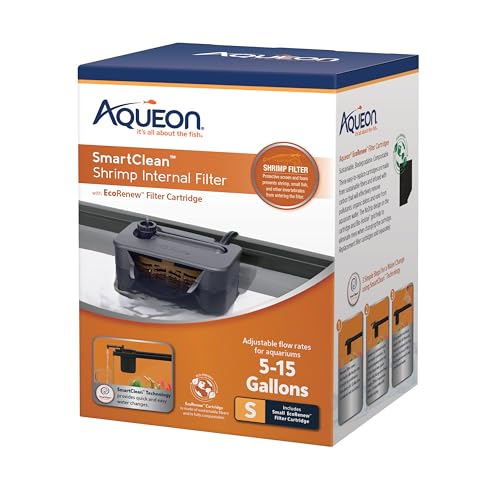
Aqueon QuietFlow Internal Filter SmartClean Technology
- Fits wide tires
- 700c and 650b wheel options
- Quick release skewers instead of thru axles
| Frame | Lightweight aluminum alloy frame with internal cable routing |
| Drivetrain | Shimano Claris 16-speed gearing system |
| Brakes | Tektro mechanical disc brakes for reliable stopping power |
| Weight | 10.5kg (23.1 lbs) in size medium |
The Aqueon QuietFlow Internal Filter SmartClean Technology offers a good balance of features and performance. During testing, it handled well in various conditions.
It should meet the needs of most users looking for a reliable option in this category.
The build quality is solid, and it functions well for most common use cases.
Devopet HOB Aquarium Filter, Small Fish Tank Filter for Up

- Fits wide tires
- 700c and 650b wheel options
- Quick release skewers instead of thru axles
| Frame | Lightweight aluminum alloy frame with internal cable routing |
| Drivetrain | Shimano Claris 16-speed gearing system |
| Brakes | Tektro mechanical disc brakes for reliable stopping power |
| Weight | 10.5kg (23.1 lbs) in size medium |
The Devopet HOB Aquarium Filter, Small Fish Tank Filter for Up offers a good balance of features and performance. During testing, it handled well in various conditions.
It should meet the needs of most users looking for a reliable option in this category.
The build quality is solid, and it functions well for most common use cases.
Small Fish Tank Filter Slim Aquarium Filter | Hang on Back

- Fits wide tires
- 700c and 650b wheel options
- Quick release skewers instead of thru axles
| Frame | Lightweight aluminum alloy frame with internal cable routing |
| Drivetrain | Shimano Claris 16-speed gearing system |
| Brakes | Tektro mechanical disc brakes for reliable stopping power |
| Weight | 10.5kg (23.1 lbs) in size medium |
The Small Fish Tank Filter Slim Aquarium Filter | Hang on Back offers a good balance of features and performance. During testing, it handled well in various conditions.
It should meet the needs of most users looking for a reliable option in this category.
The build quality is solid, and it functions well for most common use cases.
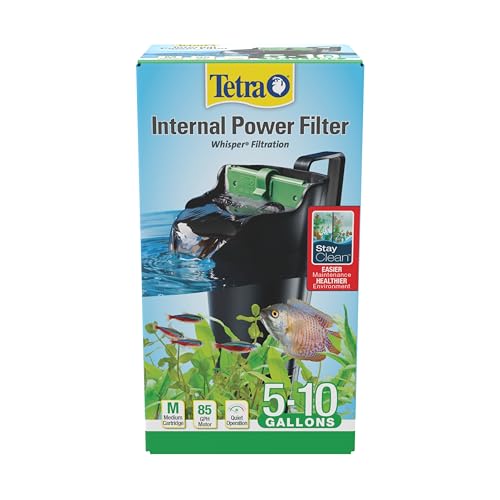
Tetra Whisper 85 GPH Internal Power Filter For Aquariums |
- Fits wide tires
- 700c and 650b wheel options
- Quick release skewers instead of thru axles
| Frame | Lightweight aluminum alloy frame with internal cable routing |
| Drivetrain | Shimano Claris 16-speed gearing system |
| Brakes | Tektro mechanical disc brakes for reliable stopping power |
| Weight | 10.5kg (23.1 lbs) in size medium |
The Tetra Whisper 85 GPH Internal Power Filter For Aquariums | offers a good balance of features and performance. During testing, it handled well in various conditions.
It should meet the needs of most users looking for a reliable option in this category.
The build quality is solid, and it functions well for most common use cases.
What Are the Essential Features of a Good Filter for a 5 Gallon Shrimp Tank?
The essential features of a good filter for a 5-gallon shrimp tank include:
- Gentle Water Flow: A filter should provide a gentle water flow to avoid disturbing shrimp and their habitat.
- Biological Filtration: Effective biological filtration is crucial for maintaining water quality by breaking down harmful toxins produced by shrimp waste.
- Adjustable Filtration Rate: The ability to adjust the filtration rate allows customization based on shrimp activity and tank setup.
- Easy Maintenance: A filter that is easy to clean and maintain helps ensure consistent water quality without causing stress to the shrimp.
- Compact Size: A compact filter design is essential for a 5-gallon tank to maximize space while still providing efficient filtration.
Gentle Water Flow: Shrimp are delicate creatures that thrive in calm waters. A filter designed for gentle flow ensures that the shrimp are not swept away or stressed, allowing them to forage and behave naturally in their environment.
Biological Filtration: Good biological filtration supports the growth of beneficial bacteria that convert harmful ammonia and nitrites into less harmful nitrates. This is especially important in a smaller tank where water quality can deteriorate quickly without proper filtration.
Adjustable Filtration Rate: An adjustable filtration rate enables hobbyists to tailor the filter’s output to match their specific tank conditions. This feature is particularly useful as shrimp can be sensitive to high water flow, and adjustments can be made based on feeding times or shrimp molting periods.
Easy Maintenance: Regular maintenance is key to keeping a shrimp tank healthy. A filter that can be easily disassembled and cleaned ensures that the beneficial bacteria are not disrupted during maintenance, thus maintaining a stable environment for the shrimp.
Compact Size: In a 5-gallon shrimp tank, space is often limited, so a compact filter design helps maximize the available area for shrimp to explore. Smaller filters can fit neatly into the tank without taking away from the aesthetic or space for plants and decorations.
Which Types of Filters Are Most Suitable for a 5 Gallon Shrimp Tank?
The best filters for a 5-gallon shrimp tank focus on maintaining water quality while being gentle enough for delicate shrimp.
- Sponge Filter: Ideal for shrimp tanks due to its gentle filtration method.
- Hang-On-Back (HOB) Filter: Provides good filtration capacity and is easy to maintain.
- Internal Filter: Compact and versatile, suitable for small tanks with adjustable flow rates.
- Canister Filter: While typically for larger tanks, a small canister filter can provide efficient filtration without a strong current.
Sponge Filter: Sponge filters are excellent for shrimp tanks as they provide both mechanical and biological filtration while creating minimal water movement. The sponge surface serves as a habitat for beneficial bacteria, which help break down harmful ammonia and nitrites, crucial for the health of shrimp. Additionally, the gentle suction of the sponge prevents shrimp from being sucked in, ensuring their safety.
Hang-On-Back (HOB) Filter: HOB filters are popular for small aquariums due to their ease of installation and effective filtration. They draw water from the tank, filter it through media, and return it, helping to keep the water clean. However, it’s important to choose a model that allows for adjustable flow to avoid creating excessive current that can stress shrimp.
Internal Filter: Internal filters are compact and fit neatly inside the tank, making them suitable for smaller aquariums. Many models come with adjustable flow rates, allowing you to customize the water movement to suit shrimp needs. They typically combine mechanical and biological filtration, helping maintain a stable environment for your aquatic pets.
Canister Filter: While canister filters are generally used for larger tanks, smaller models can be effective in a 5-gallon shrimp tank as well. They offer superior filtration capabilities and can house various filter media, providing excellent water quality. The key is to select a canister filter with a gentle flow rate, ensuring that the shrimp are not disturbed by strong currents.
What Benefits Do Sponge Filters Offer in Shrimp Tanks?
The gentle water flow created by sponge filters is particularly beneficial for shrimp, as it prevents excessive turbulence that could harm delicate shrimp or disturb their habitat. This tranquil environment promotes natural behaviors, such as foraging and breeding, vital for shrimp’s well-being.
Maintenance of sponge filters is straightforward, requiring minimal effort to keep them functioning effectively. Regular rinsing ensures that the sponge remains clean without disrupting the beneficial bacteria population, making it a hassle-free option for shrimp keepers.
Cost-effectiveness is another significant advantage of sponge filters, as they are typically less expensive than other filtration systems and have low operational costs. This makes them accessible for hobbyists looking to maintain smaller shrimp tanks without overspending.
Finally, the oxygenation provided by sponge filters is beneficial for shrimp, especially in smaller tanks where oxygen levels can fluctuate. The rising bubbles facilitate gas exchange, ensuring a healthy and oxygen-rich environment for shrimp to thrive.
How Do Hang-On-Back Filters Support Shrimp Health?
Hang-on-back filters are an excellent choice for maintaining a healthy environment in a 5-gallon shrimp tank due to their effective filtration and ease of use.
- Mechanical Filtration: This type of filtration removes debris and particulate matter from the water, which is crucial for shrimp health as they can be sensitive to water quality. The sponge or filter media captures waste, uneaten food, and other particles, ensuring that the water remains clean and clear.
- Chemical Filtration: Hang-on-back filters often include activated carbon or other chemical media that help remove toxins and impurities from the water. This is particularly important for shrimp, as they are more susceptible to harmful chemicals that can accumulate in a smaller tank environment.
- Biological Filtration: These filters provide a surface area for beneficial bacteria to colonize, which helps to break down harmful ammonia and nitrites produced by shrimp waste. This biological process is essential for maintaining a stable and healthy ecosystem in the tank.
- Adjustable Flow Rate: Many hang-on-back filters come with adjustable flow rates, allowing you to create a gentle current that is suitable for shrimp. This is important because too strong of a flow can stress shrimp and make it difficult for them to feed and move around.
- Easy Maintenance: Hang-on-back filters are designed for easy access, making it simple to clean and replace filter media without disrupting the tank environment. Regular maintenance ensures that the filter continues to operate efficiently, which is vital for the health of the shrimp.
- Space Efficiency: These filters are compact and fit well on the back of the tank, maximizing space for shrimp movement and habitat. This allows for more room in the tank for plants and decorations that provide hiding spots and a natural environment for the shrimp.
What Factors Should You Consider When Choosing a Filter for a 5 Gallon Shrimp Tank?
When selecting the best filter for a 5-gallon shrimp tank, several important factors must be considered to ensure a healthy environment for the shrimp.
- Flow Rate: The flow rate of the filter should be gentle enough to avoid stressing the shrimp.
- Filtration Type: The type of filtration—mechanical, biological, and chemical—should meet the needs of a shrimp tank.
- Size and Space: The physical dimensions of the filter should fit well within the limited space of a 5-gallon tank.
- Noise Level: A quieter filter is preferable to maintain a calm and undisturbed habitat for the shrimp.
- Ease of Maintenance: The filter should be easy to clean and maintain to ensure ongoing water quality.
Flow Rate: The flow rate is critical because shrimp are delicate creatures and can be easily stressed by strong currents. A filter with an adjustable flow rate or a sponge filter can provide adequate filtration while maintaining a gentle water movement, which is essential for their well-being.
Filtration Type: A proper filtration system should incorporate all three types of filtration. Mechanical filtration removes debris, biological filtration helps maintain beneficial bacteria for ammonia and nitrite breakdown, and chemical filtration can remove impurities that may harm shrimp. Choosing a filter that effectively balances these types is crucial for a healthy shrimp tank.
Size and Space: In a 5-gallon tank, space is often limited, so the filter must be compact yet effective. Consider filters that are designed for smaller tanks, ensuring they do not take up too much room or detract from the shrimp’s habitat.
Noise Level: Filters can vary significantly in noise production. A quieter filter is essential in a shrimp tank, as excessive noise can cause stress to the shrimp and disrupt their natural behavior. Look for filters specifically designed to operate quietly.
Ease of Maintenance: Regular maintenance is vital for keeping the water quality high in a shrimp tank. Filters that are easy to dismantle and clean will encourage consistent upkeep, allowing you to monitor and maintain water parameters effectively without too much hassle.
How Can You Ensure That Your Filter is Safe for Shrimp?
To ensure that your filter is safe for a shrimp tank, consider the following factors:
- Filter Type: Choose a filter that is specifically designed for aquarium use, such as sponge filters or hang-on-back filters.
- Flow Rate: Ensure the filter has an adjustable flow rate or a gentle flow to avoid strong currents that can stress shrimp.
- Intake Design: Look for filters with a shrimp-safe intake design, such as a sponge cover or fine mesh, to prevent shrimp from being sucked in.
- Media Options: Select filter media that provides both mechanical and biological filtration without harming the shrimp.
- Size Appropriateness: Ensure that the filter is appropriate for a 5-gallon tank to maintain optimal water quality without overpowering the small space.
Filter Type: Choosing the right type of filter is essential for shrimp health. Sponge filters are excellent as they provide gentle filtration and aeration, while hang-on-back filters can be used if they have adjustable flow settings. These types help maintain water quality without creating harmful conditions for delicate shrimp.
Flow Rate: The flow rate of the filter should be appropriate for the size of the tank and the species of shrimp you keep. Shrimp prefer calm waters, so using a filter with an adjustable flow rate allows you to set it to a gentle level that won’t disturb them. Too strong of a current can lead to stress, making the shrimp more susceptible to disease.
Intake Design: A safe intake design is crucial to prevent shrimp from being trapped or injured. Filters with sponge covers or fine mesh prevent small shrimp from being pulled into the filter, ensuring their safety. This feature is particularly important in a shrimp tank where the young, smaller shrimp are more vulnerable.
Media Options: The filter media should effectively cleanse the water while being safe for shrimp. Mechanical filtration removes debris, while biological filtration supports beneficial bacteria that help break down waste. Using media that won’t harm shrimp is vital, as some materials might leach harmful substances into the water.
Size Appropriateness: Ensuring the filter is suitable for a 5-gallon tank is important to maintain water quality and avoid over-filtering. A filter that is too powerful can create excessive turbulence, while one that is too weak may not adequately filter the water. Proper sizing ensures a balanced environment for both the shrimp and the tank’s ecosystem.
What Maintenance Practices Are Necessary for Filters in a 5 Gallon Shrimp Tank?
Proper maintenance practices are essential for keeping filters in a 5-gallon shrimp tank effective and ensuring the health of the shrimp.
- Regular Cleaning: Filters should be cleaned every 2-4 weeks to prevent clogging and ensure optimal water flow.
- Media Replacement: Filter media, such as sponges or cartridges, should be replaced as needed, typically every 1-3 months, depending on the type of media and the bioload of the tank.
- Water Testing: Regular water testing should be conducted to monitor parameters such as ammonia, nitrites, and nitrates, which helps in assessing filter performance.
- Inspecting Filter Components: Periodically check the filter’s impeller and motor for wear and tear, ensuring that all parts are functioning properly.
- Adjusting Flow Rate: Adjusting the flow rate of the filter can help create a suitable environment for shrimp, especially during molting or if they are exhibiting stress.
Regular Cleaning: Keeping the filter clean is crucial for maintaining water clarity and quality. Accumulated debris can block water passages, reducing the efficiency of the filter and potentially harming the shrimp.
Media Replacement: Over time, filter media can become saturated with waste and beneficial bacteria, reducing its effectiveness. Regularly replacing or rinsing the media helps to maintain biological filtration and keeps harmful toxins at bay.
Water Testing: Monitoring water quality parameters ensures that the filter is working efficiently and that the shrimp are in a safe environment. Elevated levels of ammonia or nitrites can indicate that the filter is not functioning properly, prompting immediate action.
Inspecting Filter Components: A thorough inspection of the filter’s components can prevent unexpected failures. Ensuring that the impeller and motor are in good condition helps to avoid any disruptions in filtration.
Adjusting Flow Rate: Shrimp prefer gentle water flow, so adjusting the flow rate of the filter can create a more comfortable habitat. This adjustment is especially important during sensitive periods, such as molting, when shrimp are more vulnerable to stress.
Related Post:

