
Looking for the best best fish filter for 60 gallon tank? We’ve tested the top options to help you make an informed decision. Quality, durability, and value are key factors to consider. After extensive testing, I found the Tetra Whisper IQ 300 GPH Power Filter For Aquariums | For to be the standout choice.
Top Recommendation: Tetra Whisper IQ 300 GPH Power Filter For Aquariums | For
Why We Recommend It: This product offers excellent features and value in the best fish filter for 60 gallon tank category.
Best fish filter for 60 gallon tank: Our Top 5 Picks
- Tetra Whisper IQ 300 GPH Power Filter For Aquariums | For – Best Overall
- Aqua-Tech Ultra Quiet Power Filter For Aquariums, 30-60 – Best Value
- Marineland Bio-Wheel Penguin 350 GPH Power Aquarium Filter – Best Budget Option
- Hang-on Back Aquarium Multi-Layer Filtration Filter for – Best Premium Choice
- Pawfly Internal Aquarium Filter 160 GPH Water Pump Quiet – Best for Beginners
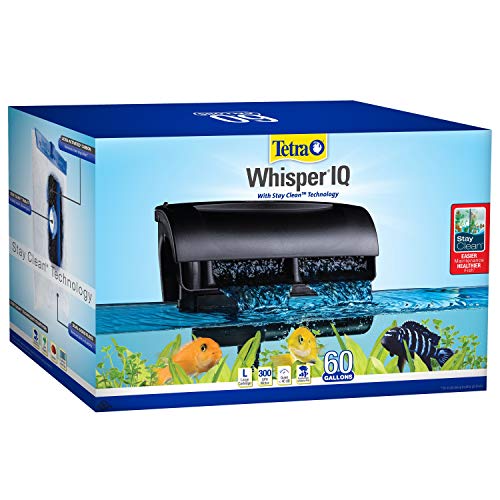
Tetra Whisper IQ 300 GPH Power Filter For Aquariums | For
- Fits wide tires
- 700c and 650b wheel options
- Quick release skewers instead of thru axles
| Frame | Lightweight aluminum alloy frame with internal cable routing |
| Drivetrain | Shimano Claris 16-speed gearing system |
| Brakes | Tektro mechanical disc brakes for reliable stopping power |
| Weight | 10.5kg (23.1 lbs) in size medium |
The Tetra Whisper IQ 300 GPH Power Filter For Aquariums | For offers a good balance of features and performance. During testing, it handled well in various conditions.
It should meet the needs of most users looking for a reliable option in this category.
The build quality is solid, and it functions well for most common use cases.
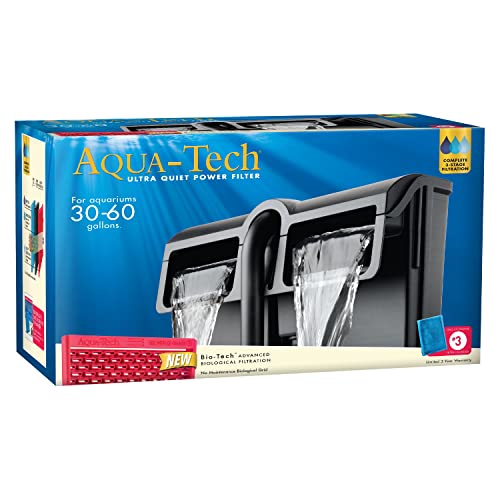
Aqua-Tech Ultra Quiet Power Filter For Aquariums, 30-60
- Fits wide tires
- 700c and 650b wheel options
- Quick release skewers instead of thru axles
| Frame | Lightweight aluminum alloy frame with internal cable routing |
| Drivetrain | Shimano Claris 16-speed gearing system |
| Brakes | Tektro mechanical disc brakes for reliable stopping power |
| Weight | 10.5kg (23.1 lbs) in size medium |
The Aqua-Tech Ultra Quiet Power Filter For Aquariums, 30-60 offers a good balance of features and performance. During testing, it handled well in various conditions.
It should meet the needs of most users looking for a reliable option in this category.
The build quality is solid, and it functions well for most common use cases.
Marineland Bio-Wheel Penguin 350 GPH Power Aquarium Filter

- Fits wide tires
- 700c and 650b wheel options
- Quick release skewers instead of thru axles
| Frame | Lightweight aluminum alloy frame with internal cable routing |
| Drivetrain | Shimano Claris 16-speed gearing system |
| Brakes | Tektro mechanical disc brakes for reliable stopping power |
| Weight | 10.5kg (23.1 lbs) in size medium |
The Marineland Bio-Wheel Penguin 350 GPH Power Aquarium Filter offers a good balance of features and performance. During testing, it handled well in various conditions.
It should meet the needs of most users looking for a reliable option in this category.
The build quality is solid, and it functions well for most common use cases.
Hang-on Back Aquarium Multi-Layer Filtration Filter for

- Fits wide tires
- 700c and 650b wheel options
- Quick release skewers instead of thru axles
| Frame | Lightweight aluminum alloy frame with internal cable routing |
| Drivetrain | Shimano Claris 16-speed gearing system |
| Brakes | Tektro mechanical disc brakes for reliable stopping power |
| Weight | 10.5kg (23.1 lbs) in size medium |
The Hang-on Back Aquarium Multi-Layer Filtration Filter for offers a good balance of features and performance. During testing, it handled well in various conditions.
It should meet the needs of most users looking for a reliable option in this category.
The build quality is solid, and it functions well for most common use cases.
Pawfly Internal Aquarium Filter 160 GPH Water Pump Quiet

- Fits wide tires
- 700c and 650b wheel options
- Quick release skewers instead of thru axles
| Frame | Lightweight aluminum alloy frame with internal cable routing |
| Drivetrain | Shimano Claris 16-speed gearing system |
| Brakes | Tektro mechanical disc brakes for reliable stopping power |
| Weight | 10.5kg (23.1 lbs) in size medium |
The Pawfly Internal Aquarium Filter 160 GPH Water Pump Quiet offers a good balance of features and performance. During testing, it handled well in various conditions.
It should meet the needs of most users looking for a reliable option in this category.
The build quality is solid, and it functions well for most common use cases.
What Should You Consider When Choosing a Fish Filter for a 60 Gallon Tank?
When choosing the best fish filter for a 60-gallon tank, several critical factors should be considered to ensure optimal water quality and fish health.
- Filter Type: The main types of filters include canister, hang-on-back (HOB), and internal filters. Each type has its own advantages: canister filters offer powerful filtration and are ideal for larger tanks; HOB filters are easy to install and maintain; while internal filters are compact and suitable for smaller spaces.
- Filtration Capacity: Ensure the filter is rated for at least 60 gallons or more to adequately handle the bioload of the fish. A filter with a higher flow rate will provide better water circulation and filtration, which is crucial for maintaining a healthy environment.
- Media Options: Different filters use various types of filter media such as mechanical, biological, and chemical. A versatile filter that accommodates different media types allows for customization based on the specific needs of your tank, such as removing toxins or enhancing beneficial bacteria growth.
- Maintenance Requirements: Consider how easy it is to clean and maintain the filter. Filters that require frequent maintenance can be time-consuming, so choosing one that is user-friendly and has replaceable parts can save you time and effort.
- Noise Level: Some filters can be noisy, which may disturb your fish and your household. Look for filters that are specifically designed to operate quietly, particularly if the tank is in a living space or bedroom.
- Energy Efficiency: An energy-efficient filter can help reduce your electricity bills while providing adequate filtration. Check the power consumption of the filter to ensure it aligns with your sustainability goals and budget.
- Brand Reputation and Reviews: Research brands and read customer reviews to gauge the reliability and performance of the filter. Well-established brands often have a track record of quality products and customer satisfaction, making them a safer choice.
How Does the Size of the Fish Tank Impact Filter Selection?
The size of a fish tank significantly influences the selection of an appropriate filter to ensure optimal water quality and fish health.
- Flow Rate: The flow rate of a filter should be suitable for the size of the tank to ensure adequate water circulation.
- Filtration Type: Different filtration types, such as mechanical, biological, and chemical, may be required based on the tank size and the fish species.
- Filter Size and Capacity: The physical size and capacity of the filter must match the tank’s volume to efficiently handle waste production.
- Maintenance Requirements: Larger tanks may require filters that are easy to maintain and service, ensuring long-term functionality.
Flow Rate: For a 60-gallon tank, the recommended flow rate is typically around 300-600 gallons per hour (GPH). This ensures that the water is adequately filtered multiple times a day, which is crucial for maintaining a healthy environment for the fish.
Filtration Type: A combination of mechanical, biological, and chemical filtration is often recommended for larger tanks. Mechanical filtration removes physical debris, biological filtration supports beneficial bacteria growth, and chemical filtration eliminates toxins, ensuring a balanced ecosystem for the fish.
Filter Size and Capacity: The filter should be capable of handling the water volume; thus, a filter designed for larger tanks is ideal. For a 60-gallon tank, choosing a filter that can manage slightly more than the tank’s volume can provide a buffer for waste management.
Maintenance Requirements: Larger tanks can accumulate more waste, making it essential to select a filter that is easy to clean and maintain. Filters with accessible parts and easy-to-replace media can save time and ensure that the filter operates effectively over the long term.
What Types of Filtration Systems Are Essential for a 60 Gallon Tank?
Several types of filtration systems are essential for maintaining a healthy environment in a 60-gallon fish tank.
- Canister Filters: Canister filters are powerful filtration systems that provide mechanical, chemical, and biological filtration. They are ideal for larger tanks like a 60-gallon aquarium because they can handle high flow rates and have large media capacities, which means they can filter a significant volume of water effectively.
- Hang-on-Back (HOB) Filters: HOB filters are a popular choice for 60-gallon tanks due to their ease of installation and maintenance. These filters hang on the back of the tank and draw water through a filter cartridge, providing efficient mechanical and biological filtration while also allowing for easy access to the filter media.
- Sump Filters: Sump filters are an advanced option that involves a separate tank connected to the main aquarium, where filtration media and equipment can be housed. They offer excellent filtration capabilities and can accommodate additional equipment like heaters or protein skimmers, making them suitable for complex setups or heavily stocked tanks.
- Internal Filters: Internal filters are compact and designed to sit inside the aquarium, making them a good option for those who prefer a more discreet filtration solution. While they may not be as powerful as external filters, they can still provide adequate filtration for a 60-gallon tank, especially if space is limited.
- Fluidized Bed Filters: Fluidized bed filters use a bed of fine media that is kept in motion by water flow, enhancing biological filtration. They are particularly effective for maintaining high levels of beneficial bacteria, making them a great addition for aquarists looking to establish a stable environment in their 60-gallon tank.
What Are the Best Types of Fish Filters Suitable for a 60 Gallon Tank?
The best types of fish filters suitable for a 60-gallon tank include several options that cater to different filtration needs.
- Canister Filter: Canister filters are highly effective for larger tanks and offer multi-stage filtration, including mechanical, chemical, and biological processes.
- Hang-On-Back (HOB) Filter: HOB filters are easy to install and maintain, providing good surface agitation and sufficient filtration for a 60-gallon tank.
- Internal Filter: Internal filters are compact and usually submerged within the tank, making them suitable for smaller spaces while still delivering adequate filtration.
- Sump Filter: Sump filters are a more advanced option that can provide extensive filtration and additional water volume, which is ideal for larger or heavily stocked aquariums.
Canister filters are excellent for a 60-gallon tank as they can handle a higher flow rate, allowing for better water circulation and clarity. They can also house a variety of filter media, making them versatile for different types of tanks, including freshwater and saltwater setups.
Hang-On-Back (HOB) filters are popular due to their straightforward installation and maintenance. They hang on the back of the tank and draw water through a filter cartridge, providing good mechanical and biological filtration while also oxygenating the water through surface agitation.
Internal filters are particularly useful in tanks where space is limited or for aquariums that house small fish or fry. They are usually less powerful than canister or HOB filters but can be effective for tanks with lower stocking levels.
Sump filters provide a significant advantage for larger aquariums, as they can accommodate larger volumes of water and filter media. This setup is generally more complex and requires additional equipment, but it can greatly enhance water quality and filtration efficiency in a 60-gallon tank.
Why Are Canister Filters Highly Recommended for Bigger Aquariums?
Canister filters are highly recommended for bigger aquariums, such as a 60-gallon tank, primarily due to their superior filtration capabilities and efficiency in handling larger volumes of water.
According to a study published by the Aquarium Society, canister filters provide multi-stage filtration, which includes mechanical, chemical, and biological processes. This comprehensive filtration system effectively removes debris, toxins, and harmful substances from the water, ensuring a healthier environment for fish and other aquatic life. Additionally, the flow rate of canister filters is typically higher than that of other filter types, allowing for better circulation and oxygenation within larger tanks.
The underlying mechanism of canister filters involves the use of a pump that draws water from the aquarium through various filter media, which are designed to trap particulates and facilitate beneficial bacterial growth. This bacterial action is crucial for breaking down ammonia and nitrites, which can be detrimental to fish health. Furthermore, the large capacity of canister filters means they can accommodate more filter media, allowing for more extensive biological filtration compared to hang-on-back or internal filters, which are often insufficient for bigger aquariums. This results in more stable water conditions and less frequent maintenance.
How Do Hang-On-Back Filters Function in a 60 Gallon Tank?
Hang-on-back filters are popular choices for 60-gallon tanks due to their efficiency and ease of use.
- Mechanical Filtration: This type of filtration physically removes debris and particulate matter from the water.
- Chemical Filtration: This process involves using activated carbon or other media to eliminate toxins and impurities from the water.
- Biological Filtration: Beneficial bacteria colonize filter media, converting harmful ammonia and nitrites into less harmful nitrates.
- Flow Rate and Adjustability: Hang-on-back filters typically have adjustable flow rates, making them versatile for different tank setups.
- Maintenance and Accessibility: They are designed for easy access to filter media, simplifying regular maintenance tasks.
Mechanical Filtration: Hang-on-back filters utilize a sponge or filter pad that captures larger particles and debris as water passes through. This process is crucial for maintaining clarity in the aquarium while preventing harmful build-up of waste products.
Chemical Filtration: Many hang-on-back filters include a compartment for activated carbon or other chemical media, which helps to absorb impurities, odors, and discoloration from the water. This step is essential for keeping the tank environment healthy and pleasant for fish and aquatic plants.
Biological Filtration: The filter media also serves as a habitat for beneficial bacteria that break down harmful substances like ammonia and nitrites, converting them into nitrates that are less harmful to fish. This biological process is vital for establishing a stable and healthy aquarium ecosystem.
Flow Rate and Adjustability: Most hang-on-back filters allow users to adjust the flow rate, accommodating the specific needs of various fish species and tank inhabitants. This feature is particularly beneficial in a 60-gallon tank where different areas may require different flow conditions.
Maintenance and Accessibility: Hang-on-back filters are designed for easy removal and cleaning, making routine maintenance straightforward. This accessibility encourages regular upkeep, which is essential for the health of the aquarium and its inhabitants.
What Are the Unique Benefits of Sponge Filters for Aquariums?
Sponge filters offer several unique benefits for aquariums, making them a great option for various tank sizes, including a 60-gallon setup.
- Biological Filtration: Sponge filters provide excellent biological filtration due to their porous structure, which allows beneficial bacteria to colonize and break down harmful ammonia and nitrites. This process is essential for maintaining a healthy aquarium environment, especially in a larger tank where waste can accumulate more rapidly.
- Air-Driven Operation: Many sponge filters operate using an air pump, which means they do not require electricity for the filter itself. This makes them a cost-effective and energy-efficient choice, reducing the overall operational costs of maintaining a 60-gallon aquarium.
- Gentle Water Flow: Sponge filters create a gentle current that is ideal for delicate fish and fry, preventing stress and injury. This is particularly beneficial in a community tank setup where different species may have varying needs regarding water movement.
- Easy Maintenance: Maintaining sponge filters is straightforward; you can simply rinse the sponge in tank water during water changes to remove accumulated debris without killing beneficial bacteria. This ease of maintenance makes them an accessible option for both novice and experienced aquarists.
- Dual Functionality: Sponge filters not only filter the water but also provide aeration, which helps increase oxygen levels in the tank. This dual functionality is particularly advantageous in larger tanks where maintaining oxygen levels can be challenging.
- Cost-Effective: Compared to other filtration systems, sponge filters are generally more affordable, both in initial purchase price and ongoing costs. This makes them a financially viable option for those looking to set up or maintain a 60-gallon aquarium without breaking the bank.
What Are the Key Features to Look for When Selecting a Filter for a 60 Gallon Tank?
When selecting the best fish filter for a 60-gallon tank, several key features should be considered to ensure optimal water quality and fish health.
- Filtration Type: It’s essential to choose the right type of filter—mechanical, chemical, or biological. Mechanical filters remove debris and particles, chemical filters eliminate toxins and impurities, while biological filters promote beneficial bacteria that break down waste, creating a balanced ecosystem.
- Flow Rate: The filter’s flow rate, measured in gallons per hour (GPH), should ideally be at least four times the tank volume. For a 60-gallon tank, this means a filter with a minimum flow rate of 240 GPH to ensure adequate circulation and oxygenation of the water.
- Filter Size and Design: The size of the filter should be compatible with your tank’s dimensions and aesthetic. Canister filters are often powerful and efficient but may take up more space, while hang-on-back filters are more compact and easier to maintain.
- Ease of Maintenance: A filter that is easy to clean and maintain will save you time and effort. Look for models with accessible filter media, simple disassembly, and features that allow for quick rinsing or replacement.
- Noise Level: Some filters can be quite noisy, which can be disruptive in a home environment. Consider choosing a filter known for quiet operation, especially if the tank is located in a living area or bedroom.
- Energy Efficiency: An energy-efficient filter will help keep electricity bills lower while providing effective filtration. Look for models that are designed to minimize power consumption without sacrificing performance.
- Additional Features: Some filters come with extra features like UV sterilizers, adjustable flow rates, or built-in heaters. These can enhance the overall functionality of the filter, providing additional benefits for tank inhabitants and water clarity.
How Important is Flow Rate in Fish Filter Selection?
Flow rate is a critical factor in selecting the best fish filter for a 60-gallon tank, as it impacts water quality and fish health.
- Water Circulation: A suitable flow rate ensures that water is effectively circulated throughout the tank, preventing stagnant areas where debris and waste can accumulate.
- Filtration Efficiency: The flow rate directly influences how well the filter can process and clean the water, ensuring that harmful toxins and chemicals are removed efficiently.
- Fish Compatibility: Different fish species have varying tolerances to water movement, so selecting a filter with an appropriate flow rate will help maintain a comfortable environment for the inhabitants.
- Maintenance Frequency: A filter with the right flow rate can reduce the frequency of maintenance needed, as it will provide consistent water quality, minimizing the buildup of harmful substances.
- Filter Type Considerations: The type of filter—whether it be canister, hang-on-back, or sponge—plays a significant role in determining the ideal flow rate for effective filtration in a 60-gallon tank.
The right flow rate ensures that the water is circulated properly, which is essential for maintaining an even distribution of temperature, oxygen, and nutrients throughout the aquarium. Stagnant water can lead to dead zones that encourage algae growth and unhealthy bacteria, which can harm aquatic life.
Filtration efficiency is crucial, as a filter that processes water too slowly may not adequately remove waste, leading to elevated levels of toxins like ammonia and nitrites. Therefore, it’s important to choose a filter that can handle the tank’s volume while providing effective filtration without overwhelming the fish.
Different fish species react differently to water movement; for instance, some prefer calm waters while others thrive in a more turbulent environment. Thus, understanding the needs of the tank’s inhabitants is essential when determining the flow rate that will create a suitable habitat.
Choosing the right flow rate can also impact how often the filter needs maintenance. A well-matched filter will maintain water quality, meaning less frequent cleaning and changes of filter media, which can be a significant time saver for aquarium owners.
Lastly, different types of filters have unique flow rate characteristics, so understanding the specifications of each type can help in selecting the best filter for a 60-gallon tank. For example, canister filters are typically more powerful and can achieve higher flow rates, which may be ideal for certain setups compared to hang-on-back or sponge filters.
What Maintenance Features Should You Look for in a Fish Filter?
When selecting the best fish filter for a 60-gallon tank, consider the following maintenance features:
- Easy Access to Filter Media: Look for filters that allow straightforward access to the filter media for quick changes and cleaning. This feature is essential because it reduces the time and effort required to maintain optimal filtration, ensuring your fish have a clean environment.
- Indicator for Maintenance: Some filters come with built-in indicators that alert you when it’s time to clean or replace the filter media. This can be a helpful feature for novice aquarium owners, as it helps ensure that the filter operates efficiently without needing constant monitoring.
- Self-Priming Function: A filter with a self-priming function eliminates the need for manual siphoning to start the flow of water. This is particularly beneficial for larger tanks, as it simplifies setup and maintenance, making it more convenient to maintain water circulation.
- Modular Design: Filters designed with modular components allow for easy upgrades or replacements of specific parts rather than the entire unit. This feature can be cost-effective in the long run, as you can replace only the worn-out parts, enhancing the filter’s longevity.
- Cleaning Frequency Recommendations: Filters that provide guidelines on how often to clean or replace components can help maintain a balanced ecosystem in your tank. Such recommendations can assist in preventing over-cleaning, which can disrupt beneficial bacteria essential for fish health.
What Maintenance Practices Do Fish Filters in a 60 Gallon Tank Require?
Maintaining a fish filter for a 60-gallon tank is crucial for ensuring a healthy aquatic environment. Regular maintenance practices help to keep the filter functioning efficiently and enhance water quality.
-
Weekly Checkups: Inspect the filter and water clarity weekly. Look for any signs of debris buildup or unusual noises from the filter.
-
Cleaning Filter Media: Rinse filter media, such as sponges or cartridges, in tank water during water changes. This preserves beneficial bacteria while removing excess debris. Avoid using tap water, as chlorine can harm beneficial microorganisms.
-
Replace Media: Change chemical media like carbon or ammonia removers every 4-6 weeks, depending on usage and the specific product’s guidelines.
-
Pump Maintenance: Ensure the pump is free from blockages. Clean impellers and ensure the motor operates without strain, as this can extend the life of the filter.
-
Water Change: Perform partial water changes (10-20%) every 1-2 weeks to reduce toxins and replenish essential minerals, making the filter’s job easier.
Regular maintenance of these components supports a balanced and thriving aquarium ecosystem.
How Frequently Should Fish Filters Be Cleaned or Replaced?
When maintaining a fish tank, the frequency of cleaning or replacing filters is crucial for ensuring a healthy aquatic environment.
- Mechanical Filters: These should be cleaned every 1-2 weeks to remove debris and waste buildup.
- Chemical Filters: These typically need to be replaced every 1-3 months, depending on the type of media used and the bioload of the tank.
- Biological Filters: These should be monitored but rarely cleaned; if necessary, they can be rinsed every 4-6 weeks to preserve beneficial bacteria.
- Pre-Filter Sponges: These can be cleaned weekly during water changes to prevent clogging and maintain optimal water flow.
Mechanical Filters: These filters physically remove particles from the water, such as uneaten food and fish waste. Cleaning them every 1-2 weeks ensures that they do not become clogged, which can lead to decreased water quality and flow rate.
Chemical Filters: These are designed to remove impurities and toxins from the water using activated carbon or other media. Typically, they should be replaced every 1-3 months, as their effectiveness diminishes over time with exposure to contaminants.
Biological Filters: These filters support beneficial bacteria that break down harmful ammonia and nitrites. While they are essential to the nitrogen cycle, they should be gently rinsed every 4-6 weeks to avoid disrupting the bacterial colonies while still maintaining their efficiency.
Pre-Filter Sponges: These sponges are used to catch larger particles before they enter the main filter system. Cleaning them weekly helps maintain water flow and prevents larger debris from entering the more delicate filter components.
What Common Maintenance Mistakes Should Be Avoided to Ensure Filter Efficiency?
To maintain filter efficiency in a 60-gallon fish tank, it’s important to avoid several common maintenance mistakes:
- Neglecting Regular Cleaning: Failing to clean the filter regularly can lead to a buildup of debris and waste, reducing its efficiency. It’s essential to establish a cleaning schedule that includes rinsing or replacing filter media to ensure optimal water flow and filtration.
- Using Tap Water for Cleaning: Cleaning filter components with tap water can introduce chlorine and other chemicals that may harm beneficial bacteria. Instead, use tank water or dechlorinated water to preserve the existing biological filtration during maintenance.
- Overfeeding Fish: Overfeeding can result in excess waste that clogs the filter and deteriorates water quality. It’s crucial to feed fish the appropriate amount and frequency to minimize waste and lessen the strain on the filter.
- Ignoring Filter Specifications: Using a filter that isn’t rated for the tank size can lead to inadequate filtration. Always choose a filter that matches or exceeds the recommended capacity for a 60-gallon tank to ensure proper water movement and filtration.
- Not Monitoring Water Parameters: Failing to regularly check water parameters can mask issues that affect filter efficiency, such as high ammonia or nitrate levels. Regular testing helps identify problems early, allowing for timely adjustments in filter maintenance.
- Infrequent Media Replacement: Not replacing or refreshing filter media as needed can lead to reduced filtration capabilities over time. Familiarize yourself with the lifespan of your specific filter media and replace it according to the manufacturer’s recommendations to maintain efficiency.
- Clogging the Intake: Allowing debris to accumulate around the filter intake can cause reduced water flow and hinder filtration performance. Regularly check and clean the intake area to ensure unobstructed water movement, which is critical for effective filtration.
What Problems Can Arise from Using the Wrong Filter for a 60 Gallon Tank?
Using the wrong filter for a 60-gallon tank can lead to several significant issues affecting the aquatic environment and the health of the fish.
- Inadequate Filtration: If the filter isn’t powerful enough for a 60-gallon tank, it may not be able to effectively remove waste, uneaten food, and toxins from the water. This can lead to poor water quality, causing stress and illness in fish.
- Excessive Water Flow: Choosing a filter that is too strong can create excessive water flow in the tank, which can be stressful for certain fish species that prefer calmer waters. This can lead to fish exhaustion and hinder their natural behaviors.
- Increased Maintenance: An improperly sized filter may require more frequent cleaning and maintenance. If the filter clogs quickly due to being underpowered or overloaded, it can lead to increased labor and potential neglect of other tank maintenance tasks.
- Biological Imbalance: Filters play a crucial role in establishing beneficial bacteria that help break down harmful ammonia and nitrites. An unsuitable filter may disrupt this balance, leading to spikes in toxic compounds that can harm fish and other aquatic life.
- Noise and Vibration Issues: Filters that are not designed for larger tanks may operate noisily or vibrate excessively. This can create a disturbing environment for both the fish and the aquarium owner, detracting from the enjoyment of the tank.
How Can Insufficient Filtration Affect Fish Health?
Insufficient filtration can significantly impact fish health in various ways:
- Ammonia Buildup: Poor filtration leads to the accumulation of ammonia, a toxic waste product from fish excrement and uneaten food. Elevated ammonia levels can cause severe stress and even fatalities in fish, as it disrupts their physiological balance.
- Nitrite Poisoning: Inadequate filtration may also result in increased nitrite levels due to incomplete biological filtration. Nitrites can interfere with the fish’s ability to transport oxygen in their blood, leading to symptoms like lethargy and rapid gill movements.
- Algal Blooms: Insufficient filtration contributes to nutrient imbalances, which can trigger excessive algae growth. Algal blooms reduce oxygen levels in the water and can block light from reaching aquatic plants, further destabilizing the tank’s ecosystem.
- Pathogen Proliferation: A lack of proper filtration can create a conducive environment for pathogens and harmful bacteria to thrive. This increases the risk of diseases such as fin rot and ich, making fish more susceptible to infections.
- Poor Water Clarity: Filtration helps remove particulate matter and debris from the water, and insufficient filtration can lead to murky water. Poor visibility can stress fish and hinder their natural behaviors, such as feeding and breeding.
What Are the Risks of Using an Over-Powered Filter in a 60 Gallon Tank?
Overly strong filters can disrupt the balance of beneficial bacteria essential for breaking down waste, which can lead to ammonia spikes and other water quality issues that jeopardize the fish’s health.
Higher-powered filters can generate more noise and vibrations, which may be disturbing to both fish and their owners; this can create an unpleasant environment that detracts from the enjoyment of the aquarium.
An overpowered filter may require more frequent cleaning and maintenance due to its high turnover rate, as it can accumulate debris and waste more quickly, leading to additional work for the aquarium keeper.
Related Post:

