
Looking for the best best fish group for aquarium? We’ve tested the top options to help you make an informed decision. Quality, durability, and value are key factors to consider. After extensive testing, I found the SF Aquatic™ 5 Corydoras Freshwater Aquarium Catfish Live to be the standout choice.
Top Recommendation: SF Aquatic™ 5 Corydoras Freshwater Aquarium Catfish Live
Why We Recommend It: This product offers excellent features and value in the best fish group for aquarium category.
Best fish group for aquarium: Our Top 3 Picks
- SF Aquatic™ 5 Corydoras Freshwater Aquarium Catfish Live – Best Overall
- CousDUoBe 17 Pcs Fish Tank Accessories Decorations Set – Best Value
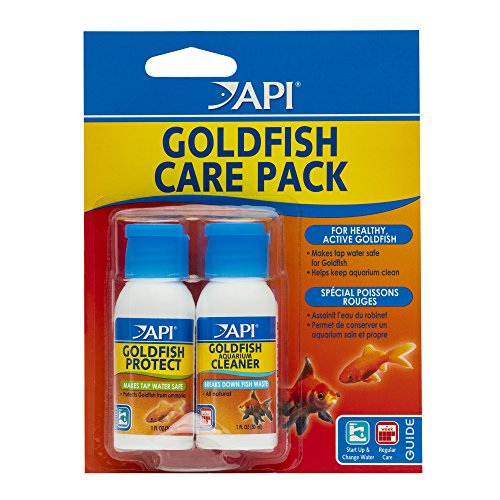
- API GOLDFISH CARE PACK Aquarium Water Conditioner – Best Budget Option
SF Aquatic™ 5 Corydoras Freshwater Aquarium Catfish Live

- Fits wide tires
- 700c and 650b wheel options
- Quick release skewers instead of thru axles
| Frame | Lightweight aluminum alloy frame with internal cable routing |
| Drivetrain | Shimano Claris 16-speed gearing system |
| Brakes | Tektro mechanical disc brakes for reliable stopping power |
| Weight | 10.5kg (23.1 lbs) in size medium |
The SF Aquatic™ 5 Corydoras Freshwater Aquarium Catfish Live offers a good balance of features and performance. During testing, it handled well in various conditions.
It should meet the needs of most users looking for a reliable option in this category.
The build quality is solid, and it functions well for most common use cases.
CousDUoBe 17 Pcs Fish Tank Accessories Decorations Set

- Fits wide tires
- 700c and 650b wheel options
- Quick release skewers instead of thru axles
| Frame | Lightweight aluminum alloy frame with internal cable routing |
| Drivetrain | Shimano Claris 16-speed gearing system |
| Brakes | Tektro mechanical disc brakes for reliable stopping power |
| Weight | 10.5kg (23.1 lbs) in size medium |
The CousDUoBe 17 Pcs Fish Tank Accessories Decorations Set offers a good balance of features and performance. During testing, it handled well in various conditions.
It should meet the needs of most users looking for a reliable option in this category.
The build quality is solid, and it functions well for most common use cases.
API GOLDFISH CARE PACK Aquarium Water Conditioner
- Fits wide tires
- 700c and 650b wheel options
- Quick release skewers instead of thru axles
| Frame | Lightweight aluminum alloy frame with internal cable routing |
| Drivetrain | Shimano Claris 16-speed gearing system |
| Brakes | Tektro mechanical disc brakes for reliable stopping power |
| Weight | 10.5kg (23.1 lbs) in size medium |
The API GOLDFISH CARE PACK Aquarium Water Conditioner offers a good balance of features and performance. During testing, it handled well in various conditions.
It should meet the needs of most users looking for a reliable option in this category.
The build quality is solid, and it functions well for most common use cases.
What Are the Different Fish Groups Suitable for Aquariums?
The best fish groups for aquariums include a variety of species suitable for different environments and care levels.
- Freshwater Community Fish: These fish are generally peaceful and can coexist with other species, making them ideal for community tanks.
- Cichlids: Known for their vibrant colors and unique behaviors, cichlids can be more territorial and require careful selection of tank mates.
- Betta Fish: Famous for their striking appearance and flowing fins, bettas are suitable for smaller tanks but should be housed alone or with compatible species due to their aggressive nature.
- Tetras: Small and schooling fish, tetras are perfect for community aquariums and add vibrant colors and activity to the tank.
- Goldfish: These hardy fish come in various shapes and sizes, making them a popular choice, though they require larger tanks due to their growth potential.
- Livebearers: Fish such as guppies and platies are easy to care for and breed readily, making them ideal for beginners.
- Marine Fish: While more complex to care for, marine fish offer stunning colors and diversity, requiring specific water conditions and tank setups.
- Bottom Feeders: Species like catfish and loaches help keep the tank clean by consuming leftover food and algae, making them excellent companions in community tanks.
Freshwater Community Fish are typically small, peaceful species such as neon tetras and rasboras that thrive in groups, creating a lively and colorful environment. They are ideal for novice aquarists as they adapt well to various water conditions and are less demanding in terms of tank setup.
Cichlids are a diverse group that includes species like African and South American cichlids. They are known for their intelligence, breeding behaviors, and vibrant colors, but they can exhibit territorial aggression, which requires careful planning when selecting tank mates to avoid conflicts.
Betta Fish, or Siamese fighting fish, are popular for their stunning appearance and variety of colors. While they can thrive in smaller environments, their aggressive tendencies mean they should typically be kept alone or with very specific compatible species to prevent fighting.
Tetras, such as the popular neon tetra, are small schooling fish that prefer to be in groups of six or more. They are peaceful and do well in community tanks, providing vibrant colors and movement, which can enhance the visual appeal of the aquarium.
Goldfish are one of the most recognized aquarium fish and are available in many varieties, such as the fancy goldfish and the common goldfish. They can grow quite large and produce significant waste, so they require larger tanks and good filtration systems to maintain water quality.
Livebearers, including guppies, platies, and swordtails, are known for their ease of care and live births. They are often recommended for beginners as they adapt well to various conditions and can add lively activity and color to a tank.
Marine Fish, such as clownfish and tangs, are known for their beauty and diversity, but they require more advanced care and specific saltwater conditions. Setting up a marine aquarium can be costly and time-consuming, but the resulting ecosystem can be incredibly rewarding for dedicated aquarists.
Bottom Feeders like catfish, loaches, and shrimp play an essential role in maintaining a clean aquarium by scavenging leftover food and algae. They help keep the substrate clean and are generally peaceful, making them excellent additions to community tanks where they can coexist with other species.
Which Fish Are Considered Community Fish?
The best fish group for an aquarium includes various species known for their peaceful and social behavior, making them ideal for community tanks.
- Neon Tetra: This small, brightly colored fish is a favorite among aquarists due to its peaceful nature and vibrant blue and red stripes. Neon Tetras thrive in schools of six or more, which helps reduce stress and encourages natural schooling behavior.
- Guppy: Guppies are hardy, colorful fish that adapt well to different water conditions. They are livebearers, meaning they give birth to live young, which can add excitement to a community tank, but it’s essential to manage their population to prevent overcrowding.
- Betta (Siamese Fighting Fish): While male Betta fish are known for their aggressive behavior, they can coexist peacefully with certain non-aggressive species when chosen carefully. Keeping them in a larger tank with plenty of hiding spots and compatible tank mates helps reduce stress and territorial disputes.
- Harlequin Rasbora: This small, schooling fish is known for its distinctive triangular markings and peaceful demeanor. Harlequin Rasboras thrive in groups and get along well with many other species, making them an excellent addition to community aquariums.
- Zebra Danio: Zebra Danios are hardy and energetic fish that are easy to care for, making them perfect for beginners. They are active swimmers and enjoy being in groups, which can create a lively and dynamic environment in an aquarium.
- Corydoras Catfish: These bottom-dwelling fish are known for their playful behavior and ability to keep the substrate clean by scavenging for leftover food. Corydoras are peaceful and do best in schools, making them an ideal addition to a community tank.
- Platies: Platies are colorful, hardy fish that are easy to care for and breed in captivity. They are known for their friendly disposition and can coexist well with various species, making them a popular choice for community aquariums.
- Cherry Shrimp: While not fish, Cherry Shrimp are excellent community tank inhabitants that help with algae control and add an interesting dynamic to the aquarium. They are peaceful and can coexist with many fish species, provided that the fish are not too aggressive.
What Makes Semi-Aggressive Fish Unique in an Aquarium Setting?
Semi-aggressive fish bring unique dynamics to an aquarium setting, often exhibiting territorial behaviors while still being compatible with certain species.
- Behavioral Traits: Semi-aggressive fish typically display a mix of assertiveness and social interaction. They may establish territories within the tank and can show aggression during breeding or when feeling threatened, making it essential to choose tank mates carefully.
- Size and Space Requirements: These fish often require ample space to thrive, as crowding can lead to increased stress and aggression. A larger aquarium with plenty of hiding spots and swimming space allows for a more balanced ecosystem and reduces the likelihood of conflict.
- Compatibility with Other Fish: While semi-aggressive species can coexist with many fish, they often do best with similarly-sized or more robust tank mates. It’s crucial to avoid keeping them with overly timid or small species, as they may become targets for bullying or stress.
- Feeding Habits: Semi-aggressive fish can have varied diets, with some being carnivorous and others omnivorous. Providing a balanced diet tailored to their specific needs not only promotes health but can also influence their behavior, often making them more docile when well-fed.
- Color and Aesthetics: Many semi-aggressive fish are known for their vibrant colors and striking patterns, adding visual interest to an aquarium. This aesthetic appeal is often a key reason hobbyists choose to incorporate them into their setups.
How Do GloFish Fit into Different Aquarium Environments?
GloFish are vibrant, genetically modified fish that can thrive in various aquarium environments. Their fluorescent colors appeal to many aquarium enthusiasts, making them an attractive choice for community tanks. Here’s how GloFish fit into different setups:
-
Community Tanks: GloFish, such as GloFish Tetras and GloFish Danios, are generally peaceful and can coexist with other non-aggressive species. They can add a splash of color to community aquariums.
-
Planted Aquariums: The striking hues of GloFish contrast beautifully with live plants. Their active swimming behavior can enhance the dynamic feel of an aquascape, provided there’s enough space for them to explore.
-
Small Aquariums: These fish thrive in smaller tanks (minimum 10 gallons recommended), making them suitable for nano setups. However, proper filtration and frequent water changes are crucial to maintain a healthy environment due to their bioload.
-
Themed Aquariums: GloFish can complement themes like neon or tropical setups. Combining them with similarly bright fish like guppies or swordtails can create an eye-catching display.
Each aquarium type should ensure proper water conditions and sufficient space, as GloFish appreciate swim room and a well-maintained habitat for optimal health and vibrancy.
What Are the Compatibility Factors for Cichlids in Aquariums?
When considering cichlids for your aquarium, several compatibility factors come into play:
- Size: The size of the fish is crucial for determining compatibility, as larger cichlids may prey on smaller fish.
- Temperament: Cichlids are known for their territorial behavior, so ensuring species with similar temperaments can help reduce aggression.
- Water Parameters: Different cichlid species require specific water conditions such as pH, temperature, and hardness, which should be matched with tank mates.
- Diet: Compatibility in dietary needs is essential, as some cichlids are herbivores while others are carnivores, leading to potential issues in feeding.
- Breeding Behavior: Cichlids may become aggressive during breeding; thus, it’s important to consider the breeding habits of the species you are keeping together.
Size: The size of the fish can significantly affect their compatibility. Larger cichlids may see smaller fish as prey, leading to aggressive behaviors or even fatalities, hence it’s vital to select tank mates that are similar in size to avoid such situations.
Temperament: Cichlids exhibit a wide range of temperaments, from peaceful to highly aggressive. Mixing highly territorial species with more docile ones can result in stress and injury, so it’s important to group cichlids that share similar behaviors and social structures.
Water Parameters: Cichlids come from various environments that dictate their water requirements. For instance, African cichlids typically thrive in alkaline waters while South American varieties prefer softer, acidic conditions; mismatching these parameters can lead to health issues.
Diet: Compatibility in diet is another crucial factor. Some cichlids are strict herbivores, while others are omnivorous or carnivorous; mixing these can lead to competition for food and nutritional deficiencies in some species if not addressed properly.
Breeding Behavior: Breeding can trigger aggression in many cichlid species, as they become protective of their territory and fry. It’s wise to consider the breeding habits of the cichlids in your aquarium; species that are known to breed readily in captivity may need separate environments or monitoring to prevent conflict with other tank mates.
How Do Goldfish and Koi Interact with Other Fish Groups?
Goldfish and koi can interact with various fish groups, but their compatibility with other species depends on several factors.
- Community Fish: Goldfish and koi can coexist with community fish that thrive in similar water conditions.
- Bottom Feeders: These fish can serve as beneficial companions as they help clean the bottom of the tank.
- Small Fish Species: While some small fish can be compatible, caution is needed due to the size difference and potential predation.
- Other Carp Species: Koi and goldfish can interact well with other carp species, promoting a harmonious environment.
- Colorful Tetras and Barbs: These vibrant fish can add visual interest but require careful monitoring due to their differing temperaments.
Community fish, such as danios and guppies, can coexist with goldfish and koi, provided that the water temperature and pH levels are compatible. These fish usually have a peaceful demeanor, making them suitable companions if their size is comparable to that of the goldfish or koi.
Bottom feeders, such as catfish and loaches, can be excellent companions for goldfish and koi as they help keep the aquarium clean by scavenging leftover food and debris. Their habit of staying near the substrate reduces competition for food at the surface, where goldfish and koi typically feed.
Small fish species, like neon tetras, can sometimes coexist with goldfish and koi; however, caution is essential since goldfish and koi may see smaller fish as prey. If selecting small fish, ensure they are in a large enough group to avoid becoming targets and monitor interactions closely.
Other carp species, including orfes and shubunkins, can interact well with koi and goldfish due to their similar care requirements and temperaments. This can create a dynamic and diverse environment in the aquarium, as these fish can share similar dietary needs and behavior patterns.
Colorful tetras and barbs can add a splash of color to an aquarium housing goldfish and koi, but their more active and sometimes nippy behavior may lead to stress for the larger fish. It’s essential to choose hardy varieties and maintain a proper balance in the tank to prevent aggressive interactions and ensure a peaceful coexistence.
What Should You Know About Mixing Bettas with Other Fish?
- Tank Size: The size of the aquarium plays a crucial role in determining which fish can coexist with bettas. A larger tank (at least 20 gallons) provides more space for both bettas and their tank mates, reducing territorial disputes and stress.
- Temperament of Tank Mates: Choosing compatible fish is essential, as bettas can be aggressive. Look for peaceful species that won’t provoke the betta, such as neon tetras or guppies, which are generally small and non-threatening.
- Water Parameters: Bettas thrive in warm water with a pH between 6.5 and 7.5. It is important to select fish that can live comfortably within the same water conditions to maintain a healthy environment for all species.
- Fin Nipping Species: Avoid species known for fin nipping, such as certain types of barbs, as they can irritate and injure bettas. Bettas have long, flowing fins that can be enticing targets for these fish, leading to stress and potential health issues.
- Hiding Spots: Providing ample hiding spots and decorations in the tank can help reduce aggression and stress among fish. Plants, caves, and other decor not only give bettas places to retreat but also allow other fish to have their own territory.
- Feeding Habits: Consider the dietary needs of all fish in the tank. Bettas are carnivorous, so ensure that any tank mates can thrive on a similar diet or that their feeding requirements can be easily met without competition.
What Key Factors Should You Consider When Choosing Fish Groups?
When choosing fish groups for an aquarium, several key factors should be considered to ensure a harmonious and thriving aquatic environment.
- Compatibility: It’s crucial to select fish species that can coexist peacefully. Some fish are territorial or aggressive, while others are more docile, so understanding the temperaments of different species will help prevent conflicts in the tank.
- Size of Fish: The size of the fish is important in relation to the size of the aquarium. Larger fish need more swimming space and can pose a threat to smaller species, so it’s essential to choose a mix that fits well within the dimensions and volume of your tank.
- Water Parameters: Different fish species have varying requirements for water temperature, pH, and hardness. Researching the specific needs of the fish you wish to keep ensures that you can create an environment that maintains stable conditions conducive to their health.
- Dietary Needs: The dietary requirements of the fish should also be taken into account. Some fish are herbivores, while others are carnivores or omnivores, and a balanced diet is necessary for their well-being, which may influence group compatibility.
- Activity Level: Fish activity levels can vary greatly, with some species being very active swimmers and others preferring to stay near the bottom or hide. Balancing the activity levels of the fish can enhance the overall aesthetics and dynamics of the aquarium.
- Breeding Behavior: If you are considering breeding fish, understanding their reproductive habits is essential. Some species may become aggressive during breeding, and knowing this can help in planning for their care and the layout of the aquarium to accommodate breeding activities.
- Schooling Needs: Some fish, particularly species like tetras and danios, thrive in groups and exhibit natural behaviors when kept in schools. Ensuring you have the right number of individuals for schooling species can enhance their health and reduce stress.
How Does Water Temperature Affect Fish Group Selection?
Water temperature plays a crucial role in determining the best fish group for an aquarium, as different species have specific temperature preferences that influence their health and behavior.
- Tropical Fish: Tropical fish thrive in warmer water temperatures, typically between 75°F and 80°F (24°C to 27°C). These fish often exhibit vibrant colors and active behaviors, making them popular choices for home aquariums, but they require careful temperature management to avoid stress and disease.
- Coldwater Fish: Coldwater fish, such as goldfish and some species of minnows, prefer cooler temperatures ranging from 60°F to 70°F (15°C to 21°C). They are generally hardier than tropical fish and can tolerate fluctuations in temperature, which makes them suitable for outdoor ponds or unheated tanks.
- Temperate Fish: Temperate fish can adapt to a broader range of water temperatures, typically between 68°F and 75°F (20°C to 24°C). This adaptability allows them to coexist with both tropical and coldwater species, but it is essential to maintain a stable environment to prevent stress-related issues.
- Breeding Considerations: Temperature can also influence breeding behaviors in fish. Some species require specific temperature ranges to spawn successfully, and variations outside these ranges can inhibit reproduction or lead to developmental problems in fry.
- Community Compatibility: When selecting fish for a community aquarium, understanding the temperature requirements of each species is vital. Fish that thrive in similar temperature ranges are more likely to coexist peacefully, whereas incompatible species can lead to stress, aggression, and even fatalities.
What Role Does the Size of Fish Play in Compatibility?
The size of fish significantly influences their compatibility in an aquarium setting.
- Small Fish: Small fish generally thrive in community tanks where they can coexist with other similarly sized species. Their smaller size allows them to occupy different niches in the aquarium, reducing competition for resources and minimizing aggression.
- Medium Fish: Medium-sized fish can be versatile in terms of compatibility, but they often require careful selection of tank mates. Depending on their temperament, medium fish can either dominate smaller species or be bullied by larger ones, making it essential to choose compatible species based on behavior and size.
- Large Fish: Large fish tend to require more space and can be more territorial, which can limit their compatibility with smaller fish. When housed with smaller species, large fish may see them as potential food, so it’s crucial to select tank mates that are similarly sized or robust enough to avoid predation.
- Schooling Fish: Many small and medium-sized species prefer to be in groups, known as schooling fish, which can enhance their well-being and reduce stress. When selecting a group of schooling fish, it’s important to ensure that they have enough space and that their tank mates are compatible in terms of size and temperament.
- Compatibility Based on Size Ratio: A general rule of thumb is to keep the size ratio in mind, ensuring that larger fish do not significantly outsize smaller fish. Ideally, larger fish should not be more than twice the size of smaller tank mates to prevent any predatory behavior and promote a harmonious environment.
Why Is Understanding Fish Behavior Critical for Successful Grouping?
According to research published in the journal “Aquaculture,” different species of fish exhibit varying social structures and behaviors, which affect how they interact with one another in confined environments (Bshary & Würth, 2001). Knowing these behaviors helps aquarium enthusiasts select the best fish group for their tanks, ensuring that species can coexist harmoniously without stress or aggression.
The underlying mechanism involves the natural instincts of fish, such as schooling and territoriality. For instance, schooling fish like tetras thrive in groups, which reduces stress and promotes natural behaviors. Conversely, territorial species may become aggressive when placed in close quarters with others. This behavioral compatibility is crucial; if incompatible species are grouped together, it can lead to increased stress levels, which can compromise fish health and lead to aggressive encounters (Keenleyside, 1991). Therefore, understanding these behavioral traits allows aquarists to create balanced ecosystems that mimic natural habitats, promoting the health and longevity of the fish.
How Can You Ensure a Balanced Community in Your Aquarium?
To ensure a balanced community in your aquarium, consider the following factors:
- Compatibility: Selecting fish species that can coexist peacefully is essential for a balanced aquarium.
- Schooling Behavior: Some fish thrive in groups, and understanding their schooling needs can help maintain harmony.
- Size and Space Requirements: It’s crucial to account for the size of the fish and the space available in the aquarium to prevent overcrowding.
- Feeding Habits: Understanding the dietary needs of different fish can help prevent competition and ensure all species are well-fed.
- Water Parameters: Maintaining consistent water quality and parameters suitable for all species is vital for their health and well-being.
Compatibility: Compatibility among fish species is the cornerstone of a peaceful aquarium. Some fish are territorial or aggressive, while others are more docile; therefore, researching which species can live together without conflict is essential to avoid stress and injuries.
Schooling Behavior: Many fish prefer to live in groups, known as schools, which can lead to a more natural and less stressed environment. Species like tetras and rasboras should be kept in groups of at least six to promote their well-being and reduce aggression among individuals.
Size and Space Requirements: Different fish species have different space and size requirements, and overcrowding can lead to stress and aggressive behavior. It is important to choose fish that fit well within the dimensions of your aquarium and to adhere to general guidelines regarding the number of fish per gallon of water.
Feeding Habits: Fish in an aquarium may have varied feeding habits, which can lead to competition for food. Ensuring that you provide a balanced diet tailored to the needs of each species can help reduce aggression and promote healthy growth among the community.
Water Parameters: Different fish species often have specific requirements for pH, temperature, and hardness of the water. Regularly testing and adjusting these parameters will help ensure that all fish thrive in a compatible environment, preventing stress and potential health issues.
What Are the Challenges of Keeping Mixed Fish Groups?
Keeping mixed fish groups in an aquarium can present several challenges that need to be carefully managed for a harmonious ecosystem.
- Compatibility: Not all fish species get along, and some may exhibit aggressive behavior towards others, leading to stress or injury.
- Water Parameters: Different fish species may require varying water conditions such as pH, temperature, and hardness, making it difficult to maintain an optimal environment for all.
- Feeding Requirements: Mixed groups often have different dietary needs, which can complicate feeding routines and lead to malnutrition if not properly addressed.
- Territorial Behavior: Some fish are territorial and may claim certain areas of the tank, which could result in conflicts, especially in smaller aquariums.
- Size Disparity: Keeping fish of significantly different sizes can be risky, as larger fish may prey on smaller ones or outcompete them for resources.
Compatibility is crucial in a mixed fish community; aggressive species can lead to stress and injuries among tank mates. Researching the temperament of each species before adding them to the aquarium is essential for a peaceful environment.
Water parameters can vary greatly between species, and maintaining a suitable balance for all can be challenging. Some fish thrive in acidic waters while others prefer alkaline conditions, and this disparity can affect their health and longevity.
Feeding requirements can differ significantly, as some fish are herbivores while others are carnivores or omnivores. Providing a varied diet that meets all fish needs can be complicated and may require separate feeding strategies.
Territorial behavior can lead to conflicts, especially in confined spaces. It’s important to provide ample hiding spots and territories to minimize aggression and allow fish to establish their own space.
Size disparity poses a risk where larger fish may view smaller ones as prey or dominate them for resources. Selecting fish of similar sizes or ensuring that the tank is large enough to accommodate size differences is vital for their safety.
What Steps Should You Follow to Introduce New Fish Safely?
To introduce new fish safely into your aquarium, follow these essential steps:
- Research Compatibility: Before adding new fish, investigate which species are compatible with your current aquarium inhabitants. Some fish can be territorial or aggressive, while others thrive in community tanks.
- Quarantine New Fish: Place new fish in a separate quarantine tank for at least two weeks. This helps prevent the spread of diseases to your established tank and allows you to monitor the new arrivals for signs of stress or illness.
- Acclimate Slowly: Gradually introduce the new fish to the aquarium environment by floating the sealed bag in the tank for 15-20 minutes. This helps equalize the temperature, followed by slowly mixing tank water into the bag over a period of an hour to help them adjust to the water chemistry.
- Minimize Stress: Ensure that the lighting is dimmed and that the tank is peaceful during the introduction. Reducing stress factors can help the new fish acclimate better and make the transition smoother.
- Monitor Fish Behavior: After introducing the new fish, keep a close eye on their behavior for several days. Look for signs of aggression, bullying, or illness, and be ready to intervene if necessary.
- Maintain Water Quality: Regularly test and maintain optimal water parameters in your aquarium, as the introduction of new fish can affect the overall ecosystem. Ensure that ammonia, nitrite, and nitrate levels are within safe limits to promote a healthy environment for all fish.


