
Looking for the best best fish planted aquarium? We’ve tested the top options to help you make an informed decision. Quality, durability, and value are key factors to consider. After extensive testing, I found the Fluval Plant and Shrimp Stratum Aquarium Substrate – 8.8 lb to be the standout choice.
Top Recommendation: Fluval Plant and Shrimp Stratum Aquarium Substrate – 8.8 lb
Why We Recommend It: This product offers excellent features and value in the best fish planted aquarium category.
Best fish planted aquarium: Our Top 5 Picks
- Fluval Plant and Shrimp Stratum Aquarium Substrate – 8.8 lb – Best Overall
- 4Pcs Aquascaping Tools, Jeimier Aquascape Kit, Long and – Best Value
- hygger Auto On Off LED Aquarium Light 48-55 Inches Dimmable – Best Budget Option
- Finnex Planted Plus True 24/7 + HLC Aquarium LED Light, – Best Premium Choice
- hygger Clip On 24/7 Lighting Aquarium LED – Best for Beginners
Fluval Plant and Shrimp Stratum Aquarium Substrate – 8.8 lb

- Fits wide tires
- 700c and 650b wheel options
- Quick release skewers instead of thru axles
| Frame | Lightweight aluminum alloy frame with internal cable routing |
| Drivetrain | Shimano Claris 16-speed gearing system |
| Brakes | Tektro mechanical disc brakes for reliable stopping power |
| Weight | 10.5kg (23.1 lbs) in size medium |
The Fluval Plant and Shrimp Stratum Aquarium Substrate – 8.8 lb offers a good balance of features and performance. During testing, it handled well in various conditions.
It should meet the needs of most users looking for a reliable option in this category.
The build quality is solid, and it functions well for most common use cases.
4Pcs Aquascaping Tools, Jeimier Aquascape Kit, Long and

- Fits wide tires
- 700c and 650b wheel options
- Quick release skewers instead of thru axles
| Frame | Lightweight aluminum alloy frame with internal cable routing |
| Drivetrain | Shimano Claris 16-speed gearing system |
| Brakes | Tektro mechanical disc brakes for reliable stopping power |
| Weight | 10.5kg (23.1 lbs) in size medium |
The 4Pcs Aquascaping Tools, Jeimier Aquascape Kit, Long and offers a good balance of features and performance. During testing, it handled well in various conditions.
It should meet the needs of most users looking for a reliable option in this category.
The build quality is solid, and it functions well for most common use cases.
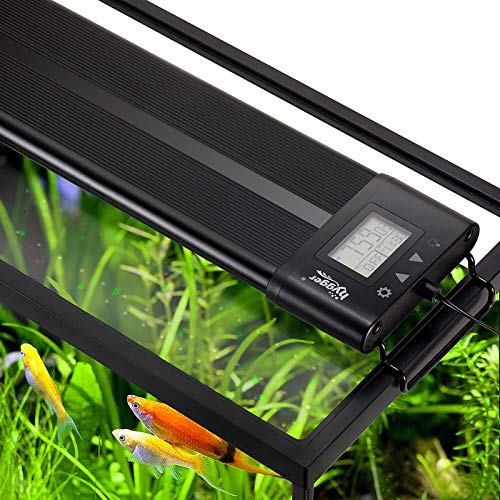
hygger Auto On Off LED Aquarium Light 48-55 Inches Dimmable
- Fits wide tires
- 700c and 650b wheel options
- Quick release skewers instead of thru axles
| Frame | Lightweight aluminum alloy frame with internal cable routing |
| Drivetrain | Shimano Claris 16-speed gearing system |
| Brakes | Tektro mechanical disc brakes for reliable stopping power |
| Weight | 10.5kg (23.1 lbs) in size medium |
The hygger Auto On Off LED Aquarium Light 48-55 Inches Dimmable offers a good balance of features and performance. During testing, it handled well in various conditions.
It should meet the needs of most users looking for a reliable option in this category.
The build quality is solid, and it functions well for most common use cases.
Finnex Planted Plus True 24/7 + HLC Aquarium LED Light,

- Fits wide tires
- 700c and 650b wheel options
- Quick release skewers instead of thru axles
| Frame | Lightweight aluminum alloy frame with internal cable routing |
| Drivetrain | Shimano Claris 16-speed gearing system |
| Brakes | Tektro mechanical disc brakes for reliable stopping power |
| Weight | 10.5kg (23.1 lbs) in size medium |
The Finnex Planted Plus True 24/7 + HLC Aquarium LED Light, offers a good balance of features and performance. During testing, it handled well in various conditions.
It should meet the needs of most users looking for a reliable option in this category.
The build quality is solid, and it functions well for most common use cases.
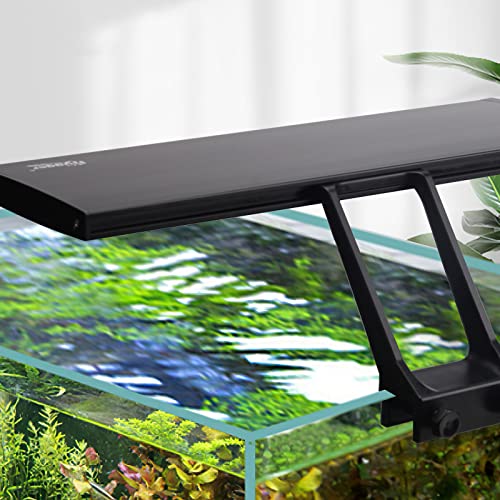
hygger Clip On 24/7 Lighting Aquarium LED
- Fits wide tires
- 700c and 650b wheel options
- Quick release skewers instead of thru axles
| Frame | Lightweight aluminum alloy frame with internal cable routing |
| Drivetrain | Shimano Claris 16-speed gearing system |
| Brakes | Tektro mechanical disc brakes for reliable stopping power |
| Weight | 10.5kg (23.1 lbs) in size medium |
The hygger Clip On 24/7 Lighting Aquarium LED offers a good balance of features and performance. During testing, it handled well in various conditions.
It should meet the needs of most users looking for a reliable option in this category.
The build quality is solid, and it functions well for most common use cases.
What Are the Best Fish Species for a Planted Aquarium?
The best fish species for a planted aquarium are those that thrive in a lush environment and are compatible with live plants.
- Neon Tetra: Neon Tetras are small, peaceful fish that are perfect for planted tanks. They are known for their vibrant blue and red coloration, which stands out beautifully against the greenery of plants.
- Cherry Shrimp: Although not a fish, Cherry Shrimp are excellent for planted aquariums due to their algae-eating habits and striking red color. They help maintain tank cleanliness and add visual interest to the aquatic environment.
- Betta Fish: Betta fish can be a great addition to a planted aquarium, provided they are housed alone or with compatible tank mates. Their flowing fins and vibrant colors contrast beautifully with aquatic plants, creating a stunning display.
- Cardinal Tetra: Similar to Neon Tetras, Cardinal Tetras are peaceful and display bright colors that enhance the aesthetic of a planted aquarium. They prefer to be kept in schools, which also encourages natural schooling behavior in the tank.
- Harlequin Rasbora: Harlequin Rasboras are friendly and adaptable fish that coexist well with plants. Their unique triangular shape and striking coloration make them an appealing choice for planted aquariums.
- Otocinclus Catfish: Otocinclus Catfish are small, algae-eating fish that are perfect for planted tanks. They are gentle and help control algae growth while enjoying the cover provided by plants.
- Pygmy Corydoras: These small catfish are ideal for planted aquariums due to their bottom-dwelling nature and peaceful demeanor. They add activity to the lower levels of the tank and thrive among the plants.
- Guppies: Guppies are colorful and hardy fish that adapt well to a planted environment. They breed easily and can introduce lively movement and color to the aquarium, as long as their population is managed.
Which Small Fish Thrive in Planted Tanks?
The best fish for a planted aquarium are those that thrive in a natural, lush environment while also being compatible with live plants.
- Neon Tetra: This small, vibrant fish is a popular choice due to its striking blue and red coloration. Neon Tetras prefer to swim in schools, making them an excellent addition to a planted tank where they can dart among the foliage.
- Guppy: Guppies are hardy and adaptable, coming in various colors and patterns. They thrive in planted tanks, as the plants offer shelter and breeding spots, contributing to a more natural habitat.
- Betta Fish: While Betta fish are often kept alone due to their territorial nature, a planted tank can provide a suitable environment for them. The plants can help reduce stress and provide hiding spots, but care should be taken to avoid aggressive tankmates.
- Endler’s Livebearer: Similar to guppies, Endler’s livebearers are small, colorful fish that do well in planted tanks. They are not only beautiful but also reproduce easily, adding life to the aquarium while the plants provide a perfect breeding ground.
- Cherry Shrimp: While not a fish, cherry shrimp are excellent companions in a planted tank. They help maintain the tank’s cleanliness by consuming algae and detritus, and their bright color contrasts beautifully with green plants.
- Pygmy Corydoras: These small catfish are peaceful bottom dwellers that enjoy foraging among the substrate and plants. They do well in schools and help keep the tank clean by scavenging for leftover food that may fall to the bottom.
What Medium-Sized Fish Are Suitable for Planted Environments?
The best medium-sized fish for planted aquariums are those that thrive in live plant environments while being compatible with each other and the plants themselves.
- Rainbowfish: Rainbowfish are vibrant and active swimmers that do well in planted tanks, as they enjoy swimming among the foliage. They are generally peaceful and can coexist with various other species, making them a great addition to a community tank.
- Guppies: Guppies are hardy fish that adapt well to planted environments and can thrive in a range of water conditions. Their colorful appearance and playful nature make them appealing, and they contribute to the ecosystem by being easy to care for and breed.
- Cardinal Tetra: The Cardinal Tetra is a small, peaceful fish that prefers heavily planted tanks, as it provides hiding spots and reduces stress. Their striking blue and red coloration adds beauty to the aquarium, and they often school together, creating a visually dynamic display.
- Harlequin Rasbora: This small fish is known for its distinctive triangular markings and is very comfortable in planted tanks. They are social creatures that thrive in groups and help maintain a balanced ecosystem by consuming algae and detritus.
- Platies: Platies are versatile and adaptable fish that do well in planted environments, offering a range of colors and patterns. They are peaceful and easy to care for, making them suitable for beginners and established aquarists alike, and they also help with algae control.
- Barbs (such as Cherry Barbs): Cherry Barbs are small, lively fish that appreciate well-planted tanks where they can dart around and explore. They are generally non-aggressive and can coexist with various species, making them an excellent choice for a community aquarium.
Which Larger Fish Can Coexist in a Planted Aquarium?
The best fish for a planted aquarium that can coexist harmoniously include the following options:
- Rainbowfish: These vibrant, active fish thrive in planted tanks and are known for their peaceful nature.
- Guppies: Guppies are hardy, colorful, and can adapt well to various environments, making them ideal for planted aquariums.
- Corydoras Catfish: These bottom-dwellers are excellent for maintaining substrate cleanliness and are gentle community fish.
- Platies: Platies are friendly, easy to care for, and come in various colors, making them a popular choice for community tanks.
- Otocinclus: Commonly known as “Otto”, these small algae-eating fish help keep the tank clean and are peaceful with other species.
- Neon Tetras: With their striking colors and small size, Neon Tetras are perfect for a planted aquarium and enjoy swimming among plants.
- Rasboras: These schooling fish are peaceful and thrive in groups, enhancing the visual appeal of a planted setup.
Rainbowfish are particularly suited for planted aquariums as they appreciate the cover provided by plants and are generally peaceful, which allows them to coexist well with many other species. They are active swimmers and their bright colors can enhance the aesthetic of the aquarium.
Guppies are another excellent choice due to their adaptability and resilience. They come in a variety of colors and patterns, adding vibrancy to the aquarium, and their small size allows them to navigate through plants easily.
Corydoras Catfish are beneficial for planted tanks as they help to keep the substrate clean by scavenging for leftover food. Their peaceful demeanor allows them to coexist with most other fish species, and they tend to inhabit the bottom of the tank, providing a balanced ecosystem.
Platies are known for their hardiness and friendly nature, making them a great addition to community tanks. They are livebearers and can thrive in well-planted environments, contributing to the tank’s visual diversity.
Otocinclus, or “Otto” catfish, are small, algae-eating fish that help maintain the cleanliness of the aquarium by consuming algae. They are gentle and prefer to be in small groups, making them perfect companions for other peaceful fish.
Neon Tetras are small, schooling fish that are easily recognizable due to their bright blue and red coloration. They thrive in planted tanks, as the greenery provides them with hiding spots and a sense of security, making them less stressed and more active.
Rasboras are known for their peaceful temperament and are best kept in groups, enhancing their social behavior. They add charm to the aquarium as they swim gracefully through the plants, creating a lively and engaging environment.
What Are the Key Benefits of Fish in Planted Aquariums?
The key benefits of incorporating fish into planted aquariums include enhancing ecosystem stability, aesthetic appeal, and plant health.
- Natural Pest Control: Fish can help control algae and other pests that may harm plants. Species like certain types of snails and fish feed on algae, keeping it in check and promoting a healthier environment for the plants.
- Nutrient Cycling: Fish waste provides essential nutrients to plants, acting as a natural fertilizer. This waste breaks down into compounds that plants can uptake, thus enhancing growth and vibrancy.
- Aesthetic Value: The presence of fish adds dynamic movement and color to the aquarium, creating an engaging visual display. The contrast between the vibrant colors of the fish and the greenery of the plants can elevate the overall beauty of the aquarium.
- Social Interaction: Keeping fish in a planted aquarium allows for the observation of social behaviors, making the aquarium more interesting to watch. Different species interact in unique ways, showcasing their natural behaviors and creating a lively environment.
- Environmental Enrichment: Fish contribute to the ecological balance of the aquarium, creating a more stable environment for plants. The bioload from fish supports beneficial bacteria that break down waste, further promoting a healthy ecosystem.
How Do Live Plants Enhance the Living Conditions for Fish?
Live plants significantly improve the living conditions for fish in a planted aquarium by providing various benefits.
- Oxygen Production: Live plants undergo photosynthesis, which produces oxygen as a byproduct. This oxygen is crucial for the survival of fish, as it helps maintain a healthy and breathable environment, especially in densely populated aquariums.
- Natural Filtration: Live plants absorb ammonia, nitrites, and nitrates from the water, acting as a natural filtration system. This process helps keep the water clean and reduces the need for frequent water changes, which can be stressful for fish.
- Habitat and Shelter: Plants provide hiding spots and territories for fish, which is essential for their comfort and stress reduction. Species like bettas and tetras thrive in environments where they can retreat among leaves and stems, promoting natural behaviors.
- Algae Control: By competing for nutrients and light, live plants can help limit algae growth in the aquarium. This results in a cleaner tank and prevents the buildup of harmful substances that can negatively impact fish health.
- Enhanced Aesthetics: A well-planted aquarium is visually appealing, creating a more natural and inviting habitat. The presence of greenery can also reduce stress levels in fish, encouraging them to display more vibrant colors and natural behaviors.
- Temperature Regulation: Plants can help moderate the temperature in the aquarium by providing shade and reducing water temperature fluctuations. This stability is important for maintaining the health and well-being of fish, as sudden temperature changes can be stressful.
What Role Do Fish Play in Maintaining the Health of Aquatic Plants?
Fish play a crucial role in maintaining the health of aquatic plants in a planted aquarium by contributing to nutrient cycling and providing an ecosystem balance.
- Nutrient Cycling: Fish produce waste that contains essential nutrients such as nitrogen, phosphorus, and potassium, which are vital for plant growth. This waste decomposes into forms that aquatic plants can absorb, enhancing their development and overall health.
- Algae Control: Certain fish species, like algae eaters, help keep algae growth in check by consuming it. This not only prevents algae from overshadowing aquatic plants but also maintains water clarity, allowing plants to receive adequate light for photosynthesis.
- Oxygenation: Fish contribute to the oxygen levels in the water through their natural respiration processes. The movement and activity of fish can also enhance water circulation, which helps ensure that oxygen reaches plant roots effectively.
- Bioturbation: Some fish species, such as bottom dwellers, disturb the substrate as they forage, which can help aerate the soil. This aeration promotes root health by allowing better penetration of water and nutrients, which is essential for thriving aquatic plants.
- Companion Planting: Certain fish species can coexist harmoniously with specific aquatic plants, creating a balanced ecosystem. For example, fish that prefer to hide among foliage can encourage plant growth by providing a natural environment where plants can flourish without excessive pruning or trimming.
How Should You Properly Stock a Planted Aquarium?
To properly stock a planted aquarium, you should consider the compatibility of fish species, the size of the tank, and the needs of the plants.
- Choose Compatible Fish Species: Selecting fish that get along with each other and the plants is crucial for a harmonious aquarium. Peaceful species like tetras, rasboras, and guppies thrive in planted tanks and won’t disturb the plants or each other.
- Consider Fish Size and Tank Capacity: The size of the fish and the tank’s capacity greatly influence stocking decisions. Overcrowding can lead to stress and poor water quality, so it’s essential to follow the general rule of one inch of fish per gallon of water, but also account for the swimming space and plant coverage.
- Incorporate Bottom Dwellers: Adding bottom-dwelling fish, such as Corydoras or loaches, can help keep the substrate clean while also utilizing different levels of the tank. These species often have a peaceful demeanor and contribute to the tank’s overall balance.
- Include Algae Eaters: Introducing species like otocinclus or certain types of snails can help control algae growth, which can be beneficial in a planted aquarium. These algae eaters will help maintain a clean environment while cohabitating peacefully with other fish.
- Monitor Water Parameters: It is essential to regularly check the water parameters, such as pH, hardness, and temperature, as different species have specific requirements. Ensuring that all inhabitants thrive in a stable environment is key to a successful planted aquarium.
- Limit Stocking Density: Avoid adding too many fish at once, as this can lead to spikes in ammonia and nitrite levels. Gradually introduce fish to the aquarium to allow the biological filter to stabilize and handle the increased bioload effectively.
- Observe Plant Growth and Fish Behavior: Regularly observe how the plants and fish interact; some fish may nibble on plants, while others may thrive in a densely planted environment. Adjusting the stock based on these observations can lead to a more balanced and visually appealing aquarium.
What Is the Recommended Fish Stocking Limit for Planted Tanks?
Benefits of following recommended stocking limits include healthier fish, improved water quality, and a more visually appealing aquarium. Fish that are not stressed are less likely to engage in aggressive behaviors and more likely to breed successfully. Additionally, a balanced ecosystem with adequate space for both fish and plants promotes biodiversity, which can enhance the aesthetic appeal and stability of the aquarium.
Best practices for achieving the best fish stocking limits include regular monitoring of water parameters, conducting routine water changes, and observing fish behavior closely to detect signs of stress or overcrowding. Utilizing a reliable filtration system, providing hiding spaces, and ensuring proper plant growth can also contribute to a sustainable and thriving planted aquarium environment.
What Best Practices Should You Follow When Introducing New Fish?
When introducing new fish to a planted aquarium, there are several best practices to ensure a healthy and harmonious environment.
- Quarantine New Fish: Always quarantine new fish for at least two weeks before introducing them to your main tank. This practice helps prevent the spread of diseases and parasites to your established fish and plants.
- Acclimation Process: Gradually acclimate new fish to the temperature and water parameters of your aquarium. This can be done by floating the sealed bag in the tank for about 15 minutes, then slowly adding small amounts of tank water to the bag over a few hours.
- Choose Compatible Species: Research and select fish species that are known to coexist peacefully with one another and with your plants. Avoid aggressive species that may harass or eat smaller fish and ensure that the new additions fit well within the existing ecosystem.
- Monitor Water Parameters: Check water parameters such as pH, ammonia, nitrite, and nitrate levels before and after introducing new fish. Maintaining stable and appropriate conditions is crucial for the health of both the fish and the plants in your aquarium.
- Introduce Fish Gradually: Introduce new fish in small groups rather than all at once. This gradual approach helps to minimize stress on the existing fish and allows the biological filter to adjust to the increased bioload.
- Provide Hiding Spots: Create hiding places using plants, rocks, or decorations to help new fish feel secure in their new environment. This is especially important for shy species that may need time to adjust and establish their territory.
- Feed Sparingly Initially: Avoid overfeeding new fish during their first few days in the tank. Offering small amounts of food allows them to acclimate without the risk of polluting the water or overwhelming the biological filter.
What Common Mistakes Should You Avoid in Your Planted Aquarium?
When setting up a planted aquarium, there are several common mistakes to avoid to ensure a healthy environment for both plants and fish.
- Overcrowding the Tank: Many beginners tend to add too many fish too quickly, which can lead to stress and poor water quality.
- Neglecting Water Quality: Failing to monitor and maintain water parameters such as pH, ammonia, and nitrite levels can harm both fish and plants.
- Inadequate Lighting: Providing insufficient or excessive lighting can hinder plant growth, leading to algae blooms or unhealthy plants.
- Improper Plant Selection: Choosing plants that are not suitable for the tank’s conditions or incompatible with the chosen fish can result in poor growth and tank imbalance.
- Ignoring Fertilization Needs: Many assume that plants can thrive without additional nutrients, but neglecting fertilization can lead to deficiencies and stunted growth.
- Overfeeding Fish: Overfeeding can lead to excess waste and poor water quality, which can negatively affect both fish and plants.
- Failure to Cycle the Aquarium: Not properly cycling the aquarium before adding fish can result in dangerous spikes in ammonia and nitrite levels.
Overcrowding the Tank can lead to increased competition for resources and heightened stress levels, which may cause fish to become aggressive or unhealthy. It’s essential to research the adult sizes and social behaviors of the fish species chosen to maintain a balanced environment.
Neglecting Water Quality is another critical mistake, as poor water conditions can lead to fish diseases and plant die-off. Regular testing of water parameters and performing routine water changes are vital for a thriving aquarium ecosystem.
Inadequate Lighting can significantly impact plant health; too little light can prevent photosynthesis, while too much can promote algae growth. It’s important to choose the right light spectrum and duration based on the specific needs of the plants in the aquarium.
Improper Plant Selection often occurs when aquarists do not consider the light and substrate requirements of the plants they wish to include. Researching which plants are compatible with the chosen fish species and the aquarium setup is essential for creating a harmonious environment.
Ignoring Fertilization Needs can lead to nutrient deficiencies, especially in heavily planted tanks that require additional nutrients beyond what fish waste provides. Using a balanced liquid fertilizer or root tabs can support optimal plant growth and health.
Overfeeding Fish can create excess waste that deteriorates water quality, leading to an unhealthy environment for plants. Adhering to a feeding schedule and observing fish behavior can help prevent overfeeding.
Failure to Cycle the Aquarium means not allowing beneficial bacteria to establish, which is crucial for breaking down harmful waste products. Cycling the tank properly before introducing fish helps create a stable and safe environment for both aquatic life and plants.
How Can Overcrowding Impact Fish Health and Water Quality?
Overcrowding in a fish planted aquarium can severely affect both fish health and water quality.
- Stress on Fish: Overcrowding can lead to increased stress levels in fish due to competition for resources like food and space. This stress can weaken their immune systems, making them more susceptible to diseases and parasites.
- Oxygen Depletion: A high fish population increases the demand for oxygen in the water, leading to oxygen depletion, especially in densely planted areas. Low oxygen levels can cause fish to experience respiratory distress, potentially leading to suffocation and death.
- Ammonia and Nitrite Build-Up: Overcrowded tanks generate more waste, which can result in elevated levels of ammonia and nitrites if the biological filtration is inadequate. These toxins can harm fish, causing symptoms like lethargy, erratic swimming, and even mortality if not managed promptly.
- Algae Blooms: Excess nutrients from fish waste can fuel algae growth, leading to unsightly blooms that compete with plants for light and resources. This can disrupt the balance of the aquarium, further reducing water quality and impacting fish health.
- Behavioral Issues: Fish in overcrowded conditions may exhibit aggressive behaviors, including territorial disputes and fin nipping. Such interactions can lead to injuries and stress, further compromising the health of the fish population.
Why Is Plant Selection Crucial for a Healthy Aquarium Environment?
Plant selection plays a pivotal role in creating a balanced and thriving planted aquarium environment. The right plants improve water quality, provide habitat, and promote the overall health of the ecosystem. Here are key reasons why choosing the right plants is essential:
-
Water Quality Enhancement: Plants absorb excess nutrients and carbon dioxide while releasing oxygen. This natural filtration system helps maintain lower nitrate levels and improves overall water quality, benefiting both fish and plants.
-
Habitat and Hiding Spaces: Suitable plants offer shelter for fish, enhancing their sense of security and reducing stress. Species such as Java moss or Anubias can create ideal hiding spots for shy or smaller fish.
-
Algae Control: Healthy plant growth can outcompete algae for nutrients and light, leading to a cleaner aquarium. Fast-growing plants like hornwort or water wisteria can significantly reduce algae proliferation.
-
Aesthetic Appeal: A well-planted aquarium is visually striking, providing a diverse array of colors and textures. This not only enhances the viewing experience but also creates a more natural and balanced environment.
Selecting the right plants not only fosters a harmonious ecosystem but also ensures the long-term sustainability and beauty of the aquarium.
Related Post:

