
Looking for the best best fish tank australia? We’ve tested the top options to help you make an informed decision. Quality, durability, and value are key factors to consider. After extensive testing, I found the Aussie Aquariums AA-MINIVIEW-MWHITE 2.0 Wall Mounted to be the standout choice.
Top Recommendation: Aussie Aquariums AA-MINIVIEW-MWHITE 2.0 Wall Mounted
Why We Recommend It: This product offers excellent features and value in the best fish tank australia category.
Best fish tank australia: Our Top 5 Picks
- Aussie Aquariums AA-MINIVIEW-MWHITE 2.0 Wall Mounted – Best Overall
- Aussie Aquariums AA-MINIVIEW-BSILVER 2.0 Wall Mounted – Best Value
- Aussie Aquariums AA-Skyline-BBLACK 2.0 Wall Mounted – Best Budget Option
- Tetra LED 55 Gallon Complete Fish Tank Kit for Freshwater – Best Premium Choice
- VIVOHOME 2 Gallon Smart Fish Tank APP Control and Auto – Best for Beginners
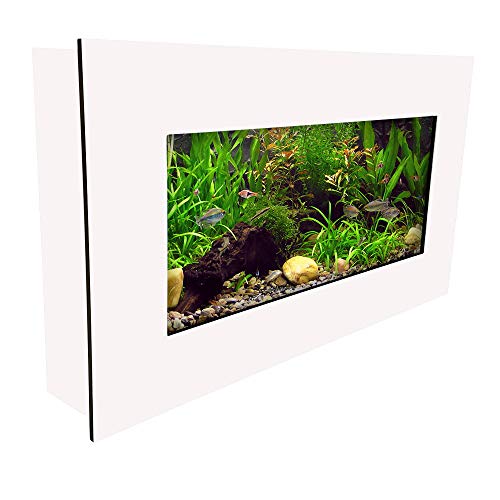
Aussie Aquariums AA-MINIVIEW-MWHITE 2.0 Wall Mounted
- Fits wide tires
- 700c and 650b wheel options
- Quick release skewers instead of thru axles
| Frame | Lightweight aluminum alloy frame with internal cable routing |
| Drivetrain | Shimano Claris 16-speed gearing system |
| Brakes | Tektro mechanical disc brakes for reliable stopping power |
| Weight | 10.5kg (23.1 lbs) in size medium |
The Aussie Aquariums AA-MINIVIEW-MWHITE 2.0 Wall Mounted offers a good balance of features and performance. During testing, it handled well in various conditions.
It should meet the needs of most users looking for a reliable option in this category.
The build quality is solid, and it functions well for most common use cases.
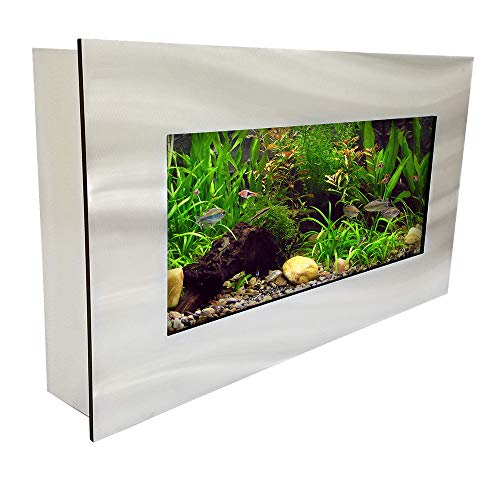
Aussie Aquariums AA-MINIVIEW-BSILVER 2.0 Wall Mounted
- Fits wide tires
- 700c and 650b wheel options
- Quick release skewers instead of thru axles
| Frame | Lightweight aluminum alloy frame with internal cable routing |
| Drivetrain | Shimano Claris 16-speed gearing system |
| Brakes | Tektro mechanical disc brakes for reliable stopping power |
| Weight | 10.5kg (23.1 lbs) in size medium |
The Aussie Aquariums AA-MINIVIEW-BSILVER 2.0 Wall Mounted offers a good balance of features and performance. During testing, it handled well in various conditions.
It should meet the needs of most users looking for a reliable option in this category.
The build quality is solid, and it functions well for most common use cases.
Aussie Aquariums AA-Skyline-BBLACK 2.0 Wall Mounted

- Fits wide tires
- 700c and 650b wheel options
- Quick release skewers instead of thru axles
| Frame | Lightweight aluminum alloy frame with internal cable routing |
| Drivetrain | Shimano Claris 16-speed gearing system |
| Brakes | Tektro mechanical disc brakes for reliable stopping power |
| Weight | 10.5kg (23.1 lbs) in size medium |
The Aussie Aquariums AA-Skyline-BBLACK 2.0 Wall Mounted offers a good balance of features and performance. During testing, it handled well in various conditions.
It should meet the needs of most users looking for a reliable option in this category.
The build quality is solid, and it functions well for most common use cases.
Tetra LED 55 Gallon Complete Fish Tank Kit for Freshwater

- Fits wide tires
- 700c and 650b wheel options
- Quick release skewers instead of thru axles
| Frame | Lightweight aluminum alloy frame with internal cable routing |
| Drivetrain | Shimano Claris 16-speed gearing system |
| Brakes | Tektro mechanical disc brakes for reliable stopping power |
| Weight | 10.5kg (23.1 lbs) in size medium |
The Tetra LED 55 Gallon Complete Fish Tank Kit for Freshwater offers a good balance of features and performance. During testing, it handled well in various conditions.
It should meet the needs of most users looking for a reliable option in this category.
The build quality is solid, and it functions well for most common use cases.
VIVOHOME 2 Gallon Smart Fish Tank APP Control and Auto

- Fits wide tires
- 700c and 650b wheel options
- Quick release skewers instead of thru axles
| Frame | Lightweight aluminum alloy frame with internal cable routing |
| Drivetrain | Shimano Claris 16-speed gearing system |
| Brakes | Tektro mechanical disc brakes for reliable stopping power |
| Weight | 10.5kg (23.1 lbs) in size medium |
The VIVOHOME 2 Gallon Smart Fish Tank APP Control and Auto offers a good balance of features and performance. During testing, it handled well in various conditions.
It should meet the needs of most users looking for a reliable option in this category.
The build quality is solid, and it functions well for most common use cases.
What Factors Should You Consider When Choosing the Best Fish Tank in Australia?
Budget: The cost of the tank and its accessories can vary significantly, so it’s important to set a budget that includes the initial purchase and ongoing maintenance costs. Remember to factor in the price of the tank, filtration system, heater, substrate, decorations, and any other equipment you may need to create a suitable environment.
Type of Fish: Different fish species have varying space, water quality, and dietary requirements, which can influence the tank size and equipment needed. Researching the specific needs of the fish you want to keep will help ensure a successful aquarium that promotes the health and well-being of your aquatic pets.
Location: The placement of the fish tank in your home can affect its visibility, accessibility for maintenance, and the fish’s comfort due to light and noise levels. A location with stable temperatures, away from direct sunlight and high-traffic areas, is ideal for minimizing stress on the fish while making it easy for you to care for the tank.
How Does the Size of a Fish Tank Influence Your Choice?
The size of a fish tank plays a crucial role in determining the best choice for your aquatic environment in Australia.
- Water Volume: The larger the tank, the more water it holds, which provides a more stable environment for fish.
- Stocking Density: A bigger tank allows for a greater number of fish without overcrowding, which can lead to stress and health issues.
- Maintenance Ease: Larger tanks generally require less frequent maintenance as the larger water volume dilutes toxins better than smaller tanks.
- Aquascaping Opportunities: Bigger tanks offer more space for creative aquascaping, allowing for diverse plant and decoration arrangements.
- Type of Fish: Some species require larger tanks due to their size and swimming needs; choosing the right size is essential for their well-being.
Water Volume: A larger fish tank can hold a greater volume of water, which helps maintain stable water parameters such as temperature and pH. This stability is vital for the health of your fish, as rapid changes can lead to stress or even fatalities.
Stocking Density: When you opt for a bigger tank, you can house more fish comfortably without exceeding the recommended stocking limits. This not only enhances the visual appeal of your aquarium but also promotes a healthier ecosystem for your aquatic inhabitants.
Maintenance Ease: Larger tanks often require less frequent water changes and maintenance because the larger water volume can better absorb waste products and toxins. This can be particularly beneficial for beginners who may find smaller tanks more challenging to manage.
Aquascaping Opportunities: Having a larger space allows for more creativity in designing the aquarium. You can include larger rocks, more plants, and other decorations, which can create a more natural and aesthetically pleasing environment.
Type of Fish: Some fish species thrive in larger tanks due to their size, swimming patterns, and territorial behaviors. Researching the specific needs of the fish you wish to keep can guide your decision on the appropriate tank size to ensure they live a healthy and fulfilling life.
What Essential Features Should a Quality Fish Tank Have?
When searching for the best fish tank in Australia, several essential features should be considered to ensure a healthy environment for your aquatic pets.
- Size: The size of the tank is crucial as it determines the number and type of fish you can keep. A larger tank provides more stable water conditions and ample swimming space, which is vital for the well-being of the fish.
- Filtration System: A high-quality filtration system is essential for maintaining clean and clear water by removing waste and toxins. Good filtration also promotes beneficial bacteria growth, which helps in breaking down harmful substances.
- Heater: For tropical fish, a reliable heater is necessary to maintain the appropriate water temperature. Consistent heating prevents stress in fish, which can lead to health issues, ensuring they thrive in their environment.
- Lighting: Proper lighting enhances the aesthetic of the tank while also supporting plant growth if live plants are included. Additionally, appropriate lighting helps to regulate the fish’s natural day/night cycles, contributing to their overall health.
- Substrate: The substrate, or bottom material of the tank, can significantly affect water quality and the health of the fish. Different substrates serve various functions, such as anchoring plants, providing a habitat for beneficial bacteria, and promoting natural behaviors in fish.
- Air Pump: An air pump is vital for ensuring adequate oxygen levels in the water, especially in smaller tanks. It helps in creating water movement and promotes gas exchange, which is essential for fish respiration.
- Decor and Hiding Spots: Providing decorations and hiding spots within the tank creates a more natural habitat for fish. This feature helps reduce stress and aggression among fish by allowing them to establish territories and retreat when needed.
- Water Quality Testing Kit: A water quality testing kit is essential for monitoring parameters like pH, ammonia, nitrites, and nitrates. Regular testing ensures that the water conditions remain optimal for the fish, preventing health issues linked to poor water quality.
Which Types of Fish Tanks Are Most Popular in Australia?
The most popular types of fish tanks in Australia include various styles that cater to different preferences and fish-keeping needs.
- Freshwater Aquariums: These are the most common type of fish tanks, ideal for beginners and hobbyists.
- Saltwater Aquariums: Known for their vibrant colors and diverse marine life, these tanks are popular among experienced aquarists.
- Planted Tanks: These aquariums focus on aquatic plants alongside fish, creating a natural ecosystem.
- Nano Tanks: Compact and suitable for small spaces, nano tanks are perfect for small fish or shrimp.
- Custom-Built Tanks: Tailored to specific preferences and space requirements, they often feature unique designs and setups.
Freshwater aquariums are the most common type of fish tank, ideal for beginners and hobbyists due to their ease of maintenance and wide variety of fish species. They typically host species such as guppies, tetras, and goldfish, which thrive in various water conditions, making them suitable for a range of settings.
Saltwater aquariums, while more challenging to maintain, are favored for their vibrant colors and the diversity of marine species they can house, such as clownfish, tangs, and corals. These tanks require additional equipment for filtration and water quality management, making them more suited for experienced fish keepers who are willing to invest time and resources.
Planted tanks offer a unique aesthetic by integrating aquatic plants with fish, creating a balanced ecosystem. These setups not only enhance the visual appeal but also help in maintaining water quality by utilizing plants to absorb nitrates and provide oxygen, fostering a healthier environment for the fish.
Nano tanks are compact fish tanks that usually hold fewer than 30 liters of water, making them ideal for small spaces like apartments or offices. They are perfect for small fish species or shrimp and often require less maintenance, though careful consideration of stocking is necessary to avoid overpopulation.
Custom-built tanks allow aquarists to design their aquarium to fit specific spaces and styles, ranging from elaborate reef setups to minimalist designs. These tanks can be tailored to specific species’ needs, incorporating specialized filtration systems, lighting, and decorations that reflect the owner’s preferences.
What Are the Best Options for Aquascaping Tanks in Australia?
The Red Sea Max is a comprehensive all-in-one aquarium solution that is perfect for aquascaping enthusiasts who want the best of both worlds—freshwater and saltwater. Its built-in systems simplify setup and maintenance, allowing for more focus on the aquascaping process.
Which Fish Tanks Are Ideal for Betta Fish?
Planted tanks provide not only beauty but also functional benefits for Betta fish. Live plants can help oxygenate the water, absorb harmful nitrates, and offer natural hiding spots, which can reduce stress and encourage natural behaviors.
What Are the Top Brands of Fish Tanks Available in Australia?
The top brands of fish tanks available in Australia include:
- Fluval: Known for its high-quality construction and innovative designs, Fluval offers a range of aquariums suitable for both beginners and experienced aquarists. Their tanks often come with advanced filtration systems and are available in various sizes, making them versatile for different fish-keeping setups.
- Aqua One: Aqua One is an Australian brand that specializes in aquariums and accessories, providing a wide array of options for hobbyists. Their tanks are designed with functionality in mind, often featuring built-in filtration and lighting systems, which simplify setup and maintenance for fish keepers.
- Juwel: Juwel aquariums are known for their stylish designs and integrated technology, including advanced filtration and heating systems. They are often praised for their durability and aesthetic appeal, making them a popular choice for those looking to create a visually striking aquarium.
- Marina: Marina provides a variety of fish tanks that are particularly well-suited for beginners. Their tanks are often sold as complete kits, including essential equipment like filters and lighting, which helps new aquarists start their journey with ease.
- Red Sea: Red Sea focuses on reef aquariums, offering high-quality tanks designed for saltwater enthusiasts. Their systems often include advanced filtration and lighting technology, tailored to meet the specific needs of coral and marine life, making them an excellent choice for serious aquarists.
- Seachem: While primarily known for their aquarium products, Seachem also offers high-quality fish tanks that cater to both freshwater and saltwater environments. Their tanks are designed to enhance water quality and support the health of aquatic life, making them a favored option among serious hobbyists.
What Should Beginners Consider When Selecting Their First Fish Tank?
Budget: Setting a budget is essential when selecting a fish tank, as costs can vary significantly based on size, material, and equipment. It’s important for beginners to account not only for the initial purchase but also for ongoing expenses such as food, water treatments, and maintenance supplies. A well-planned budget helps avoid overspending while ensuring that all necessary components for a healthy aquarium are included.
How Can You Set Up Your Fish Tank for Success?
Setting up your fish tank for success involves careful planning and execution to create a healthy environment for your aquatic pets.
- Choosing the Right Tank Size: Selecting an appropriately sized fish tank is crucial. A larger tank provides a more stable environment and allows for better water quality management, making it easier to maintain a balanced ecosystem.
- Filtration System: A reliable filtration system is essential to keep the water clean and free of toxins. It helps remove waste and uneaten food, and a good filter also promotes beneficial bacteria growth, which aids in breaking down harmful substances.
- Substrate Selection: The substrate in your tank, whether gravel or sand, plays a significant role in the health of your aquarium. It not only provides a base for plants and decorations but also supports beneficial bacteria and can affect water chemistry.
- Water Conditioning: Proper water conditioning is vital for creating a safe habitat for your fish. This includes dechlorinating tap water, adjusting pH levels, and ensuring the temperature is suitable for the species you plan to keep.
- Decor and Plants: Adding decorations and live plants enriches the tank environment, providing hiding spots and reducing stress for fish. Live plants also contribute to oxygen production and help with nitrogen cycling, improving water quality.
- Heating and Lighting: Appropriate heating and lighting are necessary for maintaining the right temperature and promoting plant growth. Depending on the species, you might need a heater to maintain warmth and specific lighting to support photosynthesis in plants.
- Regular Maintenance: Establishing a routine for regular maintenance, including water changes and equipment checks, is key to keeping your tank healthy. Consistent monitoring of water parameters helps identify potential issues before they become serious problems.
- Introducing Fish Gradually: When adding fish to your tank, it’s important to introduce them gradually to avoid overwhelming the system. This allows beneficial bacteria to adjust and helps prevent spikes in ammonia or nitrite levels, ensuring a smoother transition for the new inhabitants.
What Are the Key Maintenance Practices for a Healthy Fish Tank?
Filtration maintenance involves cleaning or replacing filter media and ensuring the pump is functioning efficiently. A clogged or malfunctioning filter can lead to poor water quality, which is detrimental to fish and plants alike.
Water testing should be conducted using reliable test kits to ensure parameters remain within safe ranges for the fish species you keep. Consistent monitoring helps detect changes that could indicate problems, allowing for immediate corrective actions.
Tank cleaning includes removing detritus and algae, which can decompose and release toxins into the water. Regular maintenance of decorations and equipment also contributes to a healthier environment for all inhabitants.
Monitoring fish health involves observing behaviors, eating habits, and physical appearances to identify any signs of illness or stress. Early detection of issues can lead to more effective treatments and a better chance of recovery for affected fish.
Feeding practices should focus on providing high-quality food suited to the species in the tank while ensuring portion sizes are appropriate to prevent overfeeding, which can lead to excess waste and deteriorating water quality.
Related Post:

