
Looking for the best best fish to put together? We’ve tested the top options to help you make an informed decision. Quality, durability, and value are key factors to consider. After extensive testing, I found the Lightahead Relaxing Sensory LED Fake Fish Aquarium Moving to be the standout choice.
Top Recommendation: Lightahead Relaxing Sensory LED Fake Fish Aquarium Moving
Why We Recommend It: This product offers excellent features and value in the best fish to put together category.
Best fish to put together: Our Top 5 Picks
- Lightahead Relaxing Sensory LED Fake Fish Aquarium Moving – Best Overall
- Aquarium Hideaway Rocks for Small Fishes, Shrimps to Breed, – Best Value
- Booms Fishing RS3 Fishing Rod Wrap Pole Straps, Black 9.6″ – Best Budget Option
- DaToo Aquarium Air Pump Compact Fish Tank Air Pump Quiet – Best Premium Choice
- SpringSmart 2-Piece Aquarium Decor Set – Ceramic Betta – Best for Beginners
Lightahead Relaxing Sensory LED Fake Fish Aquarium Moving

- Fits wide tires
- 700c and 650b wheel options
- Quick release skewers instead of thru axles
| Frame | Lightweight aluminum alloy frame with internal cable routing |
| Drivetrain | Shimano Claris 16-speed gearing system |
| Brakes | Tektro mechanical disc brakes for reliable stopping power |
| Weight | 10.5kg (23.1 lbs) in size medium |
The Lightahead Relaxing Sensory LED Fake Fish Aquarium Moving offers a good balance of features and performance. During testing, it handled well in various conditions.
It should meet the needs of most users looking for a reliable option in this category.
The build quality is solid, and it functions well for most common use cases.
Aquarium Hideaway Rocks for Small Fishes, Shrimps to Breed,

- Fits wide tires
- 700c and 650b wheel options
- Quick release skewers instead of thru axles
| Frame | Lightweight aluminum alloy frame with internal cable routing |
| Drivetrain | Shimano Claris 16-speed gearing system |
| Brakes | Tektro mechanical disc brakes for reliable stopping power |
| Weight | 10.5kg (23.1 lbs) in size medium |
The Aquarium Hideaway Rocks for Small Fishes, Shrimps to Breed, offers a good balance of features and performance. During testing, it handled well in various conditions.
It should meet the needs of most users looking for a reliable option in this category.
The build quality is solid, and it functions well for most common use cases.
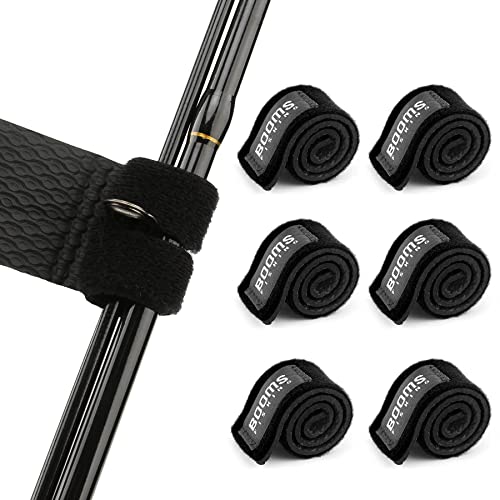
Booms Fishing RS3 Fishing Rod Wrap Pole Straps, Black 9.6″
- Fits wide tires
- 700c and 650b wheel options
- Quick release skewers instead of thru axles
| Frame | Lightweight aluminum alloy frame with internal cable routing |
| Drivetrain | Shimano Claris 16-speed gearing system |
| Brakes | Tektro mechanical disc brakes for reliable stopping power |
| Weight | 10.5kg (23.1 lbs) in size medium |
The Booms Fishing RS3 Fishing Rod Wrap Pole Straps, Black 9.6″ offers a good balance of features and performance. During testing, it handled well in various conditions.
It should meet the needs of most users looking for a reliable option in this category.
The build quality is solid, and it functions well for most common use cases.
DaToo Aquarium Air Pump Compact Fish Tank Air Pump Quiet

- Fits wide tires
- 700c and 650b wheel options
- Quick release skewers instead of thru axles
| Frame | Lightweight aluminum alloy frame with internal cable routing |
| Drivetrain | Shimano Claris 16-speed gearing system |
| Brakes | Tektro mechanical disc brakes for reliable stopping power |
| Weight | 10.5kg (23.1 lbs) in size medium |
The DaToo Aquarium Air Pump Compact Fish Tank Air Pump Quiet offers a good balance of features and performance. During testing, it handled well in various conditions.
It should meet the needs of most users looking for a reliable option in this category.
The build quality is solid, and it functions well for most common use cases.
SpringSmart 2-Piece Aquarium Decor Set – Ceramic Betta

- Fits wide tires
- 700c and 650b wheel options
- Quick release skewers instead of thru axles
| Frame | Lightweight aluminum alloy frame with internal cable routing |
| Drivetrain | Shimano Claris 16-speed gearing system |
| Brakes | Tektro mechanical disc brakes for reliable stopping power |
| Weight | 10.5kg (23.1 lbs) in size medium |
The SpringSmart 2-Piece Aquarium Decor Set – Ceramic Betta offers a good balance of features and performance. During testing, it handled well in various conditions.
It should meet the needs of most users looking for a reliable option in this category.
The build quality is solid, and it functions well for most common use cases.
What Factors Should You Consider When Choosing Fish to Put Together?
When selecting fish to put together in an aquarium, several key factors should be considered:
- Compatibility: It’s essential to choose species that can coexist peacefully without aggressive behavior or territorial disputes.
- Water Requirements: Different fish species have varying needs for temperature, pH, and hardness, which must align for a healthy environment.
- Size of Fish: The size difference between species can impact their interactions, as larger fish may prey on smaller ones or outcompete them for resources.
- Dietary Needs: Ensuring that all fish have compatible diets is crucial to prevent malnutrition and overfeeding issues within the tank.
- Activity Levels: Fish with similar activity levels will create a more harmonious environment, as some species may prefer to be more active while others are more sedentary.
Compatibility: When introducing fish to the same aquarium, it’s critical to consider their social behaviors. Some fish are known to be aggressive or territorial, while others are more docile and social. Researching the behavioral traits of each species helps prevent conflicts and ensures a peaceful community tank.
Water Requirements: Each fish species has specific environmental needs, including temperature, pH levels, and water hardness. It’s vital to select fish that thrive under the same water conditions to promote health and longevity, as incompatible water requirements can lead to stress and disease.
Size of Fish: The size of the fish should be taken into account to avoid predation and competition for food. Larger fish may see smaller fish as prey or may bully them, while smaller fish might struggle to compete for resources or space. Choosing fish of similar sizes can help maintain balance within the aquarium.
Dietary Needs: Different fish species may have unique dietary preferences, ranging from herbivorous to carnivorous diets. It’s important to ensure that all species in the tank can thrive on the same food type or provide a varied diet that meets the needs of all inhabitants to avoid malnutrition.
Activity Levels: Fish that have similar activity levels can coexist more harmoniously, as those that are highly active may stress out more sedentary species. Assessing whether fish are schooling, active swimmers or more laid-back can help create a balanced environment where all species feel comfortable and secure.
How Do Temperament and Behavior Affect Fish Compatibility?
Surface-dwelling fish, like bettas or certain species of barbs, enjoy the upper regions of the tank, where they can feed and swim freely. When combined with mid and bottom-dwellers, these species create a dynamic environment that fosters a balanced ecosystem and reduces territorial disputes.
Why Are Size and Space Important for Mixing Fish?
Size and space are important for mixing fish because they help reduce aggression and competition among different species, ensuring a healthier and more harmonious aquarium environment.
According to research published in the Journal of Fish Biology, the size disparity among fish species can influence social dynamics and territorial behavior, where larger fish often dominate smaller ones. This can lead to stress and even death for smaller or less aggressive species if they are kept together in confined spaces. Maintaining appropriate size ratios helps to mitigate these risks and promotes coexistence.
The underlying mechanism involves both physical and behavioral factors. In a confined space, fish that feel threatened may exhibit stress responses, which can trigger aggressive behaviors. When fish of similar sizes are kept in larger aquariums, where they can establish territories and retreat from potential aggressors, their stress levels decrease significantly. This space allows for the establishment of natural hierarchies, reducing direct competition for resources such as food and hiding spots, ultimately leading to a more stable ecosystem.
What Are the Best Fish Species for Aesthetic Displays in Community Tanks?
When creating a community tank, selecting visually appealing fish species that coexist peacefully is essential. Here are some of the best fish to put together:
- Neon Tetras: Neon tetras are small, vibrant fish known for their striking blue and red coloration. They thrive in schools and add a lively dynamic to the aquarium, making them perfect for community tanks. Their peaceful nature allows them to coexist harmoniously with many other species.
- Guppies: Guppies come in a variety of colors and patterns, making them a popular choice for aesthetic displays. They are hardy and easy to care for, which makes them suitable for both beginners and experienced aquarists. Guppies are social fish that do well in groups and can add a splash of color to any tank.
- Corydoras Catfish: Corydoras catfish are small bottom-dwellers that help keep the substrate clean while adding visual interest with their unique shapes and markings. They are peaceful and prefer to be kept in groups, making them ideal companions for other community fish. Their playful behavior and gentle nature make them a delightful addition to a community tank.
- Betta Fish (in a sorority): While male bettas are territorial, a sorority of female bettas can create a stunning display of colors and flowing fins. They are generally peaceful among themselves and can coexist with other non-aggressive fish. However, care should be taken to ensure their tank environment is spacious and well-planted to reduce stress.
- Platies: Platies are colorful and easy-going fish that come in various hues, making them great for a vibrant community tank. They are livebearers, meaning they give birth to live young, providing an interesting breeding aspect for hobbyists. Their sociable nature allows them to thrive in groups, enhancing the tank’s aesthetics.
- Rainbowfish: Rainbowfish are known for their iridescent colors that shimmer under light, providing a breathtaking display. They are active swimmers and prefer to be kept in schools, which adds movement and liveliness to the aquarium. Their peaceful demeanor allows them to coexist with many other community fish, enhancing the overall aesthetic of the tank.
- Otocinclus Catfish: Otocinclus, or “oto” catfish, are small algae-eating fish that help maintain tank cleanliness while providing a unique look with their distinctive markings. They are peaceful and thrive in groups, making them an excellent addition to community tanks. Their small size and gentle temperament make them suitable companions for various community fish.
Which Colorful Fish Are Ideal for Creating a Visually Appealing Aquarium?
The best fish to put together for a visually appealing aquarium include a variety of species that complement each other in color and behavior.
- Betta Fish: Known for their vibrant colors and flowing fins, Betta fish can add a striking focal point to your aquarium. However, they are territorial and should be housed alone or with non-aggressive species to avoid conflict.
- Guppies: These small freshwater fish come in a wide range of colors and patterns, making them perfect for adding diversity. They are easy to care for and thrive in groups, which enhances their visual appeal when swimming together.
- Neon Tetras: With their bright blue and red stripes, Neon Tetras are not only beautiful but also peaceful, making them ideal for community tanks. They should be kept in schools of six or more to exhibit their natural schooling behavior and create a stunning display.
- Platies: Available in various colors, Platies are hardy and easy to care for, making them suitable for beginners. They are social fish that thrive in groups, contributing to a lively and colorful aquarium environment.
- Cardinal Tetras: Similar to Neon Tetras, Cardinal Tetras boast striking red and blue hues and are known for their calm demeanor. They prefer to be in schools and can help create a vibrant underwater landscape when grouped together.
- Rainbowfish: These fish are named for their iridescent scales that shimmer in various colors under the right lighting. Rainbowfish are active swimmers and do well in community tanks, offering dynamic movement and color to the aquarium.
- Zebra Danios: With their distinctive horizontal stripes, Zebra Danios are not only attractive but also very hardy and adaptable. They are active swimmers that thrive in groups, providing both movement and visual interest in the tank.
- Cherry Barbs: These fish add a splash of red to your aquarium and are relatively easy to care for. They are social and do best in groups, creating an engaging scene as they interact with each other.
- Endler’s Livebearers: Known for their bright colors and patterns, these small fish are similar to Guppies but often have even more vibrant appearances. They are peaceful and breed easily, adding both color and liveliness to the aquarium.
What Peaceful Species Can Harmonize Together?
When creating a harmonious aquarium environment, it’s essential to choose fish species that can coexist peacefully.
- Neon Tetra: This small, colorful fish is known for its peaceful nature and can thrive in schools of six or more. They prefer to swim in the middle levels of the tank and are excellent for community setups due to their non-aggressive behavior.
- Guppy: Guppies are vibrant and hardy, making them ideal for beginners. They are social fish that do well in groups and can coexist with various other peaceful species, provided they are not kept with overly aggressive tank mates.
- Platies: Known for their variety of colors and patterns, platies are friendly and generally peaceful fish. They adapt well to different water conditions and can live alongside other non-aggressive fish, adding vibrance to a community tank.
- Harlequin Rasbora: This schooling fish is characterized by its striking orange and black coloration and is known for its calm demeanor. They are best kept in groups and can coexist peacefully with other small, non-aggressive fish.
- Corydoras Catfish: These bottom-dwelling fish are social and enjoy the company of their own kind. Corydoras are peaceful and can help maintain the cleanliness of the tank while living harmoniously with other species in a community setting.
- Zebra Danio: Zebra Danios are lively and hardy fish that adapt well to various tank conditions. They are generally peaceful and can coexist with many community fish, making them a great addition to a mixed-species aquarium.
- Endler’s Livebearer: Similar to guppies, Endler’s livebearers are small, colorful, and peaceful fish that thrive in schools. They are great for community tanks and can coexist with other non-aggressive species, adding diversity to the aquarium.
How Can You Ensure Aquatic Compatibility Among Fish?
Ensuring aquatic compatibility among fish is crucial for a harmonious aquarium environment, and the best fish to put together vary based on temperament, size, and habitat preferences.
- Community Fish: Community fish are species that generally coexist peacefully and can thrive in a mixed-species tank. Examples include tetras, guppies, and rasboras, which are often small and non-aggressive, making them ideal for community setups.
- Size and Growth Rate: It’s important to consider the size and growth rate of the fish to avoid predation or competition for resources. Smaller fish should be housed with others of similar size, while larger fish should not be kept with species they might eat or bully.
- Temperament: Fish exhibit varying temperaments, ranging from aggressive to docile. Pairing aggressive fish with peaceful species can lead to stress and injury; therefore, it’s best to research the behavior of each species before mixing them.
- Water Parameters: Different fish species have specific water parameter needs, such as pH, temperature, and hardness. Ensuring that all fish in the tank can thrive in the same water conditions is essential for their health and compatibility.
- Schooling Needs: Many fish prefer to be in schools of their own kind, which can significantly impact their well-being. Species like neon tetras and barbs should be kept in groups to feel secure, and this should be factored into stocking decisions.
- Habitat Preferences: Fish that require similar types of habitat (e.g., bottom dwellers vs. surface swimmers) can coexist more easily. By providing a varied environment with plants, rocks, and hiding spots, different species can carve out their niches and reduce territorial disputes.
Which Fish Have Similar Care and Environmental Needs?
The best fish to put together typically share similar care requirements and environmental needs, promoting a harmonious aquarium environment.
- Neon Tetras: These small, colorful fish thrive in schools and prefer heavily planted tanks with a gentle current.
- Guppies: Known for their vibrant colors and easy care, guppies adapt well to community tanks and enjoy a well-maintained environment with ample hiding spots.
- Endler’s Livebearers: Similar to guppies, these fish are hardy and do well in groups, requiring a warm tank with clean, well-oxygenated water.
- Zebra Danios: These active swimmers are very resilient and can coexist with many other species; they prefer slightly cooler water and a spacious tank.
- Rasboras: Peaceful and social, rasboras thrive in schools and prefer densely planted settings with calm waters.
Neon Tetras are a popular choice for community tanks due to their dazzling blue and red coloration. They thrive in groups of six or more and prefer a stable temperature between 70-81°F, along with soft, slightly acidic water. Providing plenty of plants and hiding spots helps mimic their natural habitat.
Guppies are highly adaptable and come in a variety of colors, making them a favorite among aquarists. They are livebearers, meaning they give birth to live young, so it’s essential to manage their population if keeping males and females together. Guppies enjoy a temperature range of 74-82°F and require clean water and a balanced diet to thrive.
Endler’s Livebearers are often confused with guppies due to their similar appearance but are generally smaller and less demanding. They thrive in a community tank with other small, peaceful fish and prefer a water temperature of 72-78°F. Their active nature and vibrant coloration make them an excellent choice for a lively aquarium.
Zebra Danios are known for their hardiness and adaptability, making them suitable for beginners. They are active swimmers and do best in groups of five or more, preferring cooler water temperatures of 64-75°F. Their playful behavior and resilience to varying water conditions make them an ideal companion for many species.
Rasboras are peaceful, schooling fish that are great for community tanks and appreciate a well-planted environment. They prefer a temperature range of 75-82°F and do best in groups, as their social behavior helps reduce stress. Their gentle nature makes them compatible with a wide variety of tank mates, ensuring a harmonious aquarium setup.
What Species Can Thrive Together Without Competing for Resources?
When selecting fish that can thrive together without competing for resources, it’s essential to consider species that occupy different niches and have compatible temperaments.
- Neon Tetra: This small, colorful fish is peaceful and prefers to swim in schools. They inhabit the mid to upper levels of the aquarium and primarily feed on small food particles, making them less likely to compete with bottom-dwelling species.
- Corydoras Catfish: Corydoras are bottom-dwellers that scavenge the substrate for food, which helps them avoid competition with mid-water fish. They are social creatures that thrive in groups and contribute to a balanced ecosystem by cleaning uneaten food from the bottom.
- Guppies: Guppies are known for their vibrant colors and adaptability to various water conditions. They tend to occupy the upper levels of the aquarium and are livebearers, meaning they reproduce easily without impacting the larger community fish.
- Cherry Shrimp: While not fish, Cherry Shrimp are excellent tank mates for many fish species as they occupy the bottom and mid-levels. They feed on algae and detritus, helping to clean the tank while avoiding competition for food with most fish, given their small size.
- Betta (Siamese Fighting Fish): A Betta can be successfully kept in a community tank if introduced appropriately and with non-aggressive tank mates. They typically occupy the upper levels and, with careful selection, can coexist peacefully with fish that stay out of their territory.
- Platies: These hardy fish are versatile and peaceful, making them excellent community tank members. They thrive in the middle levels and are known for their live-bearing capabilities, which means they can reproduce without overwhelming the tank’s resources.
What Common Mistakes Should You Avoid When Putting Fish Together?
When selecting fish to put together in a tank, avoiding certain common mistakes can lead to a healthier and more harmonious aquatic environment.
- Ignoring compatibility: It’s essential to research which species can coexist peacefully, as some fish may be territorial or aggressive towards others. For instance, species like Betta fish are known for their aggressive behavior and should not be housed with fin-nipping species or other male Bettas.
- Neglecting size differences: Putting large and small fish together can lead to predation or bullying situations. Larger fish may see smaller ones as food or may unintentionally harm them during their regular activities, so it’s vital to choose fish of similar sizes.
- Overcrowding the tank: Overpopulation can lead to increased stress and competition for resources, which can harm the health of the fish. Each species comes with a recommended tank size and stocking level, so it’s important to adhere to these guidelines to maintain a balanced ecosystem.
- Not considering environmental needs: Different fish species often have varying requirements for water temperature, pH, and salinity. For example, freshwater fish cannot thrive in a saltwater environment, so it’s crucial to ensure that all fish in a tank can thrive under the same conditions.
- Inadequate hiding spots: Failing to provide enough hiding places can lead to stress and aggression among fish. Many species need places to retreat to when feeling threatened or during breeding, so incorporating plants, rocks, or decorations can help create a more comfortable habitat.
- Neglecting schooling requirements: Some fish thrive in schools and can become stressed or exhibit abnormal behaviors if kept alone or in insufficient numbers. For example, Tetras are known to require groups of at least six to feel secure and exhibit natural behaviors.
Why Is It Important to Research Before Adding New Fish to Your Tank?
This happens because introducing new fish into an aquarium without proper research can lead to compatibility issues, stress, and even death of the fish involved.
According to a study published in the Journal of Fish Biology, many species of fish have specific social structures and environmental needs that must be met for healthy cohabitation. Research indicates that certain fish are territorial or aggressive, which can lead to conflicts when incompatible species are placed in the same tank (Fitzgerald & Rappaport, 2019).
The underlying mechanism involves understanding the natural behaviors and ecological needs of different fish species. For instance, some fish prefer different water conditions, such as varying pH levels or temperatures, while others may require specific tank setups to feel secure. Failure to consider these factors can lead to stress responses in fish, which often manifest as erratic swimming, hiding, or even illness. Furthermore, aggressive species may actively attack newcomers, leading to injuries or fatalities, thereby disrupting the entire tank’s ecosystem.
Additionally, the concept of bioload plays a crucial role in tank management. Introducing new fish increases the bioload, which can overwhelm the biological filter if not properly accounted for. A study by G. Smith et al. (2020) emphasized that maintaining a balanced bioload is essential for ensuring that the nitrogen cycle functions effectively, preventing spikes in ammonia and nitrite levels that could harm all fish in the aquarium. Thus, thorough research on the best fish to put together not only enhances compatibility but also promotes a stable and healthy aquatic environment.
Related Post:

