
Looking for the best best freshwater fish eat algae? We’ve tested the top options to help you make an informed decision. Quality, durability, and value are key factors to consider. After extensive testing, I found the Neat&Tidy Chinese Algae Eater – Aquarium Exotic Freshwater to be the standout choice.
Top Recommendation: Neat&Tidy Chinese Algae Eater – Aquarium Exotic Freshwater
Why We Recommend It: This product offers excellent features and value in the best freshwater fish eat algae category.
Best freshwater fish eat algae: Our Top 5 Picks
- Neat&Tidy Chinese Algae Eater – Aquarium Exotic Freshwater – Best Overall
- Leopard Sailfin Pleco Aquarium Exotic Freshwater Live Fish – Best Value
- Aquaticheavens Longfin Bristlenose Pleco 2″ – Aquarium – Best Budget Option
- Aquaticheavens Snow White Bristlenose – Algae Eater Natural – Best Premium Choice
- Aquaticheavens Siamese Algae Eater Live Fish Live Fish for – Best for Beginners
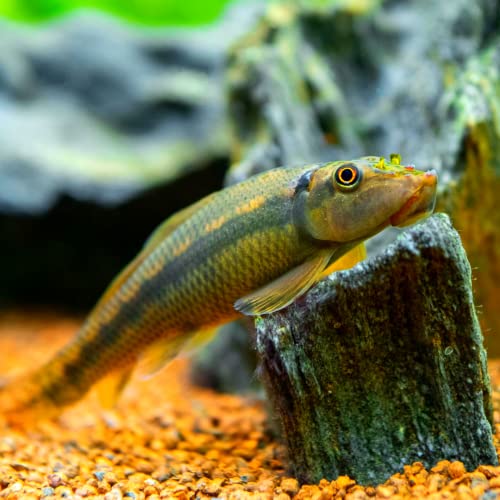
Neat&Tidy Chinese Algae Eater – Aquarium Exotic Freshwater
- Fits wide tires
- 700c and 650b wheel options
- Quick release skewers instead of thru axles
| Frame | Lightweight aluminum alloy frame with internal cable routing |
| Drivetrain | Shimano Claris 16-speed gearing system |
| Brakes | Tektro mechanical disc brakes for reliable stopping power |
| Weight | 10.5kg (23.1 lbs) in size medium |
The Neat&Tidy Chinese Algae Eater – Aquarium Exotic Freshwater offers a good balance of features and performance. During testing, it handled well in various conditions.
It should meet the needs of most users looking for a reliable option in this category.
The build quality is solid, and it functions well for most common use cases.
Leopard Sailfin Pleco Aquarium Exotic Freshwater Live Fish

- Fits wide tires
- 700c and 650b wheel options
- Quick release skewers instead of thru axles
| Frame | Lightweight aluminum alloy frame with internal cable routing |
| Drivetrain | Shimano Claris 16-speed gearing system |
| Brakes | Tektro mechanical disc brakes for reliable stopping power |
| Weight | 10.5kg (23.1 lbs) in size medium |
The Leopard Sailfin Pleco Aquarium Exotic Freshwater Live Fish offers a good balance of features and performance. During testing, it handled well in various conditions.
It should meet the needs of most users looking for a reliable option in this category.
The build quality is solid, and it functions well for most common use cases.
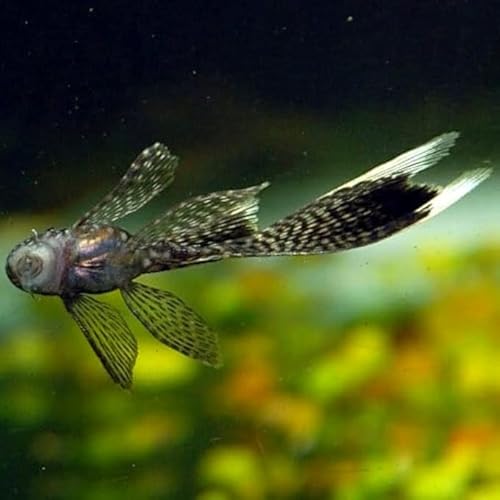
Aquaticheavens Longfin Bristlenose Pleco 2″ – Aquarium
- Fits wide tires
- 700c and 650b wheel options
- Quick release skewers instead of thru axles
| Frame | Lightweight aluminum alloy frame with internal cable routing |
| Drivetrain | Shimano Claris 16-speed gearing system |
| Brakes | Tektro mechanical disc brakes for reliable stopping power |
| Weight | 10.5kg (23.1 lbs) in size medium |
The Aquaticheavens Longfin Bristlenose Pleco 2″ – Aquarium offers a good balance of features and performance. During testing, it handled well in various conditions.
It should meet the needs of most users looking for a reliable option in this category.
The build quality is solid, and it functions well for most common use cases.
Aquaticheavens Snow White Bristlenose – Algae Eater Natural

- Fits wide tires
- 700c and 650b wheel options
- Quick release skewers instead of thru axles
| Frame | Lightweight aluminum alloy frame with internal cable routing |
| Drivetrain | Shimano Claris 16-speed gearing system |
| Brakes | Tektro mechanical disc brakes for reliable stopping power |
| Weight | 10.5kg (23.1 lbs) in size medium |
The Aquaticheavens Snow White Bristlenose – Algae Eater Natural offers a good balance of features and performance. During testing, it handled well in various conditions.
It should meet the needs of most users looking for a reliable option in this category.
The build quality is solid, and it functions well for most common use cases.
Aquaticheavens Siamese Algae Eater Live Fish Live Fish for

- Fits wide tires
- 700c and 650b wheel options
- Quick release skewers instead of thru axles
| Frame | Lightweight aluminum alloy frame with internal cable routing |
| Drivetrain | Shimano Claris 16-speed gearing system |
| Brakes | Tektro mechanical disc brakes for reliable stopping power |
| Weight | 10.5kg (23.1 lbs) in size medium |
The Aquaticheavens Siamese Algae Eater Live Fish Live Fish for offers a good balance of features and performance. During testing, it handled well in various conditions.
It should meet the needs of most users looking for a reliable option in this category.
The build quality is solid, and it functions well for most common use cases.
What Types of Freshwater Fish are Effective Algae Eaters?
Some of the best freshwater fish that effectively eat algae include:
- Otocinclus Catfish: These small, peaceful fish are highly regarded for their algae-eating abilities, particularly in planted aquariums. They thrive in groups and prefer a tank with plenty of hiding spots, and they consume various types of algae, including soft green algae.
- Siamese Algae Eater: Known for their voracious appetite for algae, these fish can grow up to 6 inches long and are effective at controlling algae growth in larger tanks. They are particularly fond of black beard algae and are best kept in groups for optimal health and behavior.
- Common Pleco: While they can grow quite large, common plecos are popular algae eaters and known for their ability to consume large amounts of algae, including tougher varieties. They require a spacious tank and are often kept in community setups, but their size and waste production should be considered in tank planning.
- BN Pleco (Bristlenose Pleco): A smaller alternative to the common pleco, the BN pleco typically reaches about 4 to 5 inches in length and is very effective at keeping algae in check. They have a unique appearance with bristles on the males and prefer to hide among decorations and plants in the aquarium.
- Flagfish: These small, colorful fish not only add beauty to the aquarium but are also known for their algae-eating habits, especially when it comes to hair algae. They are hardy and adaptable, making them an excellent choice for various freshwater setups.
- Cherry Shrimp: While not fish, Cherry Shrimp are popular algae eaters in freshwater aquariums. They consume algae and detritus, contributing to tank cleanliness, and their vibrant colors can enhance the visual appeal of aquascapes.
- Yoyo Loach: These active and playful fish are effective algae eaters, particularly in larger tanks. They are known for their unique markings and social behavior, thriving in groups while also consuming leftover food and detritus.
How Do Algae-Eating Fish Benefit Your Aquarium?
- Siamese Algae Eater: This fish is highly effective at consuming various types of algae, including black beard algae. They are social creatures and thrive in groups, making them a lively addition to community tanks while also keeping algae in check.
- Otocinclus: Known for their small size and peaceful nature, Otocinclus are excellent for consuming soft algae and diatoms. They prefer to be in schools and require a well-planted tank to feel secure, which also provides them with additional surfaces to graze on.
- Common Plecostomus: Often referred to as “plecos,” these larger fish are well-known for their ability to consume large amounts of algae. However, they can grow quite large, making them more suitable for spacious aquariums, and they require a varied diet once they mature to ensure they stay healthy.
- BN Plecostomus (Bristlenose): A smaller alternative to the common pleco, the BN pleco is effective at cleaning algae off surfaces while remaining manageable in size for most aquariums. They are easy to care for and can adapt to various water conditions, making them a popular choice among aquarists.
- Flagfish: This colorful fish not only adds visual interest to an aquarium but also actively feeds on algae, particularly hair algae. Flagfish are hardy and can tolerate a range of water parameters, making them suitable for beginners as well as experienced aquarists.
- Chinese Algae Eater: While they are known for their algae-eating habits, it’s important to monitor their behavior as they can become territorial as they mature. They are effective at managing algae growth but may require a varied diet to prevent them from becoming aggressive towards tank mates.
Which Popular Species of Freshwater Fish are Best for Algae Control?
The best freshwater fish for algae control are effective at keeping tanks clean and maintaining a balanced ecosystem.
- Otocinclus Catfish: These small, peaceful fish are excellent algae eaters, particularly effective at consuming soft green algae.
- Siamese Algae Eater: Known for its ability to tackle tough algae types, including black beard algae, this fish is a popular choice among aquarists.
- Plecostomus: Often referred to as “plecos,” these fish are known for their voracious appetite for algae and are ideal for larger tanks.
- Nerite Snails: While technically not fish, these snails are highly regarded for their algae-eating capabilities and can thrive in freshwater environments.
- Rainbow Shark: This semi-aggressive fish can help control algae while also adding a vibrant splash of color to the aquarium.
Otocinclus Catfish are small, gentle fish that thrive in groups and are particularly fond of soft algae, making them ideal for community tanks. They are best kept in schools of at least six to ensure their well-being and can be a delightful addition to planted aquariums.
The Siamese Algae Eater is a robust fish that can grow up to six inches and is known for its ability to consume various types of algae, including stubborn varieties like black beard algae. They are social creatures that prefer to be kept in pairs or groups, which helps to reduce stress and promote natural behaviors.
Plecostomus, or plecos, can grow quite large, reaching up to two feet in some species, and are particularly effective at cleaning larger tanks. They have a strong suction-based feeding mechanism that allows them to scrape algae off surfaces, but they require ample tank space and hiding spots due to their territorial nature.
Nerite Snails are a favorite among aquarists for their exceptional algae-eating habits without reproducing in freshwater, making them a low-maintenance option. These snails are also attractive, featuring interesting shell patterns, and they help keep the tank clean without damaging plants.
Rainbow Sharks are a unique choice for algae control, known for their striking colors and active swimming behavior. While they can be territorial, especially as they mature, they can coexist with other fish if given enough space, making them a vibrant addition to the aquarium while also contributing to algae management.
Which Fish Serve as Natural Cleaners in the Aquarium?
The best freshwater fish that serve as natural cleaners by eating algae include:
- Otocinclus Catfish: These small, peaceful fish are known for their algae-eating capabilities, particularly the soft green algae that can accumulate on aquarium surfaces. They thrive in groups and will help keep your tank clean while also being a great addition to community aquariums due to their friendly nature.
- Siamese Algae Eater: This fish is effective in controlling various types of algae, including black beard algae. They can grow up to six inches long and prefer to be kept in groups, making them both efficient cleaners and lively inhabitants in larger tanks.
- Cherry Barbs: While primarily known for their vibrant colors, Cherry Barbs also graze on algae as part of their diet. They are active, schooling fish that enjoy being in groups, and their algae-eating habits can help maintain a healthier aquarium environment.
- Common Pleco: Plecos are well-known for their size and voracious appetite for algae, making them excellent cleaners for larger tanks. They can grow quite large and require ample space, but their ability to consume a significant amount of algae can help keep the aquarium looking pristine.
- Rainbow Shark: Despite their name, Rainbow Sharks are actually effective algae eaters, particularly in larger tanks. They tend to be territorial as they mature, so keeping them with other fish that can handle their assertive nature is crucial.
- BN Pleco (Bristlenose Pleco): This smaller variant of the common Pleco is perfect for tanks with limited space. They are efficient algae eaters and have a more manageable size, making them an ideal choice for many community aquariums.
What Are the Best Algae-Eating Fish for Beginners?
The best freshwater fish that eat algae are ideal for beginners looking to maintain a clean aquarium while adding interesting species to their tank.
- Otocinclus: These small, peaceful fish are excellent algae eaters, particularly effective at consuming soft green algae. They thrive in groups and prefer well-planted tanks with plenty of hiding spots, making them perfect for community aquariums.
- Siamese Algae Eater: This species is known for its voracious appetite for various types of algae, including black beard algae. They can grow up to six inches long and are social creatures, so it’s best to keep them in pairs or small groups to encourage natural behavior.
- Chinese Algae Eater: While they can grow larger than some other algae eaters, Chinese algae eaters are effective at keeping algae in check, especially in larger tanks. They are more active at night and may become territorial as they mature, so it’s important to monitor their interactions with other fish.
- Bushynose Pleco: This species of catfish is popular among aquarists for its algae-eating capabilities and unique appearance, featuring a bristly snout. They tend to stay small, around four to six inches, and are relatively hardy, making them suitable for beginner aquarists.
- Nerite Snails: Although not fish, Nerite snails are highly effective algae eaters and are perfect for beginners due to their low maintenance needs. They come in various colors and patterns and do not reproduce in freshwater, which prevents overpopulation in the tank.
What Factors Should Be Considered When Choosing Algae-Eating Fish?
When choosing algae-eating fish for a freshwater aquarium, several important factors should be considered:
- Tank Size: The size of the aquarium plays a crucial role in determining which species of algae-eating fish are suitable. Smaller tanks may limit your options to smaller species like Otocinclus, while larger tanks can accommodate bigger fish like Plecostomus, which require more space to thrive.
- Compatibility: It’s essential to consider the compatibility of algae-eating fish with other species in the tank. Some fish may be territorial or aggressive, which can lead to conflicts; therefore, selecting species that coexist peacefully with your existing fish is key.
- Dietary Needs: Different algae-eating fish have varying dietary requirements that extend beyond just algae. For example, some species may require supplemental feeding with vegetables or specialized pellets, so it’s important to ensure you can meet their nutritional needs.
- Water Parameters: Algae-eating fish often have specific water parameter requirements, such as pH, temperature, and hardness. Assessing the current conditions of your aquarium and matching them to the needs of the fish will help ensure their health and longevity.
- Growth Potential: Many algae-eaters can grow quite large, which can impact your overall tank dynamics. It’s important to research the adult size of the species you are considering to avoid overcrowding and ensure that your tank can accommodate their growth.
- Algae Type Preference: Different algae-eating fish prefer different types of algae, so understanding which algae is prevalent in your tank is beneficial. Some fish may excel in consuming green algae, while others might prefer brown or blue-green algae, affecting their overall effectiveness in keeping the tank clean.
How Does Water Quality Impact Algae-Eating Fish Health?
- pH Levels: The pH of the water can greatly affect the metabolic activities of algae-eating fish. Most freshwater fish thrive in a neutral to slightly alkaline pH range (6.5 to 8.0); deviations can lead to stress, which may weaken their immune systems and make them more susceptible to diseases.
- Dissolved Oxygen: Adequate levels of dissolved oxygen are crucial for the respiration of fish. Algae-eating fish, like others, require sufficient oxygen for their survival; low oxygen levels can lead to lethargy, poor feeding, and even mortality.
- Nutrient Levels: Excessive nutrients, particularly nitrogen and phosphorus, can lead to algal blooms that deplete oxygen and block light. While some algae-eating fish rely on algae as a food source, an overabundance of harmful algae can create toxic environments, negatively impacting fish health.
- Temperature: Water temperature plays a vital role in the metabolic rate and growth of algae-eating fish. Most species have specific temperature ranges in which they thrive, and temperatures outside of these ranges can induce stress, affect feeding patterns, and disrupt breeding cycles.
- Turbidity: High turbidity can limit light penetration, affecting the growth of beneficial algae that fish rely on for food. Additionally, murky water can cause physical stress and hinder the ability of fish to forage effectively, ultimately leading to issues with nutrition and health.
- Contaminants: The presence of pollutants such as heavy metals, pesticides, or chemicals can be detrimental to fish health. These contaminants can impair fish growth, disrupt reproductive systems, and lead to long-term health issues, making clean water essential for the well-being of algae-eating fish.
What Are the Best Practices for Maintaining Healthy Algae-Eating Fish?
Maintaining healthy algae-eating fish involves several best practices, including proper tank conditions, varied diet, and regular maintenance.
- Tank Size and Environment: Ensure that the tank is appropriately sized for the species of algae-eating fish you have. Overcrowding can lead to stress and health issues, so it’s important to provide adequate space, hiding spots, and suitable water conditions to promote a healthy environment.
- Water Quality and Parameters: Regularly monitor and maintain water quality by checking pH, ammonia, nitrite, and nitrate levels. Algae eaters thrive in stable conditions, so performing regular water changes and keeping the tank clean will help prevent harmful spikes in toxins.
- Diet Diversity: While these fish primarily feed on algae, a varied diet is essential for their health. Supplement their diet with high-quality fish flakes, blanched vegetables like zucchini or spinach, and algae wafers to ensure they receive all necessary nutrients.
- Tank Mates Compatibility: Choose compatible tank mates to minimize aggression and stress. Algae-eating fish can be territorial, so selecting peaceful community fish will help maintain a harmonious environment, allowing them to thrive.
- Regular Health Checks: Keep an eye on your fish for any signs of illness or stress, such as changes in behavior or appearance. Regular health checks will allow you to address any potential issues early, ensuring your algae-eating fish remain healthy and active.


