
Looking for the best best freshwater fish to own? We’ve tested the top options to help you make an informed decision. Quality, durability, and value are key factors to consider. After extensive testing, I found the Peterson Field Guide to Freshwater Fishes, Second Edition to be the standout choice.
Top Recommendation: Peterson Field Guide to Freshwater Fishes, Second Edition
Why We Recommend It: This product offers excellent features and value in the best freshwater fish to own category.
Best freshwater fish to own: Our Top 5 Picks
- Peterson Field Guide to Freshwater Fishes, Second Edition – Best Overall
- Dovesun Fishing Lure Making Kit DIY Spinner Making Kit, – Best Value
- Ken Schultz’s Field Guide to Freshwater Fish – Best Budget Option
- THE FRESHWATER AQUARIUM HANDBOOK: The Ultimate – Best Premium Choice
- FONMANG 126Pcs Fishing Lures – 2025 New Tackle Box Tackle – Best for Beginners
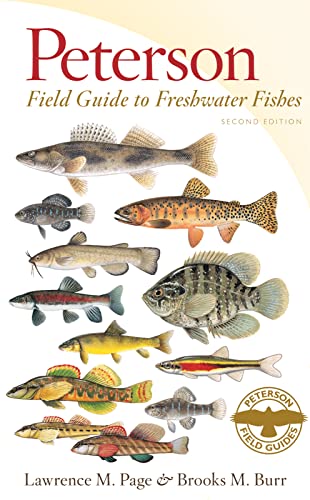
Peterson Field Guide to Freshwater Fishes, Second Edition
- Fits wide tires
- 700c and 650b wheel options
- Quick release skewers instead of thru axles
| Frame | Lightweight aluminum alloy frame with internal cable routing |
| Drivetrain | Shimano Claris 16-speed gearing system |
| Brakes | Tektro mechanical disc brakes for reliable stopping power |
| Weight | 10.5kg (23.1 lbs) in size medium |
The Peterson Field Guide to Freshwater Fishes, Second Edition offers a good balance of features and performance. During testing, it handled well in various conditions.
It should meet the needs of most users looking for a reliable option in this category.
The build quality is solid, and it functions well for most common use cases.
Dovesun Fishing Lure Making Kit DIY Spinner Making Kit,

- Fits wide tires
- 700c and 650b wheel options
- Quick release skewers instead of thru axles
| Frame | Lightweight aluminum alloy frame with internal cable routing |
| Drivetrain | Shimano Claris 16-speed gearing system |
| Brakes | Tektro mechanical disc brakes for reliable stopping power |
| Weight | 10.5kg (23.1 lbs) in size medium |
The Dovesun Fishing Lure Making Kit DIY Spinner Making Kit, offers a good balance of features and performance. During testing, it handled well in various conditions.
It should meet the needs of most users looking for a reliable option in this category.
The build quality is solid, and it functions well for most common use cases.
Ken Schultz’s Field Guide to Freshwater Fish

- Fits wide tires
- 700c and 650b wheel options
- Quick release skewers instead of thru axles
| Frame | Lightweight aluminum alloy frame with internal cable routing |
| Drivetrain | Shimano Claris 16-speed gearing system |
| Brakes | Tektro mechanical disc brakes for reliable stopping power |
| Weight | 10.5kg (23.1 lbs) in size medium |
The Ken Schultz’s Field Guide to Freshwater Fish offers a good balance of features and performance. During testing, it handled well in various conditions.
It should meet the needs of most users looking for a reliable option in this category.
The build quality is solid, and it functions well for most common use cases.
THE FRESHWATER AQUARIUM HANDBOOK: The Ultimate

- Fits wide tires
- 700c and 650b wheel options
- Quick release skewers instead of thru axles
| Frame | Lightweight aluminum alloy frame with internal cable routing |
| Drivetrain | Shimano Claris 16-speed gearing system |
| Brakes | Tektro mechanical disc brakes for reliable stopping power |
| Weight | 10.5kg (23.1 lbs) in size medium |
The THE FRESHWATER AQUARIUM HANDBOOK: The Ultimate offers a good balance of features and performance. During testing, it handled well in various conditions.
It should meet the needs of most users looking for a reliable option in this category.
The build quality is solid, and it functions well for most common use cases.
FONMANG 126Pcs Fishing Lures – 2025 New Tackle Box Tackle

- Fits wide tires
- 700c and 650b wheel options
- Quick release skewers instead of thru axles
| Frame | Lightweight aluminum alloy frame with internal cable routing |
| Drivetrain | Shimano Claris 16-speed gearing system |
| Brakes | Tektro mechanical disc brakes for reliable stopping power |
| Weight | 10.5kg (23.1 lbs) in size medium |
The FONMANG 126Pcs Fishing Lures – 2025 New Tackle Box Tackle offers a good balance of features and performance. During testing, it handled well in various conditions.
It should meet the needs of most users looking for a reliable option in this category.
The build quality is solid, and it functions well for most common use cases.
What Characteristics Should You Look For in Freshwater Fish?
When considering the best freshwater fish to own, several key characteristics are essential to ensure a successful and enjoyable aquarium experience.
- Hardiness: Look for fish species that are resilient and can adapt to a range of water conditions, making them easier to care for, especially for beginners.
- Size: Consider the adult size of the fish, as this will impact the space needed in the aquarium and the compatibility with other species.
- Choose fish with a compatible temperament that will coexist peacefully with other species in your tank, avoiding aggressive or territorial behaviors.
- Diet: Research the dietary needs of the fish to ensure you can provide proper nutrition, as some species may have specific requirements that could complicate care.
- Lifespan: Understanding the lifespan of a species can help in planning long-term care and commitment, as some fish can live for many years.
Hardiness is crucial for new aquarium owners, as it ensures the fish can survive fluctuations in water quality and other environmental factors. Species like guppies and tetras are often recommended for their ability to thrive in various conditions.
Size is significant because it dictates the type of aquarium setup you will need. Some fish, like bettas, are small and require less space, whereas larger species, such as angelfish, will need more room to swim and grow comfortably.
Temperament is vital to maintaining a harmonious aquarium environment. Fish like neon tetras are generally peaceful, making them suitable for community tanks, while others, like cichlids, can be aggressive and need to be housed with caution.
The diet of the fish is another critical factor, as it affects their health and growth. Some fish are omnivores and will eat a variety of foods, while others may require specific types of food, such as flake, pellet, or live food, which could complicate feeding routines.
Finally, the lifespan of the fish is important for establishing a long-term commitment. Fish such as goldfish can live for over a decade, so it’s essential to consider the long-term implications of caring for them in your aquarium setup.
Which Freshwater Fish Are Best for Beginners?
The best freshwater fish for beginners are those that are hardy, easy to care for, and adaptable to a variety of tank conditions.
- Betta Fish: Betta fish are vibrant and come in a variety of colors, making them a popular choice for beginners. They require minimal space and can thrive in smaller tanks, but it’s important to avoid housing them with other males due to their aggressive nature.
- Goldfish: Goldfish are classic freshwater fish that are known for their hardiness and longevity. They can grow quite large and need ample space, so a well-maintained tank with proper filtration is essential for their health.
- Guppies: Guppies are small, colorful, and very easy to care for, making them ideal for novice aquarists. They breed readily, so be prepared for an increase in population if both males and females are kept together.
- Zebra Danios: Zebra Danios are active and resilient fish that do well in a community tank. They are known for their playful behavior and can adapt to a range of water conditions, making them perfect for beginners.
- Neon Tetras: Neon Tetras are small and striking with their bright blue and red coloration. They thrive in schools of six or more, providing a lively display in the aquarium, and they are generally peaceful, making them suitable for community tanks.
- Corydoras Catfish: Corydoras Catfish are bottom-dwellers that are social and best kept in groups. They are beneficial for the tank as they help keep the substrate clean and are hardy, making them a great addition for beginner aquarists.
- Platies: Platies are colorful and friendly fish that are easy to care for. They are livebearers, which means they give birth to live young, and they adapt well to various water parameters, making them suitable for mixed communities.
What Are Some Easy-to-Care-For Freshwater Fish?
Some of the best freshwater fish to own, known for their ease of care, include:
- Betta Fish: Betta fish are popular for their vibrant colors and flowing fins, making them visually appealing. They thrive in smaller tanks and require minimal maintenance, but it’s essential to keep them alone or with compatible species to prevent aggression.
- Goldfish: Goldfish are a classic choice for beginners due to their hardiness and adaptability to various water conditions. They can live for many years with proper care and enjoy a spacious tank with plenty of filtration and aeration.
- Neon Tetras: Neon tetras are small, peaceful fish known for their striking blue and red coloration. They do well in groups and can thrive in community tanks, requiring only basic care and a well-maintained environment.
- Guppies: Guppies are lively, colorful fish that are easy to breed and care for, making them ideal for novice aquarists. They adapt well to different water conditions and can be kept in groups, adding vibrant movement to the aquarium.
- Corydoras Catfish: Corydoras catfish are bottom-dwellers that help keep the tank clean by scavenging leftover food. They are sociable and should be kept in groups, requiring minimal care while being tolerant of various water parameters.
- Platies: Platies are hardy and colorful fish that adapt easily to different tank conditions. They are peaceful and can coexist with a variety of other fish, making them great for community tanks.
Which Vibrant Freshwater Fish Have Unique Patterns?
The best freshwater fish to own that feature unique patterns include:
- Discus: Known for their vibrant colors and circular shape, Discus fish often display intricate patterns that can include stripes and spots. They are social fish that thrive in groups, making them visually stunning when kept in a well-planted aquarium.
- Betta Fish: Bettas come in a variety of colors and patterns, such as marbled, butterfly, and solid. Their flowing fins and tails create a beautiful display, and their aggressive nature makes them interesting to observe, although they should typically be kept alone or with non-aggressive species.
- Rainbowfish: These fish are known for their iridescent scales and can exhibit a range of patterns and colors depending on the species. They are active swimmers and do well in schools, adding dynamic movement and color to a tank.
- Angelfish: With their elegant triangular shape and striking patterns, angelfish can come in various color combinations including stripes and marbling. They are semi-aggressive and require a larger tank to accommodate their territorial nature.
- Koi Fish: While often associated with ponds, koi can also thrive in large freshwater aquariums. They are known for their captivating patterns that can include patches of red, yellow, and black, and they can grow quite large, making them a centerpiece in any aquatic setting.
What Freshwater Fish Are Ideal for Community Tanks?
Some of the best freshwater fish to own for community tanks include:
- Neon Tetra: This small, colorful fish is known for its vibrant blue and red coloration, making it a popular choice for community tanks. They are peaceful and thrive in schools, ideally requiring at least six individuals to feel secure.
- Guppy: Guppies are hardy, easy to care for, and come in a variety of colors and patterns. They are livebearers, meaning they give birth to live young, which can add an interesting dynamic to community tanks, but be mindful of their rapid breeding.
- Betta Fish: While male bettas can be aggressive towards each other, they can coexist with certain peaceful species in larger tanks. Their striking fins and colors make them a focal point in the aquarium, but tank mates should be chosen carefully to avoid fin nipping.
- Platies: Platies are friendly and adaptable fish that come in various colors, making them an attractive addition to community tanks. They are also livebearers and do well in groups, helping to create a lively aquatic environment.
- Corydoras Catfish: These bottom-dwelling fish are excellent scavengers and help keep the tank clean by eating leftover food. Corydoras are social creatures and should be kept in groups of at least four to thrive, and they are generally peaceful with other fish species.
- Danios: Danios are active and hardy fish that adapt well to various water conditions, making them suitable for beginners. Their playful nature and schooling behavior add energy to community tanks, and they tend to get along with a wide range of tank mates.
- Rasboras: Rasboras are small, peaceful fish that display beautiful coloration and are best kept in groups. They are easy to care for and typically get along well with other community fish, making them a great addition to mixed-species tanks.
Which Freshwater Fish Are Peaceful and Compatible?
The best freshwater fish to own that are peaceful and compatible include a variety of species suitable for community tanks.
- Neon Tetra: These small, brightly colored fish are known for their vibrant blue and red stripes. They thrive in schools and are very peaceful, making them perfect for community tanks with other small fish.
- Guppy: Guppies are hardy and adaptable fish that come in many colors and patterns. They are livebearers and enjoy the company of their own kind, making them a great addition to community aquariums.
- Otocinclus Catfish: These small algae-eating catfish are excellent for keeping tanks clean. They are peaceful and tend to stay at the bottom of the tank, which helps them coexist well with other fish in a community setting.
- Corydoras Catfish: Known for their playful nature and bottom-dwelling habits, Corydoras are social fish that thrive in groups. They are very peaceful and can live harmoniously with various other species in a community aquarium.
- Betta Fish (in specific conditions): While male bettas are known for their aggressive nature, females can be kept in sororities and can coexist peacefully with certain non-aggressive species. Care must be taken to avoid fin-nipping companions that may provoke them.
- Endler’s Livebearer: Similar to guppies, these small fish are colorful and peaceful. They are easy to care for and do well in community tanks, thriving in groups while adding vibrancy to the aquarium.
- Platies: Platies are friendly and colorful fish that adapt well to various water conditions. Their peaceful demeanor makes them compatible with many other fish, and they do well in groups, bringing life to the aquarium.
- Rasboras: These small schooling fish, like the Harlequin Rasbora, are known for their peaceful nature and vibrant colors. They enjoy being in groups and are excellent tank mates for other non-aggressive fish species.
What Are the Best Shoaling Fish for a Social Environment?
The best shoaling fish for a social environment include several species known for their friendly nature and compatibility in community tanks.
- Neon Tetra: Neon Tetras are small, vibrant fish that thrive in groups of six or more. Their striking blue and red coloration makes them visually appealing, and they are generally peaceful, which makes them ideal for community tanks.
- GloFish: GloFish are genetically modified variants of popular freshwater fish like Tetras and Danios, known for their bright fluorescent colors. They are social fish that require schooling and can adapt well to community settings, adding a lively splash of color to any aquarium.
- Harlequin Rasbora: Harlequin Rasboras are small, hardy fish that display a beautiful orange and black coloration. They are very social and should be kept in groups, creating a dynamic and active environment in the tank.
- Cardinal Tetra: Similar to Neon Tetras, Cardinal Tetras have a more vibrant coloration, with a striking blue body and a red stripe running along their belly. They are peaceful shoalers and prefer to be in groups of six or more, making them a great choice for a community aquarium.
- Penguin Tetra: Penguin Tetras are named for their black and white coloration, resembling the charming birds. They are lively and enjoy swimming in schools, bringing energy and movement to a social tank while being compatible with many other peaceful species.
- Platies: Platies are colorful, hardy fish that come in various shades and patterns, making them a favorite among aquarists. They are social and easy to care for, often thriving in groups and cohabitating well with other peaceful freshwater fish.
- Danios: Danios are active and playful fish known for their hardiness and adaptability. They do well in groups and are excellent for beginners, providing constant movement and excitement in a community aquarium.
Which Freshwater Fish Are Known for Their Hardiness?
The best freshwater fish known for their hardiness include:
- Goldfish: Goldfish are popular for their resilience and adaptability, making them excellent choices for beginners. They can thrive in a variety of water conditions and are known to live for many years when properly cared for.
- Betta Fish: Betta fish, also known as Siamese fighting fish, are hardy and can tolerate a range of water parameters, including lower oxygen levels. They are also relatively easy to care for, requiring only a simple tank setup and regular feeding.
- Guppies: Guppies are vibrant and energetic fish that are exceptionally hardy and breed easily in captivity. They can adapt to different water conditions and are often recommended for new aquarists due to their low maintenance needs.
- Platies: Platies are peaceful, colorful fish that are known for their ability to thrive in a variety of water conditions. They are very adaptable, making them suitable for community tanks, and they are also easy to care for and breed.
- Tetras: Tetras, such as neon tetras, are small, hardy fish that can withstand a range of environmental conditions. They are social creatures that thrive in schools, which makes them an ideal choice for community aquariums.
- Zebra Danios: Zebra danios are known for their hardiness and ability to adapt to different water conditions, making them ideal for beginners. Their active nature and resilience allow them to thrive in various tank setups.
- Barbs: Fish like the cherry barb are known for their robustness and ability to adapt to various water conditions. They are also social and can contribute to a lively aquarium environment while requiring minimal care.
What Maintenance Requirements Do Popular Freshwater Fish Have?
Popular freshwater fish have various maintenance requirements that potential owners should consider:
- Betta Fish: Betta fish require a tank of at least 5 gallons and a heater to maintain water temperatures between 75°F and 80°F. They thrive in clean water, so regular water changes and filtering are essential to prevent stress and disease.
- Goldfish: Goldfish need a large tank, ideally 20 gallons or more for one fish, as they produce a significant amount of waste. They require a good filtration system and regular water changes to maintain water quality and prevent health issues.
- Tetras: Tetras, such as Neon Tetras, prefer a well-planted tank with stable water conditions, ideally between 70°F and 78°F. They thrive in schools of six or more, and owners should perform regular water tests and changes to keep their environment healthy.
- Guppies: Guppies are hardy fish that do well in a 10-gallon tank with a filter and heater, maintaining temperatures between 75°F and 82°F. They benefit from a varied diet and regular water changes to ensure their vibrant colors and health.
- Cichlids: Cichlids have specific tank requirements depending on the species, often needing a minimum of 30 gallons with hiding spots and territories. They can be territorial and aggressive, so monitoring their behavior and maintaining water quality is crucial.
- Angelfish: Angelfish require at least a 20-gallon tank with vertical space, as they grow quite large and prefer to swim up and down. They thrive in warm water (75°F to 82°F) and benefit from a well-maintained environment with regular water changes to prevent diseases.
What Feeding Needs Should You Consider for Your Fish?
When selecting freshwater fish, understanding their feeding needs is crucial to their health and well-being. Here are key considerations for fish owners:
-
Dietary Requirements: Different species have varying dietary preferences, including herbivores, carnivores, and omnivores. Research the specific dietary needs of your chosen fish. For example, goldfish thrive on high-quality pellets and vegetables, while cichlids may require protein-rich foods like frozen or live foods.
-
Feeding Frequency: Most freshwater fish benefit from being fed 1-2 times a day. Young or growing fish may need more frequent feedings to support their development. Observe your fish; any uneaten food after a few minutes should be removed to maintain water quality.
-
Variety: Offering a varied diet helps prevent nutritional deficiencies and supports a vibrant coloration. In addition to pellets or flakes, consider incorporating freeze-dried or frozen foods, such as bloodworms or brine shrimp, as treats.
-
Portion Size: Avoid overfeeding, as it can lead to health issues and pollute the tank. Generally, feed an amount your fish can consume in about 2-3 minutes.
Understanding and meeting these feeding needs will contribute to the health of your freshwater fish and help create a thriving aquarium environment.
How Can Water Conditions Impact Your Fish Selection?
Water conditions play a crucial role in determining the best freshwater fish to own, as different species have varying requirements for temperature, pH, and hardness.
- Temperature: Different fish species thrive in specific temperature ranges; for instance, tropical fish generally prefer warmer waters between 75°F to 80°F, while goldfish can tolerate cooler temperatures around 60°F to 70°F. Maintaining the correct temperature is essential for fish health, metabolism, and overall well-being.
- pH Levels: The pH of the water affects fish health and behavior, with most freshwater fish preferring a neutral to slightly acidic pH (6.5 to 7.5). Species like discus and neon tetras require softer, more acidic water, while others like cichlids thrive in harder, alkaline conditions, making pH balance vital for compatibility and longevity.
- Water Hardness: Water hardness refers to the concentration of minerals in the water, primarily calcium and magnesium. Fish like livebearers appreciate harder water, while species such as angelfish prefer softer water; understanding your fish’s hardness requirements can prevent stress and disease.
- Aeration and Filtration: Proper aeration and filtration keep the water clean and oxygenated, which is crucial for all aquatic life. Fish such as bettas prefer calm waters, while others like rainbowfish enjoy more movement; thus, selecting the right filtration system can help create an ideal habitat tailored to your fish’s needs.
- Lighting Conditions: Different fish species have varying preferences for light intensity and duration, which impacts their natural behavior. For example, some fish, like tetras, thrive in dimmer lighting, while others, such as guppies, enjoy brighter settings; ensuring appropriate lighting helps reduce stress and promotes healthy activity levels.
What Are the Benefits of Owning Freshwater Fish?
Owning freshwater fish offers numerous benefits that can enhance your living environment and personal well-being.
- Low Maintenance: Freshwater fish generally require less care than other pets, making them suitable for busy individuals.
- Stress Relief: Observing fish swim can have a calming effect, reducing stress and promoting relaxation.
- Aesthetic Appeal: Freshwater aquariums add beauty and elegance to any space, serving as a decorative focal point.
- Educational Opportunities: Keeping fish can provide valuable learning experiences about ecosystems and responsibility.
- Family Bonding: Maintaining an aquarium can be a fun and engaging family activity that fosters teamwork.
Low maintenance is one of the key advantages of owning freshwater fish. Unlike dogs or cats, which require daily walks and grooming, fish need regular feeding and water quality checks, making them ideal for those with limited time.
The calming nature of aquariums contributes significantly to stress relief. Research has shown that watching fish swim can lower blood pressure and create a serene atmosphere, which is particularly beneficial in today’s fast-paced world.
Freshwater aquariums can also enhance the aesthetic appeal of your home. With a variety of fish species and plant decorations, they can be designed to match any interior style, serving as a living piece of art that captivates attention.
Owning fish provides educational opportunities about aquatic life and environmental stewardship. It encourages owners, especially children, to learn about the natural habitat and the responsibilities involved in caring for living creatures.
Additionally, maintaining an aquarium can serve as a means of family bonding. Involving all family members in the setup and upkeep of the tank fosters cooperation and shared responsibility, creating memorable experiences together.
Related Post:

