
Looking for the best best gar for aquarium? We’ve tested the top options to help you make an informed decision. Quality, durability, and value are key factors to consider. After extensive testing, I found the Alligator Gar Fish Aquarium Keeper Heavy Metal Retro 80s to be the standout choice.
Top Recommendation: Alligator Gar Fish Aquarium Keeper Heavy Metal Retro 80s
Why We Recommend It: This product offers excellent features and value in the best gar for aquarium category.
Best gar for aquarium: Our Top 3 Picks
- Alligator Gar Fish Aquarium Keeper Heavy Metal Retro 80s – Best Overall
- Alligator Gar Fish Aquarium Keeper Heavy-Metal Retro 80s – Best Value
- Aquarium Pool Drain Valve,Aquaculture Water Tank Cistern – Best Budget Option
Alligator Gar Fish Aquarium Keeper Heavy Metal Retro 80s

- Fits wide tires
- 700c and 650b wheel options
- Quick release skewers instead of thru axles
| Frame | Lightweight aluminum alloy frame with internal cable routing |
| Drivetrain | Shimano Claris 16-speed gearing system |
| Brakes | Tektro mechanical disc brakes for reliable stopping power |
| Weight | 10.5kg (23.1 lbs) in size medium |
The Alligator Gar Fish Aquarium Keeper Heavy Metal Retro 80s offers a good balance of features and performance. During testing, it handled well in various conditions.
It should meet the needs of most users looking for a reliable option in this category.
The build quality is solid, and it functions well for most common use cases.
Alligator Gar Fish Aquarium Keeper Heavy-Metal Retro 80s
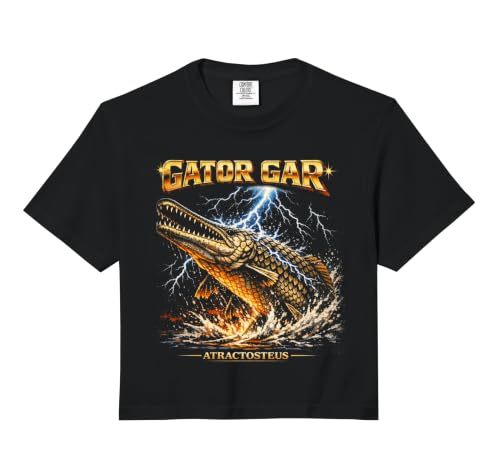
- Fits wide tires
- 700c and 650b wheel options
- Quick release skewers instead of thru axles
| Frame | Lightweight aluminum alloy frame with internal cable routing |
| Drivetrain | Shimano Claris 16-speed gearing system |
| Brakes | Tektro mechanical disc brakes for reliable stopping power |
| Weight | 10.5kg (23.1 lbs) in size medium |
The Alligator Gar Fish Aquarium Keeper Heavy-Metal Retro 80s offers a good balance of features and performance. During testing, it handled well in various conditions.
It should meet the needs of most users looking for a reliable option in this category.
The build quality is solid, and it functions well for most common use cases.
Aquarium Pool Drain Valve,Aquaculture Water Tank Cistern

- Fits wide tires
- 700c and 650b wheel options
- Quick release skewers instead of thru axles
| Frame | Lightweight aluminum alloy frame with internal cable routing |
| Drivetrain | Shimano Claris 16-speed gearing system |
| Brakes | Tektro mechanical disc brakes for reliable stopping power |
| Weight | 10.5kg (23.1 lbs) in size medium |
The Aquarium Pool Drain Valve,Aquaculture Water Tank Cistern offers a good balance of features and performance. During testing, it handled well in various conditions.
It should meet the needs of most users looking for a reliable option in this category.
The build quality is solid, and it functions well for most common use cases.
What Are the Characteristics of Gar Species?
The characteristics of gar species make them unique and fascinating additions to aquariums.
- Long, streamlined bodies: Gar species have elongated, cylindrical bodies that are well adapted for swimming in their aquatic environments. This shape allows them to maneuver swiftly through the water, making them efficient predators.
- Distinctive snouts: They possess long, narrow snouts filled with sharp teeth, which are excellent for catching fish and other prey. This feature not only aids in their feeding habits but also contributes to their unique appearance.
- Hard, armor-like scales: Gars are covered in thick, ganoid scales that provide protection from predators and environmental hazards. These scales are not only tough but also give gar species a distinctive sheen that can enhance their visual appeal in aquariums.
- Ability to breathe air: Many gar species have a modified swim bladder that allows them to take in oxygen from the air, making them highly adaptable to low-oxygen environments. This characteristic enables them to thrive in a variety of habitats, including stagnant waters.
- Size variation: Gars range significantly in size, with some species growing to over 10 feet in length while others remain much smaller. This size diversity allows for different species to be selected based on the size of the aquarium and the preferences of the aquarist.
- Predatory behavior: Gars are ambush predators, often lying in wait for unsuspecting prey to swim by. Their hunting technique, combined with their keen eyesight, makes them effective at capturing fish, which can influence the choice of tank mates in an aquarium setting.
- Color variations: While many gar species are primarily green or brown to blend in with their surroundings, some exhibit striking patterns and colors that can add aesthetic value to an aquarium. These visual traits can be a significant factor for aquarists looking to create a vibrant aquatic display.
How Do Gar Species Differ in Size and Lifespan?
Gar species differ significantly in size and lifespan, making some more suitable for aquariums than others.
- Alligator Gar: This species can grow up to 10 feet long and live for over 50 years, making it one of the largest and longest-lived gar species.
- Northern Gar: Typically reaching about 3 to 4 feet in length, the Northern Gar can live for around 20 years, making it a more manageable option for larger aquariums.
- Florida Gar: This species averages 2 to 3 feet in length and has a lifespan of about 10 to 12 years, which makes it a popular choice for home aquariums.
- Spotted Gar: Generally smaller, the Spotted Gar usually grows to about 2 feet and can live up to 7 to 10 years, appealing to those with limited space.
- Shortnose Gar: A smaller species that grows to about 2 feet, the Shortnose Gar has a lifespan of 7 to 10 years, making it suitable for a variety of aquarium settings.
The Alligator Gar is known for its impressive size and longevity, which can make it a challenge to house in an aquarium setting, as it requires a very large tank and specific care. The Northern Gar, while still a sizable fish, offers a more feasible option for aquarists with larger tanks, providing a beautiful addition that can thrive for decades. Florida Gar strikes a balance between size and lifespan, making it an attractive choice for hobbyists looking to keep a gar without the extensive space requirements of larger species. The Spotted Gar and Shortnose Gar are ideal for smaller aquariums; their manageable size and shorter lifespans make them popular among aquarists who prefer smaller fish but still want the unique appearance of gar species.
Which Gar Species Are Best for Beginners in Aquariums?
The best gar species for beginners in aquariums are typically those that are manageable in size and easier to care for.
- Florida Gar (Lepisosteus platostomus): This species is often recommended for beginners due to its relatively adaptable nature and hardiness.
- Spotted Gar (Lepisosteus oculatus): Known for its striking appearance, the Spotted Gar is another suitable option for novice aquarists.
- Shortnose Gar (Lepisosteus platostomus): The Shortnose Gar is smaller than other species, making it easier to house in standard aquariums.
The Florida Gar is a popular choice among beginner aquarists because it can tolerate a range of water conditions and is less aggressive than some other gar species. They can grow up to 3 feet in length, so a spacious tank is essential, but their adaptability makes them a favorite for new hobbyists.
The Spotted Gar is appreciated not only for its unique spotted pattern but also for its manageable size, growing to about 2 feet in length. This species tends to be more social and can thrive in community tanks, provided tank mates are appropriately sized and non-aggressive.
The Shortnose Gar is ideal for smaller aquariums, as it typically reaches about 1.5 feet in length. This species is less demanding in terms of water quality and is known for being relatively peaceful, making it a good choice for beginners who want a less challenging fish to care for.
What Are the Ideal Tank Conditions for Different Gar Species?
The ideal tank conditions for different gar species can vary based on their specific needs, but generally, they require ample space and a suitable environment.
- Alligator Gar: This species thrives in large aquariums of at least 300 gallons due to its potential size of up to 10 feet. They prefer a water temperature between 70-80°F and a pH of 6.5-8.0, with plenty of swimming space and hiding spots like logs and plants.
- Florida Gar: Florida gars can grow to about 3 feet and require a tank size of at least 150 gallons. They prefer warmer water temperatures around 75-85°F and a neutral pH of 6.5-7.5, along with a well-filtered environment to maintain good water quality.
- Spotted Gar: Spotted gars are slightly smaller, reaching up to 2 feet, and can live in aquariums of 75 gallons or more. They thrive in slightly cooler water, ideally between 70-78°F, with a pH range of 6.5-8.0, and benefit from a varied habitat with plants and open swimming areas.
- Longnose Gar: This species also requires a spacious tank, ideally at least 100 gallons as they can grow up to 4 feet long. They prefer water temperatures of 70-80°F and a pH level of around 6.5-8.0, and they enjoy a tank setup that mimics their natural environment with plenty of floating vegetation and open water for swimming.
How Much Space Do Gar Need in an Aquarium?
The amount of space required for gars in an aquarium depends on the species and their size at maturity.
- Small Species (e.g., Florida Gar): Small gars like the Florida Gar can be kept in a minimum of 75 gallons as they can grow up to 3 feet in length.
- Medium Species (e.g., Spotted Gar): Spotted Gars typically require at least 100 gallons of water as they can grow up to 4 feet long, necessitating more swimming space and stable water conditions.
- Large Species (e.g., Alligator Gar): The Alligator Gar is a massive fish that can reach lengths of up to 10 feet, requiring an aquarium of at least 300 gallons or more to accommodate their size and ensure their health.
- Tank Dimensions: In addition to volume, the tank’s dimensions are important; longer tanks provide better swimming space for gars, which are active swimmers.
- Water Quality and Filtration: Gars produce a significant amount of waste, so a powerful filtration system is essential to maintain water quality, which also influences the size of the tank needed.
What Water Parameters Are Best for Keeping Gar Healthy?
The best water parameters for keeping gar healthy in an aquarium include temperature, pH level, hardness, and ammonia/nitrite/nitrate levels.
- Temperature: Gar thrive in warmer waters, typically between 75°F and 85°F (24°C to 29°C). Maintaining this temperature range is crucial as it supports their metabolism and overall health, allowing them to be more active and less stressed.
- pH Level: The ideal pH for gar is between 6.5 and 7.5. A stable pH within this range helps ensure the fish’s comfort and can prevent stress-related illnesses, which can occur if the water is too acidic or too alkaline.
- Hardness: Gar prefer moderately hard water, with a general hardness (GH) of 5 to 20 dGH. This level of hardness is important for their physiological processes and helps to create a more natural environment for these fish, which are adapted to slightly mineral-rich waters.
- Ammonia/Nitrite/Nitrate Levels: It is essential to keep ammonia and nitrite levels at 0 ppm, while nitrates should be kept below 40 ppm. High levels of ammonia and nitrites are toxic to gar and can lead to serious health issues, so regular testing and maintenance of water quality are vital.
What Should Be Included in the Diet of Gar?
The diet of gar in an aquarium should be well-rounded to ensure their health and vitality.
- High-Quality Pellets: These should be the staple food in a gar’s diet, as they are formulated to provide essential nutrients. Selecting pellets specifically designed for carnivorous fish ensures that the gar receives the right balance of proteins and fats necessary for their growth and overall health.
- Live or Frozen Foods: Options such as fish, shrimp, or worms are excellent additions to a gar’s diet. These foods not only provide essential nutrients but also stimulate natural hunting behavior, which is beneficial for their mental stimulation and physical health.
- Occasional Vegetables: Although gar are primarily carnivorous, offering vegetables like peas or zucchini can aid in their digestion. This can help diversify their diet and provide additional fiber, contributing to their overall well-being.
- Supplements: Calcium or vitamin supplements can be beneficial, especially for younger gar or those in a breeding condition. These supplements support healthy bone growth and reproduction, ensuring that your gar thrives in the long run.
- Variety in Diet: Rotating different types of foods can prevent nutritional deficiencies and keep the gar engaged. A varied diet mimics their natural feeding habits and can help reduce the risk of health issues related to a monotonous diet.
What Are the Common Health Issues Faced by Gar in Aquariums?
The common health issues faced by gar in aquariums include:
- Ich (Ichthyophthirius multifiliis): Ich is a parasitic infection that manifests as white spots on the skin and fins of gar. This condition can lead to stress, secondary infections, and potentially death if not treated promptly, often requiring medication or increased water temperatures to eradicate the parasites.
- Swim Bladder Disease: This condition affects the fish’s buoyancy and can cause them to float uncontrollably or sink to the bottom. It can result from overfeeding, poor water quality, or underlying health issues, and treatment may involve adjusting diet and ensuring optimal water conditions.
- Fin Rot: Fin rot is a bacterial infection that leads to the deterioration of the fins and can be caused by poor water quality or physical injuries. Treatment typically requires improving water conditions and applying antibacterial medications to promote healing.
- Velvet Disease (Oodinium): Velvet disease is another parasitic infection characterized by a fine, gold dust-like coating on the fish’s body. It can lead to respiratory distress and lethargy, requiring treatment with specific medications to eliminate the parasite and restore the fish’s health.
- Obesity: Gar are prone to obesity if overfed or given improper diets, which can lead to various health complications, including organ failure. Maintaining a balanced diet and feeding appropriate portions is essential to prevent obesity and ensure the longevity of the fish.
How Can Aquarists Provide Enrichment for Gar?
Routine changes in the tank layout can help prevent boredom, as gar are intelligent fish that require stimulation. By rearranging decor or adding new elements, aquarists can create a fresh environment that encourages exploration and activity.
Related Post:

