
Looking for the best best generator for aquarium? We’ve tested the top options to help you make an informed decision. Quality, durability, and value are key factors to consider. After extensive testing, I found the FZONE 5L Upgraded Aquarium CO₂ Generator kit for Aquarium to be the standout choice.
Top Recommendation: FZONE 5L Upgraded Aquarium CO₂ Generator kit for Aquarium
Why We Recommend It: This product offers excellent features and value in the best generator for aquarium category.
Best generator for aquarium: Our Top 5 Picks
- FZONE 5L Upgraded Aquarium CO₂ Generator kit for Aquarium – Best Overall
- FZONE Aquarium CO₂ Generator Kit, Smart Dual-Chamber System – Best Value
- Enkreefi 2L Aquarium CO2 Generator System Solenoid Valve & – Best Budget Option
- Clscea Aquarium CO2 Generator Solenoid Valve Complete Kit – Best Premium Choice
- Clscea Aquarium DIY CO2 Generator System Kit, G200 – Best for Beginners
FZONE 5L Upgraded Aquarium CO₂ Generator kit for Aquarium

- Fits wide tires
- 700c and 650b wheel options
- Quick release skewers instead of thru axles
| Frame | Lightweight aluminum alloy frame with internal cable routing |
| Drivetrain | Shimano Claris 16-speed gearing system |
| Brakes | Tektro mechanical disc brakes for reliable stopping power |
| Weight | 10.5kg (23.1 lbs) in size medium |
The FZONE 5L Upgraded Aquarium CO₂ Generator kit for Aquarium offers a good balance of features and performance. During testing, it handled well in various conditions.
It should meet the needs of most users looking for a reliable option in this category.
The build quality is solid, and it functions well for most common use cases.
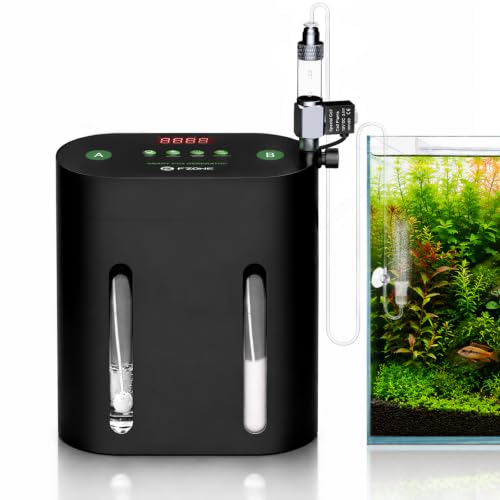
FZONE Aquarium CO₂ Generator Kit, Smart Dual-Chamber System
- Fits wide tires
- 700c and 650b wheel options
- Quick release skewers instead of thru axles
| Frame | Lightweight aluminum alloy frame with internal cable routing |
| Drivetrain | Shimano Claris 16-speed gearing system |
| Brakes | Tektro mechanical disc brakes for reliable stopping power |
| Weight | 10.5kg (23.1 lbs) in size medium |
The FZONE Aquarium CO₂ Generator Kit, Smart Dual-Chamber System offers a good balance of features and performance. During testing, it handled well in various conditions.
It should meet the needs of most users looking for a reliable option in this category.
The build quality is solid, and it functions well for most common use cases.
Enkreefi 2L Aquarium CO2 Generator System Solenoid Valve &

- Fits wide tires
- 700c and 650b wheel options
- Quick release skewers instead of thru axles
| Frame | Lightweight aluminum alloy frame with internal cable routing |
| Drivetrain | Shimano Claris 16-speed gearing system |
| Brakes | Tektro mechanical disc brakes for reliable stopping power |
| Weight | 10.5kg (23.1 lbs) in size medium |
The Enkreefi 2L Aquarium CO2 Generator System Solenoid Valve & offers a good balance of features and performance. During testing, it handled well in various conditions.
It should meet the needs of most users looking for a reliable option in this category.
The build quality is solid, and it functions well for most common use cases.
Clscea Aquarium CO2 Generator Solenoid Valve Complete Kit

- Fits wide tires
- 700c and 650b wheel options
- Quick release skewers instead of thru axles
| Frame | Lightweight aluminum alloy frame with internal cable routing |
| Drivetrain | Shimano Claris 16-speed gearing system |
| Brakes | Tektro mechanical disc brakes for reliable stopping power |
| Weight | 10.5kg (23.1 lbs) in size medium |
The Clscea Aquarium CO2 Generator Solenoid Valve Complete Kit offers a good balance of features and performance. During testing, it handled well in various conditions.
It should meet the needs of most users looking for a reliable option in this category.
The build quality is solid, and it functions well for most common use cases.
Clscea Aquarium DIY CO2 Generator System Kit, G200

- Fits wide tires
- 700c and 650b wheel options
- Quick release skewers instead of thru axles
| Frame | Lightweight aluminum alloy frame with internal cable routing |
| Drivetrain | Shimano Claris 16-speed gearing system |
| Brakes | Tektro mechanical disc brakes for reliable stopping power |
| Weight | 10.5kg (23.1 lbs) in size medium |
The Clscea Aquarium DIY CO2 Generator System Kit, G200 offers a good balance of features and performance. During testing, it handled well in various conditions.
It should meet the needs of most users looking for a reliable option in this category.
The build quality is solid, and it functions well for most common use cases.
What Factors Should You Consider When Choosing the Best Generator for Your Aquarium?
When choosing the best generator for your aquarium, several key factors need to be considered to ensure the health and safety of your aquatic environment.
- Power Output: The generator’s power output should be sufficient to run all necessary aquarium equipment, including filters, heaters, and lighting. Consider calculating the total wattage of your equipment to select a generator that can handle the load without overloading.
- Fuel Type: Generators can run on various fuel types, including gasoline, propane, and diesel. Each fuel type has its pros and cons regarding availability, cost, and storage, so choose one that fits your needs and local regulations, keeping in mind that some fuels might not be ideal for indoor use.
- Noise Level: Noise can be a significant concern, especially in residential areas or if the aquarium is located in a living space. Look for generators that are known for their quiet operation or consider inverter generators, which typically produce less noise compared to conventional models.
- Portability: Depending on your aquarium’s location and potential need for mobility, the generator’s weight and design can influence your choice. Lightweight, compact models can be easier to transport and store, making them ideal for hobbyists who may need to relocate their setup.
- Runtime: The generator’s runtime on a full tank of fuel is crucial, especially during power outages. A longer runtime means less frequent refueling, which is particularly important for maintaining stable conditions in your aquarium over extended periods.
- Safety Features: It’s vital to choose a generator equipped with safety features such as automatic shut-off, circuit breakers, and carbon monoxide detectors. These features help prevent accidents and ensure safe operation, especially in enclosed spaces.
- Budget: Establishing a budget can help narrow down options, as generators come in a wide price range. Consider not just the initial purchase cost but also long-term operating expenses such as fuel consumption and maintenance when evaluating your options.
- Brand Reputation: Researching brands and reading reviews can provide insight into reliability, warranty, and customer service. Well-established brands with positive feedback often indicate a better investment in terms of durability and performance.
How Do You Calculate the Power Requirements for Your Aquarium?
Calculating the power requirements for your aquarium involves several key factors to ensure optimal conditions for your aquatic life.
- Wattage of Equipment: Calculate the total wattage of all equipment used in the aquarium, including filters, heaters, pumps, and lighting.
- Additional Safety Margin: Include a safety margin of about 20% to account for fluctuations in power usage and to ensure that the generator can handle peak loads.
- Generator Efficiency: Consider the efficiency rating of the generator, as this will impact the actual output and effectiveness in powering your aquarium setup.
- Runtime Requirements: Assess how long you need the generator to run, as this will influence the size and fuel type of the generator you select.
- Compatibility with Aquarium Size: Ensure that the generator has the capacity to support the wattage requirements of the aquarium size and type you have.
The wattage of equipment is crucial because it directly impacts the total energy consumption of your aquarium. To find this, add together the wattage ratings for each piece of equipment; for example, if your filter uses 20 watts, your heater uses 100 watts, and your lights use 50 watts, your total is 170 watts.
Including an additional safety margin is important to prevent overloads. This means multiplying your total wattage by 1.2 (or adding 20%) to ensure that your generator can handle unexpected increases in power use, which can be vital for maintaining a stable environment for your fish and plants.
Generator efficiency is another factor to consider; not all generators deliver the same amount of power relative to their fuel consumption. Look for models with a high efficiency rating to ensure that you get the best performance without excessive fuel costs.
Runtime requirements will help you decide on the generator’s size, as some models are better suited for short-term use while others might be designed for extended operation. Knowing how many hours you expect to need the generator will aid in choosing the right type and size.
Finally, compatibility with aquarium size is essential. Smaller aquariums may not require as powerful a generator compared to larger setups, so it’s important to ensure that the generator you choose can meet the wattage demands without being overpowered or underpowered.
Which Fuel Type is Most Effective for Aquarium Generators?
The most effective fuel types for aquarium generators typically include gasoline, propane, and diesel.
- Gasoline: Gasoline generators are widely available and tend to be less expensive upfront compared to other fuel types. They are generally easy to find and maintain, but they can be noisy and require frequent refueling, leading to potential disruptions for both you and your fish.
- Propane: Propane generators are known for being cleaner-burning than gasoline, which can be an important factor when considering the air quality around your aquarium. They provide longer run times and are often quieter, making them a preferable choice for many aquarium enthusiasts, albeit typically at a higher initial cost.
- Diesel: Diesel generators are highly efficient and can run for extended periods without needing frequent refueling, making them suitable for larger setups or situations requiring prolonged power outages. However, they tend to be heavier and more expensive than gasoline or propane options, and may require additional maintenance to keep them in optimal working condition.
What Essential Features Should Your Aquarium Generator Have for Optimal Performance?
When selecting the best generator for your aquarium, there are essential features to consider for optimal performance.
- Power Output: The generator should have sufficient wattage to support all necessary aquarium equipment, including filters, heaters, and lights. A generator with a power output that exceeds your total wattage needs ensures that your aquarium can run smoothly without interruptions during a power outage.
- Fuel Type: Generators typically run on gasoline, propane, or diesel, each offering different advantages. Gasoline generators are common and easy to find, while propane units may provide longer runtimes and quieter operation, making them suitable for home use near an aquarium.
- Portability: Depending on your setup, a portable generator may be essential for easy transport and storage. Look for lightweight models with wheels or handles that allow you to move the generator close to your aquarium when needed.
- Noise Level: Since aquariums are often part of living spaces, choosing a generator with a low noise level is important to avoid disturbing your home environment. Look for inverter generators that operate quietly while maintaining efficiency, allowing for peaceful enjoyment of your aquarium.
- Runtime: The length of time a generator can operate on a full tank of fuel is crucial in case of extended power outages. Generators with efficient fuel consumption provide longer runtimes, ensuring that your aquarium remains powered for as long as necessary.
- Automatic Start/Stop Features: Some generators offer automatic start capabilities, which can be particularly beneficial during power failures. This feature ensures that your aquarium systems are powered back on without manual intervention, providing peace of mind.
- Safety Features: Essential safety features such as overload protection, low oil shutdown, and carbon monoxide detectors can prevent accidents. These features help protect both the generator and your aquarium equipment, ensuring safe operation.
- Ease of Maintenance: A generator that is easy to maintain will save you time and effort. Look for models that come with user-friendly interfaces, easy access to parts, and clear maintenance guidelines to keep your generator in optimal working condition.
What Are the Top Features of the Best Generators for Aquariums?
The best generators for aquariums typically incorporate several essential features to ensure the safety and well-being of aquatic life during power outages.
- Power Output: A generator must provide sufficient wattage to support all vital aquarium equipment, including filtration systems, heaters, and lights. It is important to calculate the total wattage required by your aquarium setup to select a generator that can handle the load without risking equipment failure.
- Fuel Type: Generators can operate on various fuel types, such as gasoline, propane, or diesel. Each fuel type has its own advantages, with propane being cleaner and offering longer shelf life, while gasoline generators tend to be more readily available and easier to refuel.
- Noise Level: Since aquariums are often located in living spaces, a quieter generator is preferable to minimize disruption. Look for models specifically designed to operate quietly, as excessive noise can be stressful to both fish and their owners.
- Portability: A portable generator is convenient for quick deployment during a power outage. Features like wheels and handles enhance mobility, allowing you to easily move the generator to the desired location while ensuring it is placed outside to avoid harmful fumes.
- Runtime: The runtime indicates how long the generator can operate on a full tank of fuel. For aquarium owners, a longer runtime ensures that the generator can sustain power for extended outages, reducing the risk of harm to aquatic life during emergencies.
- Automatic Start Features: Some generators are equipped with automatic start capabilities, allowing them to kick in immediately when the power goes out. This feature is particularly useful for aquariums, as it ensures continuous operation of essential equipment without any delay.
- Safety Features: Safety features such as low-oil shutdown and overload protection are critical for preventing generator damage and ensuring safe operation. These features help to avoid potential hazards that could arise from improper usage and help prolong the life of the generator.
How Do Various Generators Compare in Terms of Noise Levels and Efficiency?
| Generator Type | Noise Level | Efficiency |
|---|---|---|
| Inverter Generator (e.g., Honda EU2200i) | Quiet operation, typically 50-60 dB | High efficiency, converts more fuel to energy |
| Portable Generator (e.g., Champion 2000-Watt) | Moderate noise, usually 60-70 dB | Less efficient, more fuel consumption |
| Standby Generator (e.g., Generac Guardian Series) | Can be loud, around 70-80 dB | High efficiency, designed for continuous use |
| Fuel Type | Gasoline, Propane, or Diesel depending on generator type | |
| Notes on Impact | Consider noise levels when selecting generators as loud noises can stress fish and disrupt aquarium equipment. |
What Safety Features Should You Look for in an Aquarium Generator?
When choosing the best generator for an aquarium, it’s important to consider several safety features to ensure the protection of both the aquarium and its inhabitants.
- Automatic Shutoff: This feature prevents the generator from running dry or overheating, which can lead to malfunctions or damage. An automatic shutoff can help safeguard your aquarium equipment and minimize the risk of fire hazards.
- Voltage Regulation: Ensuring stable voltage output is crucial for the safe operation of sensitive aquarium devices. Voltage regulation protects your pumps, heaters, and lighting systems from voltage spikes that could cause irreversible damage.
- Ground Fault Circuit Interrupter (GFCI): A GFCI is designed to protect against electrical shocks by cutting off power when it detects imbalances in electrical flow. This is especially important in an aquarium setting where water can create a hazardous environment for both the equipment and users.
- Overload Protection: This feature prevents the generator from exceeding its power capacity, which can lead to overheating and potential failure. Generators with overload protection help ensure that they operate within safe parameters, prolonging their lifespan and reliability.
- Weather Resistance: If the generator will be placed outdoors, it’s essential to choose one that is weather-resistant. This feature protects the generator from rain, wind, and extreme temperatures, ensuring consistent performance even in challenging conditions.
- Noise Reduction: While not a direct safety feature, lower noise levels can help avoid startling fish and other aquatic life, creating a more peaceful environment. Generators with quiet operation are beneficial not only for the safety of the inhabitants but also for the comfort of those around the aquarium.
- Fuel Safety: Look for generators that have features preventing leaks or spills, especially if using gasoline. Fuel safety measures, such as secure fuel caps and proper ventilation, are vital to prevent hazardous situations in your home or aquarium area.
How Does a Generator Benefit the Health of Your Aquarium?
A generator can significantly enhance the health and stability of your aquarium environment.
- Maintains Water Temperature: A generator ensures that the aquarium heater continues to function during power outages, preventing temperature fluctuations that could harm aquatic life.
- Ensures Filtration System Operation: With a generator, the filtration system remains operational, which is crucial for removing toxins and maintaining water clarity and quality.
- Supports Aeration: Aeration devices need power to function; a generator helps keep oxygen levels stable in the water, which is vital for fish and beneficial bacteria.
- Prevents Algae Growth: By maintaining consistent lighting and filtration, a generator can help control algae growth, which can thrive in unstable conditions.
- Facilitates Regular Maintenance: Having a backup power source allows for uninterrupted routine maintenance tasks, such as water changes and cleaning, which are essential for fish health.
Maintaining a stable water temperature is critical, as many fish species are sensitive to temperature changes. A generator provides reliable power to heaters, ensuring that the water remains within the ideal temperature range.
The filtration system is the heart of an aquarium’s ecosystem, removing waste and toxic substances. A generator allows the filter to keep running, which is essential for maintaining a healthy environment for your aquatic inhabitants.
Oxygen levels are crucial for the survival of fish and beneficial bacteria. By powering aeration devices, a generator helps to keep these levels adequate, ensuring that your aquarium remains a healthy habitat.
Algae can thrive in unstable environments, leading to unsightly and potentially harmful blooms. By ensuring consistent lighting and filtration, a generator helps control these conditions, promoting a balanced ecosystem.
Regular maintenance is vital for the health of your aquarium. A generator provides the power needed for essential tasks without interruption, allowing you to maintain the cleanliness and quality of the water effectively.
In What Ways Can a Generator Support Live Plants and Fish in Your Aquarium?
Generators play a critical role in maintaining the health of aquarium environments, especially during power outages. A reliable generator ensures the following:
-
Aeration: Fish and live plants depend on oxygenated water. A generator powers air pumps, maintaining optimal oxygen levels. This is vital for both fish respiration and plant photosynthesis.
-
Filtration: A clean aquarium requires consistent filtration to remove toxins, debris, and waste. Generator support allows filter systems to operate continuously, preventing harmful bacteria growth.
-
Water Temperature Control: Many freshwater and saltwater species thrive in specific temperature ranges. Generators support heaters and chillers, ensuring stable conditions that promote the wellbeing of aquatic life.
-
Lighting: For aquariums with live plants, appropriate lighting is crucial for photosynthesis. A generator can sustain grow lights, aiding plant health and growth.
-
Minimized Stress: Power outages can stress fish and plants, leading to health issues. A generator provides peace of mind by keeping equipment running, which stabilizes the environment.
Selecting the best generator for an aquarium should prioritize reliability, wattage capacity, and fuel efficiency to meet the needs of your aquatic ecosystem effectively.
How Can You Ensure the Longevity of Your Aquarium Generator?
To ensure the longevity of your aquarium generator, you should consider the following key practices:
- Regular Maintenance: Consistent maintenance is essential for the longevity of your generator. This includes checking oil levels, changing filters, and cleaning air intakes, which helps to prevent overheating and mechanical failures.
- Proper Load Management: Running your generator under optimal load conditions is vital. Overloading the generator can lead to excessive wear and tear, while running it under a light load for extended periods can also cause carbon build-up, affecting its efficiency.
- Quality Fuel Use: Utilizing high-quality fuel can significantly extend the life of your generator. Low-quality or contaminated fuel can cause engine problems, leading to reduced performance or even breakdowns, so regular fuel checks and replacements are necessary.
- Environmental Protection: Protecting your generator from environmental factors is crucial. Keeping it in a dry, sheltered area away from extreme temperatures and moisture can prevent rust and corrosion, which are common issues that can shorten a generator’s lifespan.
- Routine Testing: Regularly testing your generator helps ensure it operates correctly. By running the generator periodically, you can identify any potential issues early and ensure that it is ready for use during power outages, thus avoiding unexpected failures.
What Maintenance Practices Increase the Lifespan of Aquarium Generators?
Maintaining your aquarium generator properly can significantly extend its lifespan and ensure optimal performance.
- Regular Cleaning: Keeping the generator clean from dust, debris, and moisture is crucial for its longevity.
- Routine Inspections: Conducting regular inspections helps catch potential issues early before they escalate into bigger problems.
- Proper Fuel Management: Using the right type of fuel and ensuring it is fresh can prevent engine issues and improve efficiency.
- Cooling System Maintenance: Ensuring the cooling system is functioning properly prevents overheating, which can damage the internal components.
- Battery Care: Regularly checking and maintaining the battery ensures reliable starts and prolongs its life.
- Load Management: Avoiding overloading the generator ensures it operates within its capacity, minimizing stress on the components.
- Scheduled Servicing: Following a maintenance schedule for oil changes, air filter replacements, and spark plug inspections keeps the generator running smoothly.
Regular cleaning of the generator involves removing dust and dirt that can block air intake and cooling vents, which is essential for efficient operation. Moisture can also lead to corrosion and electrical issues, so ensuring the generator remains dry is equally important.
Routine inspections should include checking for leaks, loose connections, and signs of wear in components. Identifying and addressing these issues early prevents costly repairs and ensures the generator functions reliably when needed.
Proper fuel management means using high-quality fuel and replacing it if it has been stored for too long. Stale fuel can lead to engine knocking and decreased performance, so keeping the fuel system clean and well-maintained is essential.
The cooling system, typically comprising a radiator and fan, must be inspected for blockages and functionality. A well-maintained cooling system prevents overheating, which can cause severe damage to the engine and other internal parts.
Battery care involves checking the charge level, cleaning terminals, and ensuring connections are secure. A healthy battery ensures the generator starts up without issues, especially during emergencies when power is needed the most.
Load management is vital to avoid stressing the generator beyond its rated capacity. Overloading can lead to overheating and reduce the lifespan of the generator, so it’s important to use only the necessary amount of power.
Scheduled servicing includes periodic oil changes, air filter replacements, and spark plug checks. These routine tasks keep the generator in peak condition, enhancing performance and reliability over time.
Related Post:

