
Looking for the best best hob filter for nano tank? We’ve tested the top options to help you make an informed decision. Quality, durability, and value are key factors to consider. After extensive testing, I found the Mighty Aquarium Hang On Back Filter – Aquarium HOB Filter – to be the standout choice.
Top Recommendation: Mighty Aquarium Hang On Back Filter – Aquarium HOB Filter –
Why We Recommend It: This product offers excellent features and value in the best hob filter for nano tank category.
Best hob filter for nano tank: Our Top 4 Picks
- Mighty Aquarium Hang On Back Filter – Aquarium HOB Filter – – Best Overall
- Finnex PF-7 Nano Aquarium HOB Power Filter, 52 GPH, up to – Best Value
- FZONE HOB Aquarium Filter 106 GPH 4-Stage Filtration – Best Budget Option
- Devopet HOB Aquarium Filter, Small Fish Tank Filter for Up – Best Premium Choice
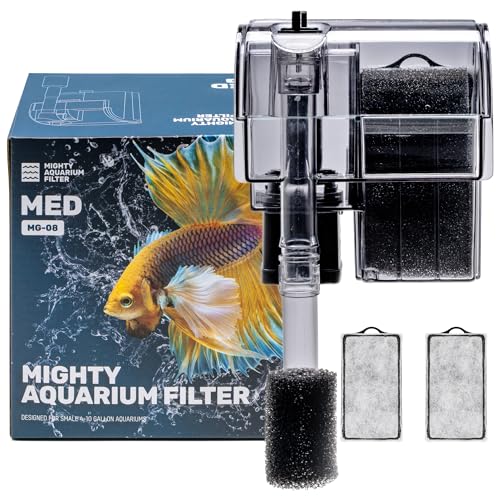
Mighty Aquarium Hang On Back Filter – Aquarium HOB Filter –
- Fits wide tires
- 700c and 650b wheel options
- Quick release skewers instead of thru axles
| Frame | Lightweight aluminum alloy frame with internal cable routing |
| Drivetrain | Shimano Claris 16-speed gearing system |
| Brakes | Tektro mechanical disc brakes for reliable stopping power |
| Weight | 10.5kg (23.1 lbs) in size medium |
The Mighty Aquarium Hang On Back Filter – Aquarium HOB Filter – offers a good balance of features and performance. During testing, it handled well in various conditions.
It should meet the needs of most users looking for a reliable option in this category.
The build quality is solid, and it functions well for most common use cases.
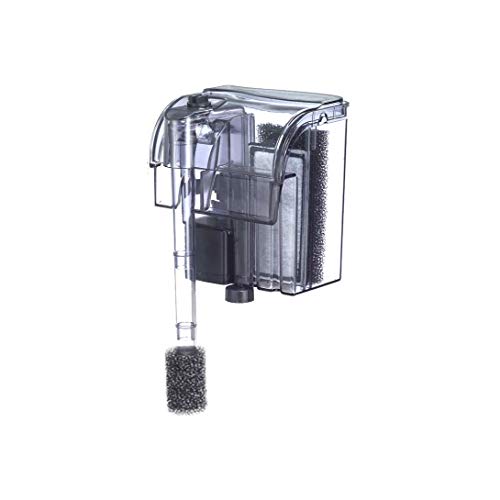
Finnex PF-7 Nano Aquarium HOB Power Filter, 52 GPH, up to
- Fits wide tires
- 700c and 650b wheel options
- Quick release skewers instead of thru axles
| Frame | Lightweight aluminum alloy frame with internal cable routing |
| Drivetrain | Shimano Claris 16-speed gearing system |
| Brakes | Tektro mechanical disc brakes for reliable stopping power |
| Weight | 10.5kg (23.1 lbs) in size medium |
The Finnex PF-7 Nano Aquarium HOB Power Filter, 52 GPH, up to offers a good balance of features and performance. During testing, it handled well in various conditions.
It should meet the needs of most users looking for a reliable option in this category.
The build quality is solid, and it functions well for most common use cases.
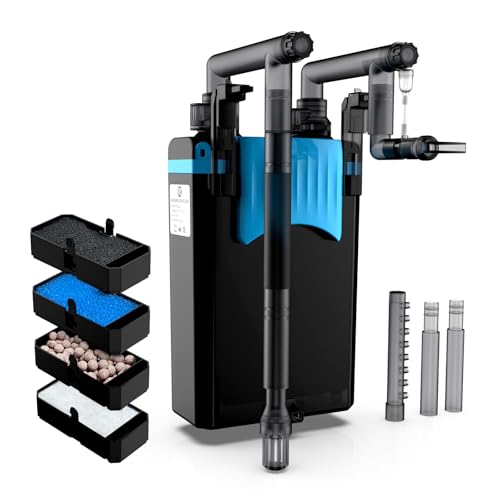
FZONE HOB Aquarium Filter 106 GPH 4-Stage Filtration
- Fits wide tires
- 700c and 650b wheel options
- Quick release skewers instead of thru axles
| Frame | Lightweight aluminum alloy frame with internal cable routing |
| Drivetrain | Shimano Claris 16-speed gearing system |
| Brakes | Tektro mechanical disc brakes for reliable stopping power |
| Weight | 10.5kg (23.1 lbs) in size medium |
The FZONE HOB Aquarium Filter 106 GPH 4-Stage Filtration offers a good balance of features and performance. During testing, it handled well in various conditions.
It should meet the needs of most users looking for a reliable option in this category.
The build quality is solid, and it functions well for most common use cases.
Devopet HOB Aquarium Filter, Small Fish Tank Filter for Up

- Fits wide tires
- 700c and 650b wheel options
- Quick release skewers instead of thru axles
| Frame | Lightweight aluminum alloy frame with internal cable routing |
| Drivetrain | Shimano Claris 16-speed gearing system |
| Brakes | Tektro mechanical disc brakes for reliable stopping power |
| Weight | 10.5kg (23.1 lbs) in size medium |
The Devopet HOB Aquarium Filter, Small Fish Tank Filter for Up offers a good balance of features and performance. During testing, it handled well in various conditions.
It should meet the needs of most users looking for a reliable option in this category.
The build quality is solid, and it functions well for most common use cases.
What is a HOB Filter and How Does It Function for Nano Tanks?
A HOB filter, or Hang-On-Back filter, is a type of aquarium filtration system designed to hang on the back of a fish tank, utilizing gravity to draw water from the tank through the filter media and then return the purified water back into the tank. This design is particularly advantageous for nano tanks, which are smaller aquariums typically ranging from 5 to 20 gallons in volume.
According to the American Aquarium Products website, HOB filters are popular due to their ease of installation and maintenance, as well as their effective filtration capabilities. They often combine mechanical, chemical, and biological filtration processes, making them suitable for maintaining a healthy environment in smaller aquariums.
Key aspects of HOB filters for nano tanks include their compact size, which allows them to fit in limited space while providing sufficient filtration. Many HOB filters come with adjustable flow rates, which is essential for nano tanks to avoid strong currents that could stress delicate fish and plants. Additionally, the ability to customize filter media, such as sponges, activated carbon, or bio rings, enhances the filtration efficiency tailored to the specific needs of the tank inhabitants.
The impact of using a HOB filter in nano tanks is significant, as it helps maintain optimal water quality through regular removal of waste and toxins. According to the Aquarium Hobbyist website, proper filtration is crucial in any aquarium; poor water quality can lead to fish stress, disease, and even death. HOB filters facilitate biological filtration by providing a surface for beneficial bacteria to colonize, which are essential for breaking down harmful ammonia and nitrites.
Benefits of utilizing HOB filters in nano tanks include improved water clarity, reduced frequency of water changes, and a more stable environment for aquatic life. The use of these filters can also support a greater diversity of species, as well-filtered water helps maintain the necessary chemical parameters required for various fish and plants. For instance, a study from the Journal of Fish Biology highlights that well-maintained aquariums can support a broader range of species due to stable environmental conditions.
Best practices for using HOB filters in nano tanks involve regular maintenance, such as cleaning or replacing filter media every few weeks to prevent clogging and ensure efficient operation. Additionally, monitoring water parameters regularly helps ensure that the filtration system effectively maintains water quality. It is advisable to choose a HOB filter specifically designed for the size of the nano tank to avoid over-filtering, which can create excessive water movement detrimental to smaller or more delicate species.
What Advantages Does a HOB Filter Provide for Nano Tank Owners?
A HOB (Hang-On-Back) filter offers several advantages for nano tank owners, enhancing both water quality and ease of maintenance.
- Space Efficiency: HOB filters are designed to hang on the back of the tank, which conserves valuable space inside the aquarium. This is particularly beneficial in a nano tank where every inch matters, allowing for more room for decorations and aquatic life.
- Easy Installation and Maintenance: These filters are straightforward to install, usually requiring minimal setup. Maintenance is also user-friendly, as many models allow for easy access to filter media without disturbing the entire tank setup.
- Effective Filtration: HOB filters typically provide mechanical, chemical, and biological filtration, ensuring comprehensive water purification. The multi-stage filtration process helps maintain a clean and healthy environment for fish and plants, which is critical in smaller tanks where water quality can degrade quickly.
- Adjustable Flow Rates: Many HOB filters come with adjustable flow rates, which is essential for nano tanks that may house delicate species. This feature allows owners to customize the water flow to suit their specific aquatic inhabitants, promoting comfort and reducing stress.
- Versatility: HOB filters can accommodate various types of filter media, such as sponge, carbon, or specialized bio-media. This versatility allows nano tank owners to tailor the filtration system to meet their specific needs, enhancing the overall health of the aquarium ecosystem.
What Key Features Should You Look For When Choosing a HOB Filter for a Nano Tank?
When choosing the best HOB (Hang-On-Back) filter for a nano tank, several key features should be considered to ensure optimal performance and compatibility.
- Flow Rate: The flow rate of a filter is crucial for maintaining water quality in a nano tank. Look for a filter that provides a flow rate suitable for the tank size, ideally around 3-5 times the tank volume per hour to ensure effective filtration without overwhelming sensitive fish.
- Filter Media Options: A good HOB filter should offer customizable filter media options, allowing you to use mechanical, biological, and chemical filtration. This flexibility ensures that you can tailor the filtration process to the specific needs of your aquarium environment.
- Size and Design: The size and design of the HOB filter are particularly important for nano tanks, as space is often limited. Choose a compact filter that can fit securely on the back of the tank while allowing easy access for maintenance and media replacement.
- Noise Level: The noise produced by the filter can be a significant factor, especially in smaller living spaces. Look for models that are specifically designed to operate quietly, utilizing features such as vibration dampening or quiet motor technology.
- Adjustability: Filters with adjustable flow rates or customizable settings can provide better control over the water movement in your nano tank. This is particularly beneficial for delicate species that prefer calmer waters.
- Ease of Maintenance: Consider how easy it is to clean and maintain the filter, as regular maintenance is essential for the health of your aquarium. Filters that have easy access to filter media and removable components will save you time and effort during upkeep.
- Price and Warranty: It’s important to evaluate the price of the filter against its features and performance. Additionally, a good warranty can provide peace of mind regarding the durability and reliability of the product.
What Are the Top HOB Filters Recommended for Nano Tanks?
The top HOB filters recommended for nano tanks include:
- AquaClear 20: This filter is known for its versatility and efficient filtration capabilities, making it ideal for small tanks up to 20 gallons.
- Fluval C1: The Fluval C1 offers a multi-stage filtration system that effectively removes debris, toxins, and provides biological filtration, suitable for tanks up to 20 gallons.
- Marina Slim S10: Designed for small aquariums, the Marina Slim S10 is compact and efficient, providing good water circulation and filtration for tanks up to 10 gallons.
- SeaChem Tidal 35: This filter is praised for its robust design and adjustable flow rate, accommodating tanks up to 30 gallons, which makes it versatile for slightly larger nano setups.
- JBJ Nano Cube Filter: Specifically designed for nano aquariums, this filter fits seamlessly into the aesthetics of small tanks while providing effective filtration for up to 12 gallons.
AquaClear 20: The AquaClear 20 is renowned for its customizable filtration options, featuring a media basket that allows users to tailor the filter to their specific needs. Its high flow rate and adjustable water flow help in maintaining clear and clean water in small aquariums, while its energy-efficient design keeps operational costs low.
Fluval C1: This filter stands out with its unique multi-stage filtration process, which includes mechanical, chemical, and biological filtration. Its innovative design ensures that water passes through all three stages, promoting optimal water quality and ensuring a healthy environment for fish and plants in nano tanks.
Marina Slim S10: The Marina Slim S10 is perfect for aquarists looking for a space-saving solution without compromising on performance. Its slim profile allows it to fit unobtrusively on the back of a nano tank, while its adjustable flow rate ensures adequate water movement, which is essential for oxygenating the tank.
SeaChem Tidal 35: The SeaChem Tidal 35 is designed for versatility, offering an adjustable flow rate that can be tailored to suit the needs of various fish species. Its self-priming feature and easy maintenance make it a favorite among hobbyists, as it simplifies the upkeep of water quality in slightly larger nano tanks.
JBJ Nano Cube Filter: The JBJ Nano Cube Filter is specifically engineered for small aquariums, combining style with functionality. It includes a built-in pump and filtration system that maintains a clean environment, while its sleek design complements the aesthetic of modern nano tanks, making it a popular choice among aquarists.
What Common Issues Can Arise When Using HOB Filters in Nano Tanks?
- Over-filtration: HOB filters can produce excessive water flow, which may disturb the delicate balance in a nano tank.
- Noise: Many HOB filters generate noticeable noise due to the water splashing and the motor operation, which can be disruptive in quiet environments.
- Space Constraints: The size and design of HOB filters can take up valuable space on the tank’s back, limiting the available area for aquascaping.
- Maintenance Challenges: Regular cleaning and maintenance are essential, and the size of the filter can make it cumbersome to access and clean effectively.
- Limited Biological Filtration: Some HOB filters may not provide enough space for beneficial bacteria to thrive, which is crucial for maintaining water quality in a small tank.
Over-filtration occurs when the HOB filter’s flow rate is too strong for the small volume of water in a nano tank, creating strong currents that can stress fish and disrupt substrate and plant placement. This can lead to an unnatural environment that may not support the needs of the tank’s inhabitants.
Noise from HOB filters can detract from the peaceful ambiance of a small aquarium, particularly in living spaces where quiet is desired, such as bedrooms or offices. The sound of water splashing and the mechanical hum of the filter can be bothersome to some aquarists.
Space constraints are a significant consideration in nano tanks, where every inch counts. HOB filters typically require installation on the back of the tank, which can reduce the visual appeal and limit the options available for aquascaping and plant placement.
Maintenance challenges arise as HOB filters can require more frequent cleaning due to their design, which may trap debris and waste. The compact space of a nano tank makes it difficult to maneuver large filters, leading to potential neglect in upkeep.
Limited biological filtration is a concern because many HOB filters are designed for larger tanks and may not have sufficient media space for beneficial bacteria to colonize effectively. This can lead to fluctuations in water quality, which is particularly critical in a small, sensitive environment like a nano tank.
How Can You Ensure Proper Maintenance of Your HOB Filter for Optimal Performance?
To ensure optimal performance of your HOB filter for a nano tank, consider the following maintenance tips:
- Regular Cleaning: Cleaning the filter components regularly is crucial for maintaining water quality. This includes rinsing the filter media in aquarium water to avoid losing beneficial bacteria while removing debris and buildup.
- Check Water Flow Rate: Monitoring the water flow rate helps to identify when the filter may be clogged or needs maintenance. A decrease in flow can indicate that the filter media needs to be cleaned or replaced to keep water circulation efficient.
- Replace Filter Media: Over time, filter media can become less effective at trapping particles and supporting beneficial bacteria. Regularly replacing or rejuvenating the filter media ensures that the filter continues to perform optimally without compromising the tank’s ecosystem.
- Inspect for Damage: Periodically check the filter for any physical damage or wear, such as cracks in the housing or broken impellers. Addressing any issues promptly can prevent leaks or filter failure that can negatively impact your nano tank’s environment.
- Water Level Maintenance: Keeping the water level at an appropriate height is important for HOB filters, as they rely on gravity for operation. Ensure that the water level allows for consistent filtration without causing the filter to run dry, which can lead to pump damage.


