
Looking for the best best nano cube aquarium? We’ve tested the top options to help you make an informed decision. Quality, durability, and value are key factors to consider. After extensive testing, I found the LANDEN EzFlux 35 Rimless 10 Gallon Rear Filtration Tank, to be the standout choice.
Top Recommendation: LANDEN EzFlux 35 Rimless 10 Gallon Rear Filtration Tank,
Why We Recommend It: This product offers excellent features and value in the best nano cube aquarium category.
Best nano cube aquarium: Our Top 5 Picks
- LANDEN EzFlux 35 Rimless 10 Gallon Rear Filtration Tank, – Best Overall
- JBJ 24G Nano-Cube All-in-one Aquarium – Best Value
- LANDEN EzCube 45K AIO 20 Gallon Reef Tank Kit, Skimmer + – Best Budget Option
- AWXZOM Small Nano Rimless Tank, Clear Glass Fish Tank, 1.1 – Best Premium Choice
- AWXZOM Small Nano Tall Rimless Tank, Glass Fish Tank, Betta – Best for Beginners
LANDEN EzFlux 35 Rimless 10 Gallon Rear Filtration Tank,

- Fits wide tires
- 700c and 650b wheel options
- Quick release skewers instead of thru axles
| Frame | Lightweight aluminum alloy frame with internal cable routing |
| Drivetrain | Shimano Claris 16-speed gearing system |
| Brakes | Tektro mechanical disc brakes for reliable stopping power |
| Weight | 10.5kg (23.1 lbs) in size medium |
The LANDEN EzFlux 35 Rimless 10 Gallon Rear Filtration Tank, offers a good balance of features and performance. During testing, it handled well in various conditions.
It should meet the needs of most users looking for a reliable option in this category.
The build quality is solid, and it functions well for most common use cases.
JBJ 24G Nano-Cube All-in-one Aquarium

- Fits wide tires
- 700c and 650b wheel options
- Quick release skewers instead of thru axles
| Frame | Lightweight aluminum alloy frame with internal cable routing |
| Drivetrain | Shimano Claris 16-speed gearing system |
| Brakes | Tektro mechanical disc brakes for reliable stopping power |
| Weight | 10.5kg (23.1 lbs) in size medium |
The JBJ 24G Nano-Cube All-in-one Aquarium offers a good balance of features and performance. During testing, it handled well in various conditions.
It should meet the needs of most users looking for a reliable option in this category.
The build quality is solid, and it functions well for most common use cases.
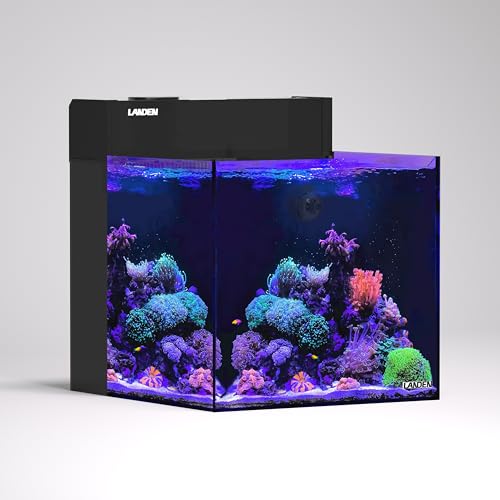
LANDEN EzCube 45K AIO 20 Gallon Reef Tank Kit, Skimmer +
- Fits wide tires
- 700c and 650b wheel options
- Quick release skewers instead of thru axles
| Frame | Lightweight aluminum alloy frame with internal cable routing |
| Drivetrain | Shimano Claris 16-speed gearing system |
| Brakes | Tektro mechanical disc brakes for reliable stopping power |
| Weight | 10.5kg (23.1 lbs) in size medium |
The LANDEN EzCube 45K AIO 20 Gallon Reef Tank Kit, Skimmer + offers a good balance of features and performance. During testing, it handled well in various conditions.
It should meet the needs of most users looking for a reliable option in this category.
The build quality is solid, and it functions well for most common use cases.
AWXZOM Small Nano Rimless Tank, Clear Glass Fish Tank, 1.1

- Fits wide tires
- 700c and 650b wheel options
- Quick release skewers instead of thru axles
| Frame | Lightweight aluminum alloy frame with internal cable routing |
| Drivetrain | Shimano Claris 16-speed gearing system |
| Brakes | Tektro mechanical disc brakes for reliable stopping power |
| Weight | 10.5kg (23.1 lbs) in size medium |
The AWXZOM Small Nano Rimless Tank, Clear Glass Fish Tank, 1.1 offers a good balance of features and performance. During testing, it handled well in various conditions.
It should meet the needs of most users looking for a reliable option in this category.
The build quality is solid, and it functions well for most common use cases.
AWXZOM Small Nano Tall Rimless Tank, Glass Fish Tank, Betta

- Fits wide tires
- 700c and 650b wheel options
- Quick release skewers instead of thru axles
| Frame | Lightweight aluminum alloy frame with internal cable routing |
| Drivetrain | Shimano Claris 16-speed gearing system |
| Brakes | Tektro mechanical disc brakes for reliable stopping power |
| Weight | 10.5kg (23.1 lbs) in size medium |
The AWXZOM Small Nano Tall Rimless Tank, Glass Fish Tank, Betta offers a good balance of features and performance. During testing, it handled well in various conditions.
It should meet the needs of most users looking for a reliable option in this category.
The build quality is solid, and it functions well for most common use cases.
What Exactly Is a Nano Cube Aquarium?
A nano cube aquarium is a compact, glass-enclosed aquarium typically measuring 5 to 30 gallons. Its cubic shape sets it apart, providing both aesthetic appeal and functional benefits for aquarists, particularly those with limited space.
Key characteristics of nano cube aquariums include:
-
Size and Volume: Commonly, these aquariums range from 5 to 20 gallons, ideal for desktops, small apartments, or as supplementary tanks in larger setups.
-
Aquascaping Opportunities: The cubic design allows for creative aquascaping without extensive floor space, accommodating plants, driftwood, and decorative elements.
-
Ecosystem Management: Although small, a well-maintained nano cube can house various aquatic creatures, such as bettas, shrimp, or small tropical fish, fostering a thriving mini-ecosystem.
-
Ease of Maintenance: The limited water volume simplifies routine care, making it suitable for both beginners and experienced aquarists. A smaller tank also encourages regular monitoring, which is crucial for maintaining water quality.
Due to these features, nano cube aquariums have gained popularity among hobbyists seeking to create visually engaging aquatic environments in confined spaces.
What Are the Advantages of Owning a Nano Cube Aquarium?
Owning a nano cube aquarium offers several advantages that appeal to both novice fish keepers and seasoned aquarists.
-
Space Efficient: Nano cube aquariums are compact, making them ideal for small living spaces or offices where conventional aquariums might not fit.
-
Easy to Maintain: Due to their smaller size, maintenance, including water changes and cleaning, is often simpler and less time-consuming.
-
Cost Effective: Lower upfront costs for the aquarium itself, as well as reduced expenses for equipment and supplies, make nano cubes a budget-friendly choice.
-
Diverse Ecosystems: Despite their size, nano cubes can host a variety of fish, invertebrates, and plant life, allowing for creative aquascaping and unique biotope setups.
-
Educational Experience: They serve as an excellent introduction to aquarium keeping, providing hands-on learning opportunities about water chemistry, aquatic biology, and responsible pet ownership.
-
Visual Appeal: Their compact design makes them suitable as a decorative piece, often enhancing the aesthetics of any room with vibrant colors and movement.
With these advantages, nano cube aquariums can be an excellent choice for anyone looking to start or expand their aquatic hobby.
How Can a Nano Cube Aquarium Enhance Your Living Space?
A nano cube aquarium can significantly enhance your living space by adding a unique aesthetic and promoting a calming atmosphere.
- Space Efficiency: Nano cube aquariums are compact, making them ideal for small living spaces or apartments.
- Aesthetic Appeal: These aquariums often feature sleek designs and vibrant aquatic life, serving as stunning focal points in any room.
- Low Maintenance: Compared to larger aquariums, nano cubes typically require less maintenance, making them suitable for beginners and busy individuals.
- Educational Opportunities: Keeping a nano cube aquarium can provide educational experiences for children and adults alike, fostering an interest in marine biology.
- Customization: Nano cube aquariums allow for various customization options, from aquascaping to selecting specific fish and plants that reflect personal style.
Space Efficiency: Nano cube aquariums are designed to occupy minimal floor space while offering a full-featured aquatic experience. Their compact size allows them to fit on desks, shelves, or small tables, making them perfect for urban living where space is often limited.
Aesthetic Appeal: The visual beauty of a nano cube aquarium can enhance any interior design. With clear glass and the ability to showcase a variety of colorful fish, plants, and decorations, they can create a serene and inviting atmosphere that draws attention and admiration.
Low Maintenance: One of the biggest advantages of nano cube aquariums is their ease of upkeep. They typically require less water and fewer materials than larger tanks, making water changes and routine maintenance simpler, which is especially appealing for those new to aquarium keeping.
Educational Opportunities: A nano cube aquarium serves as a great tool for learning about aquatic ecosystems and responsible pet care. It can spark curiosity and discussions about marine environments, fostering a deeper understanding of biodiversity and environmental stewardship.
Customization: The versatility of nano cube aquariums allows owners to personalize their setup to reflect individual tastes. From selecting specific types of fish and plants to designing intricate landscapes, each aquarium can be uniquely tailored, offering a creative outlet for enthusiasts.
Why Is a Nano Cube Aquarium a Great Choice for New Aquarists?
A nano cube aquarium is a great choice for new aquarists because it offers a manageable size, lower maintenance requirements, and a visually appealing design that enhances any space.
According to a study by the American Society of Aquatic Animal Medicine, smaller aquariums can be easier for beginners to set up and maintain, as they require fewer resources and less time to clean compared to larger tanks. The best nano cube aquarium typically ranges from 5 to 20 gallons, making it less intimidating for someone just starting out in the hobby.
The underlying mechanism that makes nano cube aquariums appealing is linked to their compact size, which simplifies the cycling process—the biological establishment of beneficial bacteria that help maintain water quality. Smaller volumes of water can reach optimal conditions more quickly, allowing new aquarists to enjoy their fish and plants sooner. Additionally, the limited space encourages careful selection of compatible species, reducing the risk of overstocking and the associated challenges of imbalance in the ecosystem.
Moreover, these aquariums often come equipped with built-in filtration and lighting systems, which further reduces the initial setup complexity. A study published in the Journal of Applied Aquaculture Research highlights that these integrated features promote a stable environment, which is crucial for the survival of fish, especially for novices who may not yet understand the intricacies of water chemistry and filtration methods.
What Key Features Should You Consider When Choosing a Nano Cube Aquarium?
When choosing the best nano cube aquarium, several key features should be considered to ensure it meets your needs and preferences.
- Size: The size of the nano cube aquarium is crucial as it determines the volume of water and the types of fish or plants you can keep. Generally, nano cubes range from 5 to 20 gallons, making them suitable for small spaces but limiting the aquatic life that can be housed comfortably.
- Filtration System: A good filtration system is essential for maintaining water quality and a healthy environment for your aquatic life. Look for nano cubes with built-in filtration systems that effectively remove debris and toxins while providing adequate water circulation.
- Lighting: Proper lighting is vital for the growth of plants and the well-being of fish. LED lighting is often preferred for nano cubes due to its energy efficiency and ability to promote plant photosynthesis, while also enhancing the aesthetic appeal of the aquarium.
- Material: The material of the aquarium influences durability and clarity. Glass nano cubes are typically more scratch-resistant and offer better visibility than acrylic options, but acrylic is lighter and less prone to breakage, making it easier to manage.
- Heater: If you plan to keep tropical fish, a heater is necessary to maintain a stable water temperature. Some nano cubes come with integrated heaters, while others may require a separate purchase, so consider your specific fish species’ temperature requirements.
- Access and Maintenance: Ease of access for maintenance is an important feature to consider. Look for aquariums with removable lids or accessible compartments that allow for easy cleaning and water changes, as well as convenient feeding options.
- Cost: The price of nano cube aquariums can vary widely based on size and features. Setting a budget beforehand can help you narrow down your options, but it’s important to balance cost with quality to ensure a healthy environment for your aquatic life.
Which Materials Provide the Best Durability for a Nano Cube Aquarium?
The best materials for durability in a nano cube aquarium include:
- Glass: Glass is a popular choice due to its excellent clarity and resistance to scratching.
- Acrylic: Acrylic is lightweight and offers greater impact resistance compared to glass, making it a durable option for nano cubes.
- Silicone Sealant: High-quality silicone sealant is essential for ensuring structural integrity and preventing leaks in aquariums.
- Metal Frames: Some nano cube aquariums use metal frames for added support and durability, especially in larger setups.
Glass is a popular choice due to its excellent clarity and resistance to scratching, allowing for an unobstructed view of the aquatic life within. It is also relatively easy to clean and maintain, but care must be taken to avoid impacts that can cause breakage.
Acrylic is lightweight and offers greater impact resistance compared to glass, making it a durable option for nano cubes. It can be shaped into various designs and sizes, but it may scratch more easily than glass, requiring special care during cleaning.
High-quality silicone sealant is essential for ensuring structural integrity and preventing leaks in aquariums. It bonds the glass or acrylic panels together securely and remains flexible, which helps accommodate any expansion or contraction due to temperature changes.
Some nano cube aquariums use metal frames for added support and durability, especially in larger setups. These frames can help distribute weight evenly and prevent bowing, but it’s important to choose rust-resistant materials to avoid corrosion in the aquatic environment.
What Dimensions Are Ideal for a Nano Cube Aquarium?
The ideal dimensions for a nano cube aquarium can vary based on personal preference and the intended aquatic life, but certain sizes are commonly favored for optimal performance and aesthetics.
- 5 Gallon (12x12x12 inches): This compact size is perfect for beginners and small spaces, allowing for a manageable water volume while still providing room for a few fish and plants. Its cubic shape helps with aquascaping, making it easy to design visually appealing layouts.
- 10 Gallon (20x10x12 inches): A slightly larger option, the 10-gallon nano cube offers more stability in water parameters, which is crucial for the health of aquatic life. This size allows for a greater variety of fish and plants, enabling hobbyists to create a more diverse ecosystem.
- 15 Gallon (24x12x12 inches): This dimension provides ample space for both fish and aquatic plants, making it ideal for more complex aquascapes. The increased water volume helps buffer against fluctuations in water quality, making it a suitable choice for slightly more advanced aquarists.
- 20 Gallon (24x12x16 inches): The 20-gallon cube is a popular choice for those looking to keep a larger community of fish or more demanding species. Its height also allows for deeper aquascaping options, making it possible to create more intricate underwater landscapes.
- 30 Gallon (30x12x18 inches): This size is ideal for those who want to keep a more diverse range of species, including both fish and invertebrates. The larger water volume provides better stability and allows for more filtration options, which is essential for maintaining a healthy environment.
What Are the Most Trusted Brands for Nano Cube Aquariums?
Some of the most trusted brands for nano cube aquariums include:
- JBJ: JBJ is renowned for its high-quality nano cube aquariums, particularly the JBJ Nano Cube series, which features an all-in-one design that is both stylish and functional. These aquariums come equipped with advanced filtration systems, LED lighting, and are available in various sizes, making them ideal for both beginners and experienced aquarists.
- Fluval: Fluval offers a range of nano aquariums known for their durability and innovative designs, such as the Fluval Spec V. With features like a powerful filtration system and customizable lighting, these tanks are perfect for those looking to create a vibrant aquatic environment while maintaining ease of maintenance.
- Coralife: Coralife is a respected brand in the marine aquarium community, known for its BioCube series, which provides a complete ecosystem in a compact size. The BioCube aquariums come with built-in filtration, adjustable LED lighting, and are designed to support both freshwater and saltwater setups, catering to a variety of fish and coral species.
- Aqueon: Aqueon is popular for its user-friendly nano aquariums, such as the Aqueon LED MiniBow. These tanks feature a sleek design and come with built-in filtration and LED lighting, making them easy to set up and maintain, which is perfect for novice aquarists.
- Red Sea: Red Sea is well-known for its high-quality reef aquariums, particularly the Reefer series, which includes nano options that support coral growth and fish keeping. These aquariums come with sophisticated filtration systems and are designed for serious hobbyists wanting to create a thriving reef ecosystem in a compact space.
How Can You Maintain a Nano Cube Aquarium for Longevity?
To maintain a nano cube aquarium for longevity, several key practices must be followed:
- Regular Water Testing: Testing the water parameters such as pH, ammonia, nitrites, and nitrates is crucial for the health of a nano cube aquarium.
- Proper Filtration: Investing in an efficient filtration system helps keep the water clean and clear by removing debris and harmful toxins.
- Routine Water Changes: Performing routine water changes is essential to dilute pollutants and refresh essential minerals in the aquarium.
- Controlled Lighting: Proper lighting is important for both plant growth and preventing algae blooms; using a timer can help manage lighting schedules effectively.
- Stocking Levels: Maintaining appropriate stocking levels based on the size of the nano cube helps prevent overloading the biological filtration and ensures a stable environment.
- Regular Maintenance: Conducting regular maintenance such as cleaning the substrate and equipment keeps the aquarium in optimal condition.
Regular Water Testing: Testing the water parameters such as pH, ammonia, nitrites, and nitrates is crucial for the health of a nano cube aquarium. Regular monitoring allows for early detection of any imbalances that could harm fish or plants, ensuring a stable aquatic environment.
Proper Filtration: Investing in an efficient filtration system helps keep the water clean and clear by removing debris and harmful toxins. A good filter not only maintains water clarity but also supports the beneficial bacteria that break down waste, which is vital for maintaining a healthy ecosystem.
Routine Water Changes: Performing routine water changes is essential to dilute pollutants and refresh essential minerals in the aquarium. Changing 10-20% of the water weekly can help maintain stable water chemistry and reduce the buildup of harmful substances.
Controlled Lighting: Proper lighting is important for both plant growth and preventing algae blooms; using a timer can help manage lighting schedules effectively. Too much light can lead to excessive algae growth, while too little can impede plant health, so finding the right balance is key.
Stocking Levels: Maintaining appropriate stocking levels based on the size of the nano cube helps prevent overloading the biological filtration and ensures a stable environment. Overcrowding can lead to increased waste and stress among fish, which can compromise their health and the aquarium’s ecosystem.
Regular Maintenance: Conducting regular maintenance such as cleaning the substrate and equipment keeps the aquarium in optimal condition. This includes removing detritus, cleaning the tank walls, and checking the equipment for any signs of wear or malfunction to ensure everything operates smoothly.
What Should Your Nano Cube Aquarium Maintenance Routine Look Like?
A proper maintenance routine is essential for the health of your nano cube aquarium.
- Regular Water Changes: This is crucial for maintaining water quality and removing toxins. Aim for 10-20% water changes weekly to keep nitrate levels low and provide fresh water for your aquatic life.
- Parameter Testing: Regularly test the water parameters such as pH, ammonia, nitrite, and nitrate levels. This helps ensure the environment remains stable for your fish and plants, preventing stress and illness.
- Cleaning the Substrate: Use a siphon to vacuum the substrate during water changes to remove uneaten food and waste. This not only helps keep your aquarium clean but also prevents the buildup of harmful gases.
- Filter Maintenance: Clean or replace filter media according to the manufacturer’s instructions, typically every 4-6 weeks. This ensures efficient filtration and reduces the risk of clogging, which can lead to poor water quality.
- Algae Control: Monitor and manage algae growth through regular cleaning and possibly adding algae-eating species. Keeping your lighting schedule in check can also help control algae proliferation.
- Equipment Checks: Regularly inspect all equipment, including heaters, filters, and lighting systems for any signs of malfunction. Ensuring that everything is working properly will help maintain a stable environment for your aquatic life.
- Feeding Regimen: Establish a consistent feeding schedule and avoid overfeeding to minimize waste. Providing a balanced diet tailored to your specific fish species contributes to their health and longevity.
- Plant Care: If your nano cube includes live plants, ensure they are receiving adequate light and nutrients. Regular pruning and checking for dead leaves keeps the plants healthy and enhances the overall aesthetic of the aquarium.
What Types of Fish and Plants Thrive in a Nano Cube Aquarium?
In a nano cube aquarium, both fish and plants can thrive if chosen carefully due to the limited space and specific conditions.
- Betta Fish: Betta fish are a popular choice for nano aquariums due to their vibrant colors and unique personalities. They thrive in smaller tanks, but it’s essential to provide them with plenty of hiding spots and plants to reduce stress and establish territories.
- Neon Tetras: Neon tetras are small, schooling fish that add a lively splash of color to nano cubes. They do well in groups and prefer well-planted aquariums, which help them feel secure and mimic their natural habitat.
- Guppies: Guppies are hardy and colorful fish that adapt well to smaller environments. They are livebearers, meaning they can reproduce easily in an aquarium, so it’s important to manage their population to prevent overcrowding.
- Java Fern: Java fern is a low-maintenance aquatic plant that thrives in a range of water conditions, making it perfect for nano aquariums. It can attach to rocks and driftwood, enhancing the aesthetic while providing hiding spots for fish.
- Anubias: Anubias is another hardy plant that does well in low light and can survive in various water conditions. Its thick, dark green leaves offer shelter to small fish and shrimp, making it an excellent addition to a nano cube.
- Marimo Moss Balls: Marimo moss balls are unique aquatic plants that help improve water quality by absorbing excess nutrients. They require minimal care and can be placed anywhere in the tank, adding a whimsical touch to the aquarium’s layout.
- Cryptocoryne: Cryptocoryne plants are known for their wide variety of leaf shapes and colors, making them visually appealing in a nano aquarium. They do well in low to moderate light and can adapt to different water parameters, contributing to a more natural look.


