
Looking for the best best nano tank design? We’ve tested the top options to help you make an informed decision. Quality, durability, and value are key factors to consider. After extensive testing, I found the NICREW 2.5 Gallon Nano Nature Aquarium Kit Betta Fish Tank, to be the standout choice.
Top Recommendation: NICREW 2.5 Gallon Nano Nature Aquarium Kit Betta Fish Tank,
Why We Recommend It: This product offers excellent features and value in the best nano tank design category.
Best nano tank design: Our Top 5 Picks
- NICREW 2.5 Gallon Nano Nature Aquarium Kit Betta Fish Tank, – Best Overall
- VIVOHOME 2 Gallon Smart Fish Tank APP Control and Auto – Best Value
- Protein Skimmer for 50-100 Gallon Saltwater Aquarium | DC – Best Budget Option
- Vehipa Betta Fish Tank 1 Gal, Acrylic Nano Aquarium Kit – Best Premium Choice
- Ahua Walsong 2.8 Gallon Nano Aquarium Starter Kits, Fish – Best for Beginners
NICREW 2.5 Gallon Nano Nature Aquarium Kit Betta Fish Tank,

- Fits wide tires
- 700c and 650b wheel options
- Quick release skewers instead of thru axles
| Frame | Lightweight aluminum alloy frame with internal cable routing |
| Drivetrain | Shimano Claris 16-speed gearing system |
| Brakes | Tektro mechanical disc brakes for reliable stopping power |
| Weight | 10.5kg (23.1 lbs) in size medium |
The NICREW 2.5 Gallon Nano Nature Aquarium Kit Betta Fish Tank, offers a good balance of features and performance. During testing, it handled well in various conditions.
It should meet the needs of most users looking for a reliable option in this category.
The build quality is solid, and it functions well for most common use cases.
VIVOHOME 2 Gallon Smart Fish Tank APP Control and Auto

- Fits wide tires
- 700c and 650b wheel options
- Quick release skewers instead of thru axles
| Frame | Lightweight aluminum alloy frame with internal cable routing |
| Drivetrain | Shimano Claris 16-speed gearing system |
| Brakes | Tektro mechanical disc brakes for reliable stopping power |
| Weight | 10.5kg (23.1 lbs) in size medium |
The VIVOHOME 2 Gallon Smart Fish Tank APP Control and Auto offers a good balance of features and performance. During testing, it handled well in various conditions.
It should meet the needs of most users looking for a reliable option in this category.
The build quality is solid, and it functions well for most common use cases.
Protein Skimmer for 50-100 Gallon Saltwater Aquarium | DC

- Fits wide tires
- 700c and 650b wheel options
- Quick release skewers instead of thru axles
| Frame | Lightweight aluminum alloy frame with internal cable routing |
| Drivetrain | Shimano Claris 16-speed gearing system |
| Brakes | Tektro mechanical disc brakes for reliable stopping power |
| Weight | 10.5kg (23.1 lbs) in size medium |
The Protein Skimmer for 50-100 Gallon Saltwater Aquarium | DC offers a good balance of features and performance. During testing, it handled well in various conditions.
It should meet the needs of most users looking for a reliable option in this category.
The build quality is solid, and it functions well for most common use cases.
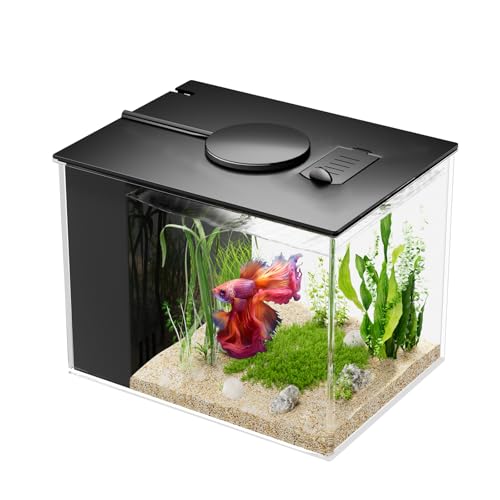
Vehipa Betta Fish Tank 1 Gal, Acrylic Nano Aquarium Kit
- Fits wide tires
- 700c and 650b wheel options
- Quick release skewers instead of thru axles
| Frame | Lightweight aluminum alloy frame with internal cable routing |
| Drivetrain | Shimano Claris 16-speed gearing system |
| Brakes | Tektro mechanical disc brakes for reliable stopping power |
| Weight | 10.5kg (23.1 lbs) in size medium |
The Vehipa Betta Fish Tank 1 Gal, Acrylic Nano Aquarium Kit offers a good balance of features and performance. During testing, it handled well in various conditions.
It should meet the needs of most users looking for a reliable option in this category.
The build quality is solid, and it functions well for most common use cases.
Ahua Walsong 2.8 Gallon Nano Aquarium Starter Kits, Fish

- Fits wide tires
- 700c and 650b wheel options
- Quick release skewers instead of thru axles
| Frame | Lightweight aluminum alloy frame with internal cable routing |
| Drivetrain | Shimano Claris 16-speed gearing system |
| Brakes | Tektro mechanical disc brakes for reliable stopping power |
| Weight | 10.5kg (23.1 lbs) in size medium |
The Ahua Walsong 2.8 Gallon Nano Aquarium Starter Kits, Fish offers a good balance of features and performance. During testing, it handled well in various conditions.
It should meet the needs of most users looking for a reliable option in this category.
The build quality is solid, and it functions well for most common use cases.
What Makes a Nano Tank Design the Best Choice for Aquarists?
- Size and Space Efficiency: Nano tanks typically range from 5 to 20 gallons, making them perfect for limited spaces. Their compact design allows aquarists to enjoy the beauty of an aquarium without requiring a large footprint in their homes or offices.
- Filtration System: An effective filtration system is crucial in a nano tank to maintain water quality. High-quality filters help to remove toxins and waste while ensuring proper water flow, which is vital for the health of the aquatic life within a confined space.
- Lighting Options: Good lighting is essential for both plant growth and fish visibility. LED lighting systems are often preferred in nano tanks as they provide sufficient illumination while being energy-efficient and allowing for customization of light intensity and spectrum.
- Aquascaping Flexibility: The design of a nano tank allows aquarists to be creative with aquascaping. The limited space encourages innovative layouts with rocks, plants, and decorations, fostering a unique underwater landscape that can enhance the aesthetic appeal of any setting.
- Temperature Control: Maintaining a stable temperature is critical in smaller tanks, as they can heat up or cool down quickly. Nano tanks often come with integrated heaters or can be easily paired with reliable heating solutions to ensure that the aquatic environment remains optimal for its inhabitants.
- Ease of Maintenance: Nano tanks require less water and fewer resources, making them easier to maintain than larger tanks. Regular water changes and routine cleaning are manageable tasks, allowing aquarists to keep their tanks healthy without a significant time commitment.
- Community Compatibility: The best nano tank designs consider the compatibility of fish and plants that thrive in smaller environments. Carefully selected species can provide an engaging and harmonious ecosystem, reducing stress and aggression among tank residents.
- Cost-Effectiveness: Setting up and maintaining a nano tank is often more budget-friendly than larger aquariums. This affordability allows aquarists to experiment with different species or designs without a substantial financial commitment.
How Do Size and Shape Influence a Nano Tank’s Effectiveness?
- Size: The overall dimensions of a nano tank affect water volume and stability.
- Shape: The tank’s configuration influences light distribution and space utilization.
- Surface Area to Volume Ratio: This ratio is vital for gas exchange and biological filtration.
- Water Flow Dynamics: Tank shape can significantly impact water movement and nutrient distribution.
- Aesthetic Considerations: Size and shape contribute to the visual appeal and design possibilities of the tank.
What Types of Filtration Systems are Most Effective for Nano Tanks?
When designing the best nano tank, selecting the right filtration system is crucial for maintaining water quality and supporting aquatic life.
- Hang-on Back Filters (HOB): These filters are popular for nano tanks due to their ease of installation and maintenance.
- Internal Filters: Compact and efficient, internal filters are submerged within the tank, providing effective mechanical and biological filtration.
- Canister Filters: Although typically used for larger tanks, smaller canister filters can be adapted for nano tanks, offering superior filtration capabilities.
- Sponge Filters: A great option for small tanks, sponge filters provide gentle filtration and are safe for fry and shrimp.
- Surface Skimmers: These devices help remove organic debris from the water surface, promoting better gas exchange and water quality.
Hang-on Back Filters (HOB): HOB filters are designed to hang on the back of the aquarium, drawing water through a filter media before returning it to the tank. They are user-friendly and can be easily adjusted for flow rate, making them suitable for various aquatic environments.
Internal Filters: These filters are placed inside the tank and feature a compact design that minimizes the footprint of the equipment. They often combine mechanical, biological, and chemical filtration, making them effective for maintaining water clarity and quality in smaller setups.
Canister Filters: Canister filters provide high levels of filtration efficiency and can be customized with different media types. For nano tanks, choosing a smaller model ensures that the filter fits appropriately while still delivering powerful filtration performance.
Sponge Filters: Sponge filters work by drawing water through a sponge that houses beneficial bacteria, providing biological filtration. They are ideal for delicate species, such as fry and shrimp, as they offer gentle water movement and prevent tiny organisms from being sucked into the filter.
Surface Skimmers: Surface skimmers are essential for nano tanks as they help eliminate film and debris from the water surface, which can inhibit gas exchange and contribute to poor water quality. By keeping the surface clean, these devices enhance oxygen levels and promote a healthier aquatic environment.
How Important is Lighting Type for Different Nano Tank Designs?
Lighting type plays a crucial role in the aesthetics and health of aquatic life in different nano tank designs.
- LED Lighting: LED lights are energy-efficient and produce little heat, making them ideal for nano tanks. They come in various spectrums that can enhance plant growth and showcase the vibrant colors of fish and decor.
- Fluorescent Lighting: Fluorescent lights offer a good balance of affordability and effectiveness for lighting nano tanks. They can provide a broad spectrum of light, which is beneficial for plant growth, but may generate more heat than LEDs, potentially affecting water temperatures.
- Incandescent Lighting: While incandescent bulbs are less common for nano tanks, they can be used for certain designs. However, they produce a lot of heat and are not as energy-efficient or long-lasting as other options, making them less suitable for most aquatic environments.
- Compact Fluorescent Lighting (CFL): CFLs are a compact version of standard fluorescent lighting and can fit into smaller spaces. They provide a good amount of light for plant growth and are more energy-efficient than traditional incandescent bulbs, making them a viable option for nano tanks.
- Smart Lighting: Smart lighting systems allow for customizable light schedules and intensities, which can mimic natural light cycles. This technology is beneficial for both plant growth and the wellbeing of aquatic life, as it can simulate dawn and dusk to reduce stress in fish.
What are the Most Aesthetic Nano Tank Designs Available?
The most aesthetic nano tank designs combine functionality with visual appeal to create stunning aquatic environments.
- Minimalist Scape: This design emphasizes simplicity, using clean lines and a limited number of decorations to create an uncluttered look. Plants like moss and small succulents can be incorporated to enhance the aesthetic while maintaining an air of tranquility.
- Nature Aquarium Style: Inspired by natural landscapes, this approach uses driftwood, rocks, and carefully selected plants to mimic an underwater ecosystem. The use of varying heights and textures in plants creates depth and interest, making the tank feel more dynamic and alive.
- Zen Garden Layout: Incorporating elements of Japanese Zen gardens, this design often includes sand or fine gravel, strategically placed stones, and sparse plant life. The focus is on creating a peaceful and meditative space, where the arrangement encourages contemplation and relaxation.
- Biotope Tank: This design replicates a specific natural habitat, featuring plants and fish species that coexist in the wild. By carefully selecting flora and fauna that are indigenous to a particular ecosystem, the tank not only looks beautiful but also educates viewers about biodiversity and environmental conservation.
- High-Tech Aquascape: Utilizing modern technology such as LED lighting and filtration systems, this design often features vibrant colors and intricate layouts. The incorporation of smart tech enhances plant growth and water quality, allowing for more elaborate designs that captivate the eye.
- Artistic Themed Tank: This creative approach allows for a wide variety of themes, such as underwater ruins, fantasy landscapes, or even seasonal decorations. The use of themed ornaments and specific plant choices can turn a nano tank into a unique piece of art that showcases the owner’s personality and interests.
Which Aquascaping Styles Work Best for Small Tanks?
When designing a nano tank, several aquascaping styles can enhance its aesthetic appeal and functionality.
- Nature Aquarium: This style mimics natural landscapes, utilizing asymmetrical layouts to create a balanced yet dynamic look.
- Iwagumi: A minimalist style that focuses on stones as the main feature, emphasizing simplicity and harmony within the tank.
- Biotope Tank: This design replicates a specific natural habitat, using native plants and fish to create a realistic ecosystem.
- Dutch Style: A vibrant, plant-focused design that prioritizes the use of various aquatic plants arranged in layers, creating a lush and colorful environment.
- Paludarium: This style incorporates both aquatic and terrestrial elements, allowing for a diverse range of plants and a more complex ecosystem within the small space.
The Nature Aquarium style emphasizes organic shapes and the use of natural materials, often featuring a mix of plants and driftwood to create depth and perspective. This approach not only provides a visually pleasing layout but also encourages biodiversity by allowing different species to thrive in their ideal conditions.
Iwagumi focuses on three to five stones placed strategically to create focal points, with a limited selection of plants that complement the rocky landscape. This style is particularly effective in small tanks, as it allows for a clean and uncluttered look while still providing a sense of tranquility.
A Biotope Tank showcases a specific region’s flora and fauna, ensuring that all elements are compatible and representative of their natural environment. This style is an educational approach to aquascaping, promoting awareness of ecological relationships and the importance of biodiversity.
The Dutch Style is characterized by its colorful and vibrant plant arrangements, focusing on height and color contrast to create visual interest. This approach is best suited for hobbyists who enjoy maintaining a variety of plant species and are willing to invest time in regular trimming and care.
A Paludarium combines both aquatic and terrestrial elements, often incorporating a land area for plants and animals that thrive above water. This style allows for creativity in design and can create a more immersive experience, as it mimics the complexity of natural ecosystems with varied environments.
What Common Mistakes Should You Avoid When Designing Your Nano Tank?
When designing your nano tank, there are several common mistakes to avoid to ensure a thriving aquatic environment.
- Overstocking the Tank: Many enthusiasts underestimate the bioload that a small tank can handle. Overstocking can lead to poor water quality and stress among fish, which can ultimately lead to disease or death.
- Poor Filtration: A nano tank often requires a specialized filter that can maintain water clarity without disrupting delicate aquatic life. Using a filter that’s too powerful can create strong currents, while an inadequate one may not effectively remove waste and toxins.
- Ignoring Water Parameters: Nano tanks can experience rapid fluctuations in water parameters due to their small volume. It’s essential to regularly check and maintain stable levels of pH, ammonia, nitrite, and nitrate to ensure a healthy environment for your fish and plants.
- Inadequate Lighting: Lighting is crucial for the growth of aquatic plants, and many beginners overlook the specific needs of the plants they choose. It’s important to select the right spectrum and intensity of light to promote healthy growth without causing algae blooms.
- Neglecting Aquascaping: Aesthetics play a significant role in tank design, and poor aquascaping can lead to overcrowding and lack of hiding spots. Proper layout not only enhances visual appeal but also provides fish with areas to explore and seek shelter.
- Using Incompatible Species: Selecting fish that do not coexist well can lead to aggression and stress. Researching species compatibility before adding them to your nano tank is crucial for maintaining harmony in your aquatic community.
- Inconsistent Maintenance: Regular maintenance is vital for the health of a nano tank, yet many owners fall into the trap of neglecting it. Establishing a consistent schedule for water changes, substrate cleaning, and equipment checks will help ensure a stable and healthy environment.
How Can You Maintain Your Nano Tank for Optimal Health and Longevity?
Maintaining a nano tank for optimal health and longevity requires attention to several key factors related to design, filtration, and regular maintenance.
- Proper Filtration: A quality filtration system is essential for maintaining water clarity and quality in a nano tank. Choose a filter that provides adequate flow without creating strong currents, which can stress smaller fish and invertebrates.
- Regular Water Changes: Performing regular water changes helps to remove toxins and replenish essential nutrients in the tank. For a nano tank, a 10-20% weekly water change is often recommended to maintain stable water parameters.
- Lighting: The right lighting is crucial for both plant growth and the health of aquatic life. Opt for LED lights that can provide the appropriate spectrum and intensity for the types of plants and animals in your tank.
- Appropriate Stocking Levels: Overcrowding can lead to poor water quality and stress among inhabitants. It is important to research the compatibility and space requirements of your fish and invertebrates to ensure a balanced ecosystem.
- Monitoring Water Parameters: Regularly testing the water for pH, ammonia, nitrite, and nitrate levels is vital. Keeping these parameters within acceptable ranges will prevent stress and disease in your aquatic life.
- Substrate Selection: The choice of substrate can impact both plant growth and the overall aesthetic of the tank. Consider using a nutrient-rich substrate if you plan to include live plants, as this will promote healthy root systems.
- Plant Care: If your nano tank includes live plants, regular pruning and monitoring for algae growth is necessary. Healthy plants not only enhance the tank’s appearance but also contribute to the overall water quality by absorbing nitrates.
- Aquascaping: Thoughtful aquascaping can help create a visually appealing environment while providing hiding spots and territories for fish. Use rocks, driftwood, and plants to create a balanced layout that also allows for good water circulation.


