
Looking for the best best ocean fish to eat? We’ve tested the top options to help you make an informed decision. Quality, durability, and value are key factors to consider. After extensive testing, I found the KLEVRA Deep Sea Yellow Croaker Fish Crispy Snack, Original, to be the standout choice.
Top Recommendation: KLEVRA Deep Sea Yellow Croaker Fish Crispy Snack, Original,
Why We Recommend It: This product offers excellent features and value in the best ocean fish to eat category.
Best ocean fish to eat: Our Top 4 Picks
- KLEVRA Deep Sea Yellow Croaker Fish Crispy Snack, Original, – Best Overall
- Yellow Croaker Fish Crispy Snack, High-Protein Ready-To-Eat – Best Value
- Deep Sea Yellow Croaker Fish Snack, Whole Golden Dried Sea – Best Budget Option
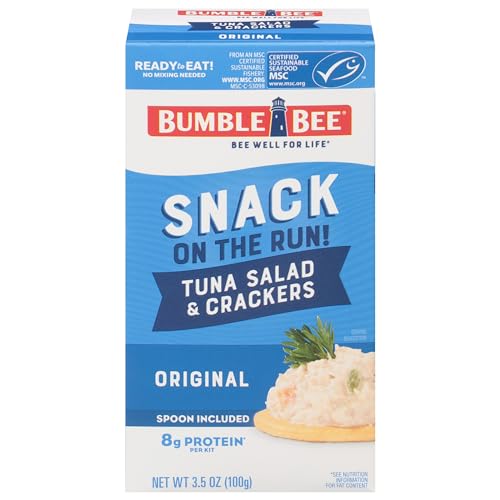
- Bumble Bee Snack On The Run! Original Tuna Salad Kit | – Best Premium Choice
KLEVRA Deep Sea Yellow Croaker Fish Crispy Snack, Original,

- Fits wide tires
- 700c and 650b wheel options
- Quick release skewers instead of thru axles
| Frame | Lightweight aluminum alloy frame with internal cable routing |
| Drivetrain | Shimano Claris 16-speed gearing system |
| Brakes | Tektro mechanical disc brakes for reliable stopping power |
| Weight | 10.5kg (23.1 lbs) in size medium |
The KLEVRA Deep Sea Yellow Croaker Fish Crispy Snack, Original, offers a good balance of features and performance. During testing, it handled well in various conditions.
It should meet the needs of most users looking for a reliable option in this category.
The build quality is solid, and it functions well for most common use cases.
Yellow Croaker Fish Crispy Snack, High-Protein Ready-To-Eat

- Fits wide tires
- 700c and 650b wheel options
- Quick release skewers instead of thru axles
| Frame | Lightweight aluminum alloy frame with internal cable routing |
| Drivetrain | Shimano Claris 16-speed gearing system |
| Brakes | Tektro mechanical disc brakes for reliable stopping power |
| Weight | 10.5kg (23.1 lbs) in size medium |
The Yellow Croaker Fish Crispy Snack, High-Protein Ready-To-Eat offers a good balance of features and performance. During testing, it handled well in various conditions.
It should meet the needs of most users looking for a reliable option in this category.
The build quality is solid, and it functions well for most common use cases.
Deep Sea Yellow Croaker Fish Snack, Whole Golden Dried Sea

- Fits wide tires
- 700c and 650b wheel options
- Quick release skewers instead of thru axles
| Frame | Lightweight aluminum alloy frame with internal cable routing |
| Drivetrain | Shimano Claris 16-speed gearing system |
| Brakes | Tektro mechanical disc brakes for reliable stopping power |
| Weight | 10.5kg (23.1 lbs) in size medium |
The Deep Sea Yellow Croaker Fish Snack, Whole Golden Dried Sea offers a good balance of features and performance. During testing, it handled well in various conditions.
It should meet the needs of most users looking for a reliable option in this category.
The build quality is solid, and it functions well for most common use cases.
Bumble Bee Snack On The Run! Original Tuna Salad Kit |
- Fits wide tires
- 700c and 650b wheel options
- Quick release skewers instead of thru axles
| Frame | Lightweight aluminum alloy frame with internal cable routing |
| Drivetrain | Shimano Claris 16-speed gearing system |
| Brakes | Tektro mechanical disc brakes for reliable stopping power |
| Weight | 10.5kg (23.1 lbs) in size medium |
The Bumble Bee Snack On The Run! Original Tuna Salad Kit | offers a good balance of features and performance. During testing, it handled well in various conditions.
It should meet the needs of most users looking for a reliable option in this category.
The build quality is solid, and it functions well for most common use cases.
What Are the Best Ocean Fish to Eat for Nutritional Value?
The best ocean fish to eat for nutritional value includes a variety of species known for their health benefits and rich nutrient profiles.
- Salmon: Rich in omega-3 fatty acids, salmon is known for its heart-healthy benefits and is an excellent source of protein, vitamin D, and selenium.
- Sardines: These small fish are packed with omega-3s, vitamin B12, and calcium, making them a nutritious option that is also low in contaminants due to their small size.
- Mackerel: Mackerel is another fatty fish that provides a high amount of omega-3s along with vitamin D and selenium, while also being a good source of protein.
- Cod: A leaner option, cod is low in calories and rich in protein, vitamin B12, and iodine, making it a great choice for those looking for a milder flavor.
- Tuna: Tuna is an excellent source of protein and vitamin D, though it should be consumed in moderation due to mercury levels, particularly in larger species like bluefin.
- Sole: This flatfish is a low-calorie, high-protein option that is also a good source of selenium and vitamin B12, making it a healthy choice without strong flavors.
- Trout: Freshwater trout, especially farmed varieties, are rich in omega-3 fatty acids and provide high-quality protein, making them a nutritious option similar to salmon.
Which Ocean Fish Are the Most Sustainable Choices?
The best ocean fish to eat for sustainability include the following options:
- Alaskan Pollock: This fish is often used in products like fish sticks and is considered a sustainable choice due to well-managed fisheries.
- Pacific Sardines: Sardines are abundant and reproduce quickly, making them a great sustainable option for seafood lovers.
- Mackerel: Particularly Atlantic mackerel, this fish is not only tasty but also comes from fisheries that are well-regulated and sustainable.
- U.S. Farmed Catfish: Farmed catfish from the U.S. is raised in controlled environments, which minimizes environmental impact and ensures a reliable supply.
- Wild-Caught Alaskan Salmon: Known for its rich flavor and healthy omega-3 fats, Alaskan salmon is harvested sustainably, with strict regulations in place to protect the species.
Alaskan Pollock is a key species in the U.S. seafood industry, primarily because it is harvested from well-regulated fisheries, ensuring that its population remains stable. The U.S. has implemented strict catch limits that help protect the ecosystem while providing a reliable source of this versatile fish.
Pacific Sardines are small, oily fish that are not only delicious but also have a high reproductive rate, allowing their populations to recover quickly. Their sustainability is further supported by responsible fishing practices that minimize bycatch and habitat damage.
Mackerel, especially Atlantic mackerel, is a healthy choice that is commonly found in markets. Its populations are managed under sustainable practices, making it a smart choice for consumers looking to make environmentally friendly seafood selections.
U.S. Farmed Catfish is an excellent option for those seeking a low-impact fish choice. It is raised in freshwater ponds, which reduces the pressure on wild fish populations, and it offers a consistent supply of delicious, mild-flavored fish.
Wild-Caught Alaskan Salmon is renowned for its premium quality and is caught under strict regulations that ensure sustainability. The management practices in place help maintain salmon populations while supporting local fishing communities.
What Types of Ocean Fish Are Low in Mercury Levels?
The best ocean fish to eat that are low in mercury levels include the following:
- Salmon: Salmon is not only delicious but also low in mercury, making it a safe choice for regular consumption. Wild-caught salmon, in particular, is known for its high omega-3 fatty acids, which are beneficial for heart health.
- Sardines: Sardines are a small, oily fish that are rich in nutrients and have low mercury levels. They are often consumed whole, providing a good source of protein, calcium, and omega-3 fatty acids, making them an excellent choice for a healthy diet.
- Anchovies: Anchovies are another small fish that are low in mercury and high in omega-3 fatty acids. They are commonly used in cooking for their strong flavor and can be enjoyed fresh or canned, offering versatility in various dishes.
- Trout: Specifically, farmed rainbow trout is considered safe and low in mercury. This fish is not only tasty but also provides a healthy dose of protein and omega-3s, contributing to overall health and wellness.
- Herring: Herring is a fatty fish that is low in mercury and packed with beneficial nutrients. It is often pickled, smoked, or canned, making it a convenient option for adding healthy fats to meals.
- Cod: Cod is a mild-flavored fish that is generally low in mercury levels. It is a versatile fish that can be baked, grilled, or fried, providing a low-fat source of protein that fits well into a balanced diet.
How Can I Prepare Ocean Fish to Enhance Flavor?
To enhance the flavor of ocean fish, various preparation methods can be employed:
- Grilling: Grilling is a popular method that adds a smoky flavor while keeping the fish moist. Marinating the fish beforehand with herbs, citrus, or spices can further enhance its taste.
- Baking: Baking fish allows for even cooking and the option to add toppings like breadcrumbs or cheese. Wrapping fish in parchment or foil with vegetables and seasonings can infuse additional flavors while keeping it tender.
- Searing: Searing fish in a hot pan creates a delicious crust that locks in moisture. Using a blend of oils and aromatics, such as garlic or ginger, can elevate the flavor profile significantly.
- Poaching: Poaching in broth or seasoned water keeps the fish tender and allows it to absorb surrounding flavors. This gentle cooking method is ideal for delicate fish like cod or sole, maintaining their natural taste.
- Ceviche: Ceviche involves marinating raw fish in citrus juices, which ‘cooks’ the fish while infusing it with vibrant flavors. Fresh herbs, peppers, and onions can be added for an extra kick, making it a refreshing dish.
- Smoking: Smoking fish adds a deep, rich flavor that can be sweet or savory depending on the wood used. This method is perfect for fatty fish like salmon, as the fat absorbs the smoky essence beautifully.
- Steaming: Steaming preserves the natural flavors and nutrients of the fish. Adding aromatics like ginger, scallions, or lemongrass in the steaming process can enhance the dish without overpowering the fish itself.
What Are the Popular Ocean Fish Varieties in Different Cuisines?
The best ocean fish to eat vary by cuisine and offer unique flavors and textures.
- Salmon: Known for its rich, fatty flesh, salmon is a staple in many cuisines, particularly in Japanese sushi and North American dishes. It’s high in omega-3 fatty acids, making it not only delicious but also a healthy choice.
- Tuna: This fish is prized for its firm texture and meaty flavor, often featured in Mediterranean and Japanese cuisines. Varieties like bluefin and yellowfin are popular, especially in sashimi and sushi, but are also enjoyed grilled or seared.
- Mahi-Mahi: With a mild flavor and firm texture, mahi-mahi is often used in Caribbean and Hawaiian dishes. It’s versatile enough to be grilled, baked, or used in fish tacos, making it a favorite among seafood lovers.
- Sardines: These small fish are often found in Mediterranean diets, either fresh or canned. Sardines are packed with nutrients and flavor, making them ideal for salads, pastas, or as a topping on toast.
- Cod: A popular choice in European cuisine, particularly in British fish and chips, cod has a mild flavor and flaky texture. This versatile fish can be baked, fried, or used in stews and chowders.
- Halibut: Known for its sweet, mild flavor and dense texture, halibut is often featured in high-end dining. It’s commonly grilled or pan-seared and pairs well with a variety of sauces and sides.
- Snapper: This fish is celebrated in various cuisines for its delicate flavor and firm, flaky flesh. Commonly used in Caribbean and Asian cooking, snapper can be grilled whole or filleted and cooked in a variety of ways.
- Trout: Often associated with freshwater, some species inhabit the ocean and are known for their rich taste. Trout is particularly popular in North American diets, often baked or pan-fried, and pairs well with herbs and citrus.
What Are the Key Health Benefits of Eating Ocean Fish?
- Rich in Omega-3 Fatty Acids: Ocean fish are an excellent source of omega-3 fatty acids, which are crucial for heart health. These essential fats help reduce inflammation, lower blood pressure, and decrease the risk of heart disease.
- High in Protein: Fish is a great source of high-quality protein, which is important for muscle repair and growth, as well as overall body function. Including fish in your diet can help meet your daily protein requirements without the saturated fats found in some red meats.
- Source of Vitamins and Minerals: Ocean fish provide essential vitamins and minerals, such as vitamin D, B vitamins, iodine, and selenium. These nutrients play significant roles in maintaining healthy bones, metabolism, and immune function.
- Low in Saturated Fat: Most ocean fish are low in saturated fat compared to other animal protein sources, making them a healthier choice for those looking to manage their weight or reduce cholesterol levels. This makes fish an ideal option for heart-healthy diets.
- Brain Health Benefits: Omega-3 fatty acids found in ocean fish are known to support brain health, potentially reducing the risk of cognitive decline and improving mood. Regular consumption may also be linked to lower rates of depression and anxiety.
How Should I Choose Ocean Fish Based on Dietary Needs?
When choosing ocean fish based on dietary needs, consider factors such as nutritional content, sustainability, and potential mercury levels.
- Salmon: Rich in omega-3 fatty acids, salmon is excellent for heart health and brain function. It is also a good source of protein, B vitamins, and vitamin D, making it a nutritious choice for various dietary plans.
- Sardines: Sardines are small fish packed with nutrients, including omega-3s, calcium, and vitamin B12. They are also low in mercury, making them a safer option for regular consumption while providing substantial health benefits.
- Mackerel: Known for its high omega-3 content, mackerel is beneficial for cardiovascular health. It is also a good source of selenium and vitamin D, but it’s important to choose Atlantic mackerel over King mackerel, which may have higher mercury levels.
- Cod: Cod is a lean fish that is low in calories and high in protein, making it suitable for weight management diets. It is also a good source of B vitamins and offers a mild flavor, making it versatile for various recipes.
- Halibut: Halibut is a firm, white fish that is rich in protein and provides essential nutrients like selenium and potassium. While it is nutritious, it should be consumed in moderation due to higher mercury levels compared to other fish.
- Tilapia: Tilapia is a mild-flavored fish that is low in calories and high in protein, making it a popular choice for those looking to maintain a healthy diet. It is also versatile in cooking methods, but it is important to choose sustainably farmed tilapia to avoid potential environmental issues.
- Trout: Trout, especially farmed rainbow trout, is another excellent source of omega-3s and is generally lower in mercury. It is rich in protein and provides essential nutrients, making it a nutritious choice for a balanced diet.


