
Looking for the best best personal aquariums? We’ve tested the top options to help you make an informed decision. Quality, durability, and value are key factors to consider. After extensive testing, I found the LYPHARD AQUARIUMS Goldfish Tank, Mini Aquarium Set Fish to be the standout choice.
Top Recommendation: LYPHARD AQUARIUMS Goldfish Tank, Mini Aquarium Set Fish
Why We Recommend It: This product offers excellent features and value in the best personal aquariums category.
Best personal aquariums: Our Top 2 Picks
- LYPHARD AQUARIUMS Goldfish Tank, Mini Aquarium Set Fish – Best Overall
- Fosmon 24 Hour Programmable Digital Timer Outlet, ON/Off – Best Value
LYPHARD AQUARIUMS Goldfish Tank, Mini Aquarium Set Fish

- Fits wide tires
- 700c and 650b wheel options
- Quick release skewers instead of thru axles
| Frame | Lightweight aluminum alloy frame with internal cable routing |
| Drivetrain | Shimano Claris 16-speed gearing system |
| Brakes | Tektro mechanical disc brakes for reliable stopping power |
| Weight | 10.5kg (23.1 lbs) in size medium |
The LYPHARD AQUARIUMS Goldfish Tank, Mini Aquarium Set Fish offers a good balance of features and performance. During testing, it handled well in various conditions.
It should meet the needs of most users looking for a reliable option in this category.
The build quality is solid, and it functions well for most common use cases.
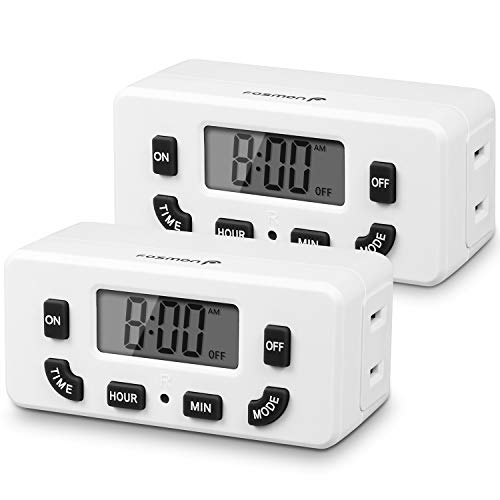
Fosmon 24 Hour Programmable Digital Timer Outlet, ON/Off
- Fits wide tires
- 700c and 650b wheel options
- Quick release skewers instead of thru axles
| Frame | Lightweight aluminum alloy frame with internal cable routing |
| Drivetrain | Shimano Claris 16-speed gearing system |
| Brakes | Tektro mechanical disc brakes for reliable stopping power |
| Weight | 10.5kg (23.1 lbs) in size medium |
The Fosmon 24 Hour Programmable Digital Timer Outlet, ON/Off offers a good balance of features and performance. During testing, it handled well in various conditions.
It should meet the needs of most users looking for a reliable option in this category.
The build quality is solid, and it functions well for most common use cases.
What Are the Key Features of the Best Personal Aquariums?
The best personal aquariums possess several key features that enhance both their functionality and aesthetic appeal.
- Size: The size of the aquarium is crucial as it determines the type and number of fish that can be kept. A larger tank provides a more stable environment for aquatic life, while smaller tanks are easier to maintain and suitable for beginners.
- Filtration System: A high-quality filtration system helps keep the water clean and clear, which is essential for the health of fish and plants. Good filtration reduces the frequency of water changes and maintains water quality by removing toxins and debris.
- Lighting: Proper lighting is important for both the aesthetic appeal of the aquarium and the health of plants and fish. LED lights are energy-efficient and can simulate natural conditions, promoting plant growth and enhancing the colors of the fish.
- Heating: For tropical fish, a reliable heating system maintains the water temperature at optimal levels. This feature is critical for ensuring the well-being of fish that require warm water to thrive.
- Material Quality: The material of the aquarium, whether glass or acrylic, affects durability and clarity. Glass tanks are less prone to scratching and maintain clarity over time, while acrylic tanks are lighter and less prone to breaking but can scratch easily.
- Ease of Maintenance: Aquariums designed for easy access and maintenance, such as removable lids and accessible filters, are highly desirable. This feature allows for hassle-free cleaning and monitoring, making it easier for beginners to care for their aquatic environment.
- Design and Aesthetics: The design of the aquarium should fit well within the intended space and complement the decor. Options like rimless designs or those with built-in filtration systems can enhance visual appeal while being functional.
- Compatibility with Aquatic Life: The best personal aquariums should be compatible with the specific species of fish or plants you intend to keep. Ensuring that the tank has appropriate space, water conditions, and environmental features is key to maintaining a healthy ecosystem.
Why Is Size a Crucial Factor in Choosing a Personal Aquarium?
Size is a crucial factor in choosing a personal aquarium because it directly influences the health and well-being of the aquatic life within, as well as the ease of maintenance for the owner.
According to the American Aquarium Products, larger aquariums provide more stable water conditions and are generally easier to maintain compared to smaller tanks. This is due to the larger volume of water being less susceptible to rapid changes in temperature, pH, and other chemical parameters, which can be detrimental to fish health.
The underlying mechanism involves the relationship between volume and surface area in aquatic environments. In smaller tanks, any fluctuation in environmental conditions can occur more dramatically because the water volume is limited. Smaller aquariums also have a reduced surface area, which can restrict oxygen exchange and lead to poorer water quality. As a result, fish may experience increased stress or even mortality if the aquarium is too small or poorly maintained. Furthermore, larger tanks allow for a greater diversity of fish species, which can enhance the ecological balance and the aesthetic appeal of the personal aquarium.
How Do Different Filtration Systems Impact Aquarium Health?
Different filtration systems play a crucial role in maintaining the health of personal aquariums.
- Mechanical Filtration: This type involves physically removing debris and particles from the water using filter pads or sponges.
- Chemical Filtration: This filtration uses activated carbon or other chemical media to absorb toxins, odors, and discoloration from the water.
- Biological Filtration: This system relies on beneficial bacteria that break down harmful ammonia and nitrites into less toxic nitrates, essential for a balanced ecosystem.
- Canister Filters: These external filters provide mechanical, chemical, and biological filtration and are known for their high capacity and efficiency.
- Hang-On-Back Filters: These filters are easy to install and maintain, making them popular for small to medium-sized aquariums, providing reliable mechanical and biological filtration.
- Sponge Filters: Often used in smaller or breeding tanks, these filters provide gentle water flow and excellent biological filtration through a sponge medium.
Mechanical filtration is essential for keeping the aquarium clean by trapping waste and particles in the filter media, which helps maintain clear water conditions and reduces the burden on other filtration types. Chemical filtration plays a vital role in removing dissolved organic compounds, toxins, and impurities that can harm fish and plants, ensuring a healthier aquatic environment.
Biological filtration is crucial for the nitrogen cycle, where beneficial bacteria convert harmful substances into less toxic forms, thus supporting fish health and preventing ammonia poisoning. Canister filters are versatile and powerful, suitable for larger aquariums, and can accommodate various filter media for comprehensive filtration, making them a preferred choice for serious aquarists.
Hang-On-Back filters are user-friendly and provide effective filtration without taking up space inside the aquarium, making them ideal for beginners. Sponge filters are often used in breeding tanks as they offer gentle filtration, ensuring fry are not sucked into the filter while still maintaining good water quality.
Which Personal Aquariums Are Most Suitable for Beginners?
The best personal aquariums for beginners are user-friendly and low-maintenance, making them ideal for those new to fishkeeping.
- Betta Fish Tank: A small tank specifically designed for keeping a single betta fish, typically around 5-10 gallons in size.
- Desktop Nano Aquarium: Compact aquariums that often come with built-in filtration and lighting, perfect for a desk or small space.
- 5-Gallon Starter Kit: Complete kits that include everything needed for a basic freshwater setup, including a filter, heater, and decorations.
- Self-Cleaning Aquarium: Innovative tanks that use a self-cleaning mechanism to reduce maintenance, making them ideal for busy individuals.
- Wall-Mounted Aquarium: Space-saving aquariums that can be hung on the wall, providing a unique display option for small areas.
The Betta Fish Tank is tailored for a single betta, which is a hardy fish requiring minimal care and can thrive in smaller environments, reducing the complexity for beginners.
Desktop Nano Aquariums are great for limited spaces; they often come with integrated systems that make it easier to maintain water quality and support small fish or shrimp.
A 5-Gallon Starter Kit includes all essential equipment, which simplifies the setup process for newcomers and usually contains instructions to guide users through the initial stages of fishkeeping.
Self-Cleaning Aquariums utilize advanced filtration systems that can significantly cut down on the frequency of water changes and cleaning, making it easier for beginners to enjoy fishkeeping without overwhelming maintenance tasks.
Wall-Mounted Aquariums offer a visually appealing way to display aquatic life without taking up valuable floor space, making them an innovative choice for beginners who might feel constrained by their environment.
What Essential Equipment Do You Need to Set Up a Personal Aquarium?
To set up a personal aquarium, several essential pieces of equipment are required for maintaining a healthy aquatic environment.
- Aquarium Tank: The tank is the primary component of any aquarium, coming in various sizes, shapes, and materials. The size you choose should depend on the type and number of fish you plan to keep, as well as the space available in your home.
- Filtration System: A filtration system is crucial for maintaining water quality by removing waste and toxins. It helps in creating a clean and stable environment for fish and plants, with options like internal, external, and sponge filters available.
- Heater: If you are keeping tropical fish, a heater is necessary to maintain a stable water temperature. Heaters come in various wattages and types, including submersible and in-line models, to suit different tank sizes and species’ needs.
- Lighting: Proper lighting enhances the visual appeal of your aquarium and is essential for the growth of live plants. LED lights are popular for their energy efficiency and longevity, and the choice of lighting should match the specific needs of both fish and plants.
- Substrate: The substrate is the material that lines the bottom of the aquarium, influencing the overall aesthetics and providing a base for plants. Options include gravel, sand, and specialized substrates for planted tanks, each serving different purposes in terms of filtration and plant growth.
- Water Conditioner: Before adding water to your aquarium, a water conditioner is necessary to remove harmful chemicals like chlorine and chloramines. These products help create a safe environment for your fish and are vital for maintaining water quality.
- Aquarium Test Kits: Test kits are essential for monitoring water parameters such as pH, ammonia, nitrite, and nitrate levels. Regular testing ensures that the aquarium remains a healthy environment for its inhabitants and helps in preventing potential issues.
- Decorations and Plants: Adding decorations and live or artificial plants not only enhances the visual appeal of the aquarium but also provides hiding spots and enrichment for the fish. The choice of decor should be safe and suitable for the specific species you are keeping.
- Net and Maintenance Tools: A net is useful for catching fish during maintenance or tank changes, while maintenance tools like algae scrapers and gravel vacuums are important for keeping the aquarium clean. Regular maintenance helps to ensure a healthy habitat and prolongs the life of the aquarium.
How Often Should You Perform Maintenance on Your Personal Aquarium?
Regular maintenance is essential for the health of your aquarium and the well-being of its inhabitants.
- Weekly Maintenance: This includes checking water parameters, such as pH, ammonia, nitrites, and nitrates, to ensure optimal conditions for your fish.
- Bi-weekly Water Changes: Changing 10-15% of the water every two weeks helps remove toxins and replenish essential minerals.
- Monthly Filter Maintenance: Cleaning or replacing filter media is crucial to ensure efficient filtration and prevent buildup of harmful substances.
- Quarterly Deep Clean: Every three months, perform a thorough cleaning of the tank, including substrate vacuuming and algae removal, to maintain a pristine environment.
- Annual Equipment Check: Once a year, inspect all equipment, including heaters and lights, to ensure they are functioning properly and replace any faulty items.
Weekly maintenance involves monitoring water quality, which is vital for the health of aquatic life. Regular checks can help catch any issues early, preventing stress or sickness among your fish.
Bi-weekly water changes are essential to dilute waste and toxins that build up in the aquarium. This practice not only helps maintain water quality but also mimics the natural environment, promoting fish health.
Monthly filter maintenance ensures that your filtration system is working efficiently. A clogged filter can lead to poor water quality and can be detrimental to the aquarium’s ecosystem.
A quarterly deep clean allows you to remove algae, debris, and uneaten food that can affect water quality. This thorough cleaning helps maintain a healthy environment for your aquatic life.
Lastly, an annual equipment check is crucial to avoid unexpected failures. Regularly inspecting and maintaining your equipment ensures that your aquarium remains in good working order and provides a stable environment for its inhabitants.
How Do Personal Aquariums Enhance Your Space and Well-being?
- Aesthetic Appeal: Personal aquariums serve as stunning focal points that can elevate the visual appeal of any room.
- Stress Reduction: Studies suggest that watching fish swim can lower stress levels and promote relaxation.
- Educational Opportunities: Maintaining an aquarium provides a hands-on learning experience about aquatic ecosystems and responsibility.
- Air Quality Improvement: Certain aquariums can help improve air quality by adding moisture and reducing dust particles.
- Social Interaction: Aquariums can act as conversation starters, encouraging social interactions with guests and family.
Stress Reduction: Research indicates that observing fish in an aquarium can help lower blood pressure and reduce feelings of anxiety. The calming effect of water and the rhythmic motion of fish swimming can create a tranquil atmosphere, making it an ideal addition for those seeking to improve their mental health.
Educational Opportunities: Keeping an aquarium fosters an understanding of marine life and ecology, making it a great educational tool for children and adults alike. Regular tasks, such as feeding and cleaning, teach responsibility and can spark interest in biology and environmental science.
Air Quality Improvement: Aquariums can contribute to better indoor air quality as they release water vapor into the air, which can increase humidity levels. This can be particularly beneficial in dry environments, as it helps alleviate respiratory issues and provides a more comfortable living space.
Social Interaction: A well-maintained aquarium can serve as a conversation piece, attracting attention and sparking dialogue among guests. This social aspect can enhance your relationships and provide opportunities for shared experiences, whether through discussions about the fish or collaborative care of the aquarium.
What Common Mistakes Should You Avoid When Setting Up Your Aquarium?
When setting up your aquarium, there are several common mistakes to avoid for a successful experience.
- Skipping the Cycling Process: Many beginners neglect to cycle their aquarium before introducing fish, which can lead to toxic ammonia and nitrite spikes. Cycling establishes beneficial bacteria that convert harmful waste products into less harmful substances, ensuring a stable environment for your aquatic life.
- Overstocking the Tank: It’s easy to get carried away with stocking your aquarium, but overloading it can result in poor water quality and stressed fish. Each species has specific space and social needs, so it’s crucial to research and adhere to recommended stocking levels to maintain a healthy ecosystem.
- Poor Water Quality Management: Failing to regularly test and maintain water parameters such as pH, ammonia, nitrites, and nitrates can harm your fish. Regular water changes and the use of a reliable water testing kit are essential to keep the environment safe and stable.
- Ignoring Compatibility of Species: Not all fish species coexist peacefully, leading to aggression or stress. It’s important to research the temperaments and habitat requirements of different fish to ensure compatibility and harmony in your aquarium.
- Neglecting Equipment Maintenance: Many aquarium owners overlook the maintenance of filters, heaters, and lighting systems, which can lead to equipment failure and compromised water quality. Regular cleaning and monitoring of equipment are vital for the long-term health of your aquarium.
- Using Tap Water Without Treatment: Using untreated tap water can introduce harmful chemicals like chlorine and chloramine into the aquarium. Always treat tap water with a dechlorinator and consider using a water conditioner to ensure your aquatic environment is safe for fish.
- Overfeeding Fish: Overfeeding can lead to water quality issues and obesity in fish, which can be detrimental to their health. It’s important to feed appropriate amounts and types of food, observing your fish to determine their dietary needs without overindulgence.


