
Looking for the best best production aquariums? We’ve tested the top options to help you make an informed decision. Quality, durability, and value are key factors to consider. After extensive testing, I found the Koller Products Plastic 6-Gallon AquaView 360 Aquarium Kit to be the standout choice.
Top Recommendation: Koller Products Plastic 6-Gallon AquaView 360 Aquarium Kit
Why We Recommend It: This product offers excellent features and value in the best production aquariums category.
Best production aquariums: Our Top 2 Picks
- Koller Products Plastic 6-Gallon AquaView 360 Aquarium Kit – Best Overall
- Koller Products 6.5-Gallon Aquarium Kit Power Filter and – Best Value
Koller Products Plastic 6-Gallon AquaView 360 Aquarium Kit

- Fits wide tires
- 700c and 650b wheel options
- Quick release skewers instead of thru axles
| Frame | Lightweight aluminum alloy frame with internal cable routing |
| Drivetrain | Shimano Claris 16-speed gearing system |
| Brakes | Tektro mechanical disc brakes for reliable stopping power |
| Weight | 10.5kg (23.1 lbs) in size medium |
The Koller Products Plastic 6-Gallon AquaView 360 Aquarium Kit offers a good balance of features and performance. During testing, it handled well in various conditions.
It should meet the needs of most users looking for a reliable option in this category.
The build quality is solid, and it functions well for most common use cases.
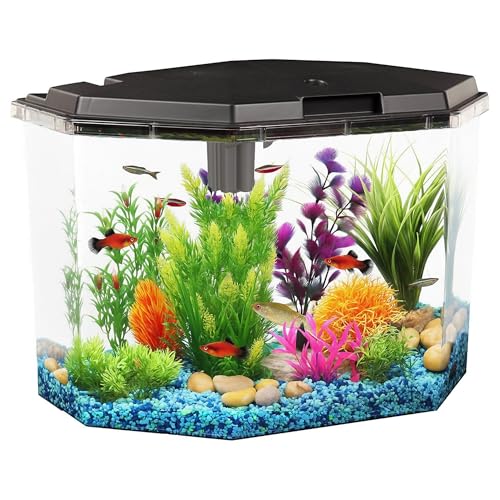
Koller Products 6.5-Gallon Aquarium Kit Power Filter and
- Fits wide tires
- 700c and 650b wheel options
- Quick release skewers instead of thru axles
| Frame | Lightweight aluminum alloy frame with internal cable routing |
| Drivetrain | Shimano Claris 16-speed gearing system |
| Brakes | Tektro mechanical disc brakes for reliable stopping power |
| Weight | 10.5kg (23.1 lbs) in size medium |
The Koller Products 6.5-Gallon Aquarium Kit Power Filter and offers a good balance of features and performance. During testing, it handled well in various conditions.
It should meet the needs of most users looking for a reliable option in this category.
The build quality is solid, and it functions well for most common use cases.
What Characteristics Define the Best Production Aquariums?
The best production aquariums are characterized by several key features that enhance their functionality and suitability for both fish and plants.
- Size and Volume: The size of an aquarium significantly impacts the type and number of fish it can support. Larger aquariums generally provide a more stable environment, with better water quality and temperature regulation, which is essential for the health of aquatic life.
- Material Quality: High-quality materials, such as glass or acrylic, are crucial for durability and clarity. Glass aquariums tend to be scratch-resistant and provide better visibility, while acrylic is lighter and less prone to breakage, making it a popular choice for larger setups.
- Filtration System: An effective filtration system is vital for maintaining clean water and a healthy ecosystem within the aquarium. Good production aquariums typically feature multi-stage filtration systems that remove waste, toxins, and excess nutrients, ensuring optimal water conditions for inhabitants.
- Lighting: Proper lighting is essential for the growth of aquatic plants and the overall aesthetic of the aquarium. LED lights are commonly used for their energy efficiency and ability to simulate natural sunlight, promoting healthy plant growth and enhancing the colors of fish.
- Heating and Temperature Control: Maintaining the right temperature is crucial for fish health; thus, good production aquariums often come equipped with reliable heaters and thermometers. This ensures that the aquatic environment remains stable and suitable for the specific species being kept.
- Water Circulation: Adequate water movement is important for oxygenation and preventing stagnation. The best production aquariums have built-in circulation systems that help distribute heat and nutrients evenly, supporting the well-being of all aquatic life.
- Aesthetics and Customization: A visually appealing aquarium enhances the enjoyment of fishkeeping. The best production aquariums allow for customization with decorations, substrates, and plants, enabling hobbyists to create unique underwater landscapes that reflect their personal style.
Which Features Are Essential for Optimizing Production Aquariums?
The essential features for optimizing production aquariums include:
- Water Quality Management: Maintaining optimal water quality is crucial for the health of aquatic life. This involves regular monitoring and managing parameters like pH, ammonia, nitrite, and nitrate levels to ensure a stable environment that promotes growth and reduces stress in fish and plants.
- Efficient Filtration Systems: A robust filtration system is vital for removing waste and toxins from the water. This includes mechanical, biological, and chemical filtration methods to keep the water clean and clear, thus providing a healthy habitat for the organisms within the aquarium.
- Lighting Solutions: Proper lighting is essential for both plant growth and the well-being of fish. The right spectrum and intensity of light can enhance photosynthesis for aquatic plants and create a natural environment for the fish, promoting better growth rates and health.
- Temperature Control: Many aquatic species require specific temperature ranges for optimal growth and reproduction. Utilizing heaters or chillers allows for precise temperature regulation, which is crucial for maintaining a stable and suitable environment for the inhabitants.
- Space Optimization: Designing the aquarium layout to maximize space can help in accommodating more species and improving circulation. This includes the use of vertical space and creating areas for hiding and breeding, which can lead to a more productive ecosystem.
- Automated Monitoring Systems: Implementing technology for automatic monitoring of water parameters can significantly ease the burden of manual testing. These systems often include alarms and alerts for any deviations, ensuring quick reactions to potential issues that could affect the health of the aquarium.
- Stocking Density Management: Properly managing the number of fish and plants in the aquarium is essential to prevent overcrowding, which can lead to stress and poor water quality. Understanding the specific requirements and growth potential of each species helps in determining the ideal stocking density for optimal production.
What Types of Aquatic Life Thrive in Production Aquariums?
Crustaceans such as lobsters and crabs add diversity to production systems and can be a lucrative market. Their cultivation requires specific environmental conditions, but they can significantly contribute to the ecological balance of the aquarium ecosystem.
Who Are the Leading Manufacturers of Production Aquariums?
The leading manufacturers of production aquariums are:
- Aqueon: Aqueon is well-known for producing a wide range of reliable aquariums and accessories suitable for both beginners and experienced aquarists. Their tanks are designed with durability in mind, often featuring tempered glass and seamless edges, making them a popular choice for those looking to set up fresh or saltwater environments.
- MarineLand specializes in aquariums and filtration systems that cater specifically to the needs of aquatic life. Their products are designed with innovation, featuring integrated filtration systems and LED lighting options that enhance the viewing experience while promoting healthy aquatic ecosystems.
- Tetra: Tetra is a leading manufacturer that focuses on providing aquariums and associated equipment that are user-friendly and accessible. Their aquariums often come as complete kits, including filters, heaters, and lights, making them ideal for novice hobbyists who appreciate convenience and ease of setup.
- Fluval: Fluval is known for its high-quality aquariums and advanced filtration technologies. Their products are designed for both freshwater and saltwater setups, and they emphasize aesthetics and functionality, offering stylish tanks that integrate seamlessly into home decor while providing excellent conditions for aquatic life.
- Red Sea: Red Sea primarily targets marine aquarium enthusiasts with specialized products that support reef systems. Their aquariums are designed to meet the unique challenges of keeping coral and other delicate organisms, featuring advanced filtration and lighting options that cater to the specific needs of marine ecosystems.
- JBJ: JBJ offers a variety of innovative aquarium solutions, including all-in-one tanks that are particularly popular for nano and small setups. Their designs often incorporate advanced technology, such as LED lighting and integrated filtration, making them ideal for hobbyists looking for space-efficient options that do not compromise on quality.
How Can I Maintain Production Aquariums Effectively?
To maintain production aquariums effectively, several key practices should be followed:
- Water Quality Management: Regularly test and monitor water parameters such as pH, ammonia, nitrites, and nitrates to ensure a stable environment. Maintaining optimal water quality is crucial for the health of aquatic species and can prevent disease outbreaks.
- Regular Maintenance Schedule: Establish a routine for cleaning and maintenance, including substrate vacuuming, water changes, and filter cleaning. This routine helps remove waste and detritus, promoting a healthier ecosystem within the aquarium.
- Appropriate Stocking Density: Avoid overcrowding by adhering to recommended stocking levels for the species being raised. Proper stocking density not only reduces stress among the fish but also minimizes competition for resources, leading to better growth rates.
- Feeding Practices: Implement a balanced feeding regimen that meets the dietary needs of the species in the aquarium. Overfeeding can lead to water quality issues, so it’s important to provide appropriate portions and high-quality food to support healthy growth.
- Temperature Control: Maintain the proper temperature range for the species being cultivated, as fluctuations can stress the fish and affect their growth. Utilizing heaters or chillers as necessary can help stabilize the environment and ensure optimal breeding conditions.
- Lighting Management: Use appropriate lighting schedules to simulate natural conditions, which can influence breeding and growth. Too much light can promote algae growth, while insufficient light can hinder the health of aquatic plants and overall aquarium aesthetics.
- Monitoring Health and Behavior: Keep a close eye on the health and behavior of the fish to catch any signs of disease early. Quick intervention can prevent the spread of illness and maintain a thriving production environment.
What Are the Key Advantages of Utilizing Production Aquariums in Aquaculture?
The key advantages of utilizing production aquariums in aquaculture include enhanced control over environmental conditions, improved biosecurity, efficient space utilization, and better monitoring of fish health.
- Enhanced Control Over Environmental Conditions: Production aquariums allow for precise regulation of water temperature, salinity, and pH levels, which are crucial for the optimal growth of aquatic species. This controlled environment can lead to higher survival rates and faster growth, as conditions can be tailored to the specific needs of different species.
- Improved Biosecurity: By using production aquariums, aquaculture operations can minimize the risk of disease transmission among fish populations. The contained systems reduce the likelihood of pathogens entering from external sources, thereby protecting the health of the stock and reducing the need for antibiotics or other treatments.
- Efficient Space Utilization: Production aquariums can be designed to maximize the use of space, allowing for higher stocking densities without compromising water quality. This efficient use of space can lead to increased production outputs while maintaining a manageable operational footprint.
- Better Monitoring of Fish Health: In a production aquarium, fish can be closely monitored for signs of stress or disease, enabling quick interventions when needed. This level of observation helps in maintaining the overall health of the stock, leading to better yields and quality of the harvested products.
- Scalability and Flexibility: Production aquariums can be easily scaled up or down depending on market demands, making it easier for aquaculture businesses to adapt to changing conditions. The modular nature of these systems allows for flexibility in operations, whether expanding production or downsizing during off-peak periods.
What Challenges Do Aquarists Commonly Encounter with Production Aquariums?
Aquarists often face various challenges when working with production aquariums that can impact both the health of the aquatic life and the efficiency of the operation.
- Water Quality Management: Maintaining optimal water conditions is critical, as factors such as pH, temperature, and ammonia levels can drastically affect fish health. Regular testing and adjusting of water parameters are essential, requiring time and resources to ensure a stable environment for the inhabitants.
- Biosecurity Risks: Production aquariums are susceptible to diseases and parasites that can spread rapidly among fish populations. Implementing strict biosecurity measures, such as quarantining new arrivals and monitoring for signs of illness, is vital to prevent outbreaks that can lead to significant losses.
- Feeding and Nutrition: Providing a balanced diet tailored to the specific needs of different species can be challenging, especially in larger systems. Aquarists must ensure that all fish receive adequate nutrition while avoiding overfeeding, which can lead to water quality issues and increased waste.
- System Design and Maintenance: The design of the aquarium system, including filtration and aeration, must be carefully planned and regularly maintained to prevent malfunctions. Regular maintenance tasks, such as cleaning filters and checking pumps, are necessary to keep the system running efficiently and to avoid disruptions that could harm the aquatic life.
- Stocking Density Management: Determining the appropriate stocking density for production aquariums is crucial to avoid stress and competition among fish. Overcrowding can lead to aggression, stunted growth, and increased disease transmission, requiring aquarists to carefully monitor and manage population levels.
- Market Demand Fluctuations: Aquarists must stay attuned to market trends and consumer preferences, as shifts in demand can impact production levels. This requires flexibility in planning and may lead to periods of surplus or scarcity, affecting financial stability and profitability.


