
Looking for the best best reef tank filtration? We’ve tested the top options to help you make an informed decision. Quality, durability, and value are key factors to consider. After extensive testing, I found the Ultum Nature Systems Dual AIO 60SA Rimless Aquarium, 10 to be the standout choice.
Top Recommendation: Ultum Nature Systems Dual AIO 60SA Rimless Aquarium, 10
Why We Recommend It: This product offers excellent features and value in the best reef tank filtration category.
Best reef tank filtration: Our Top 5 Picks
- Ultum Nature Systems Dual AIO 60SA Rimless Aquarium, 10 – Best Overall
- Coralife LED Biocube Aquarium Starter Kit, 16 Gallon Tank – Best Value
- Waterbox AIO 20 Cube All-in-One Aquarium – 20 Gallon – Best Budget Option
- NU Aqua 4-Stage RODI Deionization Reverse Osmosis System – Best Premium Choice
- LANDEN EzFlux 35 Rimless 10 Gallon Rear Filtration Tank, – Best for Beginners
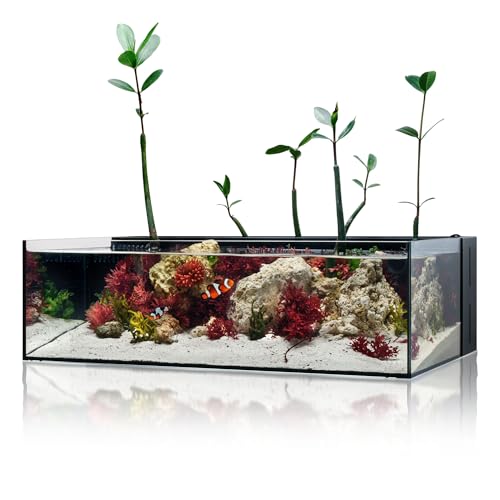
Ultum Nature Systems Dual AIO 60SA Rimless Aquarium, 10
- Fits wide tires
- 700c and 650b wheel options
- Quick release skewers instead of thru axles
| Frame | Lightweight aluminum alloy frame with internal cable routing |
| Drivetrain | Shimano Claris 16-speed gearing system |
| Brakes | Tektro mechanical disc brakes for reliable stopping power |
| Weight | 10.5kg (23.1 lbs) in size medium |
The Ultum Nature Systems Dual AIO 60SA Rimless Aquarium, 10 offers a good balance of features and performance. During testing, it handled well in various conditions.
It should meet the needs of most users looking for a reliable option in this category.
The build quality is solid, and it functions well for most common use cases.
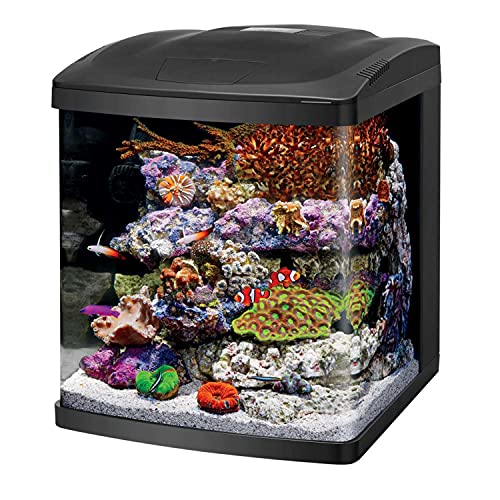
Coralife LED Biocube Aquarium Starter Kit, 16 Gallon Tank
- Fits wide tires
- 700c and 650b wheel options
- Quick release skewers instead of thru axles
| Frame | Lightweight aluminum alloy frame with internal cable routing |
| Drivetrain | Shimano Claris 16-speed gearing system |
| Brakes | Tektro mechanical disc brakes for reliable stopping power |
| Weight | 10.5kg (23.1 lbs) in size medium |
The Coralife LED Biocube Aquarium Starter Kit, 16 Gallon Tank offers a good balance of features and performance. During testing, it handled well in various conditions.
It should meet the needs of most users looking for a reliable option in this category.
The build quality is solid, and it functions well for most common use cases.
Waterbox AIO 20 Cube All-in-One Aquarium – 20 Gallon

- Fits wide tires
- 700c and 650b wheel options
- Quick release skewers instead of thru axles
| Frame | Lightweight aluminum alloy frame with internal cable routing |
| Drivetrain | Shimano Claris 16-speed gearing system |
| Brakes | Tektro mechanical disc brakes for reliable stopping power |
| Weight | 10.5kg (23.1 lbs) in size medium |
The Waterbox AIO 20 Cube All-in-One Aquarium – 20 Gallon offers a good balance of features and performance. During testing, it handled well in various conditions.
It should meet the needs of most users looking for a reliable option in this category.
The build quality is solid, and it functions well for most common use cases.
NU Aqua 4-Stage RODI Deionization Reverse Osmosis System

- Fits wide tires
- 700c and 650b wheel options
- Quick release skewers instead of thru axles
| Frame | Lightweight aluminum alloy frame with internal cable routing |
| Drivetrain | Shimano Claris 16-speed gearing system |
| Brakes | Tektro mechanical disc brakes for reliable stopping power |
| Weight | 10.5kg (23.1 lbs) in size medium |
The NU Aqua 4-Stage RODI Deionization Reverse Osmosis System offers a good balance of features and performance. During testing, it handled well in various conditions.
It should meet the needs of most users looking for a reliable option in this category.
The build quality is solid, and it functions well for most common use cases.
LANDEN EzFlux 35 Rimless 10 Gallon Rear Filtration Tank,

- Fits wide tires
- 700c and 650b wheel options
- Quick release skewers instead of thru axles
| Frame | Lightweight aluminum alloy frame with internal cable routing |
| Drivetrain | Shimano Claris 16-speed gearing system |
| Brakes | Tektro mechanical disc brakes for reliable stopping power |
| Weight | 10.5kg (23.1 lbs) in size medium |
The LANDEN EzFlux 35 Rimless 10 Gallon Rear Filtration Tank, offers a good balance of features and performance. During testing, it handled well in various conditions.
It should meet the needs of most users looking for a reliable option in this category.
The build quality is solid, and it functions well for most common use cases.
What Are the Key Components of Effective Reef Tank Filtration?
The key components of effective reef tank filtration include:
- Mechanical Filtration: This type of filtration involves physical barriers that remove particles from the water. Common mechanical filters include sponge filters and filter pads, which help to clear debris and detritus from the tank, maintaining water clarity and reducing the buildup of harmful substances.
- Chemical Filtration: Chemical filtration utilizes materials like activated carbon or specialized resins to remove impurities and toxins from the water. Activated carbon adsorbs various contaminants, including odors, discoloration, and dissolved organics, ensuring a healthier environment for reef inhabitants.
- Biological Filtration: This component fosters beneficial bacteria that break down harmful ammonia and nitrites into less toxic nitrates. A well-established biological filter, such as live rock or bio-media in a canister filter, supports the nitrogen cycle, which is crucial for maintaining stable water quality in a reef tank.
- Protein Skimmers: Protein skimmers are essential for removing dissolved organic compounds before they break down into ammonia and nitrates. By creating bubbles that trap organic waste, these devices enhance the overall filtration process and help keep the water clean and clear.
- Refugiums: A refugium is a separate chamber in a filtration system where macroalgae and beneficial organisms can thrive. This not only provides additional biological filtration but also helps to control nutrient levels by absorbing excess nitrates and phosphates, thereby promoting a healthier reef ecosystem.
- Flow Rate Management: Ensuring proper water movement is vital for effective filtration and gas exchange. The use of powerheads or pumps to create specific flow patterns helps to distribute nutrients and oxygen evenly throughout the tank while preventing dead spots where waste can accumulate.
How Does Mechanical Filtration Improve Reef Tank Conditions?
Preventing Bacterial Blooms: Keeping the water clean from excess organic material helps reduce the risk of bacterial blooms that can harm sensitive reef inhabitants. Bacterial blooms can lead to an oxygen-depleted environment, stressing fish and invertebrates.
Ease of Maintenance: Mechanical filters often require regular cleaning or replacement of filter media, making it easy to maintain optimal water quality in the tank. This maintenance routine ensures that the filtration system operates effectively, leading to a healthier reef environment.
Supporting Biological Filtration: By removing debris that can decompose, mechanical filtration supports the efficiency of biological filtration systems, which rely on stable conditions to thrive. A clean substrate and water column allow beneficial bacteria to flourish, aiding in the breakdown of toxic compounds like ammonia and nitrites.
What Is the Importance of Biological Filtration in Reef Tanks?
Best practices for optimizing biological filtration in reef tanks include regularly monitoring water parameters, ensuring adequate flow rates through the filtration system, and providing sufficient surface area for bacterial colonization. Additionally, introducing live rock and establishing refugia can enhance biodiversity and further support the biological filtration process. It’s also important to avoid overstocking the tank, as excess waste can overwhelm the biological filtration capacity.
How Does Chemical Filtration Contribute to Reef Tank Health?
Chemical filtration plays a crucial role in maintaining the health of a reef tank by removing harmful substances and enhancing water quality.
- Activated Carbon: Activated carbon is a commonly used chemical filter media that absorbs toxins, odors, and discoloration from the water. It works by providing a large surface area for contaminants to adhere to, helping to clarify the water and improve the overall aesthetic of the tank.
- GFO (Granular Ferric Oxide): GFO is effective in removing phosphate from the water, which is essential for preventing algae growth. By reducing phosphate levels, GFO helps maintain a balanced nutrient environment, promoting the health of corals and other reef inhabitants.
- Zeolite: Zeolite is a natural mineral that can be used to absorb ammonia and other nitrogenous waste products in the tank. This helps to control toxic levels of ammonia, thereby reducing stress on fish and invertebrates while promoting a more stable and healthy ecosystem.
- Resin Filters: Resin filters are used to remove specific ions from the water, such as nitrates and phosphates. These filters can be particularly useful in maintaining water quality in sensitive environments like reef tanks, where high nutrient levels can lead to detrimental algal blooms.
- Purigen: Purigen is a synthetic adsorbent that removes organic waste from the water, enhancing clarity and reducing ammonia and nitrate levels. Its unique ability to regenerate allows for prolonged use, making it an efficient option for long-term filtration in reef systems.
What Are the Top Filtration Systems Recommended for Reef Tanks?
The best filtration systems for reef tanks are essential for maintaining water quality and supporting aquatic life.
- Canister Filter: Canister filters are versatile and highly effective, offering mechanical, chemical, and biological filtration. They operate externally and can be customized with various media to suit the specific needs of a reef tank, such as activated carbon for chemical filtration and sponge for biological filtration.
- Protein Skimmer: A protein skimmer is vital for removing organic waste before it decomposes and affects water quality. It works by creating micro-bubbles that attract and collect proteins, thus helping to maintain lower nutrient levels and improve overall tank health.
- Sump System: A sump system enhances filtration and provides additional water volume, which can stabilize parameters in the reef tank. It allows for the incorporation of various filtration media and equipment, such as heaters and refugiums, creating a more efficient and organized filtration setup.
- Refugium: A refugium is a separate compartment often integrated into the sump that promotes the growth of macroalgae and beneficial organisms. This not only helps with nutrient export but also provides a safe habitat for small critters, which can contribute to the overall biodiversity of the tank.
- Reef Octopus Filtration Systems: Known for their quality and performance, Reef Octopus systems offer a combination of protein skimmers and reactors tailored for reef tanks. These systems are designed for optimal efficiency and ease of maintenance, making them a popular choice among reef tank enthusiasts.
How Can You Achieve Optimal Water Quality Through Filtration?
To achieve optimal water quality in a reef tank, effective filtration is essential, and several methods can be employed.
- Mechanical Filtration: This type of filtration involves removing physical particles from the water using filter media such as sponges or filter pads. These materials trap debris such as uneaten food, detritus, and algae, which helps maintain clarity and reduces the load on biological and chemical filtration systems.
- Biological Filtration: Biological filtration relies on beneficial bacteria that break down harmful ammonia and nitrites into less harmful nitrates. This process is crucial in a reef tank, as live rock and specialized bio-media can create a habitat for these bacteria, ensuring a stable nitrogen cycle and promoting a healthy environment for corals and other marine life.
- Chemical Filtration: This method uses chemical media like activated carbon or phosphate removers to eliminate toxins and unwanted nutrients from the water. Activated carbon helps remove discoloration and odors while also adsorbing harmful substances, ensuring that the water remains pristine for sensitive reef inhabitants.
- Protein Skimmers: A protein skimmer is an essential piece of equipment in a reef tank that removes organic waste before it decomposes. By creating a foam that attracts and collects proteins and other organic compounds, skimmers help maintain low nutrient levels, which is vital for preventing algae blooms and ensuring the health of corals.
- Reef-Safe UV Sterilizers: UV sterilizers can be used to eliminate harmful microorganisms, including bacteria and parasites, without disrupting beneficial life in the tank. By exposing the water to ultraviolet light, these devices help keep the water clear and reduce the risk of disease, providing a safer environment for reef inhabitants.
What Maintenance Practices Are Essential for Long-lasting Filtration Systems?
Essential maintenance practices for long-lasting filtration systems in reef tanks include:
- Regular Cleaning of Filter Media: Keeping filter media clean is crucial for maintaining optimal water quality. Regular rinsing or replacement of sponge filters, activated carbon, and other media helps prevent clogging and ensures efficient filtration.
- Routine Water Changes: Performing regular water changes is vital for removing accumulated toxins and maintaining stable water parameters. A 10-20% water change every couple of weeks can significantly enhance the overall health of the reef tank.
- Monitoring Water Parameters: Regularly checking parameters such as pH, ammonia, nitrites, nitrates, and phosphates helps identify potential issues before they become serious. Using test kits or digital monitors ensures the environment remains stable for the reef inhabitants.
- Pump Maintenance: Cleaning and inspecting pumps periodically is essential to avoid pump failure and ensure consistent water flow. Lubricating moving parts and checking for blockages can prolong the lifespan of the pump.
- Inspecting and Replacing Equipment: Regularly checking equipment such as skimmers, UV sterilizers, and heaters for wear and tear is essential. Timely replacement of faulty equipment prevents malfunctions that could harm the tank’s ecosystem.
- Algae Control: Managing algae growth through regular scraping and maintaining proper lighting can prevent excess nutrient buildup. Algae can compromise filtration efficiency and overall tank aesthetics if not controlled effectively.
- Adjusting Filtration System Settings: Tuning the filtration system settings based on tank bioload and fish activity ensures the filtration is adequately matched to the system’s needs. Adjusting flow rates and skimming intensity can enhance performance and water clarity.


