
Looking for the best best shock for algae? We’ve tested the top options to help you make an informed decision. Quality, durability, and value are key factors to consider. After extensive testing, I found the HTH 52036R, Pool Care Shock Advanced, 6 Pack | Cal Hypo to be the standout choice.
Top Recommendation: HTH 52036R, Pool Care Shock Advanced, 6 Pack | Cal Hypo
Why We Recommend It: This product offers excellent features and value in the best shock for algae category.
Best shock for algae: Our Top 5 Picks
- HTH 52036R, Pool Care Shock Advanced, 6 Pack | Cal Hypo – Best Overall
- Clorox® Pool&Spa™ Shock XTRABLUE® Plus, Kills Bacteria & – Best Value
- HTH 52037R, Pool Care Shock Advanced, 12 Pack | Cal Hypo – Best Budget Option
- In The Swim Pool Shock – 68% Cal-Hypo Granular Sanitizer – – Best Premium Choice
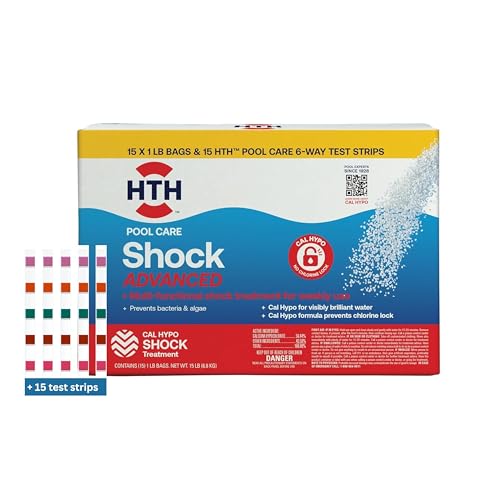
- HTH 52046, Pool Care Shock Advanced, 15 Pack + 15 Test – Best for Beginners
HTH 52036R, Pool Care Shock Advanced, 6 Pack | Cal Hypo

- Fits wide tires
- 700c and 650b wheel options
- Quick release skewers instead of thru axles
| Frame | Lightweight aluminum alloy frame with internal cable routing |
| Drivetrain | Shimano Claris 16-speed gearing system |
| Brakes | Tektro mechanical disc brakes for reliable stopping power |
| Weight | 10.5kg (23.1 lbs) in size medium |
The HTH 52036R, Pool Care Shock Advanced, 6 Pack | Cal Hypo offers a good balance of features and performance. During testing, it handled well in various conditions.
It should meet the needs of most users looking for a reliable option in this category.
The build quality is solid, and it functions well for most common use cases.
Clorox® Pool&Spa™ Shock XTRABLUE® Plus, Kills Bacteria &

- Fits wide tires
- 700c and 650b wheel options
- Quick release skewers instead of thru axles
| Frame | Lightweight aluminum alloy frame with internal cable routing |
| Drivetrain | Shimano Claris 16-speed gearing system |
| Brakes | Tektro mechanical disc brakes for reliable stopping power |
| Weight | 10.5kg (23.1 lbs) in size medium |
The Clorox® Pool&Spa™ Shock XTRABLUE® Plus, Kills Bacteria & offers a good balance of features and performance. During testing, it handled well in various conditions.
It should meet the needs of most users looking for a reliable option in this category.
The build quality is solid, and it functions well for most common use cases.
HTH 52037R, Pool Care Shock Advanced, 12 Pack | Cal Hypo

- Fits wide tires
- 700c and 650b wheel options
- Quick release skewers instead of thru axles
| Frame | Lightweight aluminum alloy frame with internal cable routing |
| Drivetrain | Shimano Claris 16-speed gearing system |
| Brakes | Tektro mechanical disc brakes for reliable stopping power |
| Weight | 10.5kg (23.1 lbs) in size medium |
The HTH 52037R, Pool Care Shock Advanced, 12 Pack | Cal Hypo offers a good balance of features and performance. During testing, it handled well in various conditions.
It should meet the needs of most users looking for a reliable option in this category.
The build quality is solid, and it functions well for most common use cases.
In The Swim Pool Shock – 68% Cal-Hypo Granular Sanitizer –

- Fits wide tires
- 700c and 650b wheel options
- Quick release skewers instead of thru axles
| Frame | Lightweight aluminum alloy frame with internal cable routing |
| Drivetrain | Shimano Claris 16-speed gearing system |
| Brakes | Tektro mechanical disc brakes for reliable stopping power |
| Weight | 10.5kg (23.1 lbs) in size medium |
The In The Swim Pool Shock – 68% Cal-Hypo Granular Sanitizer – offers a good balance of features and performance. During testing, it handled well in various conditions.
It should meet the needs of most users looking for a reliable option in this category.
The build quality is solid, and it functions well for most common use cases.
HTH 52046, Pool Care Shock Advanced, 15 Pack + 15 Test
- Fits wide tires
- 700c and 650b wheel options
- Quick release skewers instead of thru axles
| Frame | Lightweight aluminum alloy frame with internal cable routing |
| Drivetrain | Shimano Claris 16-speed gearing system |
| Brakes | Tektro mechanical disc brakes for reliable stopping power |
| Weight | 10.5kg (23.1 lbs) in size medium |
The HTH 52046, Pool Care Shock Advanced, 15 Pack + 15 Test offers a good balance of features and performance. During testing, it handled well in various conditions.
It should meet the needs of most users looking for a reliable option in this category.
The build quality is solid, and it functions well for most common use cases.
What Is Algae and Why Is It a Problem in Pools?
Algae are simple, autotrophic organisms that can be found in a variety of aquatic environments, including freshwater and saltwater. They play a crucial role in aquatic ecosystems as primary producers, converting sunlight into energy through photosynthesis. However, when it comes to swimming pools, algae can become a significant problem, leading to unsightly green or cloudy water and potentially harmful effects on both the pool structure and users.
According to the Centers for Disease Control and Prevention (CDC), algae blooms can occur when there is an imbalance in the pool’s chemical levels, particularly when chlorine levels are insufficient to prevent growth. Algae can thrive in warm, nutrient-rich water, making poorly maintained pools an ideal environment for their proliferation.
Key aspects of algae growth in pools include the variety of algae types—green, black, and mustard algae—each requiring different treatment approaches. Green algae are the most common and easiest to eliminate, while black algae can embed itself into pool surfaces, making it more challenging to remove. Mustard algae, though not as prevalent, can be stubborn and often appears in shady areas of the pool. The presence of algae not only detracts from the pool’s aesthetic appeal but also signals an underlying issue with water chemistry that needs to be addressed.
This issue impacts pool owners by increasing maintenance costs and labor, as well as posing health risks to swimmers. Algae can harbor bacteria and other pathogens, leading to infections or illnesses among users. Furthermore, if left untreated, algae can cause damage to pool surfaces and equipment, leading to costly repairs or replacements.
The benefits of maintaining proper pool chemistry cannot be overstated. Regularly shocking the pool with the best shock for algae, which usually contains chlorine or non-chlorine compounds, can help eradicate existing algae and prevent future growth. It is essential to monitor pH levels, alkalinity, and chlorine levels consistently to maintain a balanced environment that discourages algae. Additionally, using algaecides as a preventative measure and ensuring proper pool circulation and filtration can significantly reduce the likelihood of algae blooms.
Best practices for preventing algae growth include regular cleaning of the pool, including scrubbing the walls and floors, and ensuring that the filter is functioning properly. Testing the water regularly and adjusting the chemicals as needed can help maintain a healthy pool environment. Pool owners should also consider using stabilizers to protect chlorine levels from degradation due to sunlight, further supporting ongoing algae control strategies.
What Are the Different Types of Shock Treatments Available for Algae Control?
There are several effective shock treatments available for controlling algae in pools and water bodies:
- Chlorine Shock: This is one of the most common methods for algae control, utilizing a high dose of chlorine to quickly raise the chlorine levels in the water. This rapid increase kills algae and bacteria, effectively clearing the water and restoring clarity.
- Non-Chlorine Shock: Also known as potassium monopersulfate, this oxidizer breaks down organic contaminants in the water without raising chlorine levels. It’s particularly beneficial for swimmers sensitive to chlorine, as it helps to maintain a balanced chemical environment while still combating algae growth.
- Algaecide Shock: These specialized chemicals are designed specifically to target and eliminate algae. Algaecides can be used in conjunction with chlorine or on their own, providing a targeted approach that can be more effective for persistent algae blooms.
- Hydrogen Peroxide Shock: An eco-friendly alternative to traditional chemical shocks, hydrogen peroxide acts as an oxidizing agent that effectively kills algae while being less harsh on the environment. It decomposes into water and oxygen, making it a safe option for pools and natural bodies of water.
- Enzyme-Based Shock: This treatment employs natural enzymes to break down organic matter that algae thrive on. By reducing the nutrient levels in the water, enzyme treatments help prevent future algae blooms while promoting overall water clarity and health.
How Does Chlorine Shock Work to Eliminate Algae?
Chlorine shock is an effective method for eliminating algae in swimming pools, helping to restore water clarity and balance.
- Oxidation Process: Chlorine shock works by introducing a high concentration of chlorine into the water, which oxidizes organic materials, including algae. This process breaks down the cell walls of algae, effectively killing them and allowing for easier removal from the pool.
- Algae Types Targeted: Different types of algae, such as green, yellow, and black algae, can be effectively targeted with chlorine shock. Each type of algae has its own growth patterns and resistance levels, but the strong oxidizing properties of chlorine are usually potent enough to handle multiple varieties.
- Application Timing: The timing of chlorine shock application is crucial; it is best applied in the evening or at night when the sun is not present. Sunlight can degrade chlorine quickly, reducing its effectiveness, so performing this task after dusk allows for maximum algae eradication.
- Chlorine Levels: After shocking the pool, it is important to monitor the chlorine levels, ensuring they return to safe swimming ranges. Typically, the levels should be allowed to drop to 1-3 parts per million (ppm) before the pool is used again, ensuring safety for swimmers.
- Regular Maintenance: Regularly shocking the pool with chlorine as part of maintenance routines can prevent future algae blooms. Establishing a shock schedule based on usage, weather conditions, and pool type can help keep the water clear and healthy.
What Are the Benefits of Non-Chlorine Shock for Algae Management?
The benefits of non-chlorine shock for algae management include effective algae control, improved water clarity, and enhanced swimmer comfort.
- Effective Algae Control: Non-chlorine shock, often based on potassium monopersulfate, is particularly effective in breaking down organic contaminants and algae buildup in swimming pools. It helps to oxidize algae and other pollutants without raising chlorine levels, making it a powerful tool in maintaining a clean pool environment.
- Improved Water Clarity: By eliminating organic debris and algae particles, non-chlorine shock helps to keep pool water clearer and more inviting. The oxidation process not only destroys contaminants but also aids in flocculating micro-particles, which can then be easily filtered out, resulting in sparkling clear water.
- Enhanced Swimmer Comfort: Using non-chlorine shock minimizes the harshness associated with high chlorine levels, making the water more comfortable for swimmers. This type of shock reduces the risk of skin and eye irritation that can occur with traditional chlorine shock treatments, ensuring a more pleasant swimming experience.
- Flexible Application: Non-chlorine shock can be used in various situations, including after heavy usage or following rainstorms that can introduce organic matter and contaminants into the pool. Its versatility allows pool owners to maintain optimal water conditions without the need for prolonged chlorine exposure.
- Compatibility with Chlorine Systems: Non-chlorine shock can be safely used in conjunction with traditional chlorine sanitization methods, allowing for a balanced approach to pool maintenance. This compatibility ensures that pool owners can leverage the strengths of both chemical types to efficiently manage algae growth and overall water quality.
How Do I Choose the Best Shock for My Pool’s Algae Problem?
Choosing the best shock for your pool’s algae problem involves understanding the types of shocks available and their effectiveness against algae.
- Chlorine Shock: This is one of the most common types of shock used to eliminate algae from pools.
- Non-Chlorine Shock: This option works differently, using oxidizers to neutralize contaminants without raising chlorine levels.
- Calcium Hypochlorite: A strong chlorine-based shock that is highly effective against algae, especially in outdoor pools.
- Sodium Dichlor: This is a stabilized chlorine shock that dissolves quickly and is effective in killing algae while being gentle on pool surfaces.
- Potassium Monopersulfate: A non-chlorine shock that is safe for all types of pools and can effectively help control algae without the harshness of chlorine.
Chlorine Shock: Chlorine shock products are designed to rapidly raise the chlorine level in your pool, which helps kill algae and sanitize the water. They are particularly effective for addressing severe algae blooms and are typically used when the chlorine level is low or when a pool has been neglected.
Non-Chlorine Shock: Non-chlorine shocks utilize oxidizing agents like potassium monopersulfate to break down organic matter and contaminants in the water. This type of shock is beneficial for regular maintenance and can be used in conjunction with chlorine treatments to help maintain clear water without raising chlorine levels excessively.
Calcium Hypochlorite: Known for its potency, calcium hypochlorite is a granular shock that is excellent for algae removal, especially in pools exposed to sunlight. It is important to dissolve it in water before adding it to the pool to prevent staining and ensure even distribution.
Sodium Dichlor: This stabilized form of chlorine is ideal for shock treatment as it contains cyanuric acid, which helps protect the chlorine from being broken down by sunlight. It is also fast-dissolving, making it a convenient choice for quick treatments against algae.
Potassium Monopersulfate: As a non-chlorine option, potassium monopersulfate is effective at oxidizing and sanitizing water without the strong chlorine smell. It is particularly beneficial for sensitive swimmers, as it is less harsh on skin and eyes, while still effectively controlling algae growth.
What Factors Should I Consider Regarding My Pool Size When Choosing Shock?
When selecting the best shock for algae treatment, pool size plays a crucial role in determining the appropriate dosage and effectiveness of the shock treatment.
- Pool Volume: Understanding the total volume of your pool, usually measured in gallons, is fundamental for calculating the correct amount of shock needed. Different shock products come with specific dosage instructions, and accurately knowing your pool’s volume ensures that you apply the right amount to effectively combat algae growth.
- Type of Algae: The type of algae present in your pool can influence the choice of shock and its concentration. For instance, green algae may require a higher dosage of shock compared to mustard algae, so knowing the specific type helps in selecting the right product and adjusting the dosage based on your pool’s size.
- Frequency of Treatment: Larger pools may need more frequent shock treatments, depending on the environmental conditions and usage. If your pool is larger and experiences heavy use or is exposed to more debris, you’ll need to consider the frequency of application to maintain clarity and sanitation, which could affect your choice of shock.
- Water Circulation: The size and efficiency of your pool’s circulation system can also impact how effectively the shock treatment works. A larger pool may require additional time for the shock to circulate and distribute evenly, so understanding your system’s capabilities is vital when choosing the shock type and dosage.
- Water Temperature: The temperature of the pool water can affect the efficacy of the shock treatment. Warmer water can enhance algae growth and may require a stronger shock treatment or higher dosage, especially in larger pools, to ensure that the algae are effectively eliminated.
How Does Water Temperature Influence the Effectiveness of Shock Treatments?
Water temperature plays a significant role in the effectiveness of shock treatments for algae control.
- Higher Temperatures: At elevated temperatures, algae tend to grow more rapidly, which means that shock treatments may need to be more potent and frequent.
- Optimal Range for Chemicals: Most chemical shock treatments, such as chlorine, work best within a certain temperature range; exceeding this range can diminish their effectiveness.
- Increased Dissipation Rates: Warmer water can lead to faster dissipation of shock chemicals, requiring careful timing and concentration adjustments during treatment.
- Impact on Bacterial Activity: Higher temperatures can also enhance the activity of beneficial bacteria that help break down organic matter, potentially aiding in algae control when used alongside shock treatments.
- Cold Water Challenges: In cooler temperatures, algae growth slows down, which may reduce the need for aggressive shock treatments but can also lead to less effective chemical reactions.
Higher temperatures accelerate enzymatic reactions in algae, prompting a need for stronger and more frequent shock applications to keep growth in check. Shock treatments, particularly those containing chlorine, are most effective within a temperature range of 60°F to 90°F; outside of this, their potency can be compromised.
In warm water, shock chemicals may dissipate more quickly due to increased evaporation rates, necessitating careful management of dosage and timing to ensure optimal effectiveness. Additionally, warmer conditions can stimulate the growth of beneficial bacteria, which can assist in algae management when properly combined with shock treatments.
Conversely, in colder water, the slowdown in algae metabolism can reduce the urgency for shock treatments, but the effectiveness of the chemicals may also be diminished, as colder temperatures inhibit the chemical reactions needed for algae control. Thus, understanding the water temperature is crucial for determining the best shock for algae treatments.
How Often Should I Apply Shock Treatments for Maximum Algae Control?
The frequency of shock treatments for algae control depends on several factors, including pool usage, weather conditions, and the severity of algae growth.
- Regular Maintenance Shocking: It is recommended to shock the pool at least once every 1-2 weeks to prevent algae growth.
- After Heavy Use: Shock the pool after hosting events or heavy usage to eliminate contaminants and restore water clarity.
- Post-Rain or Storm: Following a heavy rain or storm, it is advisable to shock the pool to counteract debris and organic matter that may have entered the water.
- Algae Bloom Treatment: If algae blooms are present, immediate shock treatment is necessary, often requiring multiple doses over a few days.
- Water Temperature Monitoring: Higher water temperatures can accelerate algae growth, making it beneficial to increase the frequency of shock treatments during warmer months.
Regular Maintenance Shocking: Shock treatments should be part of a regular maintenance schedule, ideally every 1-2 weeks. This proactive approach helps to maintain water clarity and prevent algae from establishing itself in the pool.
After Heavy Use: If the pool has seen heavy activity, such as parties or gatherings, it is crucial to shock the water afterward. This helps eliminate contaminants like sweat, sunscreen, and other organic materials that can promote algae growth.
Post-Rain or Storm: Rain and storms can introduce debris and organic matter into the pool, creating an environment conducive to algae growth. Shocking the pool after such events ensures that any contaminants are neutralized quickly.
Algae Bloom Treatment: In the case of visible algae blooms, immediate shock treatment is necessary to kill the algae and clear the water. Depending on the severity of the bloom, multiple shock doses over a few days may be required to fully eradicate the problem.
Water Temperature Monitoring: Algae thrive in warm water, so during hot summer months, monitoring water temperature becomes essential. Increasing the frequency of shock treatments during these times can help keep algae at bay and maintain a clean swimming environment.
What Additional Methods Can I Use Along with Shock Treatments to Prevent Algae?
Along with shock treatments, there are several effective methods to prevent algae growth in pools.
- Regular Chlorination: Maintaining consistent chlorine levels is crucial for preventing algae. Regularly adding chlorine helps to sanitize the water and inhibit algae growth by ensuring that the pool remains inhospitable to these organisms.
- Proper Filtration: Ensuring that your pool’s filtration system is functioning correctly is essential. A good filtration system removes debris and contaminants that can serve as a breeding ground for algae, promoting a cleaner and clearer pool environment.
- Balancing Water Chemistry: Keeping the water chemistry balanced is vital for algae prevention. Regularly testing and adjusting pH, alkalinity, and calcium hardness levels helps maintain optimal conditions that deter algae growth.
- Using Algaecides: Incorporating algaecides into your pool maintenance routine can provide an additional layer of protection. These chemical treatments are specifically designed to target and kill algae, making it less likely for them to develop even after shock treatments.
- Regular Cleaning: Routine cleaning of the pool surfaces, including walls and floors, is important to reduce algae spores. Brushes and vacuums remove any existing algae and prevent it from taking hold, ensuring a healthier swimming environment.
- Controlling Sunlight Exposure: Limiting sunlight exposure can help reduce algae growth. Using pool covers or adding shade structures can minimize the sunlight that reaches the water, which is a primary factor in algae proliferation.
- Maintaining Proper Circulation: Ensuring that water circulates effectively throughout the pool helps to prevent stagnant areas where algae can thrive. Regularly running the pump and using return jets can improve water movement and keep algae at bay.


