
Looking for the best best silicon for aquariums? We’ve tested the top options to help you make an informed decision. Quality, durability, and value are key factors to consider. After extensive testing, I found the SELSIL Aquarium Silicone Clear Sealant – High Elasticity, to be the standout choice.
Top Recommendation: SELSIL Aquarium Silicone Clear Sealant – High Elasticity,
Why We Recommend It: This product offers excellent features and value in the best silicon for aquariums category.
Best silicon for aquariums: Our Top 5 Picks
- SELSIL Aquarium Silicone Clear Sealant – High Elasticity, – Best Overall
- 4 Pack Aquarium Silicone Clear Sealant, High Elasticity, – Best Value
- Novique Aquarium Silicone Sealant Fish Tank Clear Sealant – Best Budget Option
- 1 Pack Aquarium Silicone Clear Sealant, High Elasticity, – Best Premium Choice
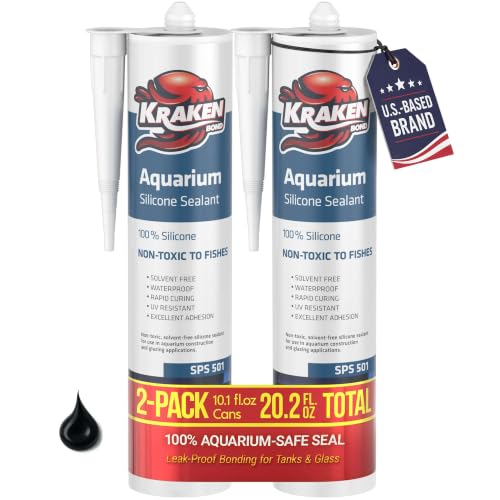
- Kraken Bond Black Aquarium Silicone Sealant – 100% – Best for Beginners
SELSIL Aquarium Silicone Clear Sealant – High Elasticity,

- Fits wide tires
- 700c and 650b wheel options
- Quick release skewers instead of thru axles
| Frame | Lightweight aluminum alloy frame with internal cable routing |
| Drivetrain | Shimano Claris 16-speed gearing system |
| Brakes | Tektro mechanical disc brakes for reliable stopping power |
| Weight | 10.5kg (23.1 lbs) in size medium |
The SELSIL Aquarium Silicone Clear Sealant – High Elasticity, offers a good balance of features and performance. During testing, it handled well in various conditions.
It should meet the needs of most users looking for a reliable option in this category.
The build quality is solid, and it functions well for most common use cases.
4 Pack Aquarium Silicone Clear Sealant, High Elasticity,

- Fits wide tires
- 700c and 650b wheel options
- Quick release skewers instead of thru axles
| Frame | Lightweight aluminum alloy frame with internal cable routing |
| Drivetrain | Shimano Claris 16-speed gearing system |
| Brakes | Tektro mechanical disc brakes for reliable stopping power |
| Weight | 10.5kg (23.1 lbs) in size medium |
The 4 Pack Aquarium Silicone Clear Sealant, High Elasticity, offers a good balance of features and performance. During testing, it handled well in various conditions.
It should meet the needs of most users looking for a reliable option in this category.
The build quality is solid, and it functions well for most common use cases.
Novique Aquarium Silicone Sealant Fish Tank Clear Sealant

- Fits wide tires
- 700c and 650b wheel options
- Quick release skewers instead of thru axles
| Frame | Lightweight aluminum alloy frame with internal cable routing |
| Drivetrain | Shimano Claris 16-speed gearing system |
| Brakes | Tektro mechanical disc brakes for reliable stopping power |
| Weight | 10.5kg (23.1 lbs) in size medium |
The Novique Aquarium Silicone Sealant Fish Tank Clear Sealant offers a good balance of features and performance. During testing, it handled well in various conditions.
It should meet the needs of most users looking for a reliable option in this category.
The build quality is solid, and it functions well for most common use cases.
1 Pack Aquarium Silicone Clear Sealant, High Elasticity,

- Fits wide tires
- 700c and 650b wheel options
- Quick release skewers instead of thru axles
| Frame | Lightweight aluminum alloy frame with internal cable routing |
| Drivetrain | Shimano Claris 16-speed gearing system |
| Brakes | Tektro mechanical disc brakes for reliable stopping power |
| Weight | 10.5kg (23.1 lbs) in size medium |
The 1 Pack Aquarium Silicone Clear Sealant, High Elasticity, offers a good balance of features and performance. During testing, it handled well in various conditions.
It should meet the needs of most users looking for a reliable option in this category.
The build quality is solid, and it functions well for most common use cases.
Kraken Bond Black Aquarium Silicone Sealant – 100%
- Fits wide tires
- 700c and 650b wheel options
- Quick release skewers instead of thru axles
| Frame | Lightweight aluminum alloy frame with internal cable routing |
| Drivetrain | Shimano Claris 16-speed gearing system |
| Brakes | Tektro mechanical disc brakes for reliable stopping power |
| Weight | 10.5kg (23.1 lbs) in size medium |
The Kraken Bond Black Aquarium Silicone Sealant – 100% offers a good balance of features and performance. During testing, it handled well in various conditions.
It should meet the needs of most users looking for a reliable option in this category.
The build quality is solid, and it functions well for most common use cases.
What Is Silicon and Why Is It Essential for Aquariums?
Silicon is a chemical element with the symbol Si and atomic number 14, primarily known for its role as a semiconductor in electronics; however, it plays a crucial role in aquatic environments, particularly in aquariums. In the context of aquariums, silicon is often used in the form of silicone sealants, which are vital for creating leak-proof seals in aquarium construction and maintenance.
According to the U.S. Geological Survey, silicon is the second most abundant element in Earth’s crust, making it readily available for various industrial and consumer applications, including aquariums. The high flexibility and water resistance properties of silicone make it an ideal choice for aquarium construction, where it is used to bond glass panels and secure various aquarium components.
Key aspects of silicon in aquariums include its chemical stability, non-toxicity, and compatibility with aquatic life. Silicone sealants are specifically designed to be safe for fish and other aquatic organisms, meaning they do not leach harmful chemicals into the water once cured. Additionally, silicone is resistant to mold and mildew, which is essential in the humid and wet environment of an aquarium, helping to maintain the aesthetic and health of the habitat.
This is particularly relevant for aquarium keepers, as the integrity of the tank structure is essential for preventing leaks and maintaining the necessary aquatic environment. A properly sealed aquarium ensures that water levels are stable, which is vital for the health of fish and plant life within the tank. Furthermore, the aesthetic appeal of glass aquariums largely depends on the clear, unobtrusive nature of silicone sealants, allowing for an unobstructed view of the aquatic environment.
Statistics indicate that the global aquarium market is projected to grow significantly, with the demand for quality materials, including silicone sealants, increasing as more hobbyists engage in this activity. The growth of the aquarium industry emphasizes the importance of using the best silicon for aquariums to ensure durability and safety.
To achieve optimal results, it is essential to choose high-quality silicone sealants specifically formulated for aquarium use, such as those that are labeled as “aquarium safe.” Best practices include ensuring that the surface is clean and dry before application, allowing sufficient curing time, and avoiding the use of any sealants that contain anti-fungal agents, which can be harmful to aquatic life. Regular inspections for leaks and maintaining the structural integrity of the aquarium will also contribute to a safe and thriving aquatic environment.
What Types of Silicon Are Suitable for Aquariums?
The best types of silicone for aquariums are specially formulated to ensure safety and durability for aquatic environments.
- Aquarium-Safe Silicone: This type of silicone is specifically designed for use in aquariums and does not contain harmful chemicals.
- 100% Silicone Sealant: This is a versatile option that is completely free of additives, making it safe for aquatic life.
- Silicone for Glass Aquariums: This type is formulated to bond glass effectively, providing a strong and lasting seal for aquarium construction.
- Silicone Adhesive for Aquatic Use: These adhesives are often used for attaching decorations or equipment inside the aquarium and are safe for fish and plants.
Aquarium-Safe Silicone: This silicone is crucial for aquarium setups, as it is non-toxic and specifically engineered to withstand the aquatic environment without leaching harmful substances. It’s ideal for both constructing new tanks and repairing leaks in existing tanks.
100% Silicone Sealant: This sealant is a great choice due to its composition of pure silicone, which ensures that no harmful chemicals are released into the water. Its flexibility and strong adhesive properties make it suitable for various aquarium applications, including sealing edges and joints.
Silicone for Glass Aquariums: Designed specifically for glass bonding, this silicone offers exceptional adhesion and durability, which is essential for the structural integrity of glass aquariums. It is also waterproof and can handle the pressure from the water, ensuring long-lasting performance.
Silicone Adhesive for Aquatic Use: This type of adhesive is particularly useful for securing decorations, plants, and equipment to the aquarium substrate or walls. It is formulated to be safe for fish and other aquatic organisms, ensuring that it won’t affect water quality or fish health.
How Does Aquarium-Safe Silicone Differ from Regular Silicon?
Aquarium-safe silicone differs from regular silicone primarily in its formulation and safety for aquatic life.
- Non-Toxic Ingredients: Aquarium-safe silicone is made with non-toxic materials that do not leach harmful chemicals into the water, ensuring a safe environment for fish and other aquatic organisms.
- Water Resistance: This type of silicone is specifically designed to withstand prolonged exposure to water without degrading, making it ideal for use in submerged applications within aquariums.
- Mildew and Mold Resistance: Aquarium-safe silicone typically contains additives that prevent the growth of mildew and mold, which is crucial in maintaining a clean and healthy aquarium environment.
- Clear and Flexible Finish: Many aquarium-safe silicones are formulated to cure clear, providing an aesthetically pleasing finish while also allowing for flexibility to accommodate the natural movements of aquarium structures.
- Longer Cure Time: Unlike regular silicone, aquarium-safe varieties often have a longer cure time, allowing for better adhesion and sealing without the risk of toxic fumes affecting aquatic life during the curing process.
Is RTV Silicone the Best Choice for Aquariums?
When considering the best silicone for aquariums, RTV silicone is often highlighted for its unique properties and suitability.
- RTV Silicone: RTV (Room Temperature Vulcanizing) silicone is a flexible, durable adhesive that cures at room temperature, making it ideal for aquarium use.
- Non-Toxicity: One of the most important features of RTV silicone is its non-toxic nature, ensuring that it will not leach harmful chemicals into the water, which is crucial for the health of aquatic life.
- Waterproofing: RTV silicone provides excellent waterproofing capabilities, forming a strong bond that can withstand the pressures of water, making it suitable for sealing aquarium seams and repairs.
- Flexibility: This type of silicone remains flexible once cured, allowing it to accommodate movements and changes in temperature without cracking, which is essential in maintaining the integrity of the aquarium structure.
- Adhesion Strength: RTV silicone has strong adhesion properties, ensuring that it sticks well to glass and other materials commonly used in aquariums, providing long-lasting durability.
- Variety of Colors: It comes in a variety of colors, including clear, which allows aquarists to maintain a clean aesthetic while ensuring that the bonding areas are well sealed.
What Features Define High-Quality Aquarium Silicone?
The best silicone for aquariums is defined by several key features that ensure durability and safety for aquatic environments.
- Non-toxic Composition: High-quality aquarium silicone is formulated to be non-toxic, ensuring it doesn’t release harmful chemicals into the water, which can be detrimental to fish and other aquatic life.
- Water Resistance: A good aquarium silicone must exhibit excellent water resistance, allowing it to maintain its adhesion and integrity even when submerged, preventing leaks that could compromise the aquarium’s ecosystem.
- Flexibility and Adhesion: The best silicone offers a balance of flexibility and strong adhesion, enabling it to bond effectively to various surfaces, including glass and acrylic, while also accommodating slight movements without cracking.
- Mold and Mildew Resistance: High-quality silicone is resistant to mold and mildew growth, which is crucial in maintaining a clean and healthy aquarium environment, preventing unsightly and potentially harmful growths.
- UV Resistance: Silicone that is UV resistant helps prevent degradation when exposed to sunlight, making it suitable for both indoor and outdoor aquariums by ensuring longevity and sustained performance.
- Ease of Application: The best silicone for aquariums typically comes in easy-to-use tubes or cartridges, allowing for precise application and a clean finish, which is essential for DIY aquarium setups.
Why Is Curing Time Important for Aquarium Silicone?
Curing time is a critical aspect of using silicone in aquariums, as it directly impacts the effectiveness and safety of the seal. Proper curing allows the silicone to achieve its full strength and flexibility, ensuring a durable bond between the glass panes.
Key reasons that highlight the importance of curing time include:
-
Waterproof Integrity: Silicone that hasn’t fully cured can leak, leading to potential water loss and damage to the aquarium structure. A fully cured seal prevents these issues.
-
Adhesion Quality: Curing allows silicone to bond effectively with both glass and other materials, providing a robust, long-lasting seal that can withstand the pressure of water.
-
Chemical Safety: Many aquarium silicones contain chemicals that need time to off-gas safely. Insufficient curing can release harmful substances into the water, affecting aquatic life.
-
Aesthetic Finish: Properly cured silicone has a smoother finish, enhancing the appearance of the aquarium. Incomplete curing can lead to unsightly bubbles or uneven surfaces.
Allowing for adequate curing time, typically 24 to 48 hours, ensures the longevity and safety of your aquarium setup. Always consult the manufacturer’s recommendations for specific curing times.
What Are the Advantages of Using Silicone in Aquariums?
The advantages of using silicone in aquariums are numerous, primarily due to its durability and flexibility.
- Waterproof Seal: Silicone provides a robust waterproof seal that prevents leaks, ensuring that the aquarium maintains its water level and does not suffer from damage.
- Flexibility and Adhesion: Silicone is flexible, allowing it to expand and contract with temperature changes, while also adhering well to glass and acrylic, which is essential for maintaining the structural integrity of an aquarium.
- Non-Toxicity: High-quality aquarium silicone is non-toxic once cured, making it safe for aquatic life and plants, thus ensuring that it does not harm the inhabitants of the tank.
- Easy Application: Silicone can be easily applied with a caulking gun or tube, allowing for precise and controlled application, which is particularly useful for DIY aquarium projects.
- Durability: Silicone is resistant to mold, mildew, and degradation from water and sunlight, ensuring that seals last for many years without needing replacements.
- Versatile Use: It can be used not only for tank assembly but also for repairing cracks or gaps in existing aquariums, making it a versatile choice for aquarium maintenance.
What Potential Risks Should Fish Keepers Be Aware Of When Using Silicone?
When using silicone in aquariums, fish keepers should be aware of several potential risks:
- Toxic Chemicals: Some silicone products may contain harmful chemicals that can leach into the water, posing a risk to fish and other aquatic life.
- Improper Curing: If not allowed to cure properly, silicone can release fumes or chemicals that are detrimental to fish health.
- Adhesion Issues: Using the wrong type of silicone may lead to poor adhesion, resulting in leaks or structural failures in the aquarium.
- Contamination Risks: Applying silicone in an unclean environment can introduce contaminants that may harm aquatic inhabitants.
- Temperature Sensitivity: Some silicones may not withstand the temperature fluctuations in an aquarium, potentially leading to breakdowns over time.
Toxic chemicals in silicone can vary by brand and formulation, so it’s essential to choose products labeled as aquarium-safe to avoid harming fish and plants.
Improper curing can be a significant issue; silicone typically requires 24-48 hours to cure fully, and during this time, any harmful substances may still be present in the air or water if the aquarium is not properly ventilated.
Adhesion issues arise when using non-aquarium-specific silicone, which may not adhere well to glass or other materials, leading to leaks that can compromise the entire setup.
Contamination risks highlight the importance of a clean work environment; any dust, oils, or residues can prevent proper bonding and introduce harmful substances into the aquarium.
Temperature sensitivity must also be considered; silicone products not designed for aquatic use may degrade or lose integrity when exposed to the consistent moisture and temperature fluctuations found in an aquarium environment.
How Should Silicone Be Applied in Aquarium Setups for Optimal Results?
The best silicone for aquariums should be applied carefully to ensure optimal sealing and safety for aquatic life.
- Choose Aquarium-Safe Silicone: Ensure that the silicone is labeled as aquarium-safe, as many construction silicones contain harmful chemicals that can leach into the water.
- Surface Preparation: Properly clean and dry the surfaces where the silicone will be applied to ensure a strong bond; any dirt or moisture can compromise the seal.
- Application Technique: Use a caulking gun for even application, applying a continuous bead of silicone along the joint, and smoothing it out with a wet finger or tool for a clean finish.
- Curing Time: Allow the silicone to cure fully according to the manufacturer’s instructions, typically 24 to 48 hours, before filling the aquarium to prevent any potential risks to fish and plants.
- Maintenance Checks: Regularly inspect the silicone seals for any signs of wear or damage, and replace or repair as needed to maintain the integrity of the aquarium setup.
Choosing aquarium-safe silicone is crucial as it ensures that no harmful substances will leach into the water, which could endanger fish and other aquatic organisms. Look for products specifically formulated for aquarium use, often labeled as non-toxic or safe for aquatic life.
Surface preparation is a key step in achieving a durable seal. Cleaning the surfaces with isopropyl alcohol or a similar cleaner and ensuring they are completely dry will enhance adhesion and prevent water leakage.
When applying the silicone, using a caulking gun allows for precise control and an even bead, which is essential for effective sealing. Smoothing the silicone with a wet finger helps eliminate air bubbles and creates a more aesthetically pleasing finish.
Curing time is vital; rushing this step can lead to inadequate sealing and potential water leaks. It’s important to follow the manufacturer’s guidelines to ensure that the silicone has fully set before introducing water to the aquarium.
Lastly, regular maintenance checks of the silicone seals are necessary to ensure longevity. Any visible cracks or peeling should be addressed promptly to avoid leaks that could compromise the entire aquarium setup.
Related Post:

