
Looking for the best best size for first fish tank? We’ve tested the top options to help you make an informed decision. Quality, durability, and value are key factors to consider. After extensive testing, I found the My 1st Fish Tank™ : Gen 2, Mini Fish Tank Aquarium Starter to be the standout choice.
Top Recommendation: My 1st Fish Tank™ : Gen 2, Mini Fish Tank Aquarium Starter
Why We Recommend It: This product offers excellent features and value in the best size for first fish tank category.
Best size for first fish tank: Our Top 5 Picks
- My 1st Fish Tank™ : Gen 2, Mini Fish Tank Aquarium Starter – Best Overall
- Vehipa Betta Fish Tank 1 Gal, Acrylic Nano Aquarium Kit – Best Value
- Pawfly 2 Gallon Fish Tank, Ultra Clear Aquarium Starter Kit – Best Budget Option
- AQUASMITH Betta Fish Tank, 2 Gallon All-in-One Aquarium Kit – Best Premium Choice
- SW PRODUCTS 0.8-Gallon Cube Small Fish Tank, Shatterproof – Best for Beginners
My 1st Fish Tank™ : Gen 2, Mini Fish Tank Aquarium Starter

- Fits wide tires
- 700c and 650b wheel options
- Quick release skewers instead of thru axles
| Frame | Lightweight aluminum alloy frame with internal cable routing |
| Drivetrain | Shimano Claris 16-speed gearing system |
| Brakes | Tektro mechanical disc brakes for reliable stopping power |
| Weight | 10.5kg (23.1 lbs) in size medium |
The My 1st Fish Tank™ : Gen 2, Mini Fish Tank Aquarium Starter offers a good balance of features and performance. During testing, it handled well in various conditions.
It should meet the needs of most users looking for a reliable option in this category.
The build quality is solid, and it functions well for most common use cases.
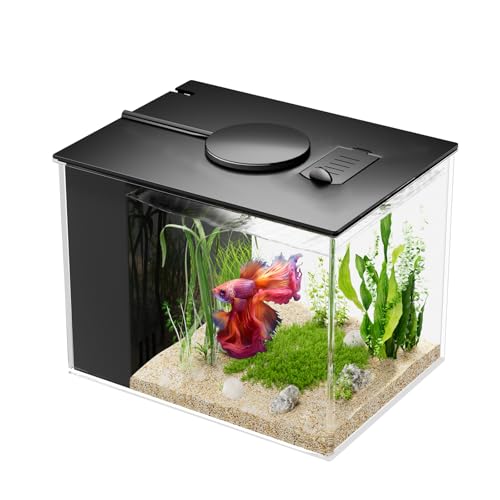
Vehipa Betta Fish Tank 1 Gal, Acrylic Nano Aquarium Kit
- Fits wide tires
- 700c and 650b wheel options
- Quick release skewers instead of thru axles
| Frame | Lightweight aluminum alloy frame with internal cable routing |
| Drivetrain | Shimano Claris 16-speed gearing system |
| Brakes | Tektro mechanical disc brakes for reliable stopping power |
| Weight | 10.5kg (23.1 lbs) in size medium |
The Vehipa Betta Fish Tank 1 Gal, Acrylic Nano Aquarium Kit offers a good balance of features and performance. During testing, it handled well in various conditions.
It should meet the needs of most users looking for a reliable option in this category.
The build quality is solid, and it functions well for most common use cases.
Pawfly 2 Gallon Fish Tank, Ultra Clear Aquarium Starter Kit

- Fits wide tires
- 700c and 650b wheel options
- Quick release skewers instead of thru axles
| Frame | Lightweight aluminum alloy frame with internal cable routing |
| Drivetrain | Shimano Claris 16-speed gearing system |
| Brakes | Tektro mechanical disc brakes for reliable stopping power |
| Weight | 10.5kg (23.1 lbs) in size medium |
The Pawfly 2 Gallon Fish Tank, Ultra Clear Aquarium Starter Kit offers a good balance of features and performance. During testing, it handled well in various conditions.
It should meet the needs of most users looking for a reliable option in this category.
The build quality is solid, and it functions well for most common use cases.
AQUASMITH Betta Fish Tank, 2 Gallon All-in-One Aquarium Kit

- Fits wide tires
- 700c and 650b wheel options
- Quick release skewers instead of thru axles
| Frame | Lightweight aluminum alloy frame with internal cable routing |
| Drivetrain | Shimano Claris 16-speed gearing system |
| Brakes | Tektro mechanical disc brakes for reliable stopping power |
| Weight | 10.5kg (23.1 lbs) in size medium |
The AQUASMITH Betta Fish Tank, 2 Gallon All-in-One Aquarium Kit offers a good balance of features and performance. During testing, it handled well in various conditions.
It should meet the needs of most users looking for a reliable option in this category.
The build quality is solid, and it functions well for most common use cases.
SW PRODUCTS 0.8-Gallon Cube Small Fish Tank, Shatterproof

- Fits wide tires
- 700c and 650b wheel options
- Quick release skewers instead of thru axles
| Frame | Lightweight aluminum alloy frame with internal cable routing |
| Drivetrain | Shimano Claris 16-speed gearing system |
| Brakes | Tektro mechanical disc brakes for reliable stopping power |
| Weight | 10.5kg (23.1 lbs) in size medium |
The SW PRODUCTS 0.8-Gallon Cube Small Fish Tank, Shatterproof offers a good balance of features and performance. During testing, it handled well in various conditions.
It should meet the needs of most users looking for a reliable option in this category.
The build quality is solid, and it functions well for most common use cases.
What is the Best Size for a First Fish Tank?
The benefits of starting with a larger tank include better water quality stability, reduced stress for fish, and greater flexibility in terms of stocking options. Furthermore, having a larger tank can encourage hobbies such as aquascaping, where one designs and decorates the tank environment, contributing to a more fulfilling aquarist experience. Best practices for first-time fish tank owners include investing in a good filtration system, conducting regular water tests, and performing routine maintenance, such as partial water changes, to keep the tank environment optimal.
Ultimately, choosing the best size for a first fish tank can significantly affect the aquarist’s success and enjoyment. By starting with a 20 to 30-gallon tank, beginners can create a stable and healthy environment for their fish, setting the foundation for a rewarding hobby that can grow over time.
What Factors Should You Consider When Choosing a Fish Tank Size?
When selecting the best size for your first fish tank, several important factors should be considered:
- Available Space: Assess the area where you plan to place the tank to ensure it fits comfortably and is accessible for maintenance.
- Type of Fish: Different fish species have varying space requirements; some need more room to thrive than others.
- Water Volume: Larger tanks hold more water, which can stabilize water parameters and provide a healthier environment for fish.
- Maintenance Effort: Smaller tanks may require more frequent maintenance, as water quality can fluctuate more rapidly compared to larger tanks.
- Budget: Consider the cost of the tank itself as well as equipment, decorations, and fish; larger tanks typically require more investment.
- Future Expansion: Think about whether you might want to add more fish or upgrade to a larger tank in the future; starting with a bigger tank can accommodate growth.
Available space is crucial; ensure the tank size complements your home environment without overwhelming it. Measure the dimensions of the intended location and check for nearby outlets for equipment use.
The type of fish you plan to keep also significantly influences tank size; schooling fish and larger species will need more space to swim and establish territories, while some smaller species can thrive in more compact environments.
Water volume is an important consideration, as larger tanks provide a more stable ecosystem. This stability helps maintain consistent water parameters, which is vital for the health of your fish.
Maintenance effort is another key factor; smaller tanks might require more frequent water changes and monitoring due to less water volume, which can lead to quicker changes in water quality.
Your budget will affect your choice of tank size; larger tanks not only cost more initially but also require additional investment in filtration systems, heaters, and other equipment necessary for maintaining a healthy aquarium.
Finally, consider future expansion; if you anticipate wanting to add more fish or change your setup later, starting with a larger tank can save you the hassle of upgrading down the line.
How Many Fish Will You Keep in Your First Tank?
The best size for your first fish tank can significantly impact the success of your aquarium experience.
- 10 Gallons: This size is often recommended for beginners due to its manageable dimensions and the ability to house a small community of fish. A 10-gallon tank provides enough space to maintain stable water parameters while still being compact enough to fit in most living spaces.
- 20 Gallons: A 20-gallon tank offers a greater volume of water, which can help buffer against fluctuations in water parameters and provides more swimming space for the fish. This size allows for a more diverse selection of fish species and can accommodate a small school of fish alongside a few larger species.
- 30 Gallons: With a 30-gallon tank, aquarists gain even more flexibility in stocking choices, enabling them to create a more complex aquatic environment. This size is ideal for keeping a variety of fish and can support more intricate filtration systems, which are essential for maintaining water quality.
- 55 Gallons: A 55-gallon tank is often seen as the entry point for more serious hobbyists, providing ample space for larger fish and a more diverse ecosystem. This size allows for better aesthetic aquascaping and can support a larger bioload, making it suitable for a vibrant community tank.
- 75 Gallons and Above: Tanks of this size are suited for advanced aquarists who want to create a larger biotope or a specialized environment for specific species. While they require more significant initial investment and maintenance, they offer the potential for stunning displays and a wider array of aquatic life.
What Space Do You Have Available for Your Fish Tank?
- 5 Gallon Tank: This is often considered the smallest size suitable for beginners, especially for small fish or shrimp.
- 10 Gallon Tank: A popular choice among first-time fish keepers, it offers more stability in water parameters and is versatile for various species.
- 20 Gallon Tank: Offers a larger space that allows for a greater variety of fish and provides more room for plants and decorations.
- 30 Gallon Tank: This size is great for creating a more complex aquatic environment and supports a wider range of fish and invertebrates.
- 55 Gallon Tank: Ideal for hobbyists looking to maintain larger species or a community tank, but requires more investment in equipment and maintenance.
The 5 Gallon Tank is suitable for very small fish or shrimp and is easy to maintain, but it can be challenging to keep stable water conditions due to its limited volume.
The 10 Gallon Tank strikes a balance between size and manageability; it allows for a few small fish while still being lightweight enough for easy handling and setup.
The 20 Gallon Tank is an excellent choice for beginners wanting a diverse community of fish, as it provides ample space for swimming and hiding places, promoting healthier fish.
The 30 Gallon Tank allows for a more intricate aquascape and can house a wider variety of species, making it a good option for those who want to expand their fish-keeping experience.
The 55 Gallon Tank is perfect for more serious aquarists, offering plenty of room for larger fish and complex ecosystems, but it also necessitates a larger commitment in terms of care and maintenance.
What Are the Common Fish Tank Sizes for Beginners?
The common fish tank sizes that are ideal for beginners typically range from smaller to larger volumes, each offering different advantages.
- 10-gallon tank: This size is often recommended for beginners due to its manageable volume and relatively low cost. It allows for a small community of fish, making it a great starting point for those new to fishkeeping.
- 20-gallon tank: A 20-gallon tank provides more space for fish to swim and establishes a more stable environment, which is crucial for maintaining water quality. This size allows for a wider variety of fish species and makes it easier to create a balanced aquatic ecosystem.
- 30-gallon tank: This size is suitable for beginners who are committed to fishkeeping and want to explore a greater diversity of fish. A 30-gallon tank offers ample swimming space and is less susceptible to fluctuations in water parameters, which can be challenging for novice aquarists.
- 55-gallon tank: While a bit larger, a 55-gallon tank is often recommended for those ready to invest more into the hobby. It supports a larger bioload and provides opportunities for more complex aquascaping and species variety, making it a rewarding choice for dedicated beginners.
What Are the Benefits of Choosing the Right Tank Size for Your Fish?
Choosing the right tank size is crucial for the health and happiness of your fish.
- Water Quality: A larger tank typically has a more stable water chemistry, which is essential for fish health. Smaller tanks can experience rapid fluctuations in temperature and toxin levels, making it harder to maintain a safe environment.
- Fish Growth: Fish need space to grow, and selecting an appropriately sized tank allows them to reach their full potential. A cramped environment can lead to stunted growth and increased stress levels in fish.
- Stocking Options: The right tank size offers flexibility in choosing the number and types of fish you can keep. A larger tank supports a more diverse community, while a smaller one limits your choices and can lead to overcrowding.
- Maintenance Ease: Bigger tanks often require less frequent water changes and have a lower concentration of waste products, making maintenance easier. This can save time and effort for beginners who may not be familiar with aquarium upkeep.
- Visual Appeal: A well-sized tank enhances the aesthetic of your space while providing ample room for decorations and plants. This not only benefits the fish but also creates an engaging environment for the observer.
What Risks are Associated with an Incorrect Fish Tank Size?
- Water Quality Issues: An undersized tank can lead to rapid fluctuations in water quality, as smaller volumes of water are more susceptible to changes in ammonia, nitrite, and nitrate levels. This can stress fish and lead to illness or even death.
- Overcrowding: A tank that is too small for the number of fish can result in overcrowding, which not only causes stress among the fish but also increases competition for resources such as food and space. This can lead to aggressive behavior and a higher likelihood of disease transmission.
- Lack of Swimming Space: Fish need adequate space to swim and exhibit natural behaviors. A tank that is too small restricts movement and can lead to lethargy or abnormal behaviors in fish, negatively impacting their physical health.
- Increased Maintenance: Smaller tanks require more frequent maintenance, such as water changes and cleaning, because they can quickly become dirty and toxic. This can be time-consuming and may lead to neglect if the owner is not prepared for the extra work.
- Limited Filtration and Oxygenation: A smaller tank may not support an effective filtration system or provide adequate oxygen levels for the fish. Poor filtration can lead to a buildup of harmful toxins, while insufficient oxygen can cause fish to suffocate or become lethargic.
How Can the Right Tank Size Enhance Fish Health and Happiness?
Filtration Efficiency: Bigger tanks allow for more effective filtration systems, which can help maintain cleaner water and reduce the frequency of water changes. A well-maintained filtration system is crucial for removing waste and providing oxygen, contributing to a healthier aquatic environment.
Stocking Options: A larger tank provides more options for stocking, allowing for a greater diversity of fish species that can coexist peacefully. This diversity not only enhances the visual appeal of the aquarium but also creates a more dynamic ecosystem, benefiting both the fish and the aquarist.
Temperature Stability: Larger volumes of water can better buffer temperature fluctuations, creating a more stable habitat for the fish. This stability is essential for fish health, as extreme temperature changes can lead to stress and vulnerability to disease.
Related Post:

