
Looking for the best best small fish freshwater? We’ve tested the top options to help you make an informed decision. Quality, durability, and value are key factors to consider. After extensive testing, I found the 500 Freshwater Aquarium Fish: A Visual Reference to the to be the standout choice.
Top Recommendation: 500 Freshwater Aquarium Fish: A Visual Reference to the
Why We Recommend It: This product offers excellent features and value in the best small fish freshwater category.
Best small fish freshwater: Our Top 5 Picks
- 500 Freshwater Aquarium Fish: A Visual Reference to the – Best Overall
- Peterson Field Guide to Freshwater Fishes, Second Edition – Best Value
- Tetra Aquarium Salt for Freshwater Fish Tanks, 16 oz | – Best Budget Option
- FONMANG 126Pcs Fishing Lures – 2025 New Tackle Box Tackle – Best Premium Choice
- API Freshwater Master Test Kit 800-Test Freshwater Aquarium – Best for Beginners
500 Freshwater Aquarium Fish: A Visual Reference to the

- Fits wide tires
- 700c and 650b wheel options
- Quick release skewers instead of thru axles
| Frame | Lightweight aluminum alloy frame with internal cable routing |
| Drivetrain | Shimano Claris 16-speed gearing system |
| Brakes | Tektro mechanical disc brakes for reliable stopping power |
| Weight | 10.5kg (23.1 lbs) in size medium |
The 500 Freshwater Aquarium Fish: A Visual Reference to the offers a good balance of features and performance. During testing, it handled well in various conditions.
It should meet the needs of most users looking for a reliable option in this category.
The build quality is solid, and it functions well for most common use cases.
Peterson Field Guide to Freshwater Fishes, Second Edition
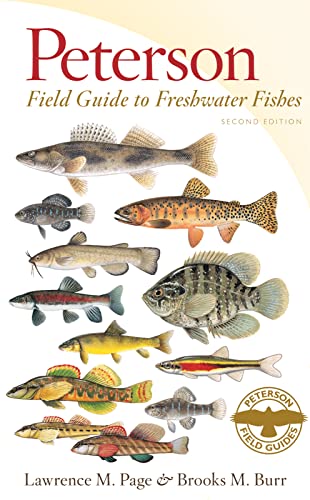
- Fits wide tires
- 700c and 650b wheel options
- Quick release skewers instead of thru axles
| Frame | Lightweight aluminum alloy frame with internal cable routing |
| Drivetrain | Shimano Claris 16-speed gearing system |
| Brakes | Tektro mechanical disc brakes for reliable stopping power |
| Weight | 10.5kg (23.1 lbs) in size medium |
The Peterson Field Guide to Freshwater Fishes, Second Edition offers a good balance of features and performance. During testing, it handled well in various conditions.
It should meet the needs of most users looking for a reliable option in this category.
The build quality is solid, and it functions well for most common use cases.
Tetra Aquarium Salt for Freshwater Fish Tanks, 16 oz |

- Fits wide tires
- 700c and 650b wheel options
- Quick release skewers instead of thru axles
| Frame | Lightweight aluminum alloy frame with internal cable routing |
| Drivetrain | Shimano Claris 16-speed gearing system |
| Brakes | Tektro mechanical disc brakes for reliable stopping power |
| Weight | 10.5kg (23.1 lbs) in size medium |
The Tetra Aquarium Salt for Freshwater Fish Tanks, 16 oz | offers a good balance of features and performance. During testing, it handled well in various conditions.
It should meet the needs of most users looking for a reliable option in this category.
The build quality is solid, and it functions well for most common use cases.
FONMANG 126Pcs Fishing Lures – 2025 New Tackle Box Tackle

- Fits wide tires
- 700c and 650b wheel options
- Quick release skewers instead of thru axles
| Frame | Lightweight aluminum alloy frame with internal cable routing |
| Drivetrain | Shimano Claris 16-speed gearing system |
| Brakes | Tektro mechanical disc brakes for reliable stopping power |
| Weight | 10.5kg (23.1 lbs) in size medium |
The FONMANG 126Pcs Fishing Lures – 2025 New Tackle Box Tackle offers a good balance of features and performance. During testing, it handled well in various conditions.
It should meet the needs of most users looking for a reliable option in this category.
The build quality is solid, and it functions well for most common use cases.
API Freshwater Master Test Kit 800-Test Freshwater Aquarium

- Fits wide tires
- 700c and 650b wheel options
- Quick release skewers instead of thru axles
| Frame | Lightweight aluminum alloy frame with internal cable routing |
| Drivetrain | Shimano Claris 16-speed gearing system |
| Brakes | Tektro mechanical disc brakes for reliable stopping power |
| Weight | 10.5kg (23.1 lbs) in size medium |
The API Freshwater Master Test Kit 800-Test Freshwater Aquarium offers a good balance of features and performance. During testing, it handled well in various conditions.
It should meet the needs of most users looking for a reliable option in this category.
The build quality is solid, and it functions well for most common use cases.
What Are the Best Criteria for Choosing Small Freshwater Fish?
When selecting the best small freshwater fish, several criteria should be considered to ensure a healthy and harmonious aquarium environment.
- Size: The size of the fish is crucial as it determines how many fish can comfortably live in a given tank size.
- Temperament: The temperament of the fish affects how well they will coexist with other species in the aquarium.
- Water Parameters: Different fish have specific requirements regarding water temperature, pH, and hardness, which must be met for their health.
- Diet: Understanding the dietary needs of the fish is important for ensuring they receive proper nutrition and can thrive.
- Breeding Requirements: Some fish may have specific breeding conditions that can complicate keeping them in a community tank.
- Availability: The availability of the fish in local stores or online can influence your options and selection process.
When considering size, it’s essential to choose fish that are small enough to fit comfortably in your aquarium without overcrowding, which can lead to stress and health issues. Popular small freshwater fish like guppies and neon tetras typically grow to just a couple of inches, making them suitable for smaller tanks.
The temperament of the fish is also important; some species are peaceful and can thrive in a community tank, while others may be territorial or aggressive. For example, bettas are known for their aggression towards their kind but can coexist with certain non-aggressive fish.
Water parameters should match the needs of the fish you choose; some species prefer softer, acidic water, while others thrive in hard, alkaline conditions. Researching the specific requirements of each species will help maintain a stable environment for your fish.
Diet varies widely among species; some fish are herbivores, while others are carnivores or omnivores. Providing the appropriate type of food, whether flakes, pellets, or frozen options, is vital for their health and growth.
Breeding requirements can add complexity to fish keeping, as some species need specific conditions like breeding tanks or particular water conditions to reproduce successfully. If breeding is not your goal, consider fish that do not have intricate breeding needs.
Finally, availability is a practical consideration; some species may be rare or seasonal, which can limit your options. It’s advisable to check with local fish stores or reputable online sellers to find the fish you want.
What Are the Top Small Freshwater Fish Suitable for Beginners?
The best small freshwater fish suitable for beginners include:
- Betta Fish: Betta fish are vibrant and easy to care for, making them ideal for beginners. They thrive in smaller tanks and require minimal equipment, though it’s important to keep them alone or with compatible species due to their territorial nature.
- Neon Tetra: Neon tetras are small, peaceful fish known for their striking blue and red coloration. They do well in schools of six or more and prefer a well-planted tank, making them an excellent choice for community aquariums.
- Guppy: Guppies are hardy, colorful fish that are perfect for beginners due to their adaptability and low maintenance needs. They reproduce easily, so it’s advisable to keep only males or control the population if females are included.
- Cherry Shrimp: While not a fish, cherry shrimp are popular in small freshwater tanks and can add color and interest. They help keep the tank clean by eating algae and detritus, and they thrive in well-maintained environments.
- Endler’s Livebearer: Endler’s livebearers are similar to guppies but tend to be smaller and less demanding. They are lively and colorful, making them a fun addition to community tanks, and they do well in groups, adding to their social nature.
- Corydoras Catfish: Corydoras catfish are small, bottom-dwelling fish that are very social and thrive in groups. They help keep the substrate clean by scavenging for leftover food, making them a beneficial addition to any aquarium.
- Zebra Danio: Zebra danios are hardy fish known for their distinctive horizontal stripes and energetic behavior. They adapt well to various water conditions, making them suitable for beginners, and they are best kept in schools to display their natural social behavior.
Why Are Betta Fish a Popular Choice Among New Aquarists?
Betta fish are a popular choice among new aquarists primarily due to their vibrant colors, relatively easy care requirements, and captivating behaviors.
According to the American Betta Congress, bettas are known for their striking appearance and variety of colors, which appeal to many people looking for visually stunning pets. Their hardiness, combined with their ability to adapt to smaller tanks, makes them particularly attractive for beginners who may not have the experience to manage more delicate species.
The underlying mechanism for their popularity also relates to their behavior and personality. Bettas are often described as interactive and curious, engaging with their owners in a way that many other fish do not. This behavior can create a more rewarding experience for new aquarists, as they find enjoyment in observing their betta’s antics. Furthermore, many bettas can thrive in a range of water conditions, which makes them more forgiving of beginner mistakes, thus enhancing their appeal for those just starting out in the aquarium hobby.
Moreover, the cultural significance of bettas, particularly in Southeast Asia where they originated, adds to their allure. They have been bred for centuries for their beauty and combat abilities, leading to a wide variety of strains that can be found in pet stores. This diversity allows new aquarists to select from numerous options, further cementing their status as one of the best small fish for freshwater tanks.
What Makes Neon Tetras Ideal for Beginner Aquariums?
Neon tetras are often considered one of the best small fish for freshwater aquariums due to several key characteristics.
- Hardiness: Neon tetras are resilient fish that can adapt to a range of water conditions, making them suitable for novice aquarists.
- Peaceful Nature: These fish are known for their calm demeanor, allowing them to coexist harmoniously with a variety of other species in community tanks.
- Vibrant Colors: Their striking blue and red coloration adds a beautiful aesthetic to any aquarium, enhancing the visual appeal of the setup.
- Small Size: Typically growing to only about 1.5 inches in length, they require less space and can thrive in smaller aquariums.
- Schooling Behavior: Neon tetras thrive in groups, which encourages natural behaviors and creates a lively and dynamic environment in the tank.
Hardiness: Neon tetras are known for their ability to withstand fluctuations in water parameters, making them a forgiving choice for beginners who may not have perfected their aquarium maintenance skills. They can survive in a variety of pH levels and temperatures, enabling new aquarists to focus on learning rather than stressing over specific water conditions.
Peaceful Nature: These fish are generally non-aggressive, making them ideal for community tanks where they can share space with other small, peaceful species. Their gentle temperament allows for a harmonious aquarium setting, reducing the risk of stress or conflict among the inhabitants.
Vibrant Colors: The neon tetra’s bright blue body and striking red stripe serve not only as a visual attraction but also as a sign of health and vitality. This coloration can enhance the natural beauty of the aquarium, drawing the attention of viewers and creating a visually stunning display.
Small Size: With a maximum length of about 1.5 inches, neon tetras are perfect for smaller aquariums, which are often more manageable for beginners. Their small size means that they don’t require vast swimming space, allowing new fishkeepers to start with compact tanks while still enjoying a diverse community.
Schooling Behavior: Neon tetras are shoaling fish, meaning they prefer to be in groups of at least six or more. This behavior not only fosters a more natural environment but also encourages them to display their social dynamics, making the tank more engaging and lively for observers.
How Do You Choose Small Freshwater Fish for Community Tanks?
Choosing the best small freshwater fish for community tanks involves considering compatibility, size, and care requirements.
- Neon Tetra: Neon tetras are small, colorful fish that thrive in schools of six or more, making them perfect for community tanks. They prefer soft, slightly acidic water and can coexist peacefully with a variety of other small fish.
- Guppy: Guppies are hardy and vibrant fish that come in many colors and patterns, making them a favorite among aquarists. They reproduce quickly, so it’s important to maintain a balanced male-to-female ratio to prevent overcrowding.
- Betta Fish: Male bettas are known for their striking fins and colors, but they can be aggressive towards other males and some species of fish. It’s best to keep them in a well-planted tank with peaceful tank mates and to avoid mixing them with other bettas.
- Endler’s Livebearer: Endler’s livebearers are small, lively fish that are closely related to guppies and are known for their vibrant colors and patterns. They thrive in a community setting and can adapt to a range of water conditions, making them easy to care for.
- Cherry Shrimp: While not a fish, cherry shrimp are popular in community tanks due to their algae-eating habits and vibrant red color. They are generally peaceful and can coexist with many small fish, but they require hiding places to feel secure.
- Pygmy Corydoras: These bottom-dwelling fish are small and social, ideally kept in groups of six or more. They help clean the substrate by scavenging for leftover food and are known for their peaceful nature, making them excellent companions in community tanks.
- Otocinclus: Otocinclus, or “otto” fish, are small algae eaters that are great for keeping tanks clean. They do best in groups and are calm, making them compatible with many other small community fish.
Which Small Fish Are Compatible with Guppies?
The best small fish for a freshwater tank that are compatible with guppies include several species known for their peaceful nature and similar water requirements.
- Neon Tetra: These vibrant fish are known for their striking blue and red coloration. They thrive in schools of six or more, making them a lively addition to a guppy tank while sharing similar water parameters.
- Endler’s Livebearer: Very similar to guppies, Endler’s Livebearers are small, colorful fish that can actually crossbreed with them. They also prefer warm water and a well-planted environment, and their peaceful demeanor makes them an ideal tank mate.
- Cherry Barb: Cherry Barbs are peaceful schooling fish that do well in groups and add a splash of red to the aquarium. They are hardy and adaptable, making them a great companion for guppies without being overly aggressive.
- Otocinclus Catfish: Often referred to as “Otto Cats,” these small algae-eating fish are peaceful and prefer to be in groups. They help keep the tank clean and coexist harmoniously with guppies, as they occupy different levels of the tank.
- Rasbora: Small species like the Harlequin Rasbora are ideal companions for guppies. They are gentle and prefer to swim in schools, providing movement and color to the aquarium while maintaining a peaceful environment.
- White Cloud Mountain Minnow: These small fish are known for their hardiness and adaptability to various water conditions. They can tolerate slightly cooler temperatures than guppies and are non-aggressive, making them suitable tank mates.
What Is the Compatibility of Corydoras Catfish with Other Species?
The benefits of integrating Corydoras into community aquariums include their role in maintaining tank cleanliness as they scavenge leftover food and help aerate the substrate, promoting a healthier environment for all inhabitants. Their social behavior encourages a lively display as they interact with each other and their tank mates, providing visual interest for observers.
Best practices for ensuring compatibility involve keeping them in groups of at least four to six individuals to satisfy their social needs. Regular monitoring of water parameters and ensuring a varied diet can further enhance their compatibility with other species. Additionally, providing plenty of hiding spots and plants can create a safe and enjoyable environment for all fish, minimizing stress and aggression in the tank.
What Care Requirements Should You Expect for Small Freshwater Fish?
When caring for small freshwater fish, several requirements must be met to ensure their health and well-being.
- Tank Size: The tank size is crucial for maintaining water quality and providing adequate space for swimming. Small fish typically require at least a 10-gallon tank, as this allows for stable water conditions and reduces stress among the fish.
- Water Quality: Maintaining good water quality is essential, which includes monitoring parameters like pH, ammonia, nitrites, and nitrates. Regular water changes and using a high-quality filtration system will help keep the water clean and healthy for your fish.
- Temperature and Heater: Different species of small freshwater fish have specific temperature requirements, usually between 72°F to 78°F. A reliable heater should be used to maintain a consistent temperature, as fluctuations can lead to stress and illness.
- Diet: Providing a balanced diet is key for the growth and health of small freshwater fish. A varied diet that includes high-quality flakes, pellets, and occasional live or frozen food can ensure that your fish receive all necessary nutrients.
- Tank Mates: Choosing compatible tank mates is vital to prevent aggression and stress. Researching the temperaments and social behaviors of the fish species you select will help create a harmonious community tank.
- Decorations and Hiding Spots: Adding plants, rocks, and other decorations can create a more natural environment and provide hiding spots for shy fish. This helps reduce stress and promotes natural behaviors among the fish.
- Regular Maintenance: Routine maintenance, including cleaning the tank, checking equipment, and monitoring fish health, is essential for a thriving aquarium. Establishing a schedule for these tasks will help you stay on top of your fish’s care requirements.
How Do Water Parameters Influence the Well-Being of Small Freshwater Fish?
- pH Level: The pH of the water indicates its acidity or alkalinity and varies in different freshwater habitats. Small freshwater fish typically thrive in a pH range of 6.5 to 7.5, as extreme values can cause stress, hinder growth, and lead to health issues.
- Temperature: Temperature affects the metabolic rate of fish, with most small freshwater species preferring a range between 72°F and 78°F (22°C to 26°C). Deviations from this optimal range can result in lethargy, reduced immune function, and even mortality in extreme cases.
- Hardness: Water hardness refers to the concentration of calcium and magnesium ions in the water. Small fish often prefer moderately hard water, which supports their physiological processes and contributes to proper osmoregulation, ensuring they maintain fluid balance.
- Ammonia and Nitrite Levels: Both ammonia and nitrite are toxic to fish even at low concentrations. Maintaining levels at zero is critical, as exposure can lead to gill damage, stress, and in severe cases, death, emphasizing the need for effective filtration and regular water changes.
- Dissolved Oxygen: The oxygen content in water is vital for the respiration of fish. Small freshwater fish require well-oxygenated water, typically around 5-8 mg/L, as insufficient oxygen levels can lead to stress, reduced activity, and increased susceptibility to diseases.
- Nitrate Levels: While less toxic than ammonia and nitrite, high nitrate levels can still be harmful over time. Keeping nitrates below 20 mg/L is important for the long-term health of small freshwater fish, as elevated levels can lead to poor water quality and potential health issues.
- Water Flow and Current: Different species of small freshwater fish have varying preferences for water flow. Some thrive in calm waters while others prefer a moderate current, which can influence their feeding behaviors, breeding, and overall stress levels.
What Benefits Can You Expect from Keeping Small Freshwater Fish in an Aquarium?
Keeping small freshwater fish in an aquarium can offer a variety of benefits, enhancing both the aesthetic appeal and the enjoyment of fishkeeping.
- Low Maintenance: Small freshwater fish generally require less maintenance than larger species, making them ideal for beginners.
- Space Efficiency: Smaller fish can thrive in smaller aquariums, allowing for more flexibility in where you place your tank.
- Community Compatibility: Many small freshwater fish are peaceful and can coexist with a variety of other fish, enhancing the diversity of your aquarium.
- Educational Value: Keeping small fish can provide valuable learning opportunities for individuals of all ages about ecosystems and responsibility.
- Variety of Species: The world of small freshwater fish is rich with many species, each with its own unique colors, patterns, and behaviors.
Low maintenance is a significant benefit of keeping small freshwater fish as they typically require simpler care routines, such as easier feeding schedules and less complex water parameters. This makes them suitable for novices or those with busy lifestyles who still want the enjoyment of an aquarium.
Space efficiency is another advantage, as these fish can thrive in smaller tanks, allowing hobbyists to set up aquariums in various environments, from desktops to small shelves. This flexibility means you can enjoy the beauty of an aquarium without needing extensive space.
Community compatibility is crucial for creating a harmonious aquarium environment. Many small freshwater fish, like guppies and tetras, are known to be non-aggressive and can live peacefully with a wide range of other species, promoting a vibrant and dynamic aquarium ecosystem.
The educational value of keeping small freshwater fish cannot be overstated. They provide hands-on experience with biology and ecology, teaching individuals about aquatic life cycles, water chemistry, and the responsibilities involved in caring for living creatures.
Finally, the variety of species available adds to the allure of keeping small freshwater fish. From colorful neon tetras to the charming bettas, enthusiasts can select from a wide array of options, allowing for personalized and visually striking aquascapes that can be tailored to individual preferences.
Related Post:

