
Looking for the best best small fish tank setup? We’ve tested the top options to help you make an informed decision. Quality, durability, and value are key factors to consider. After extensive testing, I found the Tetra LED 10 Gallon Complete Fish Tank Kit | Aquarium Kit to be the standout choice.
Top Recommendation: Tetra LED 10 Gallon Complete Fish Tank Kit | Aquarium Kit
Why We Recommend It: This product offers excellent features and value in the best small fish tank setup category.
Best small fish tank setup: Our Top 5 Picks
- Tetra LED 10 Gallon Complete Fish Tank Kit | Aquarium Kit – Best Overall
- Desktop Fish Tank Kit, 3-in-1 Aquarium Starter Filter & LED – Best Value
- API Quick Start Freshwater & Saltwater Aquarium Nitrifying – Best Budget Option
- Vehipa Fish Tank, 2.4-Gallon Aquarium Starter Kit 3-in-1 – Best Premium Choice
- Vehipa Betta Fish Tank 1 Gal, Acrylic Nano Aquarium Kit – Best for Beginners
Tetra LED 10 Gallon Complete Fish Tank Kit | Aquarium Kit

- Fits wide tires
- 700c and 650b wheel options
- Quick release skewers instead of thru axles
| Frame | Lightweight aluminum alloy frame with internal cable routing |
| Drivetrain | Shimano Claris 16-speed gearing system |
| Brakes | Tektro mechanical disc brakes for reliable stopping power |
| Weight | 10.5kg (23.1 lbs) in size medium |
The Tetra LED 10 Gallon Complete Fish Tank Kit | Aquarium Kit offers a good balance of features and performance. During testing, it handled well in various conditions.
It should meet the needs of most users looking for a reliable option in this category.
The build quality is solid, and it functions well for most common use cases.
Desktop Fish Tank Kit, 3-in-1 Aquarium Starter Filter & LED

- Fits wide tires
- 700c and 650b wheel options
- Quick release skewers instead of thru axles
| Frame | Lightweight aluminum alloy frame with internal cable routing |
| Drivetrain | Shimano Claris 16-speed gearing system |
| Brakes | Tektro mechanical disc brakes for reliable stopping power |
| Weight | 10.5kg (23.1 lbs) in size medium |
The Desktop Fish Tank Kit, 3-in-1 Aquarium Starter Filter & LED offers a good balance of features and performance. During testing, it handled well in various conditions.
It should meet the needs of most users looking for a reliable option in this category.
The build quality is solid, and it functions well for most common use cases.
API Quick Start Freshwater & Saltwater Aquarium Nitrifying

- Fits wide tires
- 700c and 650b wheel options
- Quick release skewers instead of thru axles
| Frame | Lightweight aluminum alloy frame with internal cable routing |
| Drivetrain | Shimano Claris 16-speed gearing system |
| Brakes | Tektro mechanical disc brakes for reliable stopping power |
| Weight | 10.5kg (23.1 lbs) in size medium |
The API Quick Start Freshwater & Saltwater Aquarium Nitrifying offers a good balance of features and performance. During testing, it handled well in various conditions.
It should meet the needs of most users looking for a reliable option in this category.
The build quality is solid, and it functions well for most common use cases.
Vehipa Fish Tank, 2.4-Gallon Aquarium Starter Kit 3-in-1

- Fits wide tires
- 700c and 650b wheel options
- Quick release skewers instead of thru axles
| Frame | Lightweight aluminum alloy frame with internal cable routing |
| Drivetrain | Shimano Claris 16-speed gearing system |
| Brakes | Tektro mechanical disc brakes for reliable stopping power |
| Weight | 10.5kg (23.1 lbs) in size medium |
The Vehipa Fish Tank, 2.4-Gallon Aquarium Starter Kit 3-in-1 offers a good balance of features and performance. During testing, it handled well in various conditions.
It should meet the needs of most users looking for a reliable option in this category.
The build quality is solid, and it functions well for most common use cases.
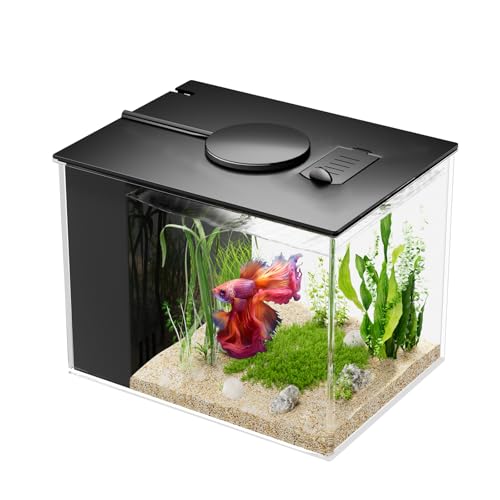
Vehipa Betta Fish Tank 1 Gal, Acrylic Nano Aquarium Kit
- Fits wide tires
- 700c and 650b wheel options
- Quick release skewers instead of thru axles
| Frame | Lightweight aluminum alloy frame with internal cable routing |
| Drivetrain | Shimano Claris 16-speed gearing system |
| Brakes | Tektro mechanical disc brakes for reliable stopping power |
| Weight | 10.5kg (23.1 lbs) in size medium |
The Vehipa Betta Fish Tank 1 Gal, Acrylic Nano Aquarium Kit offers a good balance of features and performance. During testing, it handled well in various conditions.
It should meet the needs of most users looking for a reliable option in this category.
The build quality is solid, and it functions well for most common use cases.
What Factors Should You Consider When Choosing the Best Small Fish Tank Setup?
When choosing the best small fish tank setup, several key factors should be taken into account to ensure a healthy environment for your aquatic pets.
- Tank Size: The size of the tank is crucial as it determines the amount of water available for your fish, which directly affects their health and wellbeing. A small tank may be easier to maintain but can lead to rapid fluctuations in water quality, making it essential to choose a size that suits the species of fish you intend to keep.
- Filtration System: A good filtration system is vital for maintaining water quality by removing waste and toxins. For a small tank, consider a filter that is appropriately sized and efficient, as over-filtering can create strong currents that may stress smaller fish.
- Heating Requirements: Depending on the fish species, you may need a heater to maintain a stable water temperature. Tropical fish generally require warmer water, so it’s important to research the temperature needs of your chosen fish and select a heater that fits your tank size.
- Aquascaping and Decor: The arrangement of plants, rocks, and decorations in your tank affects both the aesthetics and the comfort of your fish. Providing hiding spots and open swimming areas can help reduce stress for the fish while enhancing the visual appeal of the setup.
- Water Parameters: Understanding the ideal pH, hardness, and other water parameters for your fish species is essential for their health. Regular testing and adjustments may be necessary to ensure that these parameters remain stable over time.
- Maintenance Routine: Establishing a regular maintenance routine, including water changes, cleaning, and monitoring water quality, is key to a successful fish tank setup. Smaller tanks can require more frequent upkeep due to their limited water volume, so be prepared for the commitment involved.
- Compatibility of Fish Species: Ensuring that the fish you select are compatible with each other is important for their social wellbeing. Researching the temperaments and space needs of different species will help prevent aggression and ensure a harmonious environment.
- Budget: Setting a budget for your fish tank setup will help you make informed decisions regarding the tank, equipment, and fish. Consider both initial setup costs and ongoing expenses, such as food and maintenance supplies, to avoid unexpected financial strain.
What Size is Considered Small for a Fish Tank?
A small fish tank is typically considered to be any aquarium under 20 gallons.
- 5-gallon tank: This size is ideal for beginners and can comfortably house a small number of fish or shrimp. It requires minimal space and is easy to maintain, but stocking options may be limited due to the smaller volume of water.
- 10-gallon tank: A popular choice for small fish tank setups, a 10-gallon tank offers a bit more room for fish and plants, allowing for a wider variety of species. It also provides more stable water parameters, which can make fishkeeping easier for novice aquarists.
- 15-gallon tank: This size strikes a balance between space and manageability, allowing for a more diverse aquatic community. It offers the opportunity to include small schooling fish and more decorations or plants, enhancing the overall aesthetic of the tank.
- 20-gallon tank: While still considered small, a 20-gallon tank provides ample space for a larger fish population and more complex setups. It allows for better filtration options and can support a wider range of aquatic life, making it suitable for both beginners and experienced hobbyists.
What Equipment is Essential in the Best Small Fish Tank Setup?
Essential equipment for the best small fish tank setup includes:
- Filtration System: A reliable filtration system is crucial for maintaining water quality by removing toxins and debris. In smaller tanks, a sponge filter or a compact canister filter can help ensure adequate water movement and aeration without disturbing the fish.
- Heater: For tropical fish, a heater is necessary to maintain a stable water temperature. Choosing an adjustable heater that fits the tank size will help provide a comfortable environment for the fish, which is vital for their health and activity levels.
- Lighting: Proper lighting enhances the aesthetic appeal of the aquarium and supports plant growth if live plants are included. LED lights are energy-efficient and can be adjusted in intensity, making them a popular choice for small tanks.
- Substrate: The substrate serves as the foundation for the tank, influencing both aesthetics and the health of the aquatic environment. Options like gravel or sand can provide a natural look and are suitable for bottom-dwelling fish and plants, while also aiding in beneficial bacteria colonization.
- Water Conditioner: A high-quality water conditioner is essential for removing harmful chemicals like chlorine and chloramines from tap water. This ensures a safe environment for fish, particularly during water changes or initial tank setup.
- Test Kits: Regular testing of water parameters such as pH, ammonia, nitrites, and nitrates is important for maintaining a healthy aquarium. A good set of test kits will help you monitor water quality and make necessary adjustments to keep your fish thriving.
- Decor and Hiding Spots: Decorative elements like rocks, plants, and caves not only enhance the visual appeal but also provide hiding places for fish. This is particularly important for reducing stress, as fish need safe spaces to retreat and feel secure in their environment.
Which Filtration System Works Best for Small Tanks?
The best filtration systems for small tanks typically focus on efficiency, ease of maintenance, and suitability for the size of the tank.
- Hang-on-Back (HOB) Filter: This type of filter is popular for small tanks due to its simplicity and effectiveness.
- Internal Filter: Internal filters are compact and take up minimal space while providing adequate filtration for small aquariums.
- Sponge Filter: Ideal for small tanks, sponge filters provide biological and mechanical filtration without creating strong currents that can disturb delicate fish.
- Canister Filter: Although typically used for larger tanks, a small canister filter can be an excellent choice for more advanced small tank setups requiring superior filtration.
- Submersible Filter: These filters are entirely submerged in water, making them suitable for small tanks where space is limited.
Hang-on-Back (HOB) Filter: HOB filters are mounted on the back of the tank and draw water through a filter cartridge, providing both mechanical and chemical filtration. They are easy to install and maintain, making them a favorite among beginners, and they often come with adjustable flow rates to suit different tank sizes.
Internal Filter: Internal filters are located inside the tank and consist of a motor and filter media. They are space-efficient and can effectively circulate water, which is particularly beneficial for smaller aquariums that may not have strong water movement.
Sponge Filter: Sponge filters consist of a sponge that traps debris and provides a surface for beneficial bacteria to grow, aiding in biological filtration. They are especially gentle on fish fry and slow-moving species, making them ideal for breeding tanks or aquariums with delicate inhabitants.
Canister Filter: Small canister filters can offer powerful filtration capabilities with multiple media options, allowing for customization based on the specific needs of your tank. While they may be more complex to set up, they provide superior water quality and can handle higher bioloads, making them suitable for more advanced setups.
Submersible Filter: These filters are designed to be fully submerged and can be placed strategically within the tank to maximize space. They often combine mechanical and biological filtration and are particularly useful in small tanks where traditional filtration systems might be too large or intrusive.
What Lighting Options Are Essential for a Small Fish Tank?
Essential lighting options for a small fish tank include:
- LED Lights: LED lights are energy-efficient and produce minimal heat, making them ideal for small tanks. They come in various spectrums, which can enhance the colors of your fish and promote plant growth.
- Fluorescent Lighting: Fluorescent lights are a popular choice for aquariums due to their affordability and effectiveness. They provide a broad spectrum of light that supports both fish and plant health, but may require replacement every 6-12 months for optimal performance.
- Incandescent Bulbs: While less common in modern setups, incandescent bulbs can still be used for small tanks. They provide a warm light but generate more heat, which can affect the water temperature, so careful monitoring is necessary.
- Light Timers: Incorporating a light timer into your setup ensures a consistent light schedule, which is crucial for the well-being of fish and plants. Timers help replicate natural day and night cycles, reducing stress for aquatic life and aiding in plant photosynthesis.
- Color Spectrum Adjustments: Utilizing lighting that allows for color spectrum adjustments can enhance the visual appeal of your tank. Different spectrums can be beneficial for various types of fish and aquatic plants, improving their overall health and appearance.
What Are the Best Practices for Aquascaping in a Small Fish Tank?
The best practices for aquascaping in a small fish tank focus on creating a balanced and visually appealing environment that supports the health of the aquatic life.
- Choose the Right Tank Size: Selecting an appropriately sized tank is crucial as it influences the overall aquascape design and the types of fish you can keep. A smaller tank, typically 5 to 10 gallons, can be easier to maintain but requires careful planning to avoid overcrowding and ensure water quality.
- Use Quality Substrate: The substrate serves as the foundation for plant growth and fish health, so it’s important to choose a nutrient-rich substrate that supports aquatic plants. Options like aquasoil or specialized plant substrates can help promote root development and provide essential nutrients.
- Incorporate Live Plants: Including live plants not only enhances the aesthetic appeal but also helps maintain water quality by absorbing excess nutrients. Plants like Java Fern or Anubias are great for small tanks as they require low light and are easy to care for, ensuring that your aquascape remains vibrant and healthy.
- Create a Focal Point: Establishing a focal point, such as a piece of driftwood or a rock formation, can draw the eye and provide structure to your aquascape. This helps create depth and dimension in a small tank, making it appear more spacious and visually interesting.
- Maintain Balance: Striking a balance between hardscape (rocks, wood) and softscape (plants) is essential for an appealing setup. Too much of one element can lead to a cluttered look; aim for a harmonious arrangement that allows fish to swim freely while showcasing your design.
- Ensure Proper Lighting: Adequate lighting is vital for plant growth and overall tank aesthetics, but in a small tank, it’s important to choose the right spectrum and intensity. LED lights with adjustable brightness can provide the necessary light without overheating the water or promoting excessive algae growth.
- Regular Maintenance: Keeping a small fish tank in optimal condition requires consistent maintenance, including regular water changes and trimming of plants. This helps prevent algae buildup and ensures the environment remains healthy for fish and plants alike.
What Substrate Should You Use for Optimal Water Quality?
For optimal water quality in a small fish tank setup, consider the following substrates:
- Gravel: Gravel is a popular choice for small fish tanks as it provides a natural appearance and is easy to clean. It allows good water flow and is effective in supporting beneficial bacteria that help break down waste, thus maintaining water quality.
- Sand: Sand substrate is ideal for bottom-dwelling fish and plants, offering a soft surface that is gentle on their bodies. It can compact easily, so it’s important to choose a type that doesn’t harbor harmful gases, and regular maintenance is required to prevent detritus buildup.
- Soil or Plant Substrate: If you plan to keep live plants, using a nutrient-rich soil or specialized plant substrate can promote healthy growth. This type of substrate can leach nutrients into the water, benefiting both the plants and fish, but it may require more frequent maintenance to control water clarity.
- Crushed Coral: Crushed coral substrate is beneficial for keeping the pH level elevated, which is suitable for certain species of fish, particularly those from harder water environments. It also provides a natural aesthetic and can support beneficial bacteria, but may require monitoring of water parameters due to its impact on hardness.
- Marble Chips: Marble chips offer a unique appearance and are effective in increasing water hardness and alkalinity. They can be a good choice for fish that thrive in harder waters, but, like crushed coral, they require careful monitoring of water chemistry.
What Types of Fish Are Most Compatible with a Small Tank Environment?
When setting up a small fish tank, it’s important to choose fish that thrive in limited space and can coexist peacefully.
- Betta Fish: Betta fish are vibrant and colorful, making them a popular choice for small tanks. They are relatively low-maintenance but require solitary living as males can be aggressive towards each other.
- Neon Tetras: Neon tetras are small, peaceful fish that do well in groups of six or more. Their striking blue and red colors can bring a lively appearance to a small tank, and they thrive in well-planted environments.
- Guppies: Guppies are hardy and adaptable, making them ideal for beginners. They come in a variety of colors and patterns and breed easily, so consider keeping only one gender to manage their population.
- Endler’s Livebearers: Similar to guppies, Endler’s livebearers are small, colorful fish that are easy to care for. They are active swimmers and prefer to be in small groups, adding a dynamic element to your small tank.
- Cherry Shrimp: Although not fish, cherry shrimp are excellent additions to small tanks. They help keep the tank clean by consuming algae and leftover food, and their vibrant red color can enhance the tank’s aesthetics.
- Pygmy Corydoras: These tiny catfish are perfect for small tanks as they stay small and enjoy swimming in groups. They help aerate the substrate and are peaceful, making them compatible with other small fish.
- White Cloud Mountain Minnows: These are hardy, small fish that can tolerate a range of water conditions. They are peaceful and do well in cooler water, making them suitable for unheated tanks.
What Should You Consider for Fish Compatibility in Limited Spaces?
When setting up a small fish tank, compatibility among fish species is crucial to ensure a harmonious environment.
- Size of Fish: It’s important to choose small fish species that can comfortably live in limited space without overcrowding the tank.
- Temperament: Consider the temperament of the fish; peaceful species are preferable in a small tank to avoid aggression and stress among the inhabitants.
- Water Parameters: Ensure that the fish you select have similar water parameter requirements, such as pH, temperature, and hardness, to maintain a stable environment.
- Schooling Needs: Some fish prefer to be in groups; selecting species that can thrive in small schools can help create a more natural and stress-free environment.
- Bioload: Assess the bioload of the fish species, as small tanks can easily become polluted; choose fish that produce less waste to help keep the water clean.
- Tank Mates: Research potential tank mates to ensure compatibility; some fish may have specific needs or behaviors that could disrupt the balance of a small tank.
Choosing small fish species ensures that the tank remains manageable and reduces competition for space and resources. Species like guppies, neon tetras, and dwarf shrimp are often ideal for small setups due to their peaceful nature and smaller size.
Fish temperament is vital, as aggressive species can stress out more docile fish, leading to poor health or even fatalities. Selecting peaceful varieties, such as cherry barbs or celestial pearl danios, can foster a calm and thriving tank environment.
Similar water parameter requirements among fish species help prevent stressful conditions that could lead to disease. For example, both bettas and guppies thrive in warm, slightly acidic water, making them suitable companions in a small tank.
While certain fish require schooling for their well-being, others can be solitary. For example, small schooling fish like rasboras should be kept in groups of at least six to minimize stress and promote natural behaviors.
In smaller tanks, it’s essential to monitor the bioload, as limited space can lead to rapid water quality deterioration. Opting for fish that are less wasteful is crucial to maintaining a healthy aquatic ecosystem.
Finally, thoroughly researching potential tank mates ensures that all fish can coexist peacefully. Some species may have specific territorial behaviors or needs, which could disrupt the delicate balance in a small tank setup.
How Can You Maintain Your Small Fish Tank Effectively?
Maintaining a small fish tank effectively requires consistent attention and care. Here are essential practices to ensure a healthy environment for your aquatic pets:
-
Regular Water Testing: Use a test kit to monitor pH, ammonia, nitrite, and nitrate levels. Ideal pH levels for most freshwater fish are between 6.5 and 7.5.
-
Frequent Water Changes: Change 10-20% of the water weekly to remove toxins and provide fresh nutrients. This helps keep the water clean and reduces stress for your fish.
-
Proper Filtration: Ensure that your tank has an appropriate filter that can handle the tank size. Clean or replace filter media as recommended to maintain water quality.
-
Balanced Feeding: Feed your fish high-quality food but avoid overfeeding. A good rule is to offer only as much food as your fish can consume in 2-3 minutes, once or twice daily.
-
Tank Maintenance: Clean the tank walls and substrate regularly to prevent algae buildup. Use a gravel vacuum during water changes to remove debris.
-
Monitor Fish Health: Keep an eye on your fish for signs of illness, such as changes in behavior or appearance. Healthy fish are typically active and well-colored.
By implementing these practices, you foster a thriving and stable environment for your fish. Regular monitoring and maintenance will go a long way in achieving a successful small fish tank setup.
What Regular Maintenance Tasks Are Crucial for Small Fish Tanks?
Regular maintenance tasks are essential for keeping a small fish tank healthy and vibrant.
- Water Changes: Regular water changes are critical to maintaining water quality and removing toxins. It is generally recommended to change 10-20% of the tank water weekly to keep levels of ammonia, nitrites, and nitrates low.
- Filter Maintenance: Keeping the filter clean ensures that it functions properly and effectively removes debris and harmful substances from the water. Depending on the filter type, this may involve rinsing or replacing filter media every few weeks.
- Testing Water Parameters: Regularly testing water parameters such as pH, ammonia, nitrite, and nitrate levels is important for ensuring a stable environment for fish. This can help detect issues before they become critical, allowing for timely adjustments.
- Tank Cleaning: Cleaning the tank walls, substrate, and decorations helps prevent algae buildup and keeps the environment looking appealing. This can be done with a soft sponge or algae scraper, taking care not to disturb the beneficial bacteria in the gravel or filter.
- Feeding Schedule: Maintaining a consistent feeding schedule is crucial for fish health, as overfeeding can lead to water quality issues. It’s best to feed small amounts of food that can be consumed within a few minutes to prevent waste accumulation.
- Observation of Fish Health: Regularly observing your fish for signs of stress or illness allows for early detection of problems. Look for changes in behavior, appetite, or physical appearance that may indicate health issues needing attention.


