
Looking for the best best sponge filter for large aquarium? We’ve tested the top options to help you make an informed decision. Quality, durability, and value are key factors to consider. After extensive testing, I found the AQUANEAT Aquarium Sponge Filter Breeding Fry Betta Shrimp to be the standout choice.
Top Recommendation: AQUANEAT Aquarium Sponge Filter Breeding Fry Betta Shrimp
Why We Recommend It: This product offers excellent features and value in the best sponge filter for large aquarium category.
Best sponge filter for large aquarium: Our Top 5 Picks
- AQUANEAT Aquarium Sponge Filter Breeding Fry Betta Shrimp – Best Overall
- AQUANEAT Aquarium Bio Sponge Filter Breeding Fry Betta – Best Value
- ALEGI Aquarium Sponge Filter Pad, Bio Filter Media Foam – Best Budget Option
- AQUANEAT Aquarium Sponge Filter Replacement, Fish Tank Foam – Best Premium Choice
- 100-120 Gal Large Aquarium Sponge Filter Air Stone and – Best for Beginners
AQUANEAT Aquarium Sponge Filter Breeding Fry Betta Shrimp

- Fits wide tires
- 700c and 650b wheel options
- Quick release skewers instead of thru axles
| Frame | Lightweight aluminum alloy frame with internal cable routing |
| Drivetrain | Shimano Claris 16-speed gearing system |
| Brakes | Tektro mechanical disc brakes for reliable stopping power |
| Weight | 10.5kg (23.1 lbs) in size medium |
The AQUANEAT Aquarium Sponge Filter Breeding Fry Betta Shrimp offers a good balance of features and performance. During testing, it handled well in various conditions.
It should meet the needs of most users looking for a reliable option in this category.
The build quality is solid, and it functions well for most common use cases.
AQUANEAT Aquarium Bio Sponge Filter Breeding Fry Betta

- Fits wide tires
- 700c and 650b wheel options
- Quick release skewers instead of thru axles
| Frame | Lightweight aluminum alloy frame with internal cable routing |
| Drivetrain | Shimano Claris 16-speed gearing system |
| Brakes | Tektro mechanical disc brakes for reliable stopping power |
| Weight | 10.5kg (23.1 lbs) in size medium |
The AQUANEAT Aquarium Bio Sponge Filter Breeding Fry Betta offers a good balance of features and performance. During testing, it handled well in various conditions.
It should meet the needs of most users looking for a reliable option in this category.
The build quality is solid, and it functions well for most common use cases.
ALEGI Aquarium Sponge Filter Pad, Bio Filter Media Foam

- Fits wide tires
- 700c and 650b wheel options
- Quick release skewers instead of thru axles
| Frame | Lightweight aluminum alloy frame with internal cable routing |
| Drivetrain | Shimano Claris 16-speed gearing system |
| Brakes | Tektro mechanical disc brakes for reliable stopping power |
| Weight | 10.5kg (23.1 lbs) in size medium |
The ALEGI Aquarium Sponge Filter Pad, Bio Filter Media Foam offers a good balance of features and performance. During testing, it handled well in various conditions.
It should meet the needs of most users looking for a reliable option in this category.
The build quality is solid, and it functions well for most common use cases.
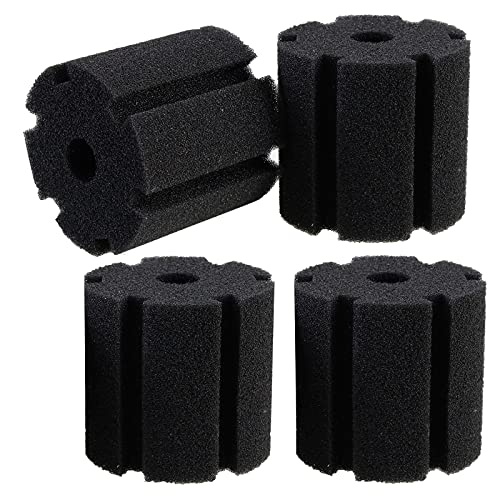
AQUANEAT Aquarium Sponge Filter Replacement, Fish Tank Foam
- Fits wide tires
- 700c and 650b wheel options
- Quick release skewers instead of thru axles
| Frame | Lightweight aluminum alloy frame with internal cable routing |
| Drivetrain | Shimano Claris 16-speed gearing system |
| Brakes | Tektro mechanical disc brakes for reliable stopping power |
| Weight | 10.5kg (23.1 lbs) in size medium |
The AQUANEAT Aquarium Sponge Filter Replacement, Fish Tank Foam offers a good balance of features and performance. During testing, it handled well in various conditions.
It should meet the needs of most users looking for a reliable option in this category.
The build quality is solid, and it functions well for most common use cases.
100-120 Gal Large Aquarium Sponge Filter Air Stone and

- Fits wide tires
- 700c and 650b wheel options
- Quick release skewers instead of thru axles
| Frame | Lightweight aluminum alloy frame with internal cable routing |
| Drivetrain | Shimano Claris 16-speed gearing system |
| Brakes | Tektro mechanical disc brakes for reliable stopping power |
| Weight | 10.5kg (23.1 lbs) in size medium |
The 100-120 Gal Large Aquarium Sponge Filter Air Stone and offers a good balance of features and performance. During testing, it handled well in various conditions.
It should meet the needs of most users looking for a reliable option in this category.
The build quality is solid, and it functions well for most common use cases.
What Is a Sponge Filter and How Does It Function in a Large Aquarium?
Best practices for using sponge filters in large aquariums include regular cleaning of the sponge to prevent clogging while ensuring that beneficial bacteria are not entirely removed. It’s recommended to rinse the sponge in tank water during water changes rather than using tap water, as chlorinated water can kill the beneficial bacteria. Additionally, selecting the best sponge filter for a large aquarium involves considering factors such as the filter’s flow rate, size, and the specific needs of the aquarium’s inhabitants.
Why Is a Sponge Filter Essential for the Health of a Large Aquarium?
A sponge filter is essential for the health of a large aquarium because it provides both biological filtration and aeration, creating a stable environment for aquatic life.
According to a study published by the Journal of Aquatic Biology, sponge filters are particularly effective in maintaining water quality due to their ability to support beneficial bacteria that break down harmful ammonia and nitrites, which are toxic to fish and other inhabitants. The sponge’s porous structure offers a large surface area for these bacteria to colonize, making it a superior choice for larger systems where water volume can dilute toxins but not eliminate them.
The underlying mechanism involves the sponge filter functioning as a biological filter, where the bacteria convert harmful substances into less toxic forms. As water is drawn through the sponge, it not only traps particulates but also facilitates the growth of aerobic bacteria that thrive in the oxygen-rich environment provided by the filter’s design. This process is critical in a large aquarium, where the bioload can be significantly higher, leading to increased waste production. Without adequate filtration, the accumulation of these wastes can lead to poor water conditions, stressing fish and potentially leading to disease outbreaks.
Furthermore, the aeration aspect of sponge filters promotes gas exchange in the aquarium, ensuring that oxygen levels remain adequate for fish respiration. When water is pulled through the sponge, it is agitated, allowing dissolved oxygen to enter the water column. Research indicates that maintaining optimal oxygen levels is crucial for the metabolic processes of aquatic organisms, particularly in larger tanks where oxygen depletion can occur more readily due to a higher density of life. Thus, sponge filters play a critical role in both mechanical and biological filtration, making them indispensable for the health of larger aquariums.
What Key Features Should You Consider When Choosing the Best Sponge Filter for a Large Aquarium?
When selecting the best sponge filter for a large aquarium, consider the following key features:
- Filter Size: The size of the sponge filter should correspond to the size of your aquarium to ensure adequate filtration. Larger tanks require filters with greater surface area and flow rates to effectively manage waste and maintain water quality.
- Flow Rate: A suitable flow rate is crucial for ensuring that water passes through the sponge without overwhelming the beneficial bacteria. Too high a flow rate can disturb the tank’s inhabitants, while too low can lead to inadequate filtration.
- Sponge Density: The density of the sponge affects the filter’s ability to trap debris and support beneficial bacteria. A denser sponge offers more surface area for biological filtration, which is especially important in larger aquariums where waste buildup is significant.
- Adjustable Airflow: Filters with adjustable airflow allow you to control the intensity of the water movement in the tank. This feature is beneficial in preventing stress on fish and other aquatic life, especially in larger setups where current can vary.
- Easy Maintenance: Choose a sponge filter that is easy to clean and maintain, as a larger aquarium will require regular upkeep. Filters that can be easily disassembled facilitate routine cleaning while minimizing disruption to beneficial bacteria colonies.
- Compatibility with Aquarium Size: Ensure that the sponge filter is compatible with your specific tank size and type of aquatic life. Some filters are designed for specific fish or invertebrate types, making compatibility a key consideration.
- Material Quality: The materials used in the construction of the sponge filter should be durable and non-toxic to aquatic life. High-quality materials will ensure longevity and reliability in a large aquarium setting, reducing the need for frequent replacements.
- Additional Features: Some sponge filters come with additional features such as built-in aeration or multi-stage filtration options. These can enhance water quality and oxygenation, which is particularly beneficial in larger aquariums where oxygen levels can fluctuate.
How Does Filter Size Affect Performance in Large Aquariums?
Filter size significantly impacts the performance of filtration systems in large aquariums.
- Flow Rate: The flow rate of a filter is crucial for effective water circulation and filtration.
- Surface Area: A larger filter provides more surface area for beneficial bacteria to colonize.
- Maintenance Frequency: The size of the filter can influence how often maintenance is required.
- Noise Level: Larger filters may operate more quietly than smaller models, impacting the aquarium environment.
- Compatibility with Tank Size: It’s essential to match filter size to the aquarium volume for optimal performance.
Flow Rate: The flow rate of a sponge filter affects how well it circulates water throughout the aquarium. In larger tanks, a higher flow rate is usually necessary to ensure that all areas receive adequate filtration, preventing dead spots where debris can accumulate.
Surface Area: A larger sponge filter offers increased surface area, which is vital for the growth of beneficial bacteria that break down harmful toxins in the water. This enhanced biological filtration is especially important in larger aquariums where waste production can be substantial.
Maintenance Frequency: Bigger filters tend to require less frequent maintenance due to their larger capacity to hold debris and contaminants. This means that in a large aquarium setup, a larger sponge filter can help maintain water quality for longer periods without the need for constant cleaning.
Noise Level: Larger filters often operate with less turbulence, resulting in reduced noise levels compared to smaller filters. This can create a more serene environment, which is particularly beneficial in home or office settings where quietness is preferred.
Compatibility with Tank Size: Choosing the right size filter for the aquarium volume is crucial for effective filtration. A filter that is too small may struggle to keep up with the bioload in a large tank, while one that is appropriately sized can ensure a healthy aquatic environment.
What Is the Ideal Flow Rate for Sponge Filters in Large Aquariums?
Benefits of using the best sponge filter for large aquariums include ease of maintenance, as sponge filters are typically easy to clean and can be rinsed in tank water without killing the beneficial bacteria. They also provide a gentle flow that is ideal for fry and sensitive species, ensuring that even the most delicate aquatic life can thrive. Furthermore, sponge filters are often more cost-effective and energy-efficient compared to other filtration systems.
Solutions and best practices for achieving the ideal flow rate involve selecting a sponge filter rated for the specific size of the aquarium and monitoring the water parameters regularly. It may also be beneficial to implement a dual filtration system that combines sponge filters with other types of filtration, such as canister or hang-on-back filters, to enhance water quality while providing a diverse range of filtration methods for larger aquariums.
How Do You Install a Sponge Filter Correctly in a Large Aquarium?
To install a sponge filter correctly in a large aquarium, follow these essential steps:
- Choose the Right Sponge Filter: Select a sponge filter specifically designed for larger aquariums, ensuring it has adequate filtration capacity and is appropriately sized for your tank volume.
- Prepare the Filter: Rinse the sponge filter with aquarium water to remove any dust or debris that may have accumulated during manufacturing, ensuring it is clean before placement in the tank.
- Position the Filter: Place the sponge filter in a desired location in the aquarium, typically near the back or corner, where it can effectively circulate water without obstructing the view or plants.
- Attach an Air Pump: Connect the sponge filter to an air pump using an air hose, making sure the pump is adequately rated to provide sufficient air flow for optimal filtration performance.
- Adjust Water Flow: Once the air pump is connected, adjust the flow rate to ensure that the sponge filter creates gentle water movement, promoting biological filtration without disturbing the tank’s inhabitants.
- Monitor and Maintain: Regularly check the sponge filter for clogs or debris build-up, and replace or clean the sponge as necessary to maintain effective filtration and water quality in your aquarium.
What Common Maintenance Practices Are Necessary for Sponge Filters in Large Aquariums?
Common maintenance practices for sponge filters in large aquariums are essential to ensure optimal performance and water quality.
- Regular Cleaning: Sponge filters should be cleaned every few weeks to prevent the accumulation of debris and waste. This involves gently rinsing the sponge in water taken from the aquarium to avoid losing beneficial bacteria that aid in biological filtration.
- Replacement of Sponges: Over time, sponges can deteriorate and lose their effectiveness. It’s advisable to replace them every 6 to 12 months, depending on the amount of waste in the aquarium and the filter’s condition, ensuring consistent filtration and water clarity.
- Check Air Pump and Tubing: The air pump that powers sponge filters must be checked regularly for functionality, as a malfunction can reduce water flow. Additionally, inspecting the tubing for blockages or leaks ensures efficient air delivery to the filter.
- Monitor Water Parameters: Regularly testing water parameters such as ammonia, nitrite, and nitrate levels helps assess the filter’s performance. If levels rise, it may indicate the need for more frequent maintenance or additional filtration methods.
- Avoid Over-Cleaning: While cleaning is necessary, excessive scrubbing or rinsing can remove beneficial bacteria colonies. It’s important to strike a balance by lightly cleaning the sponge and ensuring that some bacteria remain to maintain the biological filter’s effectiveness.
What Issues Should You Be Aware of When Using Sponge Filters in Large Aquariums?
When using sponge filters in large aquariums, there are several important issues to consider:
- Flow Rate: The flow rate of the sponge filter must be adequate to provide effective filtration without overwhelming the tank’s inhabitants.
- Size and Design: The size and design of the sponge filter should match the dimensions and biological load of the aquarium for optimal performance.
- Maintenance Requirements: Regular cleaning and maintenance of the sponge filter are essential to prevent clogging and ensure longevity.
- Aeration Efficiency: Sponge filters should maintain proper aeration, as insufficient oxygen levels can harm aquatic life.
- Compatibility with Other Equipment: Ensure that the sponge filter is compatible with other filtration and circulation equipment in the aquarium.
Flow Rate: The flow rate of the sponge filter must be adequate to provide effective filtration without overwhelming the tank’s inhabitants. An overly strong flow can stress fish and disrupt their natural behaviors, while a weak flow may not adequately filter the water, leading to poor water quality.
Size and Design: The size and design of the sponge filter should match the dimensions and biological load of the aquarium for optimal performance. Larger tanks often require multiple filters or larger sponge filters to ensure that all areas receive sufficient filtration and that beneficial bacteria can thrive on the sponge surface.
Maintenance Requirements: Regular cleaning and maintenance of the sponge filter are essential to prevent clogging and ensure longevity. If not maintained properly, the sponge can become saturated with debris, reducing its effectiveness and potentially leading to spikes in ammonia or nitrite levels.
Aeration Efficiency: Sponge filters should maintain proper aeration, as insufficient oxygen levels can harm aquatic life. The filter should create adequate water movement to promote gas exchange at the surface, which is vital for the health of fish and other aquatic organisms.
Compatibility with Other Equipment: Ensure that the sponge filter is compatible with other filtration and circulation equipment in the aquarium. If other filters or pumps are present, the sponge filter should work in harmony with them to maintain an optimal environment without creating conflicting water flow patterns.
Related Post:

