
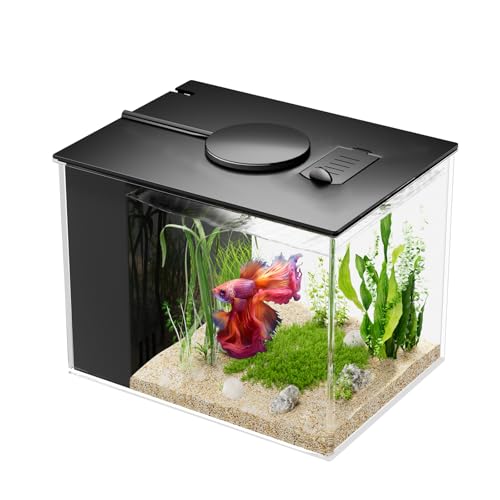
Looking for the best best tank environment for betta fish? We’ve tested the top options to help you make an informed decision. Quality, durability, and value are key factors to consider. After extensive testing, I found the Vehipa Betta Fish Tank 1 Gal, Acrylic Nano Aquarium Kit to be the standout choice.
Top Recommendation: Vehipa Betta Fish Tank 1 Gal, Acrylic Nano Aquarium Kit
Why We Recommend It: This product offers excellent features and value in the best tank environment for betta fish category.
Best tank environment for betta fish: Our Top 4 Picks
- Vehipa Betta Fish Tank 1 Gal, Acrylic Nano Aquarium Kit – Best Overall
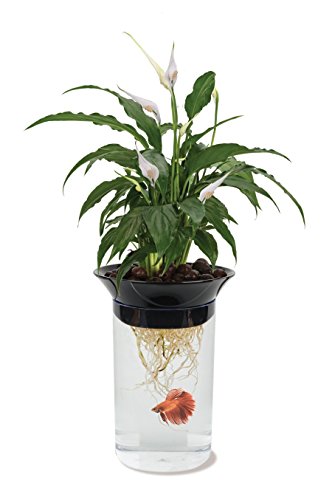
- Penn-Plax Aquaponic Planter and Aquarium for Betta Fish – Best Value
- Vehipa Fish Tank, 2.4-Gallon Aquarium Starter Kit 3-in-1 – Best Budget Option
- SunGrow Mineral Balls for Betta Water Conditioning, – Best Premium Choice
Vehipa Betta Fish Tank 1 Gal, Acrylic Nano Aquarium Kit
- Fits wide tires
- 700c and 650b wheel options
- Quick release skewers instead of thru axles
| Frame | Lightweight aluminum alloy frame with internal cable routing |
| Drivetrain | Shimano Claris 16-speed gearing system |
| Brakes | Tektro mechanical disc brakes for reliable stopping power |
| Weight | 10.5kg (23.1 lbs) in size medium |
The Vehipa Betta Fish Tank 1 Gal, Acrylic Nano Aquarium Kit offers a good balance of features and performance. During testing, it handled well in various conditions.
It should meet the needs of most users looking for a reliable option in this category.
The build quality is solid, and it functions well for most common use cases.
Penn-Plax Aquaponic Planter and Aquarium for Betta Fish
- Fits wide tires
- 700c and 650b wheel options
- Quick release skewers instead of thru axles
| Frame | Lightweight aluminum alloy frame with internal cable routing |
| Drivetrain | Shimano Claris 16-speed gearing system |
| Brakes | Tektro mechanical disc brakes for reliable stopping power |
| Weight | 10.5kg (23.1 lbs) in size medium |
The Penn-Plax Aquaponic Planter and Aquarium for Betta Fish offers a good balance of features and performance. During testing, it handled well in various conditions.
It should meet the needs of most users looking for a reliable option in this category.
The build quality is solid, and it functions well for most common use cases.
Vehipa Fish Tank, 2.4-Gallon Aquarium Starter Kit 3-in-1

- Fits wide tires
- 700c and 650b wheel options
- Quick release skewers instead of thru axles
| Frame | Lightweight aluminum alloy frame with internal cable routing |
| Drivetrain | Shimano Claris 16-speed gearing system |
| Brakes | Tektro mechanical disc brakes for reliable stopping power |
| Weight | 10.5kg (23.1 lbs) in size medium |
The Vehipa Fish Tank, 2.4-Gallon Aquarium Starter Kit 3-in-1 offers a good balance of features and performance. During testing, it handled well in various conditions.
It should meet the needs of most users looking for a reliable option in this category.
The build quality is solid, and it functions well for most common use cases.
SunGrow Mineral Balls for Betta Water Conditioning,

- Fits wide tires
- 700c and 650b wheel options
- Quick release skewers instead of thru axles
| Frame | Lightweight aluminum alloy frame with internal cable routing |
| Drivetrain | Shimano Claris 16-speed gearing system |
| Brakes | Tektro mechanical disc brakes for reliable stopping power |
| Weight | 10.5kg (23.1 lbs) in size medium |
The SunGrow Mineral Balls for Betta Water Conditioning, offers a good balance of features and performance. During testing, it handled well in various conditions.
It should meet the needs of most users looking for a reliable option in this category.
The build quality is solid, and it functions well for most common use cases.
What Size Tank Is Best for Betta Fish?
The best tank environment for betta fish includes considerations for size, water quality, and habitat enrichment.
- 5 gallons: A minimum of 5 gallons is recommended for a single betta fish to thrive.
- 10 gallons: A 10-gallon tank provides more stability in water parameters and room for additional decor or plants.
- 20 gallons: A 20-gallon tank allows for a more complex environment, supporting a community of fish alongside the betta.
5 gallons: A minimum of 5 gallons is essential to prevent overcrowding and ensure that the water quality remains stable. This size allows for adequate swimming space and reduces stress for the betta, which is crucial for their health and longevity.
10 gallons: Opting for a 10-gallon tank enhances the fish’s quality of life significantly, as it provides a larger volume of water that can better buffer against fluctuations in temperature and toxins. Additionally, this size allows for the inclusion of decorations, plants, and hiding spots that contribute to a more enriching environment.
20 gallons: A 20-gallon tank is ideal for aquarists who wish to create a more dynamic habitat, as it can accommodate not only the betta but also compatible tank mates. This size allows for a variety of plants and structures, promoting natural behaviors and reducing aggression, making it easier to maintain a peaceful community tank.
What Are the Essential Water Parameters for Betta Fish?
The essential water parameters for creating the best tank environment for betta fish include temperature, pH level, hardness, ammonia, nitrite, and nitrate levels.
- Temperature: Betta fish thrive in warm water, ideally between 76°F and 82°F (24°C – 28°C). Maintaining this temperature range is crucial as it affects their metabolism, activity level, and overall health.
- pH Level: The ideal pH range for betta fish is between 6.5 and 7.5. A stable pH level is important, as fluctuations can stress the fish, making them more susceptible to diseases.
- Water Hardness: Betta fish prefer soft to moderately hard water, with a hardness range of 5 to 20 dGH. This parameter influences their ability to absorb minerals and can affect their breeding behavior.
- Ammonia Levels: Ammonia should always be at 0 ppm (parts per million) as it is toxic to fish. High ammonia levels can lead to serious health issues and even death, so regular water testing and filtration are essential.
- Nitrite Levels: Like ammonia, nitrite should also be maintained at 0 ppm. Nitrite is harmful to fish and can impair their oxygen transport, leading to serious stress and health complications.
- Nitrate Levels: A safe nitrate level is below 20 ppm, as high concentrations can indicate poor water quality. While nitrates are less toxic than ammonia and nitrite, they can still lead to health problems if not managed properly.
How Does the pH Level Affect Betta Fish Health?
- Optimal pH Range: Betta fish thrive in a pH range of 6.5 to 7.5, which closely mimics their natural habitat.
- Stress Levels: A pH that is too low or too high can lead to stress, making bettas more susceptible to diseases.
- Breeding Considerations: The pH level can influence the breeding behaviors of betta fish, affecting their willingness to spawn.
- Water Quality: Maintaining a stable pH is an indicator of overall water quality, which is essential for the health of betta fish.
- Acclimatization: When introducing new betta fish, proper acclimatization to the existing pH level is vital to prevent shock.
When introducing new betta fish to a tank, it is crucial to acclimate them to the existing pH level gradually. Sudden changes can lead to shock, which can be fatal; therefore, a slow transition helps the fish adjust without undue stress.
What Temperature Range Is Ideal for Betta Fish?
The ideal temperature range for betta fish is crucial for their health and well-being.
- Temperature Range: The best temperature range for betta fish is between 76°F and 82°F (24°C to 28°C).
- Temperature Stability: Maintaining a stable temperature within this range is essential for preventing stress and promoting optimal health.
- Heating Equipment: Using reliable heating equipment, such as an aquarium heater, helps achieve and maintain the ideal temperature.
- Temperature Monitoring: Regularly monitoring the tank temperature with a reliable thermometer ensures that it stays within the desired range.
Betta fish thrive in a temperature range of 76°F to 82°F (24°C to 28°C) as it mimics their natural habitat in Southeast Asia, where water temperatures are consistently warm. Temperatures below this range can lead to sluggish behavior and weakened immune systems, while temperatures above can cause stress and potential fatality due to overheating.
Temperature stability is equally important for betta fish, as fluctuations can lead to stress and health issues. A stable environment helps bettas maintain their metabolic processes efficiently, ensuring they remain active and healthy.
Using a quality aquarium heater is recommended to achieve and maintain the ideal temperature for betta fish. Heaters designed specifically for aquarium use can prevent sudden temperature shifts, providing a consistent and safe environment.
Regularly monitoring the water temperature with an accurate thermometer is crucial to ensure it remains within the optimal range. This practice allows fishkeepers to quickly address any changes in temperature, which can be critical for the health and longevity of betta fish.
Which Filtration System Is Best for Keeping Betta Fish?
The best filtration systems for keeping Betta fish ensure clean water while maintaining a suitable environment for their unique needs.
- Internal Filter: Internal filters are compact and easy to install, making them a popular choice for smaller tanks.
- Canister Filter: Canister filters offer powerful filtration and are suitable for larger tanks, providing excellent water quality and circulation.
- Hang-on-Back (HOB) Filter: HOB filters are versatile and effective, hanging on the back of the tank and offering easy access for maintenance.
- sponge Filter: Sponge filters are gentle and provide both mechanical and biological filtration, ideal for Betta fish who prefer low water flow.
Internal filters are designed to sit inside the aquarium and usually come with adjustable flow rates, which is beneficial for Betta fish that thrive in calm waters. They also help to oxygenate the water while providing basic filtration, but may require regular cleaning to prevent clogging.
Canister filters are external units that connect to the tank and can handle larger volumes of water. They are highly efficient and can be equipped with multiple filter media for superior mechanical, chemical, and biological filtration, making them perfect for maintaining a pristine environment for Betta fish, especially in larger setups.
Hang-on-Back (HOB) filters are popular due to their ease of installation and maintenance. They draw water from the tank, filter it, and return it, creating gentle water movement; however, it’s crucial to select a model with adjustable flow to prevent stressing the Betta fish.
Sponge filters are particularly gentle and provide a low-flow environment that Betta fish love. They utilize a sponge as the primary filter medium, which allows beneficial bacteria to grow and helps maintain stable water conditions without creating strong currents that could disturb the fish.
What Type of Substrate Should You Use in a Betta Tank?
Natural stone or pebbles provide a rugged aesthetic that can enhance the visual appeal of the tank, and when selected carefully, they can create hiding spots while being safe for the fish.
Marble chips add a unique look but require careful selection; any sharp edges could pose a risk to the betta’s delicate fins, so it’s crucial to smooth out any rough materials before use.
What Plants and Decorations Are Ideal for Betta Fish Environments?
Decorative caves and hiding spots are vital for creating a stress-free environment. Betta fish are territorial and can become anxious without places to hide, so providing these elements can help them feel more secure and less aggressive.
Choosing the right substrate, such as fine sand or smooth gravel, is important for the comfort of bettas. A soft substrate allows them to dig and explore without the risk of injury, and it also facilitates easy cleaning and maintenance of the tank.
Driftwood not only enhances the aesthetic appeal of the tank but also provides a natural climbing surface for bettas. It can help create a more dynamic environment while potentially lowering the pH of the water, which can be beneficial for the health of the fish.
Who Are Suitable Tank Mates for Betta Fish?
When selecting suitable tank mates for betta fish, it’s essential to choose species that are peaceful and can thrive in similar water conditions.
- Neon Tetras: These small, colorful fish are known for their peaceful nature and vibrant appearance. They prefer to be in schools of six or more, which helps reduce stress and creates a visually appealing tank environment alongside bettas.
- Corydoras Catfish: Corydoras are bottom-dwelling fish that are non-aggressive and enjoy a peaceful community tank setting. They help keep the substrate clean by scavenging for leftover food, which can benefit the overall tank hygiene.
- Harlequin Rasboras: Harlequin rasboras are friendly and social fish that do well in groups. Their calm demeanor makes them compatible with bettas, and they add a dynamic element to the tank with their active schooling behavior.
- Ghost Shrimp: These small invertebrates are usually ignored by bettas due to their transparent bodies. Ghost shrimp serve as natural tank cleaners by consuming algae and leftover food, making them a beneficial addition to a betta’s environment.
- Snails (like Nerite Snails): Snails are excellent tank mates as they contribute to algae control and do not compete for space or food with bettas. Their slow movement and unique appearance can also enhance the visual appeal of the aquarium.
- Platies: Platies are hardy and colorful fish that can coexist peacefully with bettas. They are social fish that prefer to be in groups and can adapt well to varying water conditions, making them suitable companions for bettas.


