
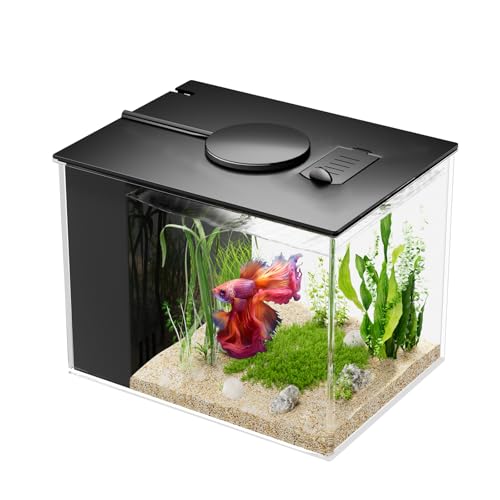
Looking for the best best tank environment for betta? We’ve tested the top options to help you make an informed decision. Quality, durability, and value are key factors to consider. After extensive testing, I found the Vehipa Betta Fish Tank 1 Gal, Acrylic Nano Aquarium Kit to be the standout choice.
Top Recommendation: Vehipa Betta Fish Tank 1 Gal, Acrylic Nano Aquarium Kit
Why We Recommend It: This product offers excellent features and value in the best tank environment for betta category.
Best tank environment for betta: Our Top 4 Picks
- Vehipa Betta Fish Tank 1 Gal, Acrylic Nano Aquarium Kit – Best Overall
- Vehipa Fish Tank, 2.4-Gallon Aquarium Starter Kit 3-in-1 – Best Value
- Penn-Plax Aquaponic Planter and Aquarium for Betta Fish | – Best Budget Option
- Vimvins 3 Gallon Glass Small Fish Tank, Betta Fish Tank – Best Premium Choice
Vehipa Betta Fish Tank 1 Gal, Acrylic Nano Aquarium Kit
- Fits wide tires
- 700c and 650b wheel options
- Quick release skewers instead of thru axles
| Frame | Lightweight aluminum alloy frame with internal cable routing |
| Drivetrain | Shimano Claris 16-speed gearing system |
| Brakes | Tektro mechanical disc brakes for reliable stopping power |
| Weight | 10.5kg (23.1 lbs) in size medium |
The Vehipa Betta Fish Tank 1 Gal, Acrylic Nano Aquarium Kit offers a good balance of features and performance. During testing, it handled well in various conditions.
It should meet the needs of most users looking for a reliable option in this category.
The build quality is solid, and it functions well for most common use cases.
Vehipa Fish Tank, 2.4-Gallon Aquarium Starter Kit 3-in-1

- Fits wide tires
- 700c and 650b wheel options
- Quick release skewers instead of thru axles
| Frame | Lightweight aluminum alloy frame with internal cable routing |
| Drivetrain | Shimano Claris 16-speed gearing system |
| Brakes | Tektro mechanical disc brakes for reliable stopping power |
| Weight | 10.5kg (23.1 lbs) in size medium |
The Vehipa Fish Tank, 2.4-Gallon Aquarium Starter Kit 3-in-1 offers a good balance of features and performance. During testing, it handled well in various conditions.
It should meet the needs of most users looking for a reliable option in this category.
The build quality is solid, and it functions well for most common use cases.
Penn-Plax Aquaponic Planter and Aquarium for Betta Fish |

- Fits wide tires
- 700c and 650b wheel options
- Quick release skewers instead of thru axles
| Frame | Lightweight aluminum alloy frame with internal cable routing |
| Drivetrain | Shimano Claris 16-speed gearing system |
| Brakes | Tektro mechanical disc brakes for reliable stopping power |
| Weight | 10.5kg (23.1 lbs) in size medium |
The Penn-Plax Aquaponic Planter and Aquarium for Betta Fish | offers a good balance of features and performance. During testing, it handled well in various conditions.
It should meet the needs of most users looking for a reliable option in this category.
The build quality is solid, and it functions well for most common use cases.
Vimvins 3 Gallon Glass Small Fish Tank, Betta Fish Tank

- Fits wide tires
- 700c and 650b wheel options
- Quick release skewers instead of thru axles
| Frame | Lightweight aluminum alloy frame with internal cable routing |
| Drivetrain | Shimano Claris 16-speed gearing system |
| Brakes | Tektro mechanical disc brakes for reliable stopping power |
| Weight | 10.5kg (23.1 lbs) in size medium |
The Vimvins 3 Gallon Glass Small Fish Tank, Betta Fish Tank offers a good balance of features and performance. During testing, it handled well in various conditions.
It should meet the needs of most users looking for a reliable option in this category.
The build quality is solid, and it functions well for most common use cases.
What are the Ideal Water Conditions for Betta Fish?
Water hardness reflects the mineral content in the water, which is important for the fish’s physiological functions. Ensuring the hardness is appropriate helps prevent stress and promotes better health and color vibrancy in bettas.
A gentle filtration system is necessary as bettas prefer calm waters; strong currents can be overwhelming and can lead to exhaustion. It’s vital to choose a filter that provides adequate cleaning without disturbing the betta’s preferred swimming conditions.
Both ammonia and nitrite are harmful substances that can accumulate in the tank, leading to severe health issues or even death. Regular water changes and monitoring of these levels are essential to keep the environment safe for bettas.
Nitrate, while less toxic than ammonia and nitrite, can still pose risks at elevated levels. Keeping nitrates below 20 ppm through regular maintenance and water changes is crucial for long-term health and well-being of betta fish.
What Temperature Range is Optimal for Betta Fish?
Maintaining a stable temperature is vital as Betta fish are sensitive to rapid fluctuations. Sudden changes can lead to stress, which may compromise their immune system and make them more susceptible to diseases.
Using an aquarium heater is recommended to ensure the tank consistently stays within the optimal range. Heaters designed for aquariums help avoid temperature drops, especially in cooler environments, ensuring a comfortable habitat for your Betta.
Regularly using a reliable thermometer will help to monitor the tank’s temperature accurately. This practice allows fish keepers to make necessary adjustments and ensure that the Betta fish remain in the best possible environment for their health.
How Does pH Level Affect Betta Fish Health?
- Optimal pH Range: Betta fish thrive in a pH range of 6.5 to 7.5, which mimics their natural habitats in Southeast Asia.
- Acidic pH Effects: A pH level below 6.5 can lead to stress in bettas, making them more susceptible to diseases and affecting their immune system.
- Alkaline pH Effects: If the pH exceeds 7.5, it can cause health issues such as skin irritation and hinder their ability to absorb oxygen effectively.
- Impact on Water Quality: pH levels can influence other water parameters, such as ammonia toxicity, which can be harmful to bettas if not properly managed.
- Adjustment and Stability: Maintaining a stable pH is essential; fluctuations can cause stress, so gradual adjustments are recommended if changes are necessary.
Betta fish thrive best in a pH range of 6.5 to 7.5, which closely resembles their natural environment in the shallow waters of Southeast Asia. This range allows for optimal health, promoting vibrant colors and active behavior.
When the pH drops below 6.5, bettas can experience stress, leading to weakened immune systems and a higher risk of diseases, which can significantly impact their lifespan. Stress symptoms may include lethargy, loss of appetite, and abnormal swimming patterns.
Conversely, a pH above 7.5 can lead to alkaline stress, resulting in skin irritation and difficulty in oxygen absorption, which can be detrimental to their well-being. In such conditions, bettas may exhibit signs of distress, such as gasping at the surface for air.
The pH level also affects water quality, particularly ammonia toxicity; higher pH levels can increase the toxicity of ammonia, posing a severe threat to bettas. Regular water testing is essential to ensure that ammonia and nitrite levels remain low, promoting a healthier tank environment.
For maintaining a stable pH, it’s crucial to monitor water parameters regularly, as sudden changes can cause stress to bettas. If adjustments are needed, they should be made gradually to minimize shock and ensure the fish remain healthy and vibrant.
What Level of Water Hardness is Best for Betta Fish?
The best tank environment for betta fish includes several key factors, including water hardness which plays a significant role in their health and well-being.
- Soft Water (0-5 dGH): Soft water is generally considered beneficial for betta fish, as it closely mimics their natural habitat in Southeast Asia. Bettas thrive in softer water because it reduces stress and enhances their ability to absorb necessary minerals and nutrients.
- Moderately Hard Water (6-10 dGH): This level of hardness is acceptable for bettas and can provide a balanced environment. While it is still within a safe range, moderate hardness may help in providing essential minerals that support overall health and immune function.
- Hard Water (11+ dGH): Hard water can be less than ideal for betta fish, as it may lead to stress and health issues over time. Prolonged exposure to hard water can cause problems such as gill irritation and difficulty in osmoregulation, which is crucial for their survival.
What is the Recommended Tank Size for Betta Fish?
The recommended tank size for Betta fish is crucial for their health and well-being. Bettas, known for their vibrant colors and unique personalities, thrive best in environments that mimic their natural habitat.
-
Minimum Size: A tank of at least 5 gallons is ideal for a single Betta. Smaller bowls may limit their movement and create stress, which can lead to health issues.
-
Optimal Size: A 10-gallon tank offers more space for swimming and exploration. It also provides a more stable environment with better water quality, reducing the need for frequent water changes.
-
Filtration: Regardless of the tank size, incorporating a filter can enhance water quality, but it’s important to ensure that the flow isn’t too strong, as Bettas prefer calm waters.
-
Heater: Maintaining a stable water temperature between 76°F and 82°F is essential. A heater is recommended for any tank size to keep the temperature consistent.
In summary, the right tank size not only enriches a Betta’s life but also simplifies care and maintenance.
How Does Tank Size Impact Betta Behavior and Health?
The size of a tank significantly influences betta behavior and health.
- Adequate Space: A larger tank provides more swimming space, which encourages natural behaviors such as exploring and exercising. In a confined space, bettas may become stressed, leading to aggression or lethargy.
- Water Quality: Bigger tanks usually have better water quality due to larger volumes of water that dilute toxins and pollutants. This stability reduces the frequency of water changes and promotes a healthier environment for the bettas.
- Social Interaction: In a spacious tank, bettas can have a more varied environment with decorations and hiding spots, allowing them to exhibit more social and territorial behaviors. This can be beneficial for their mental stimulation, reducing boredom and stress.
- Temperature Regulation: Larger tanks maintain a more stable temperature, which is crucial for bettas that thrive in warm water. Fluctuations in temperature can stress fish and lead to health issues, making tank size an important factor in maintaining a comfortable habitat.
- Filtration and Oxygenation: A bigger tank often accommodates better filtration systems that enhance water circulation and oxygen levels. This is essential for bettas, as they are labyrinth fish that require surface oxygen, and a well-filtered tank supports their overall health.
What Should Be Included in a Betta Fish Tank Setup?
The best tank environment for betta fish includes several critical components that ensure their health and happiness.
- Tank Size: A minimum of 5 gallons is recommended for betta fish to provide adequate swimming space and maintain water quality.
- Water Conditions: The ideal temperature range is between 76°F and 82°F, with a pH level between 6.5 and 7.5 to mimic their natural habitat.
- Filtration System: A gentle filtration system is necessary to keep the water clean while avoiding strong currents that can stress the betta.
- Heater: A reliable heater is essential to maintain a stable temperature, as bettas are tropical fish that thrive in warm water.
- Substrate: Soft substrates, such as sand or fine gravel, are preferable to prevent injury to the betta’s delicate fins.
- Plants and Hiding Spots: Live or silk plants and decorations provide hiding spots, which are crucial for reducing stress and creating a natural environment.
- Lighting: A suitable lighting system that mimics day and night cycles helps maintain the betta’s circadian rhythm and encourages healthy behavior.
- Regular Maintenance: Regular water changes and tank cleaning are vital to keep the environment healthy and to prevent the buildup of harmful substances.
Tank Size: A minimum of 5 gallons is recommended for betta fish to provide adequate swimming space and maintain water quality. Smaller tanks can lead to rapid fluctuations in water parameters, which can be harmful to bettas.
Water Conditions: The ideal temperature range is between 76°F and 82°F, with a pH level between 6.5 and 7.5 to mimic their natural habitat. Regular testing of water parameters is important to ensure a healthy environment.
Filtration System: A gentle filtration system is necessary to keep the water clean while avoiding strong currents that can stress the betta. Look for filters specifically designed for smaller tanks to ensure the flow is not too intense.
Heater: A reliable heater is essential to maintain a stable temperature, as bettas are tropical fish that thrive in warm water. Adjustable heaters with thermostats are ideal, allowing for precise temperature control.
Substrate: Soft substrates, such as sand or fine gravel, are preferable to prevent injury to the betta’s delicate fins. Avoid sharp or abrasive materials that could harm them while swimming.
Plants and Hiding Spots: Live or silk plants and decorations provide hiding spots, which are crucial for reducing stress and creating a natural environment. Providing a mix of open swimming areas and sheltered spaces enhances the betta’s well-being.
Lighting: A suitable lighting system that mimics day and night cycles helps maintain the betta’s circadian rhythm and encourages healthy behavior. Aim for a cycle of about 8-12 hours of light per day to simulate natural conditions.
Regular Maintenance: Regular water changes and tank cleaning are vital to keep the environment healthy and to prevent the buildup of harmful substances. Aim to change 25-50% of the water weekly, depending on the tank’s bioload.
What Types of Substrate Promote a Healthy Betta Habitat?
The best tank environment for bettas includes various types of substrates that promote their health and well-being.
- Gravel: Gravel is a popular substrate choice due to its availability in various colors and sizes. It provides a natural look while allowing water to circulate, preventing the buildup of waste beneath the surface.
- Sand: Sand is a fine substrate that is soft on betta fins and allows for easy digging, which is a natural behavior. It also helps to maintain water quality by preventing debris from settling, but it requires regular cleaning to avoid anaerobic pockets.
- Soil: Aquarium soil is nutrient-rich and beneficial for planted tanks, promoting healthy plant growth which in turn improves water quality. It can be more challenging to clean than gravel or sand, as it may release nutrients into the water column if disturbed.
- Marble Chips: Marble chips are visually appealing and provide a unique aesthetic to the tank while being smooth and safe for bettas. They do not impact water chemistry significantly, making them a suitable option for maintaining stable water conditions.
- Eco-Complete or Similar Products: These substrates are designed specifically for planted aquariums, offering a blend of nutrients and beneficial bacteria. They help create a thriving environment for both plants and bettas, but can be more expensive compared to traditional substrates.
Which Plants and Decorations are Safe and Beneficial for Betta Fish?
- Java Fern: This hardy plant is popular among betta owners due to its low maintenance needs and ability to thrive in a range of water conditions. It provides excellent hiding spots for bettas and can attach to rocks or driftwood, allowing for creative tank designs.
- Anubias: Anubias is another excellent choice, known for its broad leaves and resilience. It can grow in low light and can be attached to decorations, offering a safe environment for bettas while also contributing to the tank’s aesthetic appeal.
- Marimo Moss Balls: These unique, spherical algae are not only visually interesting but also serve as a natural filter, improving water quality. Bettas enjoy interacting with them, and they can help create a more stimulating environment.
- Floating Plants (such as Water Sprite or Duckweed): Floating plants provide shade and reduce stress for bettas by creating a more natural habitat. They also help absorb excess nutrients and can improve water quality, making them beneficial for fish health.
- Silk Plants: While live plants are great, silk plants are an excellent alternative for those who prefer low-maintenance options. They mimic natural foliage and are safe for bettas as they lack sharp edges, reducing the risk of fin damage.
- Driftwood: Adding driftwood not only enhances the tank’s aesthetic but also provides hiding spots and promotes beneficial bacteria growth. Bettas often enjoy swimming around and resting on driftwood, making it a valuable addition to their environment.
- Rock Structures: Smooth rocks can create interesting landscapes within the tank while providing additional hiding spots. It’s essential to ensure that the rocks are smooth and free from sharp edges to prevent injury to the betta.
What Essential Equipment is Needed for a Betta Tank?
The essential equipment for creating the best tank environment for a betta includes several key components that ensure the health and well-being of these vibrant fish.
- Aquarium Tank: The size and type of tank are crucial; a minimum of 5 gallons is recommended to provide ample swimming space and maintain stable water conditions.
- Filtration System: A quality filtration system helps keep the water clean and reduces harmful toxins, ensuring a healthier environment for your betta.
- Heater: Bettas prefer warm water, so a reliable aquarium heater is essential to maintain a temperature between 76°F and 82°F, which is ideal for their metabolism.
- Substrate: The choice of substrate, such as gravel or sand, can affect the tank’s aesthetics and the comfort of your betta; it should be smooth to prevent injury to their delicate fins.
- Plants and Decorations: Live or silk plants provide hiding spots and reduce stress for your betta, while also enhancing the tank’s visual appeal; avoid sharp decorations that could damage their fins.
- Lighting: Proper lighting not only showcases the vibrant colors of your betta but also supports plant growth if you choose live plants; ensure the light cycle mimics natural day and night patterns.
- Water Conditioner: A high-quality water conditioner is essential to remove harmful chemicals like chlorine and chloramine from tap water, making it safe for your betta.
How Do Filtration and Heating Systems Support Betta Health?
Water Quality Monitoring: Regularly checking parameters like pH, hardness, and ammonia levels is vital to ensure that the filtration is working correctly and that the tank environment remains stable. Poor water quality can lead to stress and illness in bettas, making monitoring crucial.
Flow Rate Adjustment: Bettas prefer low to moderate water movement, as strong currents can stress them. Adjustable filtration systems allow hobbyists to modify the flow rate, creating a more comfortable environment for the betta, which can help reduce anxiety and promote better health.
What Are the Best Tank Mates for Betta Fish?
The best tank mates for Betta fish can help create a harmonious aquarium environment while ensuring the Betta’s well-being.
- Corydoras Catfish: These peaceful bottom dwellers are ideal tank mates for Betta fish as they are non-aggressive and occupy a different area of the tank. Corydoras are social creatures that thrive in groups, making them a great addition without competing for space or resources with the Betta.
- Neon Tetras: Neon Tetras are small, vibrant fish that add color to the tank and typically swim in schools. Their calm nature and small size make them compatible with Betta fish, as they usually stay in the middle to upper levels of the aquarium, reducing the likelihood of territorial disputes.
- Ghost Shrimp: Ghost Shrimp serve as excellent tank mates due to their peaceful demeanor and ability to help keep the tank clean. They can coexist with Betta fish as long as the Betta doesn’t see them as a threat or food, and they provide an interesting dynamic in the tank environment.
- Harlequin Rasboras: These schooling fish are known for their friendly temperament and are safe to keep with Bettas. Harlequin Rasboras swim together in groups, which can help diffuse a Betta’s territorial instincts, making them less likely to engage in aggressive behavior.
- African Dwarf Frogs: African Dwarf Frogs are peaceful aquatic creatures that can peacefully share a tank with Betta fish. They generally stay at the bottom of the tank and do not pose any threat to the Betta, although it’s essential to monitor interactions to ensure compatibility.
- Endler’s Livebearers: These small and colorful fish are a wonderful addition to a Betta tank, as they are lively yet non-aggressive. Endler’s Livebearers tend to swim in the mid to upper levels of the tank, providing a lively atmosphere without challenging the Betta’s dominance.
How Can I Ensure Peaceful Coexistence with Betta Fish and Other Species?
To ensure peaceful coexistence between Betta fish and other species, creating the best tank environment is crucial.
- Tank Size: A larger tank, ideally 20 gallons or more, provides ample space for Betta fish and their tank mates to swim freely. In smaller tanks, Betta fish may become territorial and aggressive, leading to conflicts with other fish.
- Companion Species: Choosing the right tank mates is essential; species such as Corydoras, Neon Tetras, and certain snails can coexist peacefully with Betta fish. Avoid fin-nipping species or those that resemble Betta fish in color and shape to minimize aggression.
- Hiding Spots: Incorporating plants, rocks, and decorations creates hiding spots for both Betta fish and their companions. This setup allows fish to retreat and establish territories, which can reduce stress and aggression during interactions.
- Water Parameters: Maintaining stable water conditions, such as temperature (78-80°F), pH (6.5-7.5), and hardness, is vital for the health of all tank inhabitants. Sudden changes in water quality can increase stress levels, making fish more likely to exhibit aggressive behavior.
- Feeding Strategies: Ensuring that all fish receive adequate nutrition without competition can help maintain harmony. Use feeding techniques such as spot feeding or scattering food to prevent Betta fish from becoming possessive over food resources.


