
Looking for the best best tank mates for betta fish? We’ve tested the top options to help you make an informed decision. Quality, durability, and value are key factors to consider. After extensive testing, I found the Fish Mate F14 Aquarium Fish Feeder to be the standout choice.
Top Recommendation: Fish Mate F14 Aquarium Fish Feeder
Why We Recommend It: This product offers excellent features and value in the best tank mates for betta fish category.
Best tank mates for betta fish: Our Top 5 Picks
- Fish Mate F14 Aquarium Fish Feeder – Best Overall
- Petbank Automatic Fish Feeder for Aquarium Portion Control – Best Value
- API Betta Water Conditioner Betta Fish Freshwater Aquarium – Best Budget Option
- SunGrow Mineral Balls for Betta Water Conditioning, – Best Premium Choice
- SunGrow Betta Feeding Ring Suction Cup for Guppy & Small – Best for Beginners
Fish Mate F14 Aquarium Fish Feeder

- Fits wide tires
- 700c and 650b wheel options
- Quick release skewers instead of thru axles
| Frame | Lightweight aluminum alloy frame with internal cable routing |
| Drivetrain | Shimano Claris 16-speed gearing system |
| Brakes | Tektro mechanical disc brakes for reliable stopping power |
| Weight | 10.5kg (23.1 lbs) in size medium |
The Fish Mate F14 Aquarium Fish Feeder offers a good balance of features and performance. During testing, it handled well in various conditions.
It should meet the needs of most users looking for a reliable option in this category.
The build quality is solid, and it functions well for most common use cases.
Petbank Automatic Fish Feeder for Aquarium Portion Control

- Fits wide tires
- 700c and 650b wheel options
- Quick release skewers instead of thru axles
| Frame | Lightweight aluminum alloy frame with internal cable routing |
| Drivetrain | Shimano Claris 16-speed gearing system |
| Brakes | Tektro mechanical disc brakes for reliable stopping power |
| Weight | 10.5kg (23.1 lbs) in size medium |
The Petbank Automatic Fish Feeder for Aquarium Portion Control offers a good balance of features and performance. During testing, it handled well in various conditions.
It should meet the needs of most users looking for a reliable option in this category.
The build quality is solid, and it functions well for most common use cases.
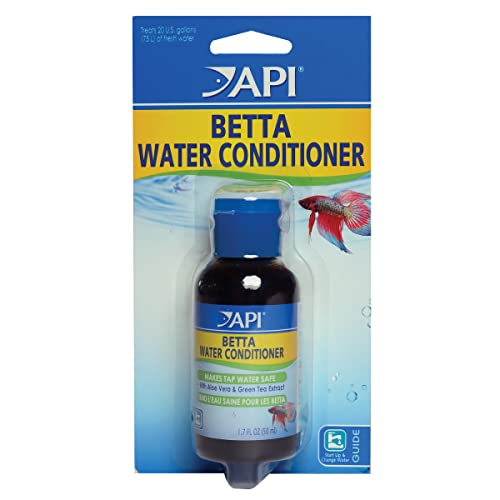
API Betta Water Conditioner Betta Fish Freshwater Aquarium
- Fits wide tires
- 700c and 650b wheel options
- Quick release skewers instead of thru axles
| Frame | Lightweight aluminum alloy frame with internal cable routing |
| Drivetrain | Shimano Claris 16-speed gearing system |
| Brakes | Tektro mechanical disc brakes for reliable stopping power |
| Weight | 10.5kg (23.1 lbs) in size medium |
The API Betta Water Conditioner Betta Fish Freshwater Aquarium offers a good balance of features and performance. During testing, it handled well in various conditions.
It should meet the needs of most users looking for a reliable option in this category.
The build quality is solid, and it functions well for most common use cases.
SunGrow Mineral Balls for Betta Water Conditioning,

- Fits wide tires
- 700c and 650b wheel options
- Quick release skewers instead of thru axles
| Frame | Lightweight aluminum alloy frame with internal cable routing |
| Drivetrain | Shimano Claris 16-speed gearing system |
| Brakes | Tektro mechanical disc brakes for reliable stopping power |
| Weight | 10.5kg (23.1 lbs) in size medium |
The SunGrow Mineral Balls for Betta Water Conditioning, offers a good balance of features and performance. During testing, it handled well in various conditions.
It should meet the needs of most users looking for a reliable option in this category.
The build quality is solid, and it functions well for most common use cases.
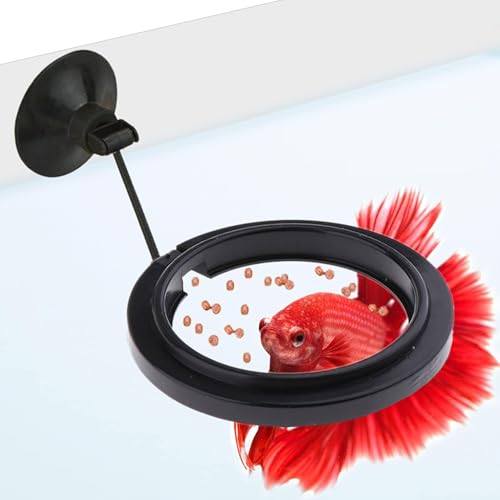
SunGrow Betta Feeding Ring Suction Cup for Guppy & Small
- Fits wide tires
- 700c and 650b wheel options
- Quick release skewers instead of thru axles
| Frame | Lightweight aluminum alloy frame with internal cable routing |
| Drivetrain | Shimano Claris 16-speed gearing system |
| Brakes | Tektro mechanical disc brakes for reliable stopping power |
| Weight | 10.5kg (23.1 lbs) in size medium |
The SunGrow Betta Feeding Ring Suction Cup for Guppy & Small offers a good balance of features and performance. During testing, it handled well in various conditions.
It should meet the needs of most users looking for a reliable option in this category.
The build quality is solid, and it functions well for most common use cases.
What Characteristics Make Tank Mates Suitable for Betta Fish?
The best tank mates for betta fish are determined by their compatibility, temperament, and environmental needs.
- Temperament: Tank mates should have a peaceful nature to avoid aggressive interactions with bettas.
- Size: Suitable tank mates should be similar in size to prevent bettas from seeing them as prey.
- Water Requirements: All fish in the tank should thrive in similar water conditions, such as temperature and pH levels.
- Swimming Behavior: Fish that occupy different levels of the tank can reduce territorial disputes with bettas.
- Non-Colorful Fish: Tank mates that are not brightly colored can reduce the betta’s tendency to flare up in aggression.
Temperament is crucial as betta fish are known for their aggressiveness; therefore, choosing calm species will help maintain a peaceful environment. Fish like neon tetras or corydoras are often recommended as they generally display non-aggressive behavior.
Size is another important factor; smaller fish may be seen as food by bettas, leading to stress or harm. Ideally, tank mates should be at least the same size as the betta or larger to deter any predatory behavior.
Water requirements must align to ensure that all fish can live comfortably without health issues; both bettas and their companions should thrive in similar temperatures, typically between 76°F and 82°F, and have compatible pH levels. This compatibility minimizes stress and promotes a healthier tank ecosystem.
Swimming behavior plays a role in reducing conflicts. Fish that prefer the mid to bottom levels of the tank, such as bottom dwellers, can coexist with bettas that usually occupy the upper regions, minimizing territorial disputes.
Lastly, non-colorful fish can help in maintaining harmony, as bright colors may trigger the betta’s aggressive tendencies. Choosing muted or less vibrant fish, like certain types of danios or guppies, can help keep the betta calm and reduce unnecessary confrontations.
Which Fish Are Considered the Best Tank Mates for Betta Fish?
The best tank mates for betta fish are those that are non-aggressive and can thrive in similar water conditions.
- Corydoras Catfish: These small, peaceful bottom dwellers are great companions for betta fish.
- Neon Tetras: Brightly colored and small, neon tetras add visual appeal to the tank while being non-threatening to bettas.
- Ghost Shrimp: These transparent shrimp help clean the tank and can coexist peacefully with bettas.
- African Dwarf Frogs: These aquatic frogs are calm and do not compete with bettas for food or territory.
- Platies: Hardy and sociable, platies can easily integrate into a community tank with bettas.
- Endler’s Livebearers: Similar to guppies, these small fish are vibrant and generally non-aggressive, making them suitable tank mates.
Corydoras Catfish: Corydoras are small, peaceful fish that spend most of their time at the bottom of the tank, which reduces the likelihood of aggression from the betta. They thrive in groups and help keep the substrate clean, promoting a healthy environment for all tank inhabitants.
Neon Tetras: Neon tetras are small schooling fish that add a splash of color without being aggressive. Their small size and calm nature make them less likely to provoke a betta, allowing for a harmonious tank setup.
Ghost Shrimp: Ghost shrimp are excellent scavengers that will help maintain water quality by eating algae and leftover food. Their transparent bodies make them interesting to observe, and they typically ignore bettas, reducing the chance of conflict.
African Dwarf Frogs: These frogs are peaceful and spend their time swimming or resting among plants and decorations. They require similar water conditions to bettas and do not compete for food, making them suitable companions.
Platies: Platies are hardy fish that adapt well to various water conditions and are known for their friendly demeanor. They are livebearers that can coexist with bettas without causing stress or aggression.
Endler’s Livebearers: Endler’s livebearers are small, colorful fish that are generally peaceful and can thrive with bettas. Their active swimming and vibrant colors make them an engaging addition to the tank while minimizing the chances of conflict with the betta fish.
Can Betta Fish Coexist with Neon Tetras?
Betta fish, known for their vivid colors and flowing fins, can coexist peacefully with certain tank mates. Neon Tetras are often considered for companionship due to their small size and peaceful nature. However, their successful cohabitation with Bettas depends on several factors:
-
Size and Behavior: Neon Tetras are small (1-1.5 inches) and generally non-aggressive. Their schooling behavior helps disperse attention, reducing the likelihood of Betta aggression.
-
Tank Size: A larger tank (at least 20 gallons) is recommended to provide ample space for both species. More space allows Bettas to retreat if they feel threatened and allows Tetras to swim freely in schools.
-
Hiding Spots: Including plants and decorations creates hiding places, which is essential for both species. Tetras can utilize these when feeling stressed, and Bettas can seek refuge if they become overwhelmed.
-
Temperament Monitoring: Each Betta has a unique personality. Introducing Tetras should be done cautiously, observing interactions for any signs of aggression.
While many aquarists report success keeping Neon Tetras with Bettas, individual experiences may vary. Always prioritize the well-being of both species in the tank.
Is it Safe to Keep Corydoras with Betta Fish?
Corydoras catfish can be safe tank mates for betta fish under the right conditions.
- Calm Temperament: Corydoras are known for their peaceful nature, which makes them less likely to provoke aggressive behaviors from bettas.
- Bottom-Dwelling Behavior: Being bottom dwellers, Corydoras occupy a different stratum of the aquarium, reducing direct competition for space and resources with bettas.
- Schooling Fish: Corydoras thrive in groups, so it’s advisable to keep them in pairs or small schools, which can promote a more stable environment.
- Tank Size and Setup: Providing a spacious tank with plenty of hiding spots and plants can help mitigate any territorial disputes between species.
- Water Conditions: Both bettas and Corydoras prefer similar water parameters, such as temperature and pH, which can facilitate a harmonious coexistence.
The peaceful nature of Corydoras makes them an excellent choice for tank mates, as they generally do not exhibit aggressive behavior that could trigger a betta’s territorial instincts. Their bottom-dwelling habits mean they are less likely to interfere with a betta’s space, allowing both species to coexist more comfortably.
Keeping Corydoras in groups of at least three helps to reduce stress in these catfish, and when they feel secure, they are less likely to disturb the betta. This schooling behavior can also provide a distraction for the betta, potentially leading to a more peaceful community tank environment.
Creating an appropriate tank setup with plenty of decorations, plants, and hiding spots can further alleviate any potential aggression between the species. Ensuring that the tank is adequately sized—at least 20 gallons for a betta with a group of Corydoras—can also play a crucial role in maintaining harmony.
Finally, both fish share similar water requirements, which simplifies maintenance and helps ensure that both species thrive in the same environment. Keeping the water clean and stable will benefit both the betta and Corydoras, making them compatible tank mates.
How Do Guppies Perform as Tank Mates for Betta Fish?
Guppies can be considered as potential tank mates for Betta fish under certain conditions, but there are important factors to consider.
- Coloration: Guppies come in a wide variety of colors, which may entice a Betta’s territorial instincts.
- Fin Type: Guppies with long, flowing fins are more likely to trigger aggressive behavior in Betta fish.
- Schooling Behavior: Guppies are social fish and prefer to be in groups, which can affect their interactions with Betta fish.
- Tank Size: A larger tank can help provide the necessary space for both species to coexist peacefully.
- Water Parameters: Both species thrive in similar water conditions, making them compatible in terms of habitat requirements.
Coloration: Guppies exhibit a range of bright colors and patterns that might attract a Betta’s attention. This can lead to stress or aggression, as Betta fish may perceive the guppies as rivals or threats in their territory.
Fin Type: Guppies with long, flowing fins are particularly at risk when housed with Betta fish, as the Betta may mistake them for another Betta or simply be triggered by their fin displays. Short-finned guppies are generally a safer choice to minimize the risk of fin-nipping.
Schooling Behavior: Guppies are naturally social and thrive in groups, so keeping them in a school can help distribute the Betta’s aggression. However, if a Betta becomes overly territorial, it may still single out one or two guppies for harassment, leading to stress or injury.
Tank Size: Providing a larger tank, ideally 20 gallons or more, can create ample space for both species to establish their territories. A well-planted tank can also provide hiding spots for guppies, which can help them evade aggressive interactions with the Betta.
Water Parameters: Both Betta fish and guppies prefer similar water conditions, such as temperature and pH levels, which makes them compatible in this aspect. Maintaining stable water quality will help support the health of both species, reducing stress and potential aggression.
What About Snails: Are They Compatible with Betta Fish?
When considering tank mates for betta fish, it’s important to evaluate compatibility carefully.
- Snails: Generally, certain types of snails can coexist with betta fish without issues.
- Cherry Shrimp: These small shrimp can be good companions, although care must be taken with larger bettas.
- Neon Tetras: These small schooling fish can work well in a community tank with bettas if introduced properly.
- Endler’s Livebearers: This species is often peaceful and can avoid aggression from bettas.
- Ghost Shrimp: Ghost shrimp are hardy and can serve as scavengers in a betta tank, although some bettas may see them as food.
Snails: Common varieties like Nerite or Malaysian Trumpet snails are usually safe as they tend to stay at the bottom of the tank and do not provoke bettas. Snails also help maintain tank cleanliness by consuming algae, which can be beneficial for the environment.
Cherry Shrimp: These vibrant little shrimp can add color to the tank and help with algae control. However, it’s crucial to monitor betta behavior, as some bettas may exhibit aggressive tendencies towards the shrimp, especially if they feel threatened.
Neon Tetras: These small and peaceful fish thrive in groups and can often diffuse aggressive behavior from bettas. However, it’s advisable to introduce them to the tank when the betta is young or to ensure that the betta is not overly aggressive.
Endler’s Livebearers: Known for their vibrant colors and small size, Endler’s Livebearers are typically non-aggressive and can coexist with bettas. They are also active swimmers, which can help divert a betta’s attention away from aggression.
Ghost Shrimp: These transparent shrimp can be good scavengers and help maintain a clean tank environment. However, some bettas may see them as prey, so it’s important to observe interactions and be ready to separate them if necessary.
What Types of Fish Should You Avoid Keeping with Betta Fish?
When considering tank mates for betta fish, certain types of fish should be avoided due to aggression or compatibility issues.
- Other Betta Fish: Keeping multiple bettas in the same tank can lead to territorial disputes and severe fighting, potentially resulting in injury or death.
- Guppies: Guppies can be colorful and appealing, but their long, flowing fins may trigger a betta’s aggressive instincts, leading to fin nipping or harassment.
- Neon Tetras: While small and peaceful, neon tetras can be seen as prey by bettas, especially if the betta is larger, which can lead to stress or predation.
- Goldfish: Goldfish thrive in cooler water, while bettas prefer warmer environments; this temperature mismatch can cause health issues for both species.
- Angelfish: Angelfish are territorial and can become aggressive towards bettas, especially if they feel their space is being invaded, which can result in injuries.
- Barbs: Fish like tiger barbs are known for their nippy behavior, which can provoke bettas and lead to constant stress and fighting.
- Large Cichlids: Larger cichlid species can be overly aggressive and territorial, making them unsuitable companions for the more docile betta fish.
- Sharks: Fish like rainbow sharks can be quite territorial and may view bettas as rivals, which could lead to aggressive encounters.
How Can You Successfully Introduce New Tank Mates to Your Betta Fish?
Successfully introducing new tank mates to your Betta fish involves understanding compatibility, acclimation, and monitoring behavior. Here are some of the best tank mates for Betta fish:
- Neon Tetras: These small, colorful fish are peaceful and thrive in schools, making them ideal companions for Betta fish. Their non-aggressive nature and size help reduce the chances of conflict, allowing for a vibrant community tank.
- Corydoras Catfish: Corydoras are bottom dwellers that are known for their calm demeanor and social behavior. They help keep the tank clean by scavenging leftover food, and their peaceful interactions with Betta fish can create a harmonious environment.
- Ghost Shrimp: These small invertebrates are excellent tank mates due to their ability to help maintain water quality and their non-threatening presence. Betta fish may find them intriguing, but they typically coexist well as long as the Betta isn’t overly aggressive.
- Harlequin Rasboras: These fish are known for their striking coloration and peaceful temperament, making them suitable companions for Betta fish. They prefer to be in groups, which can provide a lively swimming area without provoking the Betta.
- African Dwarf Frogs: These frogs are generally peaceful and can live alongside Betta fish if given enough space. Their unique swimming style and behavior can keep the tank engaging, but it’s essential to ensure that the Betta does not become territorial towards them.
- Platies: Platies are hardy, colorful fish that are known for their friendly nature and adaptability. They can add diversity to your tank while generally keeping a low profile, which minimizes stress for the Betta.
- Endler’s Livebearers: These small, vibrant fish are known for their lively nature and compatibility with Betta fish. Their active swimming and small size make them less likely to provoke aggression from the Betta, promoting a peaceful tank environment.


