
Looking for the best best water testing for betta fish? We’ve tested the top options to help you make an informed decision. Quality, durability, and value are key factors to consider. After extensive testing, I found the API Freshwater Master Test Kit 800-Test Freshwater Aquarium to be the standout choice.
Top Recommendation: API Freshwater Master Test Kit 800-Test Freshwater Aquarium
Why We Recommend It: This product offers excellent features and value in the best water testing for betta fish category.
Best water testing for betta fish: Our Top 3 Picks
- API Freshwater Master Test Kit 800-Test Freshwater Aquarium – Best Overall
- Pawfly 5 in 1 Aquarium Water Master Test Kit, Fish Tank – Best Value
- DaToo 8 in 1 Aquarium Test Kit Fish Tank Test Strips – Best Budget Option
API Freshwater Master Test Kit 800-Test Freshwater Aquarium

- Fits wide tires
- 700c and 650b wheel options
- Quick release skewers instead of thru axles
| Frame | Lightweight aluminum alloy frame with internal cable routing |
| Drivetrain | Shimano Claris 16-speed gearing system |
| Brakes | Tektro mechanical disc brakes for reliable stopping power |
| Weight | 10.5kg (23.1 lbs) in size medium |
The API Freshwater Master Test Kit 800-Test Freshwater Aquarium offers a good balance of features and performance. During testing, it handled well in various conditions.
It should meet the needs of most users looking for a reliable option in this category.
The build quality is solid, and it functions well for most common use cases.
Pawfly 5 in 1 Aquarium Water Master Test Kit, Fish Tank

- Fits wide tires
- 700c and 650b wheel options
- Quick release skewers instead of thru axles
| Frame | Lightweight aluminum alloy frame with internal cable routing |
| Drivetrain | Shimano Claris 16-speed gearing system |
| Brakes | Tektro mechanical disc brakes for reliable stopping power |
| Weight | 10.5kg (23.1 lbs) in size medium |
The Pawfly 5 in 1 Aquarium Water Master Test Kit, Fish Tank offers a good balance of features and performance. During testing, it handled well in various conditions.
It should meet the needs of most users looking for a reliable option in this category.
The build quality is solid, and it functions well for most common use cases.
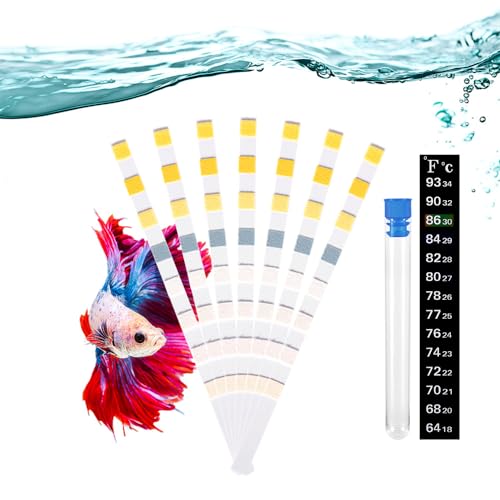
DaToo 8 in 1 Aquarium Test Kit Fish Tank Test Strips
- Fits wide tires
- 700c and 650b wheel options
- Quick release skewers instead of thru axles
| Frame | Lightweight aluminum alloy frame with internal cable routing |
| Drivetrain | Shimano Claris 16-speed gearing system |
| Brakes | Tektro mechanical disc brakes for reliable stopping power |
| Weight | 10.5kg (23.1 lbs) in size medium |
The DaToo 8 in 1 Aquarium Test Kit Fish Tank Test Strips offers a good balance of features and performance. During testing, it handled well in various conditions.
It should meet the needs of most users looking for a reliable option in this category.
The build quality is solid, and it functions well for most common use cases.
What Are the Most Important Water Parameters to Test for Betta Fish?
The most important water parameters to test for betta fish include pH, ammonia, nitrite, nitrate, and temperature.
- pH: The pH level indicates how acidic or basic the water is, which ideally should be between 6.5 and 7.5 for bettas. An unstable pH can cause stress and health issues, so regular testing helps maintain a stable environment for the fish.
- Ammonia: Ammonia is a toxic compound that can accumulate from fish waste and uneaten food, and levels should always be at 0 ppm (parts per million). Elevated ammonia levels can lead to serious health problems, including gill damage and even death, making it crucial to test frequently.
- Nitrite: Nitrite is another harmful byproduct of fish waste and is produced during the nitrogen cycle; it should also be maintained at 0 ppm. High nitrite levels can result in “brown blood disease,” where fish cannot transport oxygen effectively, leading to potential suffocation.
- Nitrate: Nitrate is less toxic than ammonia and nitrite but can still be harmful in high concentrations, ideally kept below 20 ppm. Regular water changes can help manage nitrate levels, as they increase through the breakdown of organic waste and should be monitored to prevent stress on the fish.
- Temperature: Betta fish thrive in warm waters, with an ideal temperature range of 76°F to 82°F (24°C to 28°C). Consistently testing the water temperature ensures that it remains within this range, which is vital for their metabolism and overall health.
How Effective Are Test Kits for Assessing Betta Fish Water Quality?
Test kits for assessing betta fish water quality are essential tools for maintaining a healthy aquatic environment.
- pH Test Kits: These kits measure the acidity or alkalinity of the water, which is crucial for betta health. Betta fish thrive in a pH range of 6.5 to 7.5; levels outside this range can lead to stress and health issues.
- Ammonia Test Kits: Ammonia is a toxic byproduct of fish waste, uneaten food, and decaying plants. Test kits that measure ammonia levels help ensure they stay at zero, as even low levels can be harmful to bettas.
- Nitrite Test Kits: Nitrite, another waste product, can accumulate in tanks and is particularly toxic to fish. Regular testing for nitrite ensures that beneficial bacteria are present to convert it to less harmful nitrate.
- Nitrate Test Kits: These kits measure the levels of nitrate, which is less harmful than ammonia and nitrite but still needs to be monitored. High nitrate levels can lead to poor water quality and stress for bettas, so testing helps maintain a balanced environment.
- Hardness Test Kits: Water hardness refers to the concentration of minerals like calcium and magnesium in the water. Bettas prefer soft to moderately hard water, and testing helps ensure that the mineral content is suitable for their health and breeding.
- Temperature Test Kits: While not traditional test kits, thermometers are vital for monitoring water temperature, which should be between 75°F to 80°F for bettas. Sudden temperature changes can stress fish, so accurate temperature readings are essential.
Which Brands Offer the Best Test Kits for Betta Fish?
Several brands are recognized for providing the best water testing kits for betta fish enthusiasts.
- API Freshwater Master Test Kit: This kit is highly regarded for its comprehensive testing capabilities, including pH, ammonia, nitrite, and nitrate levels.
- Sera Aquatan Test Kit: Known for its accuracy, this kit offers quick results and is particularly user-friendly, making it ideal for both beginners and experienced aquarists.
- Salifert Test Kits: Salifert provides a range of specialized test kits that deliver precise measurements, particularly favored for their reliability in assessing water quality.
- Hanna Instruments Test Kits: These kits utilize advanced technology for accurate readings and often come with digital meters, making them perfect for those who prioritize precision.
- Nutrafin Test Kits: Featuring a range of tests, Nutrafin kits are designed for ease of use and are particularly good for monitoring essential parameters in smaller tanks.
The API Freshwater Master Test Kit is a go-to choice among aquarists because it includes essential tests for maintaining a healthy environment for betta fish. Its color-coded charts are easy to read, enabling hobbyists to quickly assess water conditions, which is crucial for the well-being of their fish.
The Sera Aquatan Test Kit stands out for its user-friendly design, allowing users to conduct tests efficiently. The kit provides fast results and is designed to be both reliable and straightforward, making it a favorite among those who may be new to fishkeeping.
Salifert Test Kits are known for their exceptional precision and reliability, offering detailed testing options that aquarists appreciate. These kits are specifically designed to cater to the needs of serious hobbyists, ensuring that they can maintain optimal water conditions for their bettas.
Hanna Instruments Test Kits incorporate advanced technology, including digital meters for accurate readings. These kits are particularly advantageous for those seeking precise measurements and a high-tech solution for monitoring water quality.
Nutrafin Test Kits are designed with convenience in mind, featuring easy-to-use tests that cover all necessary parameters for betta fish care. They are particularly useful for smaller tanks, ensuring that water conditions remain optimal for the health of the fish.
How Do Digital Water Testers Measure Up Against Traditional Kits?
Digital water testers and traditional kits each have their own advantages when it comes to measuring water quality for betta fish.
- Digital Water Testers: These devices provide quick and accurate readings of various water parameters, such as pH, ammonia, nitrate, and nitrite levels.
- Traditional Test Kits: These kits typically use chemical reagents to provide colorimetric readings, allowing users to manually compare the resulting colors to a scale.
- Ease of Use: Digital testers are generally easier to use, requiring only a probe to be submerged in water, while traditional kits involve multiple steps and precise measuring of reagents.
- Cost Consideration: While digital testers can be more expensive upfront, they may save money over time by reducing the need for constant replenishment of reagents used in traditional kits.
- Accuracy and Consistency: Digital testers often deliver more consistent results due to their electronic nature, while traditional kits can be subject to human error during color comparison.
- Portability: Digital testers are usually compact and easy to carry, making them suitable for quick checks, whereas traditional kits can be bulkier and require careful handling of chemicals.
Digital water testers are favored for their speed and convenience, often making them the best choice for fish owners who need to frequently monitor water conditions.
On the other hand, traditional test kits can be more budget-friendly and provide a hands-on approach to water testing, which some aquarists prefer.
Ultimately, the choice between digital testers and traditional kits depends on the user’s preferences, budget, and specific needs for maintaining a healthy environment for betta fish.
What Signs Indicate Poor Water Quality in Betta Fish?
Signs of poor water quality in Betta fish can significantly impact their health and well-being.
- Cloudy Water: Cloudiness in the water can indicate a buildup of waste, bacteria, or algae. This condition can stress Betta fish and lead to diseases if not addressed promptly.
- Unpleasant Odor: A foul smell emanating from the tank suggests the presence of decaying organic matter or harmful bacteria. This can create an unhealthy environment for your Betta, leading to potential health issues.
- Increased Aggression: Betta fish may exhibit heightened aggression or stress behaviors when water quality is poor. These changes can manifest as increased fin nipping or territorial disputes, indicating a need for immediate water testing and adjustments.
- Algae Growth: Excessive algae blooms can indicate imbalances in nutrients and light exposure. While some algae is natural, an overgrowth can harm Betta fish by depleting oxygen levels in the water.
- Abnormal Swimming Patterns: If a Betta is struggling to swim or frequently gasping at the surface, it may be a sign of poor water quality. These symptoms can indicate issues like high ammonia or nitrate levels, which are harmful to fish health.
- Faded Colors: Betta fish that appear dull or faded may be experiencing stress from poor water conditions. Healthy Betta fish should display vibrant colors, and any significant change can indicate underlying water quality problems.
- Frequent Illness: If your Betta is frequently falling ill or showing signs of disease, it could be linked to poor water quality. Regular monitoring and testing can help prevent diseases caused by toxic substances in the water.
How Frequently Should You Test Betta Fish Water Quality?
The frequency of testing water quality for betta fish is crucial for their health and well-being.
- Weekly Testing: Testing your betta fish’s water weekly is essential, especially in newly established tanks or when introducing new fish. This helps you monitor parameters like pH, ammonia, nitrite, and nitrate levels, ensuring they remain within safe ranges.
- Biweekly Testing: For more established aquariums with stable conditions, biweekly testing can be sufficient. This allows you to catch any fluctuations in water quality before they negatively impact your betta’s health.
- Post-Change Testing: Anytime you perform a water change, it’s important to test the water immediately afterward. This ensures that the new water added matches the ideal conditions required for your betta fish and helps prevent stress or shock.
- Seasonal Testing: Changes in temperature or water source can affect water quality, so testing at the beginning of each season can be beneficial. This proactive approach helps you anticipate and address any seasonal variations in water parameters.
- When Observing Symptoms: If your betta shows signs of stress or illness, immediate water testing is recommended. This can help identify any toxic levels of substances that may be causing health issues, allowing for prompt corrective actions.
What Essential Practices Should You Follow for Optimal Water Quality Maintenance for Betta Fish?
To ensure optimal water quality for betta fish, several essential practices should be followed:
- Regular Water Testing: Consistently test the water parameters such as pH, ammonia, nitrites, and nitrates using reliable test kits.
- Water Changes: Perform regular water changes, typically 20-30% weekly, to maintain water quality and remove toxins.
- Filtration System: Utilize an appropriate filtration system to help keep the water clean and reduce the buildup of harmful chemicals.
- Temperature Monitoring: Ensure the water temperature remains stable between 76-82°F, as bettas thrive in warm water.
- Aquarium Maintenance: Clean the tank and décor regularly to prevent algae growth and maintain a healthy environment.
Regular water testing is crucial as it allows you to monitor the levels of harmful substances and ensure they remain within safe ranges. Using high-quality test kits designed for freshwater aquariums can provide accurate readings, helping to identify any issues before they affect your betta’s health.
Water changes play a vital role in maintaining a healthy environment. By replacing a portion of the water weekly, you dilute toxins that accumulate over time, such as nitrates and phosphates, which can be harmful to your fish if left unchecked.
An appropriate filtration system is essential for maintaining water quality. A filter helps to circulate the water, oxygenate it, and remove waste, but it’s important to choose one that is suitable for the size of your tank and the specific needs of betta fish, as they prefer gentle water movement.
Temperature monitoring is vital since temperature fluctuations can stress your betta fish and make them susceptible to illness. Using a reliable aquarium heater and thermometer will help maintain a consistent temperature within the ideal range for bettas.
Regular aquarium maintenance, including cleaning the tank and decorations, is necessary to prevent algae buildup and ensure a clean living space for your betta. Removing uneaten food and leftover waste during maintenance can also help maintain water clarity and quality.
Related Post:

