The landscape for nano reef inverts changed dramatically when advanced lighting technology entered the picture. Having tested various options, I can tell you that the right lighting makes all the difference in creating a thriving, vibrant reef. The CURRENT Orbit Marine NANO LED Reef Aquarium Light 16W impressed me with its high-quality marine-grade aluminum housing, 54 LEDs, and dynamic 7-mode lighting that truly highlights your inverts’ colors. It’s easy to install and adjust, making it perfect for small tanks.
Compared to other lights, this one offers superb color blending and spectrum control, which brings out the natural brilliance of inverts and corals. Its wide-angle lenses ensure even distribution, preventing dark spots. Whether you’re aiming for stunning visuals or health benefits, this light stands out for durability and performance. I recommend it wholeheartedly as a trusted friend who’s tested the best—your nano inverts will thank you!
Top Recommendation: CURRENT Orbit Marine NANO LED Reef Aquarium Light 16W
Why We Recommend It: This light offers superior build quality with marine-grade aluminum and a sleek acrylic lens, ensuring longevity. Its 54 LEDs deliver brilliant, uniform illumination with customizable color options, unlike lower-end models that can produce uneven lighting. The 7 preprogrammed modes and dimming capabilities give you versatile control over your reef’s ambiance and health, making it ideal for inverts and corals. Its adjustable gooseneck mount guarantees easy positioning, fitting tanks up to 25 gallons perfectly. This combination of durability, control, and coverage makes it the best choice for your nano reef.
Best nano reef inverts: Our Top 2 Picks
- Ocean Nutrition Nano Reef Fish Food Pellets 2.6oz – Best nano reef inverts for beginners
- CURRENT Orbit Marine NANO LED Reef Aquarium Light 16W – Best nano reef tank
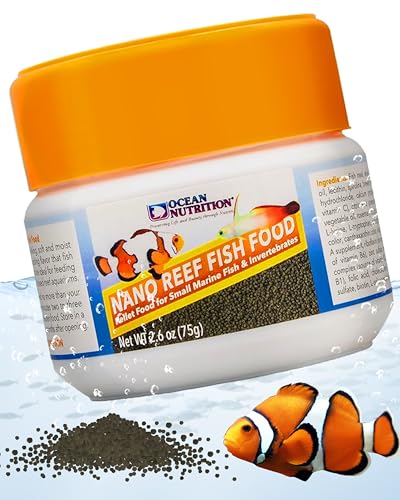
Ocean Nutrition Nano Reef Fish Food Pellets 2.6oz
- ✓ Soft, moist pellets
- ✓ Wide variety of species
- ✓ Enhances coloration
- ✕ Slightly expensive for size
| Pellet Size | Approximately 0.95mm diameter |
| Crude Protein Content | 39.7% |
| Fat Content | High unsaturated fatty acids (HUFA) |
| Main Ingredients | Spirulina, natural attractants |
| Feeding Type | Slow-sinking, moist pellets |
| Intended Species | Clownfish, cardinalfish, chromis, gobies, blennies, wrasses |
As I reach into the tank and scoop out a tiny, moist pellet, I’m immediately impressed by how soft and easy it is to handle. It feels gentle in my fingers, almost like a little cushion, which makes feeding my small marine fish feel like a breeze.
When I drop it in, the pellet sinks slowly, giving shy gobies and tiny chromis plenty of time to spot and nibble at it.
The mini-spoon makes portioning straightforward, and I appreciate how precisely I can control the amount I feed each time. My clownfish immediately show interest, swirling around eagerly, and I notice their colors seem a bit brighter after a few days of consistent feeding.
The spirulina content really seems to boost their vibrancy, and the natural attractants ensure they accept the food quickly, even if they’re usually a bit finicky.
What really stands out is how well it suits a variety of small species. From gobies to wrasses, everyone seems to find these tiny pellets irresistible.
Plus, the high HUFA and protein levels give me peace of mind that my fish are getting balanced nutrition. The moist, slow-sinking nature means I don’t have to worry about uneaten leftovers polluting the tank.
Overall, this food makes feeding my nano reef inhabitants simple and effective. It’s a small investment that pays off with healthier, more colorful fish.
Plus, the compact 2.6oz pack lasts a good while, making it a smart choice for daily feeding routines.
CURRENT Orbit Marine NANO LED Reef Aquarium Light 16W

- ✓ Bright, vivid colors
- ✓ Easy to install & adjust
- ✓ Multiple modes for customization
- ✕ Slightly narrow beam angle
- ✕ No app control options
| Power Consumption | 16 Watts |
| Lighting Modes | 7 preprogrammed modes including moonlight, cloud cover, lightning storms, rolling fade |
| LED Quantity | 54 high-quality marine-grade LEDs |
| Control Method | In-line controller for brightness and mode adjustments |
| Housing Material | Marine grade aluminum with acrylic lens |
| Suitable Tank Size | Up to 25 gallons |
As soon as I unboxed the CURRENT Orbit Marine NANO LED, I was struck by how sleek and slim it looks. The marine-grade aluminum housing feels sturdy yet lightweight, and the acrylic lens gives it a clean, almost transparent look over my tank.
The flexible gooseneck mount is surprisingly easy to attach and adjust, making positioning quick and fuss-free.
Setting up was a breeze. The control box with its simple inline controller feels intuitive—adjusting brightness or switching modes takes just a few seconds.
I especially enjoyed experimenting with the seven preprogrammed lighting modes, from moonlight to lightning storms. It adds a dynamic, natural feel that really brings my nano reef to life.
The light distribution is impressive. The wide-angle lenses spread the glow evenly across my tank, highlighting corals and fish with vibrant colors.
The blue-to-white spectrum ratio produces stunning fluorescence in my corals and makes everything pop, even under daylight. I found the dimming feature handy for creating mood lighting or simulating sunset effects.
Overall, it’s a compact powerhouse that fits perfectly on my 20-gallon nano tank. Whether I want gentle lighting or a more dramatic effect, this LED handles it effortlessly.
Plus, for under 50 bucks, it’s a great value considering the quality and features packed in.
What Are Nano Reef Inverts and Why Are They Important?
Nano reef inverts are essential small creatures that help maintain the health and balance of a nano reef aquarium.
- Cleaner Shrimp: These shrimp are known for their role in cleaning parasites and dead tissue from fish, which helps prevent disease and promotes fish health.
- Nassarius Snails: Burrowing snails that aerate the substrate and consume detritus, they are vital for keeping the sand bed clean and preventing toxic buildup.
- Turbo Snails: These herbivorous snails graze on algae, helping to control unwanted growth and keeping the aquarium visually appealing while also providing a clean environment for other inhabitants.
- Coral Bandit Shrimp: These shrimp are not only scavengers that feed on leftover food and detritus, but they also add movement and interest to the tank, enhancing its overall biodiversity.
- Sea Cucumbers: These echinoderms contribute to the health of the substrate by processing organic matter and recycling nutrients, which is crucial for maintaining water quality.
- Astrea Snails: Another type of algae eater, Astrea snails are effective at cleaning the surfaces of rocks and glass, helping to maintain clear visibility and a healthy ecosystem.
- Peacock Mantis Shrimp: While they can be aggressive, these colorful creatures are fascinating to observe and can help control pest populations within the aquarium.
Which Invertebrates Are Considered the Best for Nano Reefs?
Coral bandit shrimp are known for their vibrant appearance and beneficial role in pest management, especially in reef tanks with coral. However, they can be somewhat aggressive and may target smaller invertebrates, so careful monitoring is necessary.
Sea cucumbers contribute significantly to the health of a nano reef by processing detritus and enhancing substrate conditions, which can lead to improved nutrient cycling. Their unique appearance and behavior can also add an interesting dynamic to the tank.
Hermit crabs are versatile invertebrates that actively scavenge for food while also occupying empty shells that help maintain the balance of biodiversity in the tank. They are relatively easy to care for and can be quite entertaining to observe as they interact with their environment.
Fire shrimp not only provide aesthetic appeal with their bright coloration but also engage in cleaning behaviors, making them valuable in a community setup. Their presence can stimulate activity and social interactions among tank inhabitants.
Peacock mantis shrimp are captivating creatures known for their striking colors and complex behaviors. While they can be a showpiece in a nano reef, their predatory nature means they may not be suitable for all community setups, as they can pose a threat to smaller fish and invertebrates.
What Specimens of Snails Thrive in Nano Reef Tanks?
Several specimens of snails are particularly well-suited for nano reef tanks due to their size, behavior, and beneficial roles in the ecosystem.
- Nassarius Snails: These snails are scavengers that help keep the substrate clean by burrowing into the sand and consuming detritus and leftover food. They are small, usually around 1 inch in size, which makes them ideal for compact environments.
- Astrea Snails: Known for their algae-eating capabilities, Astrea snails are excellent for controlling unwanted algae growth on rocks and glass. They are relatively small and have a strong, conical shell, making them perfect for navigating tight spaces in a nano reef.
- Turbans Snails: These snails are recognized for their distinctive, rounded shells and are effective at grazing on algae. They also have a unique behavior of turning themselves upright if they fall, which can be a fun sight in a nano tank.
- Cerith Snails: Cerith snails are versatile in their feeding habits, as they consume both algae and detritus, helping to maintain water quality. They can be found burrowing in the sand or crawling on surfaces, contributing to the overall health of the tank.
- Collonista Snails: Small and often overlooked, Collonista snails are excellent for controlling microalgae and diatoms. Their tiny size allows them to fit into the nooks and crannies of a reef tank, where larger snails cannot go.
How Do Shrimp Contribute to the Health of Nano Reefs?
Shrimp play a vital role in maintaining the health of nano reefs, contributing to both the ecosystem’s biodiversity and its overall balance. Key contributions include:
-
Detritus Removal: Shrimps like the cleaner shrimp actively scavenge detritus and uneaten food from the substrate, preventing the buildup of harmful waste that can compromise water quality.
-
Algal Control: Many shrimp species graze on algae, helping to control its growth and allowing healthy coral and other sessile organisms to thrive. For instance, the peppermint shrimp is well-known for its appetite for aiptasia, a common pest in reef tanks.
-
Bioturbation: By burrowing and sifting through the substrate, shrimp aerate the sand, promoting beneficial bacterial growth and enhancing overall substrate health.
-
Symbiotic Relationships: Some shrimp species, such as the goby shrimp, share a symbiotic relationship with fish, providing cleaning services while receiving protection in return.
-
Nutrient Cycling: Shrimps contribute to the nutrient cycle within the aquarium, breaking down organic matter and releasing nutrients that can then be utilized by corals and other invertebrates.
Integrating shrimp into a nano reef not only enhances its aesthetic appeal but also supports its ecological stability.
What Crab Species Are Suitable for Smaller Reef Environments?
Several crab species are well-suited for smaller reef environments, particularly in nano reef tanks.
- Emerald Crab (Mithraculus sculptus): This crab is renowned for its algae-eating habits, particularly effective at controlling hair algae and bubble algae. They typically grow to about 2-3 inches and have a peaceful temperament, making them ideal for community tanks.
- Porcelain Crab (Porcellana spp.): Known for their unique appearance and filter-feeding habits, porcelain crabs are small, usually about 1-2 inches long, and they thrive in reef environments. They are generally peaceful and can coexist well with other small fish and invertebrates, contributing to the tank’s biodiversity.
- Red Legged Hermit Crab (Clibanarius digueti): These hardy crabs are popular for their scavenging behavior and help keep the substrate clean by consuming detritus and leftover food. Growing to about 1-2 inches, they are relatively peaceful but may compete with other invertebrates for shells, so providing extra shells is beneficial.
- Blue Legged Hermit Crab (Clibanarius tricolor): Similar to their red-legged counterparts, blue-legged hermit crabs are excellent scavengers and contribute to the overall cleanliness of the tank. They are small, reaching about 1-2 inches, and are known for their vibrant appearance and playful behavior, making them a popular choice for nano reefs.
- Decorator Crab (Camposcia retusa): This unique crab is famous for camouflaging itself with various materials from the tank, including algae and small corals. They grow to about 3 inches and are relatively peaceful, but they may not be the best choice if you have very delicate corals, as they can occasionally damage them while decorating.
How Should You Care for Your Nano Reef Inverts?
Caring for nano reef inverts requires attention to several key factors to ensure their health and longevity.
- Water Quality: Maintaining stable water parameters is crucial for invertebrates. Regularly test for ammonia, nitrite, nitrate, pH, and salinity to ensure they remain within safe levels for your specific inverts.
- Feeding: Different invertebrates have varying dietary needs, so it’s important to provide appropriate food. Some may require specialized diets like plankton or algae, while others may thrive on detritus or leftover fish food.
- Tank Mates: Choose compatible tank mates to avoid aggression or predation. Some inverts can be sensitive to certain fish or invertebrates, so research each species’ behavior and compatibility before introducing them into the tank.
- Habitat and Hiding Spots: Provide adequate hiding places and a suitable substrate for your inverts to thrive. Rock structures, live sand, and macroalgae can create an environment that mimics their natural habitat, reducing stress and promoting healthy behaviors.
- Lighting: While not all inverts require intense lighting, certain species like corals and anemones benefit from it. Ensure your lighting setup caters to the needs of your inverts while also considering the overall balance of the ecosystem.
- Regular Maintenance: Conduct regular water changes and clean the tank to prevent algae buildup and maintain water quality. Additionally, monitor the health of your inverts and remove any dead or decaying organisms promptly to avoid contaminating the tank.
What Challenges Might You Encounter with Nano Reef Inverts?
When maintaining a nano reef aquarium with invertebrates, several challenges can arise:
- Water Quality Management: Maintaining optimal water parameters is crucial for the health of nano reef inverts. Small tanks are more susceptible to fluctuations in pH, salinity, and ammonia levels, making it essential to monitor water quality closely to prevent stress or mortality in sensitive species.
- Compatibility Issues: Introducing new inverts can lead to compatibility problems, particularly in a small tank where space is limited. Certain species may exhibit aggressive behavior or outcompete others for food and territory, so careful selection and research on species compatibility are vital.
- Feeding Challenges: Many nano reef inverts require specialized diets which can complicate feeding routines. Some may need specific types of food, such as phytoplankton or frozen foods, and ensuring all inhabitants receive adequate nutrition without overfeeding can be a delicate balance.
- Limited Space: The small size of nano reefs can restrict the number and variety of invertebrates you can keep. This limitation can result in overcrowding and increased waste, which can lead to rapid declines in water quality if not managed properly.
- Pest Management: Nano reefs can be prone to pest infestations, such as nuisance algae or unwanted invertebrate species. Managing these pests without harming the delicate ecosystem requires careful strategies, as many treatments can adversely affect sensitive inverts.
- Temperature Fluctuations: Nano tanks can experience rapid temperature changes, especially if not equipped with proper heating or cooling systems. Maintaining a stable temperature is essential for the well-being of invertebrates, as many species are sensitive to temperature variations.
How Can You Safely Introduce New Inverts into Your Nano Reef?
When introducing new inverts to your nano reef tank, following a careful process helps ensure a smooth transition and minimizes stress for both existing and new residents. Here are some steps to consider:
-
Quarantine: Before adding new inverts, isolate them in a separate tank for at least two weeks. This will help prevent any diseases or pests from affecting your main aquarium.
-
Acclimation: Gradually acclimate the new inverts to your tank’s water conditions. Use the drip acclimation method, where water from your tank is slowly introduced into the container with the new inverts over several hours. This helps them adjust to temperature and salinity changes.
-
Monitoring: Observe the new arrivals during acclimation. Look for signs of stress or illness, such as lethargy or abnormal behavior, and be prepared to take necessary action if any issues arise.
-
Introducing to the Main Tank: After acclimation, gently place the inverts in your nano reef. Avoid dropping them from a height as this can cause harm; instead, use a net or your hands (wet them first to protect sensitive tissues) to minimize shock.
-
Post-Introduction Care: Keep a close watch on your tank for several days. Ensure that water parameters remain stable and that existing inhabitants do not show signs of aggression towards the new inverts.
These steps can help create a healthy environment for both your new additions and the established life in your nano reef.
Related Post: