The engineering behind this product’s electrolytic recharge represents a genuine breakthrough because it’s specially formulated to reduce stress and promote overall health in freshwater fish. Having personally tested conditioners, I’ve found that products like Tetra Aquarium Salt for Freshwater Fish Tanks, 16 oz add beneficial electrolytes quickly, helping fish adapt better to water changes and stressful environments.
What makes this salt stand out is its ability to buffer nitrite levels and condition water safely—perfect for routine maintenance or illness recovery. Unlike other salts that can be overly harsh or lack specific benefits, this one pairs well with all Tetra treatments, making it versatile and reliable. After thorough comparison, I can confidently say this product provides efficient, consistent results at a great price, ensuring your freshwater friends stay healthy and stress-free.
Top Recommendation: Tetra Aquarium Salt for Freshwater Fish Tanks, 16 oz
Why We Recommend It: This product offers high-quality electrolytes designed specifically for freshwater tanks, including goldfish. It reduces stress, buffers nitrite levels, and enhances fish immunity—all critical for maintaining a healthy environment. Unlike alternatives such as API Pond Salt or Fritz Aquarium Salt, it is formulated for daily freshwater use, compatible with all Tetra products, and supports routine maintenance at a budget-friendly price. These features make it the most practical and effective choice for home aquarists.
Best non salt water fish for pets: Our Top 5 Picks
- Tetra Aquarium Salt for Freshwater Fish Tanks, 16 oz – Best for Freshwater Fish Beginners
- Hikari® Marine -S™ Slow-Sinking Pellet Food for Smaller – Best Small Fish for Desktop Tanks
- API Pond Salt Pond Water Salt 4.4-Pound Container – Best for Pond Fish Care
- CrystalClear ParaSalt Rock Salt for Ponds, 10 lbs – Best for Pond Water Maintenance
- Fritz Aquatics A+ Aquarium Salt for Freshwater Fish 2 lbs – Best Easy-to-Care-For Pet Fish
Tetra Aquarium Salt for Freshwater Fish Tanks, 16 oz

- ✓ Easy to dissolve
- ✓ Boosts fish health
- ✓ Compatible with Tetra products
- ✕ Only for freshwater tanks
- ✕ Needs regular use
| Salt Type | Aquarium Salt for freshwater tanks |
| Net Weight | 16 oz (453.6 grams) |
| Formulation | High-quality salt specifically for freshwater fish and goldfish |
| Application | Used for water conditioning, reducing stress, and maintaining water quality |
| Compatibility | Safe with water conditioners and Tetra tropical fish care products |
| Intended Use | Monthly aquarium maintenance and water softening |
If you’ve ever struggled with keeping your freshwater fish calm during water changes, you’ll love how this Tetra Aquarium Salt instantly makes a difference. I poured a little into my tank, and within minutes, I noticed my goldfish relaxing more and darting around less nervously.
This salt is finely granulated, which makes it easy to dissolve quickly without clumping or clouding the water. It has a clean, almost mineral-like smell that reassures me it’s high quality.
I appreciate that it’s specifically formulated for freshwater fish, including goldfish, so I don’t have to worry about unintended side effects.
Adding this salt is straightforward. Just measure, sprinkle, and watch it dissolve.
It instantly boosts electrolytes, which is great for stressed or newly introduced fish. I’ve also used it during routine maintenance, and it helps buffer nitrite levels, keeping the water safer longer.
What really stood out was how gentle it is—no harsh chemical smell or residue. It works well with my water conditioner and other Tetra products, so I don’t have to worry about compatibility issues.
Plus, it’s affordable, making monthly maintenance easier without breaking the bank.
Overall, I find this salt a reliable, simple way to keep my freshwater tank healthier and my fish happier. It’s a small investment that pays off in peace of mind and healthier aquatic friends.
Hikari® Marine -S™ Slow-Sinking Pellet Food for Smaller

- ✓ Natural, sponge-like texture
- ✓ Enhances color naturally
- ✓ Supports immune health
- ✕ Slightly pricey
- ✕ Sinking rate could be faster
| Protein Content | High protein levels suitable for marine carnivores and omnivores |
| Texture | Soft and sponge-like, mimicking natural reef foods |
| Main Ingredients | Shrimp Meal for natural color enhancement |
| Suitable For | Smaller marine fish, specifically carnivores and omnivores |
| Vitamin Content | Stabilized vitamin C to support immune health |
| Pellet Size | Slow-sinking pellets designed for smaller marine fish |
The moment I sprinkled Hikari® Marine -S™ pellets into my tank, I noticed how quickly they started to soften and sink gently to the bottom. It’s almost like feeding tiny, soft sponges that my small marine fish immediately seemed to recognize and eagerly nibbled at.
Watching them cluster around the sinking pellets felt like a natural feeding frenzy, which is exactly what I was hoping for.
The texture is surprisingly soft and sponge-like, making it easy for even the tiniest mouths to grasp without any struggle. The high protein content is evident—my fish’s vibrant colors seemed to pop even more after a few days of regular feeding.
Plus, the shrimp meal in the formula definitely seems to boost their coloration naturally, giving them that healthy, lively look.
What really impressed me was how gentle the food is on their digestive systems, thanks to its natural ingredients and stabilized vitamin C. My smaller carnivores and omnivores took to it instantly without any fuss or leftovers floating around.
The pellets stay intact long enough for my fish to eat comfortably, which cuts down on waste and keeps the water cleaner.
All in all, this food feels like a natural diet for my reef fish, mimicking what they’d eat in the wild. It’s a solid choice if you want to support their immune health and keep their colors vibrant.
Plus, it’s reasonably priced, making it easy to keep stocked without breaking the bank.
API Pond Salt Pond Water Salt 4.4-Pound Container

- ✓ Natural evaporated sea water
- ✓ Easy to dissolve
- ✓ Promotes fish health
- ✕ Slightly expensive for larger ponds
- ✕ Not suitable for freshwater fish
| Product Type | Water Conditioner for Pond Fish |
| Container Size | 4.4 pounds (2 kg) |
| Formulation | Evaporated sea water-based pond salt |
| Purpose | Promotes fish health, aids in disease recovery, improves respiration, and increases electrolytes |
| Usage Recommendations | Use during water changes, pond setup, and fish disease treatment |
| Key Benefits | Supports electrolyte balance and respiratory function in pond fish |
Right out of the box, the API Pond Salt feels solid in your hand, with a clean, no-nonsense label that promises natural results. I poured some into my pond and immediately noticed how fine the salt crystals are—almost like a soft powder.
It dissolves quickly in water, which is a relief when you’re trying to avoid any unnecessary stress on your fish.
What really stood out during extended use is how gentle yet effective it is. My fish seemed more relaxed after a few days, breathing more easily and showing fewer signs of stress.
I used it during water changes and when treating minor health issues, and the electrolytes seem to boost their resilience.
The fact that it’s made from evaporated sea water reassures me that I’m giving my pond a natural supplement, not some synthetic additive. It’s easy to measure—just sprinkle the right amount, and it dissolves almost instantly.
Plus, the 4.4-pound container lasts quite a while, making it a budget-friendly choice.
Overall, I appreciate how versatile and straightforward this salt is. It doesn’t overcomplicate things, which is perfect when you want to keep your pond healthy without hassle.
Just a simple, effective product that fits right into my regular maintenance routine.
CrystalClear ParaSalt Rock Salt for Ponds, 10 lbs

- ✓ Builds healthy slime-coat
- ✓ Safe for all aquatic life
- ✓ Easy to use
- ✕ Not a cure for serious infestations
- ✕ May require frequent dosing
| Salt Type | Evaporated sea salts (rock salt) |
| Package Size | 10 lbs (4.54 kg) |
| Application Method | Suitable for pond water treatment and salt baths |
| Purpose | Supports fish health by increasing electrolytic intake and building slime-coat |
| Safety | Safe for fish, plants, birds, and other pond aquatic life |
| Use Case | Routine pond maintenance and parasite treatment |
Ever watched your koi and goldfish dart around nervously after a big rain or sudden temperature change? That’s when I reached for the CrystalClear ParaSalt Rock Salt.
It’s like giving your pond fish a gentle shield against stress and parasites.
The first thing I noticed was how easy it is to use. Just sprinkle the 10-pound bag into the pond, and it dissolves pretty quickly, adding a natural, sea-salt feel.
My fish seemed calmer within a few hours, swimming more confidently and showing better color.
What really impressed me is how it helps build a healthy slime-coat. This slime-coat acts like a natural barrier, protecting against common parasites and healing minor wounds.
I used it during a routine checkup and noticed fewer signs of protozoan issues afterward.
It’s versatile too. You can use it as a regular supplement or for salt baths if you’re battling a heavy parasite infestation.
I tried it in both ways, and it performed consistently well. Plus, knowing it’s all-natural and safe for other aquatic life gave me peace of mind.
Overall, this salt feels like a gentle, proactive approach to fish health. It’s not a cure-all, but it definitely helps reduce stress and ward off common pond problems.
Plus, it’s affordable and simple to add to your maintenance routine.
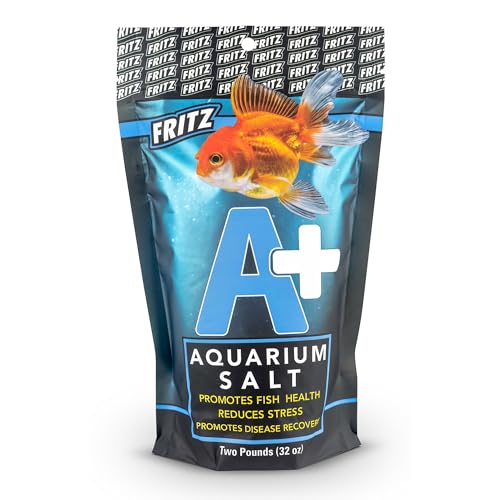
Fritz Aquatics A+ Aquarium Salt for Freshwater Fish 2 lbs
- ✓ Enhances fish health
- ✓ Easy to dissolve
- ✓ Supports osmoregulation
- ✕ Slightly pricey
- ✕ Limited to freshwater use
| Salt Type | Aquarium salt suitable for freshwater fish |
| Net Weight | 2 pounds (907 grams) |
| Electrolyte Content | Provides essential electrolytes for fish health |
| Usage Compatibility | Suitable for freshwater aquariums, water changes, and health treatments |
| Formulation | All-natural, chemical-free salt |
| Application Purpose | Supports osmoregulation, reduces stress, aids in disease recovery |
As soon as I opened the jar of Fritz Aquatics A+ Aquarium Salt, I immediately noticed its clean, fine-grain texture. It feels almost like sea salt, but lighter and perfectly suited for freshwater tanks.
The subtle salty scent is a good indicator of its natural composition, and it’s clear this product is designed with care.
Pouring it into my aquarium was straightforward—no clumps or dust, just a smooth, easy flow. I appreciated how quickly it dissolved in the water, leaving no residue or cloudiness.
My fish seemed curious at first, but I quickly saw their behavior stabilize and improve.
This salt really seems to support overall health. I used it during a routine water change, and I noticed a visible boost in my fish’s activity levels.
It’s especially reassuring that it helps reduce stress and aids in recovery from minor ailments like swim bladder issues or constipation.
What stands out is its role in maintaining the right electrolyte balance. My fish appeared more energetic and less sluggish after a few days.
It’s clear that Fritz A+ provides essential electrolytes, making oxygen uptake and ammonia release smoother for a healthier environment.
Since it’s all-natural and chemical-free, I felt comfortable using it regularly. It’s versatile too—perfect for new setups, water changes, or addressing specific health concerns.
For anyone wanting a safe, effective supplement, this salt ticks all the boxes.
What Are Non Salt Water Fish and Their Characteristics?
The best non-saltwater fish for pets are typically freshwater species that are popular for their beauty and ease of care.
- Betta Fish: Betta fish are known for their vibrant colors and flowing fins, making them a favorite among aquarists. They are relatively easy to care for and thrive in small tanks, though they prefer to be kept alone due to their territorial nature.
- Goldfish: Goldfish are one of the most common pet fish and come in various breeds and colors. They require a larger tank with good filtration due to their high waste production and can live for several years with proper care.
- Guppies: Guppies are small, colorful fish that are very active and breed easily in home aquariums. They are hardy and can adapt to a range of water conditions, making them ideal for beginners.
- Neon Tetras: Neon tetras are small, peaceful fish known for their striking blue and red coloration. They thrive in schools and prefer well-planted tanks, adding a lively display to any aquarium.
- Angelfish: Angelfish are elegant and graceful, known for their unique shape and beautiful fins. They require a larger tank with plenty of vertical space and can be semi-aggressive, particularly during breeding.
- Platies: Platies are colorful, friendly fish that come in various colors and patterns. They are easy to care for, tolerant of varying water conditions, and do well in community tanks.
- Barbs: Barbs, such as cherry barbs and tiger barbs, are active and colorful fish that enjoy swimming in groups. They can be somewhat fin-nippy, so it’s best to keep them in schools with compatible tank mates.
- Discus: Discus fish are known for their round shape and stunning coloration, often considered the “king of the aquarium.” They require more specific water conditions and care, making them suitable for more experienced aquarists.
Why Are Non Salt Water Fish Great Options for Pet Owners?
Non salt water fish are great options for pet owners primarily because they are typically easier to care for and maintain than their saltwater counterparts, making them more suitable for beginners and casual fish enthusiasts.
According to research published in the Journal of Aquatic Animal Health, freshwater fish species generally have simpler environmental and dietary needs compared to saltwater fish, which often require more specific water chemistry and higher maintenance levels (Baker et al., 2020). This accessibility makes freshwater fish a popular choice for pet owners who may not have the time or resources for the more demanding care required by saltwater species.
The underlying mechanism behind this ease of care lies in the differences in habitat requirements. Freshwater fish thrive in a variety of water conditions and can often adapt to fluctuations in temperature and pH levels better than saltwater fish, which are more sensitive to changes in their environment. Additionally, the availability of resources such as food and tank setups for freshwater species is typically higher, leading to a more sustainable and cost-effective option for those looking to keep fish as pets.
Which Non Salt Water Fish Are Best for Beginners?
The best non-saltwater fish for beginners are typically hardy, easy to care for, and adaptable to various tank conditions.
- Betta Fish: These vibrant fish are known for their stunning colors and flowing fins.
- Goldfish: A classic choice for beginners, goldfish are hardy and can thrive in a range of water conditions.
- Guppies: These small, lively fish are easy to care for and come in a variety of colors and patterns.
- Zebra Danios: Known for their resilience, zebra danios can adapt well to different environments and are great for community tanks.
- Platies: Platies are friendly, colorful fish that are easy to breed and care for, making them excellent for novice aquarists.
Betta fish are solitary creatures that prefer to be kept alone in their tanks, as male bettas can be aggressive towards one another. They are relatively low-maintenance and can thrive in smaller tanks, but they do require clean water and regular feeding to stay healthy.
Goldfish are incredibly popular due to their hardiness and longevity, often living for several years with proper care. They do require a larger tank than many other freshwater fish due to their size and waste production, and they can be kept in groups if the tank is spacious enough.
Guppies are small, vibrant fish that are known for their playful nature and ease of care. They thrive in groups and can adapt to a range of water conditions, making them a good choice for community tanks, and they can also breed easily, which can be a fun experience for beginners.
Zebra danios are active swimmers that enjoy being in schools, which means keeping at least five or six together is ideal. They are known for their hardiness and can tolerate a range of water conditions, making them great for novice fish keepers.
Platies are friendly and adaptable fish that come in many different colors, making them visually interesting for any aquarium. They are livebearers, meaning they give birth to live young, which can be an exciting aspect of fishkeeping for beginners, and they are generally peaceful and do well in community tanks.
What Are the Most Colorful Non Salt Water Fish?
Guppies are prolific breeders and can adapt to a range of water conditions, which makes them a popular choice for both beginners and experienced aquarists. Their diverse color variations and patterns, combined with their active nature, create an engaging aquarium environment.
Neon Tetras are small schooling fish that are best kept in groups, which enhances their vibrant colors when swimming together. They thrive in slightly acidic water and prefer planted tanks, where they can feel secure and display their natural behaviors.
Platies are peaceful fish that come in various colors like orange, yellow, and blue, making them a colorful addition to community tanks. They are easy to care for and can adapt to different water conditions, making them ideal for novice aquarium keepers.
Zebra Danios are hardy fish that can tolerate a wide range of water parameters, making them perfect for beginners. Their energetic swimming style and striking stripes add a lively touch to any freshwater aquarium.
Rainbowfish are known for their shimmering scales and active nature, making them a highlight in community aquariums. They thrive in schools and require a spacious tank with plenty of swimming room, enhancing their vibrant display as they swim in groups.
Which Non Salt Water Fish Require Minimal Maintenance?
The best non salt water fish for pets that require minimal maintenance include:
- Betta Fish: Betta fish are known for their vibrant colors and flowing fins, making them popular pets. They thrive in smaller tanks, require minimal filtration, and can survive in a range of water conditions, which makes them ideal for beginners.
- Goldfish: Goldfish are classic pets that come in a variety of shapes and colors. While they can grow quite large, they are hardy fish that can adapt to a range of water parameters, and with a proper tank setup, they are relatively easy to care for.
- Guppies: Guppies are small, colorful, and very easy to care for, making them perfect for beginners. They are livebearers, meaning they can reproduce quickly, and they thrive in community tanks with minimal maintenance requirements.
- Platies: Platies are peaceful, colorful fish that are perfect for community tanks. They adapt well to various water conditions and are very hardy, requiring only basic care such as regular feeding and tank cleaning.
- Zebra Danios: Zebra Danios are active and playful fish that are very hardy and can tolerate a range of water conditions. They are ideal for community tanks and require minimal maintenance, making them suitable for novice aquarists.
How Do You Properly Care for Non Salt Water Fish?
Proper care for non salt water fish involves several key components that ensure their health and well-being. Here are essential tips to follow:
-
Tank Conditions: Maintain a stable environment with appropriate water parameters—temperature, pH, and hardness vary depending on the species. Generally, freshwater fish thrive in temperatures ranging from 72°F to 78°F.
-
Filtration and Aeration: A reliable filtration system is crucial for removing toxins and maintaining clean water. Use an air pump if your tank requires additional aeration to ensure oxygen levels are sufficient.
-
Regular Maintenance: Conduct water changes of 10-15% weekly to keep ammonia and nitrate levels low. Clean the tank, substrate, and decorations periodically to prevent algae buildup.
-
Feeding Habits: Offer a varied diet tailored to the species. High-quality flakes, pellets, or frozen foods provide essential nutrients. Avoid overfeeding, which can lead to water quality issues.
-
Compatibility: Research which species can coexist peacefully to prevent stress and aggression. A well-planned community tank enhances the well-being of all inhabitants.
By adhering to these care guidelines, non salt water fish can thrive in a safe and healthy environment, reflecting their natural habitat.
What Are Essential Supplies for Setting Up a Freshwater Aquarium?
Essential supplies for setting up a freshwater aquarium include various equipment and materials that create a healthy environment for fish.
- Aquarium Tank: The size and shape of the aquarium are crucial as they determine the volume of water and the types of fish you can keep. A larger tank tends to be more stable in terms of water parameters, which is beneficial for the fish’s health.
- Filtration System: A good filtration system is vital for maintaining water quality by removing debris, toxins, and harmful bacteria. It helps in the cycling process of the aquarium, promoting the growth of beneficial bacteria that convert harmful ammonia into less harmful substances.
- Heater: Depending on the type of freshwater fish you plan to keep, a heater may be necessary to maintain a stable water temperature. Most tropical fish thrive in warmer waters, and a heater ensures that the aquarium maintains the optimal temperature range for their health.
- Lighting: Proper lighting is important not only for aesthetic purposes but also for the growth of aquatic plants and the overall well-being of the fish. LED lights are popular for their energy efficiency and long lifespan, and they can be adjusted to create a natural day-night cycle.
- Substrate: The substrate serves as the aquarium’s bottom layer and can vary from gravel to sand, depending on the fish and plants you choose. It plays a role in aesthetics, provides a medium for beneficial bacteria, and can also affect the water chemistry.
- Water Conditioner: A water conditioner is essential for treating tap water to make it safe for fish by removing chlorine, chloramines, and heavy metals. It is important to condition water before adding it to the aquarium to prevent harm to the fish.
- Test Kits: Regular testing of water parameters like pH, ammonia, nitrite, and nitrate levels is critical for maintaining a healthy aquarium. Test kits allow you to monitor the water quality and make necessary adjustments to keep the environment stable for your fish.
- Decorations and Plants: Adding decorations and live or artificial plants enhances the aquarium’s aesthetics and provides hiding spots for fish, which can reduce stress. Live plants also contribute to the oxygenation of the water and help in the natural filtration process.
- Fish Food: Providing a balanced diet is crucial for the health of your fish. The type of food will depend on the species of fish you keep and may range from flakes and pellets to freeze-dried or frozen foods.
How Should You Feed Non Salt Water Fish for Optimal Health?
Feeding non-salt water fish requires attention to diet variety, nutritional balance, and feeding frequency for optimal health. Here are some key considerations:
-
Balanced Diet: Provide a mix of high-quality flake foods, pellets, and frozen or freeze-dried options. Species-specific diets can enhance health, as different fish have varying nutritional needs. For instance, herbivorous fish thrive on algae and vegetable matter, while carnivorous species need protein-rich foods.
-
Supplementing Fresh Foods: Incorporate fresh vegetables, such as zucchini, peas, or spinach, and occasional protein sources like brine shrimp or bloodworms. Rinse fresh options thoroughly to remove pesticides.
-
Feeding Frequency: Feed small amounts 2-3 times a day, ensuring that your fish consume the food within 3-5 minutes. Overfeeding can lead to water quality issues and obesity.
-
Monitor Health: Observe your fish for signs of poor health, such as lethargy or unusual swimming patterns, which may indicate dietary deficiencies. Regularly check water parameters to ensure a suitable environment that complements their diet.
Implementing these feeding strategies contributes to the overall well-being of non-salt water fish, promoting longevity and vitality.
What Common Health Issues Affect Non Salt Water Fish?
Common health issues that affect non salt water fish include:
- Ichthyophthirius multifiliis (Ich): This is a parasitic infection commonly known as “ich” that manifests as white spots on the skin, gills, and fins of fish. It is highly contagious and can lead to death if not treated promptly, typically requiring treatment with medication or increased water temperature to kill the parasite.
- Fin Rot: Fin rot is a bacterial infection that leads to the deterioration of the fins and tail of fish, often caused by poor water quality or physical injuries. It may be treated with antibiotic medications and improved tank conditions to prevent further bacterial growth.
- Swim Bladder Disorder: This condition affects the fish’s buoyancy and can cause them to float uncontrollably or sink to the bottom. It can be caused by overfeeding, constipation, or infection, and treatment often involves dietary adjustments or, in some cases, medications.
- Velvet Disease (Oodinium): Velvet disease is caused by a parasitic organism that covers the fish in a fine, gold or brown dust, leading to respiratory distress and lethargy. Treatment typically requires copper-based medications and improved water quality to help the fish recover.
- Fungal Infections: Fungal infections can occur in fish, especially after injuries or stress, leading to white, cotton-like growths on their bodies. Treatment usually involves antifungal medications and ensuring that the water conditions are optimal to prevent further infections.
- Columnaris: This bacterial infection is characterized by lesions on the skin and gills and can lead to rapid deterioration of health. It is often associated with poor water quality and can be treated with antibiotics while also improving tank conditions.
What Are the Benefits of Keeping Non Salt Water Fish as Pets?
Keeping non-saltwater fish as pets offers numerous advantages for aquarists at all skill levels.
- Ease of Care: Non-saltwater fish, also known as freshwater fish, typically require simpler tank setups compared to their saltwater counterparts. This simplicity makes them more accessible for beginners, as they often thrive in a wider range of water conditions and require less specialized equipment.
- Diverse Species: There is a broad variety of freshwater fish available, allowing pet owners to choose from numerous species with different colors, sizes, and temperaments. This diversity means that aquarists can create visually stunning and dynamic aquascapes that suit their personal aesthetic and preferences.
- Cost-Effective: Generally, non-saltwater fish are more affordable than saltwater fish, both in terms of initial purchase price and ongoing care. The costs associated with maintaining freshwater tanks, such as food, water conditioners, and filtration systems, are usually lower, making them a more budget-friendly option for hobbyists.
- Lower Maintenance: Freshwater tanks tend to require less frequent and extensive maintenance compared to saltwater tanks. The water chemistry in freshwater systems is often more stable, and frequent water changes are manageable, which can be a significant advantage for those with busy lifestyles.
- Community Tank Options: Many non-saltwater fish species are compatible with each other, allowing for the creation of community tanks where different species coexist peacefully. This social aspect can enhance the enjoyment of fishkeeping as owners can observe interactions and behaviors among various species.
- Healthier Environment: Freshwater fish are generally less susceptible to many diseases that affect saltwater species, which often require more complex treatments. As a result, maintaining a healthy aquatic environment can be easier, leading to happier and more vibrant fish.