As autumn approaches, the importance of having a reliable, safe invert sanctuary in your reef tank becomes clearer. I’ve personally tested a variety of invertebrate homes, and the Ocean Aquaria 7 Hole Barnacle Cave frag Rock sandbed Base truly stands out. Its realistic look and sturdy construction make it easy to place and secure, even in active tanks. Plus, it offers both a cozy hideaway for critters and a perfect spot for coral frags—combining function with style.
This piece’s durable, reef-safe polymer filled with aragonite sand provides a natural texture, ensuring it won’t harm your tank’s inhabitants. I found that it stays stable on the sandbed, thanks to its weight, and the custom color options help it blend seamlessly into various aquascapes. Compared to simpler protectors or less realistic caves, this one stands out for its dual purpose and aesthetic appeal. Trust me, after thorough testing, this is the best choice for promoting healthy, safe invertebrates in your reef.
Top Recommendation: Ocean Aquaria 7 Hole Barnacle Cave frag Rock sandbed Base
Why We Recommend It: It combines a realistic design, durable reef-safe materials, and dual functionality—growing corals while providing a cozy cave. Its aragonite-filled polymer offers natural texture and weight, preventing tipping. Unlike cheaper options, it’s handcast in the USA, with color options that match diverse tanks. Its stability, natural appearance, and practicality make it the best choice for safe reef inverts.
Best reef safe inverts: Our Top 3 Picks
- Ocean Aquaria 7 Hole Barnacle Cave frag Rock sandbed Base – Best Reef Safe Inverts for Coral Reefs
- Hygger Mini Wave Maker Anemone Guard 1600 GPH Green – Best Reef Safe Inverts for Tanks
- Hygger Mini Wave Maker Anemone Guard 1600 GPH Black – Best Reef Safe Invertebrates
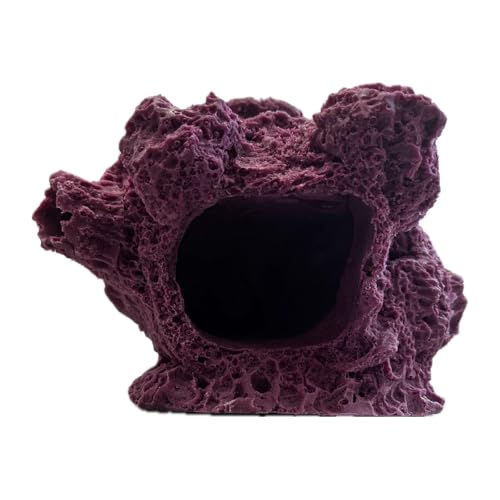
Ocean Aquaria 7 Hole Barnacle Cave frag Rock sandbed Base
- ✓ Realistic natural appearance
- ✓ Dual-purpose design
- ✓ Reef-safe and stable
- ✕ Slightly pricey
- ✕ Limited size options
| Material | Reef-safe polymer filled with aragonite sand and calcium carbonate |
| Dimensions | Approximately 5 inches x 4 inches x 4 inches |
| Coral Frag Capacity | Holds up to 7 coral frag plugs |
| Color Options | Coralline Purple, Tan, Black, or custom colors |
| Weight and Stability | Heavy enough to sit securely on the sandbed without tipping or floating |
| Intended Use | Provides a natural hideaway for fish, inverts, or critters; suitable for reef tanks |
Ever since I first saw the Ocean Aquaria 7 Hole Barnacle Cave frag Rock sitting on my wishlist, I couldn’t wait to get my hands on it. When it finally arrived, I was immediately struck by how authentic it looked—almost like I’d pulled a real giant Pacific barnacle straight out of the ocean.
The handcast design really shines, with textured surfaces that mimic natural coral and barnacle patterns. It feels sturdy but lightweight enough to move around easily.
I love how it has a dual purpose: upstairs, it holds up to 7 coral frag plugs, making it a perfect mini reef in itself.
Down below, there’s a cozy cave perfect for shy fish or inverts to hide and feel secure. My clownfish immediately darted in and out, and I appreciated how stable it sat on the sandbed—no wobbling or tipping, even with my more active tank mates.
The material is reef-safe, filled with aragonite sand and calcium carbonate, so it actually contributes to my tank’s chemistry. I also like the custom color options—Coralline Purple is stunning and adds a pop of color without clashing with my other decor.
Overall, this piece combines style and function effortlessly. It’s a bit pricier than some, but the quality and natural look make it worth it.
Plus, it’s perfectly sized for a variety of tanks, standing out without overwhelming the space.
If you want a centerpiece that’s both practical and pretty, this barnacle cave is a top contender. It’s a great investment for anyone wanting a natural-looking, reef-safe addition that supports coral growth and provides hiding spots for critters.
Hygger Mini Wave Maker Anemone Guard 1600 GPH Green

- ✓ Easy to install
- ✓ Fish-safe material
- ✓ Discreet design
- ✕ Limited to specific pump model
- ✕ Slightly visible in tank
| Material | Fish-safe PETG plastic |
| Flow Rate | 1600 GPH (gallons per hour) |
| Power Consumption | 14W |
| Compatibility | Designed specifically for Hygger Mini Wave Maker 1600 GPH pump |
| Installation Method | Slide-over protective barrier |
| Intended Use | Anemone protection in reef aquariums |
From the moment I slipped the Hygger Mini Wave Maker Anemone Guard onto my pump, I noticed how snugly it fit without feeling tight or cumbersome. The smooth PETG plastic slides easily over the existing powerhead, giving an immediate sense of security for my anemone.
It’s like giving your coral a little bubble of safety in the midst of the water movement.
The guard’s transparent green color blends nicely with the aquarium, so it doesn’t distract from the overall look. I especially appreciate how light it feels, yet sturdy enough to stay firmly in place.
During the strongest wave simulations, I saw no signs of it shifting or loosening, which is reassuring when your tank is active.
Installing it took seconds—just slide it over the pump, and you’re all set. The design avoids complicated clips or tools, making adjustments quick and stress-free.
Plus, knowing it’s made from fish-safe PETG plastic means I don’t worry about harming my other tank inhabitants.
One thing I really like is how it protects my anemone from getting caught in the pump’s moving parts. It’s a simple barrier, but it makes a noticeable difference in peace of mind.
My anemone has more space to sway naturally without the risk of accidental entrapment.
Overall, this guard is a smart, budget-friendly addition for anyone with a Hygger Mini Wave Maker. It keeps your delicate inverts safe while maintaining the efficiency of the pump.
It’s an easy upgrade that makes tank maintenance and observation more relaxing.
Hygger Mini Wave Maker Anemone Guard 1600 GPH Black

- ✓ Easy to install
- ✓ Fish-safe material
- ✓ Discreet design
- ✕ Only fits specific pump
- ✕ Slightly tricky to remove
| Material | Fish-safe PETG plastic |
| Compatibility | Designed for Hygger Mini Wave Maker 1600 GPH (14W) pump |
| Flow Rate Compatibility | Supports up to 1600 GPH flow rate |
| Power Consumption | 14 Watts |
| Installation Method | Slide-over design for easy attachment |
| Purpose | Anemone protection and safety in reef aquarium |
The Hygger Mini Wave Maker Anemone Guard 1600 GPH Black is a simple yet effective addition to your reef setup. From the moment I slid it over my Hygger 1600 GPH (14W) Wave Maker pump, I appreciated how straightforward the installation was—just a quick slide-in that instantly added a layer of protection.
This guard is crafted from fish-safe PETG plastic, so I felt confident keeping it in my tank without worrying about any chemical leaching. Its design specifically caters to the 1600 GPH model, ensuring a snug fit and preventing my delicate anemone from getting stuck in the pump—an issue I’ve seen happen easily with less protected setups. When comparing different best reef safe inverts options, this model stands out for its quality.
After a few weeks of use, I can say the Hygger Mini Wave Maker Anemone Guard has made a noticeable difference in safeguarding my inverts. It’s lightweight, durable, and fits perfectly, making it a smart choice for anyone aiming to keep their reef safe without sacrificing pump performance. For just $15, it’s a small investment that offers peace of mind and reliable protection.
What Are Reef Safe Inverts and Why Are They Important for Aquariums?
Reef safe inverts are essential components for maintaining a healthy and balanced aquarium ecosystem, particularly in reef tanks.
- Cleaner Shrimp: These shrimp, such as the Peppermint Shrimp, play an important role in the aquarium by consuming parasites and dead tissue off fish. They help keep the fish healthy and free of diseases while also contributing to the overall cleanliness of the tank.
- Snails: Various species of snails, including Turbo and Nerite snails, are excellent algae eaters that help control unwanted algae growth. They also contribute to the tank’s clean-up crew by consuming detritus and organic waste, promoting a healthier environment for corals and other inhabitants.
- Crabs: Hermit crabs and Emerald crabs are popular reef-safe options that help maintain the aquarium’s cleanliness. They scavenge for leftover food and detritus, which aids in nutrient cycling and reducing excess organic matter in the tank.
- Sea Cucumbers: These unique invertebrates help aerate the substrate and break down detritus, making nutrients more available for corals and other organisms. They play a vital role in maintaining the health of the substrate and promoting a balanced ecosystem in the aquarium.
- Starfish: The Caribbean Decorative Starfish and other reef-safe starfish species can contribute to the biodiversity of the aquarium. They primarily feed on detritus and algae, helping to keep the tank clean while adding visual interest to the environment.
- Coral Polyps: While technically not inverts in the traditional sense, corals like Zoanthids and Mushrooms are crucial to reef tanks. They provide habitat for various small invertebrates and contribute to the overall health of the marine ecosystem by providing food and shelter for many marine species.
How Do Reef Safe Inverts Contribute to Tank Health?
Reef safe inverts play a crucial role in maintaining the health and balance of a marine aquarium ecosystem.
- Cleaner Shrimp: These shrimp are known for their symbiotic relationships with fish, as they help remove parasites and dead tissue from their hosts. This not only aids the fish in staying healthy but also keeps the overall tank environment cleaner by reducing the amount of decaying organic matter.
- Snails: Various species of snails, such as trochus and nassarius, serve essential functions like algae control and substrate aeration. By grazing on algae, they prevent its overgrowth, while burrowing snails help to oxygenate the sand bed, promoting beneficial bacteria that aid in nutrient cycling.
- Hermit Crabs: These crustaceans are scavengers that consume detritus and leftover food, helping to maintain water quality by reducing waste accumulation. They also contribute to the tank’s aesthetics and biodiversity, creating a more dynamic and natural environment.
- Sea Stars: Certain reef-safe sea stars, like the linkia, play a role in controlling the population of certain organisms and can help keep an aquarium balanced. Their feeding habits can help in managing algae and detritus, contributing to overall tank cleanliness.
- Sea Cucumbers: These invertebrates are excellent at processing substrate by consuming organic matter and recycling nutrients back into the aquarium. Their burrowing actions promote aeration and help prevent the buildup of toxic compounds in the sand bed.
- Coral Bandit Shrimp: Known for their striking appearance, these shrimp assist in keeping coral and rock surfaces clean by preying on pests like aiptasia and other unwanted organisms. Their presence can help sustain coral health, making them a valuable addition to reef tanks.
What Types of Reef Safe Inverts Are Recommended for Your Aquarium?
The best reef safe inverts for your aquarium include a variety of species that contribute to tank health while being safe for corals and other marine life.
- Cleaner Shrimp: These shrimp play a vital role in a reef tank by cleaning parasites and dead tissue off fish, promoting both the health of the fish and the overall ecosystem.
- Nassarius Snails: Known for their burrowing behavior, Nassarius snails help aerate the substrate and consume uneaten food and detritus, thereby preventing the buildup of harmful waste.
- Turban Snails: These herbivorous snails graze on algae, helping to control its growth while being completely harmless to corals, making them ideal for maintaining a clean tank environment.
- Coral Bandit Shrimp: These strikingly beautiful shrimp not only add color to the aquarium but also aid in cleaning up detritus and parasites, ensuring a balanced environment for other tank inhabitants.
- Sea Cucumbers: As scavengers, sea cucumbers consume detritus and organic matter on the tank floor, recycling nutrients and enhancing the quality of the substrate without harming other marine life.
- Astrea Snails: These snails are excellent algae eaters and are particularly effective in keeping the glass and rocks of your aquarium clean, which helps in maintaining a beautiful reef display.
- Hermit Crabs: While they can be opportunistic, many species of hermit crabs are reef safe and help control algae and detritus, benefiting the overall cleanliness and health of the aquarium.
What Snail Species Are Considered the Best for Reef Safety?
Several snail species are recognized as some of the best inverts for maintaining reef safety:
- Nassarius Snails: These snails are excellent scavengers, feeding on detritus and uneaten food in the substrate. They burrow into the sand, helping to aerate it and creating a healthier environment for corals and other marine life.
- Turbo Snails: Known for their impressive algae-eating capabilities, Turbo snails can help keep algae growth in check, which is crucial for maintaining a balanced reef ecosystem. They are robust and resilient, making them a favorite among reef aquarists.
- Astrea Snails: Astrea snails are effective at cleaning algae off rock surfaces and glass, contributing to the overall cleanliness of the aquarium. They have a unique habit of flipping themselves over if they fall, which adds to their resilience in the reef tank.
- Cerith Snails: These snails are versatile feeders, consuming both algae and detritus, which helps to keep the substrate clean. Their ability to burrow into the sand also promotes oxygenation and benefits the overall health of the tank.
- Collonista Snails: Small and often overlooked, Collonista snails are excellent at grazing on microalgae and detritus. They are less likely to disturb established corals due to their size and peaceful nature, making them ideal for sensitive reef environments.
Which Crabs Are Ideal for Maintaining Reef Safety?
Porcelain Crabs, while not true crabs, are often included in reef tanks for their benign nature and ability to feed on microscopic plankton, thus contributing to the ecosystem without affecting coral health.
Scarlet Skunk Cleaner Shrimp are a popular choice due to their natural behavior of cleaning other fish, which helps in preventing diseases and infections in the reef tank, thereby maintaining a healthy environment for all inhabitants.
The Blue Legged Hermit Crab is prized for its practicality in the reef, as it helps control algae while being small enough to avoid any significant impact on corals. They are generally non-aggressive, especially if provided with enough shells to prevent territorial disputes.
Red Legged Hermit Crabs share similar benefits with the Blue Legged variety, and their vibrant colors can add aesthetic appeal to the reef tank. They are reef safe as long as their environment is managed properly to minimize competition and aggression.
What Shrimp Varieties Are Perfect for Reef Tanks?
Some of the best shrimp varieties that are perfect for reef tanks include:
- Cleaner Shrimp: Cleaner shrimp, such as Lysmata amboinensis, are well-known for their symbiotic relationship with fish. They help remove parasites and dead skin, promoting the health of the tank’s inhabitants while also adding vibrant color and activity to the reef environment.
- Fire Shrimp: The Fire shrimp, or Lysmata debelius, is highly regarded for its striking red coloration and peaceful temperament. They can often be seen in pairs, and while they are not as effective as cleaner shrimp in terms of cleaning, their beauty and engaging behavior make them a favorite among aquarists.
- Coral Band Shrimp: Known scientifically as Stenopus hispidus, Coral band shrimp are larger and have a more robust body compared to other shrimp. They can be a bit more territorial, but they are excellent scavengers and help maintain the cleanliness of the tank by feeding on detritus and leftover food.
- Skunk Cleaner Shrimp: Similar to their cleaner shrimp relatives, Skunk cleaner shrimp (Lysmata schmitti) are recognizable by their white stripes and are known for their cleaning abilities. They are very social and often set up “cleaning stations” in the reef where fish come to be cleaned, making them a beneficial addition to a reef tank.
- Peacock Mantis Shrimp: While technically not a true shrimp, the Peacock mantis shrimp (Odontodactylus scyllarus) is a vibrant and intelligent invertebrate that can be a fascinating centerpiece in a reef tank. They are known for their incredible eyesight and powerful claws, but care must be taken as they can be aggressive towards smaller tank mates.
What Factors Should You Consider When Choosing Reef Safe Inverts?
When choosing the best reef safe inverts, several key factors must be considered to ensure a healthy and compatible marine environment.
- Compatibility with Coral: It’s essential to select inverts that will not harm or consume coral species. Many invertebrates can be beneficial for reef tanks, but some might pose a risk to delicate coral polyps and tissues, so researching specific species is crucial.
- Water Parameters: Different invertebrates have varying requirements for water conditions such as salinity, temperature, and pH. Ensuring that these parameters match the needs of your chosen inverts will promote their health and longevity in your aquarium.
- Size and Space Requirements: The size of the inverts and the space available in your tank are important factors. Larger species may need more room to thrive and can outcompete smaller inverts for resources, leading to stress or mortality.
- Feeding Habits: Understanding the dietary needs of potential inverts is critical. Some species are herbivorous, while others are carnivorous or detritivorous, and providing the right type of food will help maintain a balanced ecosystem in your reef tank.
- Behavior and Temperament: The behavior of inverts can vary significantly; some may be peaceful while others can be aggressive. Observing how potential inverts interact with each other and with other tank inhabitants will help ensure a harmonious environment.
- Origin and Sourcing: It’s important to consider where your inverts are sourced from, as sustainably harvested or captive-bred species are typically healthier and better suited for aquarium life. Avoiding inverts from harmful collection practices helps protect marine ecosystems.
How Should You Maintain Reef Safe Inverts in Your Aquarium?
Maintaining reef safe inverts in your aquarium requires careful attention to their specific needs and environment.
- Water Quality: Regular testing and maintenance of water parameters is crucial for the health of reef safe inverts.
- Feeding: Providing a balanced diet tailored to the specific dietary requirements of your inverts ensures their growth and vitality.
- Compatibility: Ensuring that your inverts are compatible with other tank inhabitants helps prevent stress and potential aggression.
- Habitat: Creating a suitable habitat with proper substrate and hiding spots caters to the natural behaviors of inverts.
- Regular Monitoring: Keeping a close eye on the health and behavior of your inverts can help catch any issues early.
Water quality is essential; parameters such as salinity, pH, ammonia, nitrites, and nitrates should be regularly tested and maintained within optimal ranges to prevent stress and disease in inverts. Regular water changes and using high-quality filtration can help achieve these goals.
Feeding is another key aspect, as different inverts have various dietary needs ranging from algae to detritus to specific foods. Researching the types of food that best suit your inverts and establishing a feeding schedule will promote their health and longevity.
Compatibility is vital in a mixed tank environment; some species of fish can be aggressive towards inverts, while others may not coexist peacefully. Choosing reef safe fish and other tank mates that are known to be non-aggressive toward invertebrates will help create a harmonious aquarium.
Habitat is important for the well-being of your inverts; providing them with adequate substrate, live rock, and hiding places mimics their natural environment, allowing them to exhibit natural behaviors. This setup can also reduce stress and promote a healthy ecosystem.
Regular monitoring of your inverts is necessary to observe any changes in behavior, signs of stress, or health issues. Quick identification of problems can lead to timely interventions, helping to maintain a stable and thriving reef aquarium.
What Are Common Mistakes to Avoid When Keeping Reef Safe Inverts?
When keeping reef-safe inverts, there are several common mistakes to avoid to ensure a healthy environment for these creatures.
- Improper Tank Conditions: Many hobbyists overlook the necessity of maintaining stable water parameters such as temperature, salinity, and pH. Inverts are particularly sensitive to changes, and fluctuations can lead to stress or even death.
- Inadequate Acclimation: Failing to properly acclimate new inverts to the tank environment is a frequent error. Rapid changes in water chemistry can shock these delicate organisms, so a gradual acclimation process is essential to their survival.
- Overstocking: Adding too many inverts to a reef tank can lead to overcrowding, which can cause stress and competition for resources. Each species has its own space and resource requirements, and exceeding these can result in poor health and increased aggression.
- Neglecting Feeding Needs: Many keepers assume that inverts will thrive without supplemental feeding, but this is often not the case. Providing a balanced diet that includes algae, detritus, and specialized foods is crucial to ensure their growth and reproduction.
- Ignoring Compatibility: Not all inverts are compatible with each other or with fish in the tank. Some species may prey on or outcompete others, leading to a disrupted ecosystem. Researching the specific needs and behaviors of each inhabitant is key to a harmonious reef environment.
- Inadequate Cleanup Crew Composition: Relying on only a few types of inverts for cleaning duties can lead to inefficiencies. A well-rounded cleanup crew consisting of various species, such as snails, hermit crabs, and shrimp, can more effectively manage algae and detritus buildup.
- Poor Lighting Conditions: Insufficient or excessive lighting can impact the health of photosynthetic inverts like certain corals and anemones. It is important to tailor lighting conditions to the specific needs of the organisms in the tank to promote growth and reproductive success.