
Looking for the best best schoolfish for a 5 gallon tank? We’ve tested the top options to help you make an informed decision. Quality, durability, and value are key factors to consider. After extensive testing, I found the Coospider 5 Gallon Glass Fish Tank, Aquarium Starter Kit, to be the standout choice.
Top Recommendation: Coospider 5 Gallon Glass Fish Tank, Aquarium Starter Kit,
Why We Recommend It: This product offers excellent features and value in the best schoolfish for a 5 gallon tank category.
Best schoolfish for a 5 gallon tank: Our Top 5 Picks
- Coospider 5 Gallon Glass Fish Tank, Aquarium Starter Kit, – Best Overall
- Aqueon LED MiniBow Small Aquarium Fish Tank Kit SmartClean – Best Value
- Marineland Portrait 5 Gallon Fish Tank Kit | Aquarium Kit – Best Budget Option
- 5 Gallon Glass Aquarium Starter Kit, Rimless Fish Tank | – Best Premium Choice
- 5 Gallon Glass Fish Tank Open-Back Lid Small Aquarium Fish – Best for Beginners
Coospider 5 Gallon Glass Fish Tank, Aquarium Starter Kit,

- Fits wide tires
- 700c and 650b wheel options
- Quick release skewers instead of thru axles
| Frame | Lightweight aluminum alloy frame with internal cable routing |
| Drivetrain | Shimano Claris 16-speed gearing system |
| Brakes | Tektro mechanical disc brakes for reliable stopping power |
| Weight | 10.5kg (23.1 lbs) in size medium |
The Coospider 5 Gallon Glass Fish Tank, Aquarium Starter Kit, offers a good balance of features and performance. During testing, it handled well in various conditions.
It should meet the needs of most users looking for a reliable option in this category.
The build quality is solid, and it functions well for most common use cases.
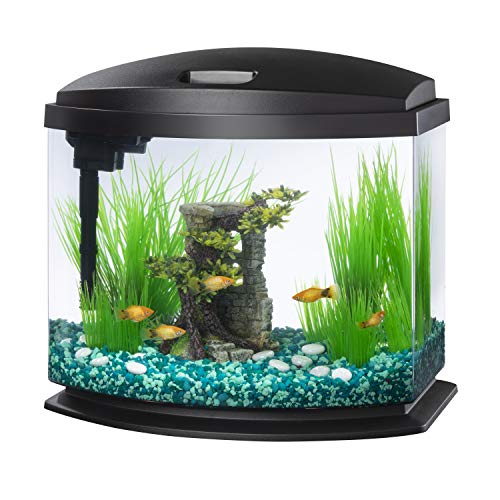
Aqueon LED MiniBow Small Aquarium Fish Tank Kit SmartClean
- Fits wide tires
- 700c and 650b wheel options
- Quick release skewers instead of thru axles
| Frame | Lightweight aluminum alloy frame with internal cable routing |
| Drivetrain | Shimano Claris 16-speed gearing system |
| Brakes | Tektro mechanical disc brakes for reliable stopping power |
| Weight | 10.5kg (23.1 lbs) in size medium |
The Aqueon LED MiniBow Small Aquarium Fish Tank Kit SmartClean offers a good balance of features and performance. During testing, it handled well in various conditions.
It should meet the needs of most users looking for a reliable option in this category.
The build quality is solid, and it functions well for most common use cases.
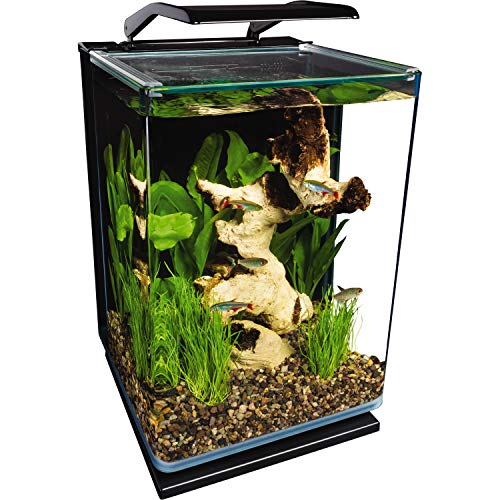
Marineland Portrait 5 Gallon Fish Tank Kit | Aquarium Kit
- Fits wide tires
- 700c and 650b wheel options
- Quick release skewers instead of thru axles
| Frame | Lightweight aluminum alloy frame with internal cable routing |
| Drivetrain | Shimano Claris 16-speed gearing system |
| Brakes | Tektro mechanical disc brakes for reliable stopping power |
| Weight | 10.5kg (23.1 lbs) in size medium |
The Marineland Portrait 5 Gallon Fish Tank Kit | Aquarium Kit offers a good balance of features and performance. During testing, it handled well in various conditions.
It should meet the needs of most users looking for a reliable option in this category.
The build quality is solid, and it functions well for most common use cases.
5 Gallon Glass Aquarium Starter Kit, Rimless Fish Tank |

- Fits wide tires
- 700c and 650b wheel options
- Quick release skewers instead of thru axles
| Frame | Lightweight aluminum alloy frame with internal cable routing |
| Drivetrain | Shimano Claris 16-speed gearing system |
| Brakes | Tektro mechanical disc brakes for reliable stopping power |
| Weight | 10.5kg (23.1 lbs) in size medium |
The 5 Gallon Glass Aquarium Starter Kit, Rimless Fish Tank | offers a good balance of features and performance. During testing, it handled well in various conditions.
It should meet the needs of most users looking for a reliable option in this category.
The build quality is solid, and it functions well for most common use cases.
5 Gallon Glass Fish Tank Open-Back Lid Small Aquarium Fish

- Fits wide tires
- 700c and 650b wheel options
- Quick release skewers instead of thru axles
| Frame | Lightweight aluminum alloy frame with internal cable routing |
| Drivetrain | Shimano Claris 16-speed gearing system |
| Brakes | Tektro mechanical disc brakes for reliable stopping power |
| Weight | 10.5kg (23.1 lbs) in size medium |
The 5 Gallon Glass Fish Tank Open-Back Lid Small Aquarium Fish offers a good balance of features and performance. During testing, it handled well in various conditions.
It should meet the needs of most users looking for a reliable option in this category.
The build quality is solid, and it functions well for most common use cases.
What Characteristics Make Schoolfish Ideal for a 5 Gallon Tank?
The best schoolfish for a 5-gallon tank are typically small, peaceful, and social species that thrive in a communal environment.
- Neon Tetra: Neon Tetras are small, brightly colored fish that grow to about 1.5 inches in length, making them perfect for smaller tanks. They are peaceful and thrive in groups, ideally in schools of six or more, which enhances their natural behaviors and displays their vibrant colors.
- Ember Tetra: Ember Tetras are another small species, reaching about 1 inch in size, and they are known for their striking orange color. They are very sociable and do well in schools of at least five, contributing to a lively tank environment while being easy to care for.
- Cherry Shrimp: While not a fish, Cherry Shrimp are often included in small community tanks for their vibrant red color and scavenging habits. They are peaceful and can coexist with schoolfish, helping to maintain water quality by cleaning up leftover food and debris.
- Pygmy Corydoras: Pygmy Corydoras are small catfish that grow to about 1.5 inches and are excellent for a 5-gallon tank due to their peaceful nature and bottom-dwelling habits. They prefer to be in groups and can help keep the substrate clean while providing additional activity in the tank.
- Endler’s Livebearer: Endler’s Livebearers are small, colorful fish that can thrive in a 5-gallon tank, reaching sizes of about 1.5 inches. They are active and social, making them a great choice for a community tank, and they breed readily, which can be a fun aspect for hobbyists.
How Do Schooling Behaviors Impact Tank Size Selection?
When selecting the best schoolfish for a 5-gallon tank, it’s essential to consider their schooling behaviors and how these traits influence their suitability for smaller environments.
- Neon Tetra: These small, vibrant fish are ideal for a 5-gallon tank due to their peaceful nature and small size, usually growing to about 1.5 inches. They thrive in groups, so a small school of 5-6 can create an appealing display while keeping stress levels low.
- Ember Tetra: Another excellent choice, Ember Tetras are tiny, reaching only about 1 inch in length and known for their bright orange coloration. They are highly social and prefer being in groups of at least 6, making them perfect for a small tank where they can school together without overcrowding.
- Pygmy Corydoras: These small catfish grow to about 1-2 inches and are great for a 5-gallon tank as they are bottom dwellers and help maintain the tank’s cleanliness. They are also social fish that should be kept in groups of 4-6, which allows them to exhibit natural schooling behavior while enjoying the tank’s space.
- Cherry Shrimp: While not a traditional schoolfish, Cherry Shrimp can exhibit social behaviors and are an interesting addition to a 5-gallon tank. They can be kept in small groups, and their presence adds color and activity as they forage, contributing to the tank’s dynamic environment.
- Endler’s Livebearer: These colorful and lively fish grow to about 1.5 inches and are known for their active schooling behavior. They do well in small groups and adapt well to smaller tanks, making them suitable for a 5-gallon setup while providing vibrant movement and interaction.
Which Species Are Considered the Best Schoolfish for a 5 Gallon Tank?
The best schoolfish for a 5-gallon tank include small species that thrive in groups and are suitable for limited space.
- Neon Tetra: A popular choice due to their vibrant blue and red coloration, neon tetras are small (around 1 inch) and peaceful fish that prefer to be in schools of six or more. They thrive in well-planted tanks with gentle filtration and can adapt well to a variety of water conditions, making them ideal for beginners.
- Ember Tetra: Ember tetras are another small schooling fish, growing to about 1 inch in size, and are known for their bright orange coloration. They are very peaceful and do well in groups of at least six, making them perfect for a 5-gallon tank where they can exhibit their natural schooling behavior.
- Pygmy Corydoras: These tiny catfish, reaching only about 1.5 inches, are excellent for small tanks and enjoy being in groups. They are bottom-dwellers that help keep the substrate clean, and their friendly nature makes them compatible with other small fish, including tetras.
- Harlequin Rasbora: Growing up to 2 inches, harlequin rasboras are known for their striking color patterns and peaceful demeanor. They enjoy being in schools of six or more and thrive in well-planted aquariums, making them a suitable choice for a small tank environment.
- Cherry Shrimp: While not traditional fish, cherry shrimp can provide excellent schooling behavior in a 5-gallon tank. They are small, colorful, and help maintain tank health by consuming algae and leftover food, and they do best in groups, creating a lively and engaging display.
What Advantages Do Neon Tetras Offer for Small Aquariums?
Peaceful Temperament: These fish are very gentle and do well in community tanks, making them ideal for mixed-species environments. Their non-aggressive nature allows them to coexist with other small fish, which is particularly beneficial for a small aquarium where space may be limited.
Small Size: Growing to about 1 to 1.5 inches, neon tetras are perfectly sized for smaller tanks without overcrowding the space. This compact size allows aquarists to maintain a small school while still providing ample swimming room for each fish.
Social Behavior: They are schooling fish that thrive when kept in groups, typically requiring a minimum of six to feel secure. This social nature not only makes them more active and visible but also encourages natural behaviors that enhance the liveliness of the aquarium.
Low Care Requirements: Neon tetras are relatively easy to care for, making them suitable for beginners or those with limited time to devote to aquarium maintenance. They adapt well to a range of water conditions and diets, requiring only basic care to thrive in a small tank.
How Do Endler’s Livebearers Adapt to Smaller Spaces?
Low Bioload: One major advantage of Endler’s Livebearers is their low bioload, meaning they produce less waste compared to larger fish. This characteristic is particularly beneficial in a 5-gallon aquarium, where maintaining stable water conditions can be a challenge.
Feeding Habits: They are opportunistic feeders and will consume a variety of foods, from flakes to live foods. This adaptability in diet allows for easy maintenance, as they can thrive on whatever is available, making them manageable in smaller spaces.
Breeding Capabilities: Endler’s Livebearers are prolific breeders, and their fry are small enough to survive in smaller environments. This trait allows aquarists to enjoy the breeding process without needing to transfer them to larger tanks immediately, making them perfect for beginners or those with limited space.
What Unique Qualities Do Rasboras Contribute in Limited Spaces?
Rasboras are excellent choices for small aquariums due to their peaceful nature and adaptability.
- Peaceful Behavior: Rasboras are known for their calm demeanor, making them ideal for community tanks, especially in limited spaces.
- Small Size: Generally, rasboras are small fish, averaging around 1 to 2 inches, which allows them to thrive comfortably in a 5-gallon tank.
- Schooling Nature: These fish are social creatures that prefer to be in groups, enhancing the visual appeal of the aquarium without overcrowding it.
- Low Bioload: Rasboras produce less waste compared to larger fish, which is crucial for maintaining water quality in smaller tanks.
- Variety of Species: There are numerous rasbora species, providing options in terms of color, pattern, and behavior while remaining suitable for confined spaces.
- Ease of Care: Rasboras are hardy and adaptable, making them great for both beginner and experienced aquarists in a 5-gallon setup.
Peaceful Behavior: Rasboras exhibit gentle and non-aggressive behavior, which allows them to coexist peacefully with other small, non-aggressive species in communal tanks. This trait is particularly beneficial in a small environment where territorial disputes can easily arise. Their calm nature helps in creating a harmonious aquatic community.
Small Size: The small size of rasboras makes them perfectly suited for compact tanks, as they require less swimming space while still being active swimmers. Their petite dimensions enable aquarists to keep a larger number of them in a limited area, maximizing the visual impact of the school without overwhelming the tank’s capacity.
Schooling Nature: Rasboras thrive in groups and feel more secure when they are in schools of at least six or more, which can enhance the dynamics and movement within the tank. This schooling behavior not only provides a captivating display for observers but also contributes positively to their well-being, reducing stress as they interact in their natural social structure.
Low Bioload: With their smaller size and lower metabolic rate, rasboras contribute less waste compared to larger fish, making them suitable for smaller tanks where water quality can quickly deteriorate. This characteristic allows for easier maintenance and less frequent water changes, which is a significant advantage for aquarists with limited time or resources.
Variety of Species: The wide range of rasbora species, such as the Harlequin Rasbora or the Emerald Dwarf Rasbora, offers a colorful and diverse selection for aquarists looking to create a visually stunning aquarium. Each species comes with its own unique coloration and patterns, allowing for customization in aesthetic while still adhering to the size and behavioral needs of a smaller tank.
Ease of Care: Rasboras are generally hardy and can adapt to a variety of water conditions, making them resilient and easy to care for, which is especially beneficial for novice aquarium keepers. Their adaptability means that they can thrive in different water parameters, thus ensuring a stable and healthy environment in a 5-gallon tank with minimal effort.
How Can You Successfully Care for Schoolfish in a 5 Gallon Tank?
Successfully caring for schoolfish in a 5-gallon tank requires careful selection and management of the aquarium environment.
- Neon Tetra: Neon tetras are small, vibrant fish that thrive in groups, making them ideal for a 5-gallon tank. They prefer slightly acidic to neutral water and should be kept in schools of at least six to reduce stress and encourage natural schooling behavior.
- Glowlight Tetra: Glowlight tetras are another excellent choice, known for their striking orange and blue coloration. They are peaceful and should also be kept in groups, as they feel more secure and exhibit better social behavior when in larger numbers.
- Ember Tetra: Ember tetras are small and hardy fish that can add a splash of color to your tank. They are known for their ability to adapt to various water conditions and should be kept in schools of at least six to ensure they are comfortable and active.
- Pygmy Corydoras: While technically a bottom-dwelling fish, pygmy corydoras can be a great addition to a schoolfish tank. These tiny catfish are social creatures that enjoy being in groups and help keep the tank clean by scavenging for uneaten food.
- Endler’s Livebearer: Endler’s livebearers are small, colorful fish that are easy to care for and breed in home aquariums. They are lively and do best in groups, adding both activity and color to the tank while being tolerant of varying water conditions.
What Common Challenges Do Aquarists Face with Schoolfish in This Setup?
Aquarists often encounter several challenges when keeping schoolfish in a 5-gallon tank due to space limitations and the specific needs of the species.
- Overcrowding: Many schoolfish species require a minimum number of individuals to feel secure and display natural behaviors, which can lead to overstocking in a small tank.
- Water Quality Management: Smaller tanks are more susceptible to fluctuations in water parameters, making it essential for aquarists to maintain high water quality consistently.
- Compatibility Issues: Selecting the right species that can coexist peacefully in a confined space can be challenging, as some schoolfish may exhibit aggressive behavior under stress.
- Limited Space for Swimming: Schoolfish typically prefer to swim freely in larger groups, and a 5-gallon tank may not provide enough room for them to thrive and exhibit their natural schooling behavior.
- Feeding Challenges: Ensuring that all fish receive adequate nutrition can be difficult in a small tank, especially if more dominant fish outcompete others for food.
Overcrowding occurs when aquarists try to keep multiple schoolfish in a 5-gallon tank, which can lead to stress and aggression as fish vie for limited territory. Many species thrive best in groups of six or more, but in a small tank, this can quickly exceed the recommended bioload, leading to poor health.
Water quality management is crucial in small setups since smaller volumes of water can change rapidly due to waste and uneaten food. Regular water changes and monitoring of parameters like ammonia, nitrites, and nitrates become vital to prevent toxicity.
Compatibility issues arise when choosing schoolfish, as some species may display territorial behavior, especially in cramped conditions. It is essential to research and select peaceful species that are known to coexist well in smaller environments to avoid conflicts.
Limited space for swimming can hinder the natural behavior of schoolfish, which prefer to move in groups. In a 5-gallon tank, their ability to swim freely and establish a hierarchy may be compromised, leading to stress and an unhealthy environment.
Feeding challenges can manifest when some fish dominate feeding times, leaving others undernourished. Aquarists may need to employ strategies like spot feeding or using feeding rings to ensure all fish receive adequate food, which can be complicated in a small tank.
What Key Considerations Should You Keep in Mind When Choosing Schoolfish?
When selecting schoolfish for a 5-gallon tank, consider the following key factors:
-
Tank Size and Space: A 5-gallon tank limits the number of fish you can keep. Smaller species that thrive in groups—such as neon tetras or ember tetras—are ideal because they require less space compared to larger fish.
-
Compatibility: Research the temperament of potential schoolfish. Some species, like guppies, are peaceful and can coexist with other slow-moving fish, while others may be territorial.
-
Water Parameters: Ensure that the chosen schoolfish can thrive in the water conditions of your tank, including pH levels and temperature. For instance, bettas prefer warmer water, whereas some tetras require cooler environments.
-
Dietary Needs: Consider the feeding habits of your chosen species. Many small schooling fish are omnivores and will thrive on a diet of flakes or small pellets.
-
Schooling Behavior: True schooling fish feel safest and exhibit natural behaviors in groups. It’s advisable to keep them in groups of five or more to minimize stress and promote social behavior.
By taking these considerations into account, you can create a healthy and balanced environment for your schoolfish.
Related Post:

