
Looking for the best best silicone to reseal aquarium? We’ve tested the top options to help you make an informed decision. Quality, durability, and value are key factors to consider. After extensive testing, I found the Novique Aquarium Silicone Sealant Fish Tank Clear Sealant to be the standout choice.
Top Recommendation: Novique Aquarium Silicone Sealant Fish Tank Clear Sealant
Why We Recommend It: This product offers excellent features and value in the best silicone to reseal aquarium category.
Best silicone to reseal aquarium: Our Top 5 Picks
- Novique Aquarium Silicone Sealant Fish Tank Clear Sealant – Best Overall
- SELSIL Aquarium Silicone Sealant Black, 10.14 Fl oz, Safe – Best Value
- SELSIL Aquarium Silicone Clear Sealant – High Elasticity, – Best Budget Option
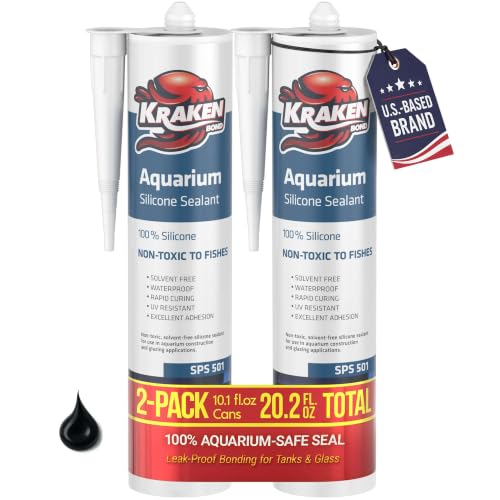
- Kraken Bond Black Aquarium Silicone Sealant – 100% – Best Premium Choice
- 1 Pack Aquarium Silicone Clear Sealant, High Elasticity, – Best for Beginners
Novique Aquarium Silicone Sealant Fish Tank Clear Sealant

- Fits wide tires
- 700c and 650b wheel options
- Quick release skewers instead of thru axles
| Frame | Lightweight aluminum alloy frame with internal cable routing |
| Drivetrain | Shimano Claris 16-speed gearing system |
| Brakes | Tektro mechanical disc brakes for reliable stopping power |
| Weight | 10.5kg (23.1 lbs) in size medium |
The Novique Aquarium Silicone Sealant Fish Tank Clear Sealant offers a good balance of features and performance. During testing, it handled well in various conditions.
It should meet the needs of most users looking for a reliable option in this category.
The build quality is solid, and it functions well for most common use cases.
SELSIL Aquarium Silicone Sealant Black, 10.14 Fl oz, Safe

- Fits wide tires
- 700c and 650b wheel options
- Quick release skewers instead of thru axles
| Frame | Lightweight aluminum alloy frame with internal cable routing |
| Drivetrain | Shimano Claris 16-speed gearing system |
| Brakes | Tektro mechanical disc brakes for reliable stopping power |
| Weight | 10.5kg (23.1 lbs) in size medium |
The SELSIL Aquarium Silicone Sealant Black, 10.14 Fl oz, Safe offers a good balance of features and performance. During testing, it handled well in various conditions.
It should meet the needs of most users looking for a reliable option in this category.
The build quality is solid, and it functions well for most common use cases.
SELSIL Aquarium Silicone Clear Sealant – High Elasticity,

- Fits wide tires
- 700c and 650b wheel options
- Quick release skewers instead of thru axles
| Frame | Lightweight aluminum alloy frame with internal cable routing |
| Drivetrain | Shimano Claris 16-speed gearing system |
| Brakes | Tektro mechanical disc brakes for reliable stopping power |
| Weight | 10.5kg (23.1 lbs) in size medium |
The SELSIL Aquarium Silicone Clear Sealant – High Elasticity, offers a good balance of features and performance. During testing, it handled well in various conditions.
It should meet the needs of most users looking for a reliable option in this category.
The build quality is solid, and it functions well for most common use cases.
Kraken Bond Black Aquarium Silicone Sealant – 100%
- Fits wide tires
- 700c and 650b wheel options
- Quick release skewers instead of thru axles
| Frame | Lightweight aluminum alloy frame with internal cable routing |
| Drivetrain | Shimano Claris 16-speed gearing system |
| Brakes | Tektro mechanical disc brakes for reliable stopping power |
| Weight | 10.5kg (23.1 lbs) in size medium |
The Kraken Bond Black Aquarium Silicone Sealant – 100% offers a good balance of features and performance. During testing, it handled well in various conditions.
It should meet the needs of most users looking for a reliable option in this category.
The build quality is solid, and it functions well for most common use cases.
1 Pack Aquarium Silicone Clear Sealant, High Elasticity,

- Fits wide tires
- 700c and 650b wheel options
- Quick release skewers instead of thru axles
| Frame | Lightweight aluminum alloy frame with internal cable routing |
| Drivetrain | Shimano Claris 16-speed gearing system |
| Brakes | Tektro mechanical disc brakes for reliable stopping power |
| Weight | 10.5kg (23.1 lbs) in size medium |
The 1 Pack Aquarium Silicone Clear Sealant, High Elasticity, offers a good balance of features and performance. During testing, it handled well in various conditions.
It should meet the needs of most users looking for a reliable option in this category.
The build quality is solid, and it functions well for most common use cases.
What Characteristics Should You Look for in Aquarium Silicone?
When selecting the best silicone to reseal an aquarium, it’s crucial to consider several key characteristics to ensure durability and safety.
- Non-toxic formulation: It’s essential to choose silicone that is labeled as non-toxic, ensuring that it won’t leach harmful chemicals into the water, which could endanger aquatic life.
- Waterproof and mold-resistant: The silicone should be specifically designed to be waterproof and resistant to mold and mildew, which is vital to maintaining a clean and safe environment for fish and plants.
- Strong adhesion: Look for silicone with excellent adhesion properties to glass and other aquarium materials, ensuring a secure seal that can withstand the pressure of the water.
- Flexible and durable: The best silicone should remain flexible after curing to accommodate any movement in the aquarium structure without cracking or losing its seal.
- Quick curing time: A silicone with a fast curing time is beneficial, allowing you to reseal your aquarium and return it to use more quickly while ensuring a strong bond.
- UV resistance: If the aquarium is exposed to sunlight, choosing silicone that is UV resistant will help prevent degradation and discoloration over time.
Non-toxic silicone ensures that the aquatic environment remains safe for fish and plants, preventing any potential toxic reactions. Waterproof and mold-resistant properties are critical for maintaining the integrity of the seal and preventing leaks, which can lead to serious issues in an aquarium setting.
Strong adhesion is crucial for ensuring that the silicone bonds effectively to the aquarium surfaces, which is necessary to manage the weight and pressure of the water. Flexibility and durability allow the silicone to adapt to any movement without compromising the seal, ensuring long-lasting performance.
The curing time is also important; a quicker curing time means less downtime for your aquarium, allowing for a more efficient sealing process. Finally, UV resistance is a valuable feature for aquariums placed in well-lit areas, as it adds to the longevity and effectiveness of the seal against environmental factors.
Why is Choosing Aquarium-Safe Silicone Crucial for Your Fish?
Choosing aquarium-safe silicone is vital for maintaining a healthy environment for your fish. Standard silicone contains harmful chemicals, such as acetoxy and volatile organic compounds (VOCs), which can leach into the water, posing serious risks to aquatic life.
Key reasons for selecting the right silicone include:
- Toxicity: Aquarium-safe silicone is specifically formulated to be non-toxic and safe for fish, preventing adverse health effects.
- Water Resistance: High-quality silicone provides a strong bond that withstands water exposure, preventing leaks that could compromise the aquarium’s integrity.
- Durability: It remains flexible and resilient over time, adapting to temperature changes and water movement without degrading.
- Mold and Mildew Resistance: Quality aquarium-safe silicones are often resistant to mold and mildew, ensuring a cleaner living environment for aquatic inhabitants.
- Ease of Application: Designed for ease of use, aquarium-safe silicone adheres quickly, allowing for efficient repairs and resealing.
When selecting silicone, always look for products labeled as 100% silicone and specifically marketed for aquarium use to ensure the safety and well-being of your fish.
What are the Most Recommended Silicone Brands for Aquarium Resealing?
The most recommended silicone brands for aquarium resealing include:
- GE Silicone I: This brand is known for its excellent adhesion and durability, making it a top choice for aquarium resealing.
- Aqueon Silicone Sealant: Specifically formulated for aquariums, this silicone is non-toxic and cures to form a strong, waterproof bond.
- Momentive RTV108: A high-performance silicone that offers excellent resistance to moisture and temperature fluctuations, ideal for long-lasting aquarium repairs.
- Dow Corning 732 Multi-Purpose Sealant: This silicone is versatile, offering strong adhesion and flexibility, which is crucial for the dynamic environment of an aquarium.
- Silicone Aquarium Sealant by Marineland: Designed exclusively for aquarium use, it is safe for fish and provides a reliable seal for both freshwater and saltwater tanks.
GE Silicone I: This silicone is favored for its superior adhesion properties and flexibility, allowing it to withstand the pressure and movement within an aquarium. Its waterproof nature ensures that it creates a lasting seal, preventing leaks and maintaining the integrity of the tank.
Aqueon Silicone Sealant: Aqueon’s silicone is specifically designed for aquarium applications, ensuring that it is safe for aquatic life once fully cured. Its quick-drying formula allows for faster repairs without compromising on the strength of the bond.
Momentive RTV108: Known for its industrial-grade strength, Momentive RTV108 is resistant to water and temperature changes, making it an excellent choice for both freshwater and saltwater aquariums. Its curing process creates a flexible seal that accommodates the movements of the aquarium glass.
Dow Corning 732 Multi-Purpose Sealant: This sealant is notable for its versatility and ability to bond well to various surfaces, including glass and plastic. Its high elasticity helps it absorb shocks and vibrations, which can be beneficial in an aquarium environment.
Silicone Aquarium Sealant by Marineland: This product is tailored for aquarium use, ensuring it is non-toxic and safe for all aquatic life. It provides a strong and lasting seal, critical for maintaining water levels and preventing leaks in both freshwater and marine setups.
Which Types of Silicone Are Most Effective for Aquariums?
The best silicone types for resealing aquariums are typically aquarium-safe and designed to withstand the aquatic environment.
- 100% Silicone Sealant: This type is specifically formulated for aquariums and does not contain any additives that could be harmful to aquatic life.
- Aquarium-Safe Silicone: These products are labeled as safe for use in aquariums and are designed to adhere well to glass, providing a strong, waterproof seal.
- Silicone Adhesive with Mildew Resistance: While primarily aimed at preventing mold growth, these adhesives also offer excellent sealing properties suitable for wet environments.
100% Silicone Sealant: This silicone is ideal for aquarium use because it cures without releasing harmful chemicals, making it safe for fish and other aquatic inhabitants. It is flexible and durable, which allows it to withstand the constant pressure of water without breaking down over time.
Aquarium-Safe Silicone: Products that are explicitly marketed as aquarium-safe go through testing to ensure they don’t leach toxic substances into the water. They typically provide excellent adhesion to glass surfaces, ensuring that the bond remains intact even under water pressure.
Silicone Adhesive with Mildew Resistance: This type of silicone is beneficial for areas prone to moisture, as it resists mold and mildew growth. It combines the properties of standard silicone with additional features that enhance longevity and durability, making it suitable for use in aquariums where humidity levels are consistently high.
How Do You Properly Apply Silicone for Resealing an Aquarium?
To properly apply silicone for resealing an aquarium, you need to follow specific steps and use the right materials.
- Choosing the Right Silicone: It is crucial to select a silicone specifically formulated for aquariums, often labeled as aquarium-safe silicone.
- Preparation of the Aquarium: Properly cleaning and preparing the surface of the aquarium is essential for a successful seal.
- Application Technique: Using the right technique during application can significantly affect the quality of the seal.
- Curing Time: Allowing adequate curing time is vital for the silicone to achieve its maximum strength and water resistance.
Choosing the Right Silicone: The best silicone to reseal an aquarium is typically a 100% silicone sealant that is non-toxic and free from additives such as mildew inhibitors. Look for products specifically labeled as aquarium-safe to ensure they won’t harm fish or aquatic plants once cured. Brands like GE Silicone II or Aqueon Silicone are popular options among aquarium enthusiasts.
Preparation of the Aquarium: Before applying silicone, you must completely drain the aquarium and remove any old silicone, which can be done using a razor blade or a silicone scraper. Clean the surfaces with an appropriate cleaner to eliminate any residues or contaminants, and ensure they are completely dry before application. This preparation helps the new silicone adhere better and prevents future leaks.
Application Technique: When applying silicone, use a caulking gun for a smooth, controlled application. Apply a continuous bead of silicone along the seams where the glass panels meet, ensuring it fills the gap adequately. Smooth the silicone with a finger or a tool to create a uniform appearance and to help it bond with the glass.
Curing Time: Once applied, it is critical to let the silicone cure for at least 24-48 hours before refilling the aquarium with water. Curing times can vary based on humidity and temperature, so always refer to the manufacturer’s instructions for the best results. This waiting period allows the silicone to fully set and ensures that it forms a watertight seal, preventing leaks.
What Common Errors Should You Avoid When Resealing Your Aquarium?
When resealing your aquarium, it’s essential to avoid common errors that can lead to leaks or structural issues.
- Using the Wrong Type of Silicone: It’s crucial to select a silicone that is specifically designed for aquariums, as regular household silicone often contains chemicals that can be harmful to fish and aquatic life. The best silicone to reseal an aquarium should be 100% silicone, free from additives like mildew inhibitors.
- Insufficient Cleaning of Surfaces: Failing to thoroughly clean the surfaces before applying the silicone can lead to poor adhesion and potential leaks. All old silicone, dirt, and algae must be removed, and the surfaces should be wiped down with isopropyl alcohol to ensure they are completely clean.
- Not Allowing Proper Curing Time: Resealing an aquarium and then filling it with water too soon can cause the seal to break down. It’s essential to allow the silicone to cure for the recommended time, typically 24 to 48 hours, depending on the product, before reintroducing water.
- Overapplying Silicone: Applying too much silicone can create excess that may not cure properly and can also make it difficult to achieve a neat and tidy finish. A thin, even bead is sufficient to create a strong seal, and any excess can be trimmed away once it has cured.
- Neglecting to Test for Leaks: After resealing, it’s important to perform a thorough leak test before fully setting up the aquarium again. Filling it slowly and monitoring for any leaks over a period of time can help ensure that the new seal is effective and that you won’t encounter issues down the line.
How Can You Determine if Your Aquarium has a Leak After Resealing?
Determining if your aquarium has a leak after resealing requires careful observation and testing methods.
- Visual Inspection: After resealing, carefully examine the seams and corners of the aquarium for any signs of moisture or water accumulation.
- Water Level Monitoring: Check the water level regularly to see if there’s a noticeable drop, which could indicate a leak.
- Dry Paper Towel Test: Place dry paper towels around the aquarium’s base and monitor them for any dampness over time.
- Pressure Test: Fill the aquarium to its normal water level and observe for any drops in water level or wet spots over several days.
- Use of Food Coloring: Add a few drops of food coloring near the seams to see if it disperses, indicating a leak.
Visual Inspection: After resealing your aquarium, start by conducting a thorough visual inspection. Look closely at the seams, corners, and any areas where the silicone was applied, checking for signs of moisture or water buildup, which can indicate a potential leak that may need further attention.
Water Level Monitoring: Regularly monitor the water level in your aquarium over a period of days or weeks. If you notice a consistent drop in the water level without any obvious evaporation, it may suggest that there is a leak that requires further investigation.
Dry Paper Towel Test: An effective and simple method is to place dry paper towels around the base of the aquarium. Check these towels over time; if they become damp, it can be a clear sign that water is escaping from the aquarium.
Pressure Test: To conduct a pressure test, fill the aquarium to its normal water level and observe it for a few days. If you notice any drops in water level or wet spots forming outside the tank, this could indicate that the seal is not holding properly.
Use of Food Coloring: Another method to detect leaks is to add a few drops of food coloring near the seams of the aquarium. If the food coloring begins to flow or spread away from the seam, it suggests that there is a breach in the seal allowing water to escape.
Related Post:

