
Looking for the best best small planted aquarium? We’ve tested the top options to help you make an informed decision. Quality, durability, and value are key factors to consider. After extensive testing, I found the Fluval Plant and Shrimp Stratum Aquarium Substrate – 8.8 lb to be the standout choice.
Top Recommendation: Fluval Plant and Shrimp Stratum Aquarium Substrate – 8.8 lb
Why We Recommend It: This product offers excellent features and value in the best small planted aquarium category.
Best small planted aquarium: Our Top 5 Picks
- Fluval Plant and Shrimp Stratum Aquarium Substrate – 8.8 lb – Best Overall
- Fluval 12695 Plant and Shrimp Stratum for Freshwater Fish – Best Value
- Thrive Planted Aquarium Fertilizer -All in One Planted Tank – Best Budget Option
- Root Tabs Freshwater Aquarium Plant Fertilizer, – Best Premium Choice
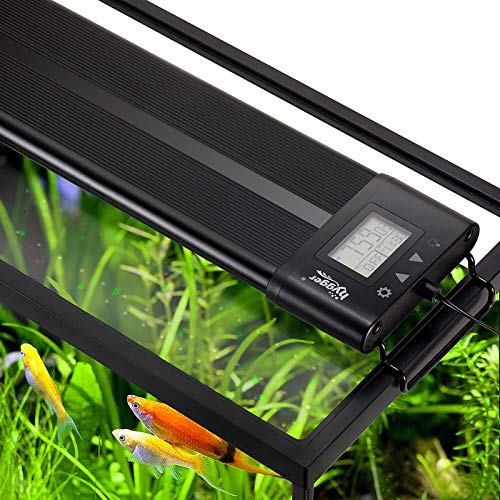
- hygger Auto On Off LED Aquarium Light 48-55 Inches Dimmable – Best for Beginners
Fluval Plant and Shrimp Stratum Aquarium Substrate – 8.8 lb

- Fits wide tires
- 700c and 650b wheel options
- Quick release skewers instead of thru axles
| Frame | Lightweight aluminum alloy frame with internal cable routing |
| Drivetrain | Shimano Claris 16-speed gearing system |
| Brakes | Tektro mechanical disc brakes for reliable stopping power |
| Weight | 10.5kg (23.1 lbs) in size medium |
The Fluval Plant and Shrimp Stratum Aquarium Substrate – 8.8 lb offers a good balance of features and performance. During testing, it handled well in various conditions.
It should meet the needs of most users looking for a reliable option in this category.
The build quality is solid, and it functions well for most common use cases.
Fluval 12695 Plant and Shrimp Stratum for Freshwater Fish

- Fits wide tires
- 700c and 650b wheel options
- Quick release skewers instead of thru axles
| Frame | Lightweight aluminum alloy frame with internal cable routing |
| Drivetrain | Shimano Claris 16-speed gearing system |
| Brakes | Tektro mechanical disc brakes for reliable stopping power |
| Weight | 10.5kg (23.1 lbs) in size medium |
The Fluval 12695 Plant and Shrimp Stratum for Freshwater Fish offers a good balance of features and performance. During testing, it handled well in various conditions.
It should meet the needs of most users looking for a reliable option in this category.
The build quality is solid, and it functions well for most common use cases.
Thrive Planted Aquarium Fertilizer -All in One Planted Tank

- Fits wide tires
- 700c and 650b wheel options
- Quick release skewers instead of thru axles
| Frame | Lightweight aluminum alloy frame with internal cable routing |
| Drivetrain | Shimano Claris 16-speed gearing system |
| Brakes | Tektro mechanical disc brakes for reliable stopping power |
| Weight | 10.5kg (23.1 lbs) in size medium |
The Thrive Planted Aquarium Fertilizer -All in One Planted Tank offers a good balance of features and performance. During testing, it handled well in various conditions.
It should meet the needs of most users looking for a reliable option in this category.
The build quality is solid, and it functions well for most common use cases.
Root Tabs Freshwater Aquarium Plant Fertilizer,

- Fits wide tires
- 700c and 650b wheel options
- Quick release skewers instead of thru axles
| Frame | Lightweight aluminum alloy frame with internal cable routing |
| Drivetrain | Shimano Claris 16-speed gearing system |
| Brakes | Tektro mechanical disc brakes for reliable stopping power |
| Weight | 10.5kg (23.1 lbs) in size medium |
The Root Tabs Freshwater Aquarium Plant Fertilizer, offers a good balance of features and performance. During testing, it handled well in various conditions.
It should meet the needs of most users looking for a reliable option in this category.
The build quality is solid, and it functions well for most common use cases.
hygger Auto On Off LED Aquarium Light 48-55 Inches Dimmable
- Fits wide tires
- 700c and 650b wheel options
- Quick release skewers instead of thru axles
| Frame | Lightweight aluminum alloy frame with internal cable routing |
| Drivetrain | Shimano Claris 16-speed gearing system |
| Brakes | Tektro mechanical disc brakes for reliable stopping power |
| Weight | 10.5kg (23.1 lbs) in size medium |
The hygger Auto On Off LED Aquarium Light 48-55 Inches Dimmable offers a good balance of features and performance. During testing, it handled well in various conditions.
It should meet the needs of most users looking for a reliable option in this category.
The build quality is solid, and it functions well for most common use cases.
What Is Considered a Small Planted Aquarium?
A small planted aquarium is typically defined as a glass tank that holds between 5 to 20 gallons of water and is designed to support aquatic plants along with fish or other organisms. These aquariums are specifically engineered to create a thriving aquatic ecosystem where both plants and fish can coexist harmoniously, often featuring well-planned layouts that enhance both aesthetics and functionality.
According to the Aquatic Plant Society, a small planted aquarium can serve as an ideal entry point for hobbyists looking to explore aquascaping, as it requires less initial investment and maintenance compared to larger tanks. The concept of a small tank is also aligned with the growing trend of “nano aquariums,” which focus on compact, efficient designs that maximize space and visual impact.
Key aspects of small planted aquariums include the selection of appropriate substrate, lighting, and filtration systems. The substrate often comprises nutrient-rich materials that support plant growth, while lighting is crucial for photosynthesis and should be tailored to the specific needs of the plants chosen. Filtration is necessary to maintain water quality, but in small tanks, it must be adequately balanced to avoid excessive water movement that can disturb delicate plant life.
This impacts both the ecological balance and aesthetic appeal of the aquarium. Small planted tanks can be ideal for urban living spaces where larger setups may not be feasible. They provide a way to enjoy the beauty of aquatic plants and fish while also contributing to improved indoor air quality through the natural processes of photosynthesis. Additionally, studies have shown that maintaining a planted aquarium can have therapeutic benefits, reducing stress and promoting a sense of well-being.
The benefits of small planted aquariums include their accessibility for beginners, minimal space requirements, and the ability to create intricate, visually appealing landscapes. They can be designed to house various species of fish and invertebrates, leading to diverse ecological interactions. Moreover, small tanks often require less water and fewer resources, making them more environmentally friendly compared to larger aquariums.
Best practices for maintaining a small planted aquarium include regular monitoring of water parameters, using high-quality fertilizers, and ensuring adequate CO2 supplementation if necessary. It is also beneficial to perform routine water changes to prevent the buildup of toxins and maintain a healthy environment for both plants and aquatic life. Engaging with local aquarist communities for advice and support can further enhance the experience of maintaining a small planted aquarium.
Why Should You Opt for a Small Planted Aquarium?
Opting for a small planted aquarium is advantageous because it allows for a manageable and aesthetically pleasing way to engage with aquatic life while promoting healthy ecosystems in a confined space.
According to a study published by the Aquatic Plant Ecology Journal, smaller aquariums can facilitate easier maintenance and greater control over water parameters, making them ideal for beginners and advanced hobbyists alike (Hoffman, 2022). The compact nature of a small planted aquarium means that less water is involved, which can help reduce the time and resources needed for upkeep.
The underlying mechanism of success in a small planted aquarium lies in the balance of biotic and abiotic factors. In smaller tanks, the relationship between plants, fish, and beneficial bacteria can be more easily managed. The nutrients released from plant decay and fish waste can quickly be assimilated by the plants, leading to a robust and self-sustaining system (Smith & Johnson, 2021). Furthermore, smaller aquariums can create a microhabitat that encourages biodiversity, as plants and fish can thrive together in their intimate environment, allowing for a more dynamic and visually striking display.
What Are the Key Benefits of Maintaining a Small Planted Aquarium?
The key benefits of maintaining a small planted aquarium include aesthetic appeal, easier maintenance, and the promotion of a healthy environment for aquatic life.
- Aesthetic Appeal: A small planted aquarium can serve as a beautiful centerpiece in any room, adding natural beauty and tranquility. The vibrant colors of plants and fish can create a visually striking display that enhances the overall ambiance of the space.
- Easier Maintenance: Smaller aquariums generally require less time and effort for maintenance compared to larger tanks. Water changes, cleaning, and plant care can be accomplished more quickly, making it an ideal choice for beginners or those with limited time.
- Space Efficiency: A small planted aquarium can fit in various locations, whether it’s a desktop, shelf, or small corner of a room. This makes it a flexible option for those living in apartments or smaller homes where space is at a premium.
- Cost-Effectiveness: Setting up and maintaining a small planted aquarium typically involves lower initial costs for equipment, plants, and fish. This budget-friendly aspect allows hobbyists to enjoy the benefits of an aquarium without a significant financial commitment.
- Enhanced Water Quality: Plants in a small aquarium play a crucial role in maintaining water quality by absorbing harmful nutrients and producing oxygen. This natural filtration system can lead to a more stable and healthy environment for the fish and plants alike.
- Educational Value: Maintaining a small planted aquarium can be an excellent learning experience for both children and adults. It encourages responsibility, fosters an appreciation for nature, and teaches important lessons about ecosystems and aquatic life.
- Therapeutic Benefits: The act of caring for plants and fish can be a relaxing and stress-relieving activity. Watching the growth of plants and the behavior of fish can provide a sense of calm and satisfaction, contributing to overall mental well-being.
What Key Features Should You Look For in a Small Planted Aquarium?
When searching for the best small planted aquarium, several key features can significantly enhance your experience and success in maintaining a thriving aquatic environment.
- Size and Dimensions: The size of the aquarium is crucial, especially for a small planted setup. A tank that is too small may limit the types of plants and fish you can keep, while one that is appropriately sized offers enough space for growth and stability in water parameters.
- Lighting: Adequate lighting is essential for plant growth, as it influences photosynthesis. Look for aquariums that come with integrated LED lighting systems or ensure that you can add lighting that caters to the specific needs of the plants you wish to grow.
- Filtration System: A good filtration system helps maintain water quality, which is vital for both plants and aquatic life. Choose a filter that is suitable for a small aquarium, providing efficient mechanical, biological, and chemical filtration without creating excessive water flow that could harm delicate plants.
- Substrate: The substrate plays a significant role in plant health, as it provides nutrients and anchors the roots. Opt for a nutrient-rich substrate specifically designed for planted tanks, which supports the growth of plants and encourages beneficial bacteria.
- CO2 Injection System: While not mandatory, a CO2 injection system can greatly enhance plant growth in a small aquarium. Adding CO2 helps optimize photosynthesis, especially in densely planted tanks, allowing for lush and vibrant greenery.
- Aquascaping Options: The ability to aquascape with decorations, rocks, and driftwood can influence the overall aesthetics and habitat complexity. Look for tanks that allow for creative designs and provide hiding spots for fish, as this can improve both the visual appeal and the well-being of the inhabitants.
- Compatibility with Fish and Invertebrates: Make sure the small planted aquarium is compatible with the species of fish and invertebrates you desire. Some fish may nibble on plants, so selecting species that are known to coexist peacefully with aquatic plants is crucial for a balanced ecosystem.
What Essential Equipment Is Needed for Success?
To successfully set up and maintain the best small planted aquarium, several essential pieces of equipment are required:
- Aquarium Tank: The size of the tank is crucial; for a small planted aquarium, a 5 to 10-gallon tank is ideal. It provides enough space for aquatic plants and fish while remaining manageable for beginners.
- Lighting: Proper lighting is essential for plant growth; LED lights with a spectrum suitable for photosynthesis are recommended. The duration and intensity of light exposure also play a significant role in maintaining a healthy planted aquarium.
- Filtration System: A good filtration system helps maintain water quality by removing debris and toxins. Canister filters or internal filters designed for smaller tanks are great options as they provide efficient circulation and filtration without taking up too much space.
- Substrate: The substrate is vital for anchoring plants and providing necessary nutrients. A nutrient-rich substrate specifically designed for planted aquariums promotes healthy plant growth and helps maintain water quality.
- CO2 System: Carbon dioxide is crucial for plant photosynthesis, and incorporating a CO2 injection system can significantly enhance plant growth. For small tanks, a simple pressurized CO2 system or a DIY solution can be effective.
- Water Test Kits: Regular testing of water parameters such as pH, ammonia, nitrites, and nitrates is necessary to ensure a balanced ecosystem. Test kits help monitor the health of the aquarium and prevent issues before they become severe.
- Heater: Maintaining a consistent temperature is important for the health of both plants and fish; a small aquarium heater can help achieve this. Ensure that the heater is appropriately sized for your tank volume to avoid overheating.
- Aquascaping Tools: Tools like aquascaping scissors, tweezers, and a substrate spatula are essential for planting and maintaining your aquarium. These tools help in creating a beautiful layout and allowing for easy maintenance of the planted areas.
How Do Size and Shape Impact the Performance of a Small Planted Aquarium?
Size and shape significantly influence the performance of a small planted aquarium, affecting factors such as plant growth, water circulation, and aesthetic appeal.
- Aquarium Size: The volume of water in a small planted aquarium plays a crucial role in maintaining stable water parameters.
- Aquarium Shape: The dimensions and layout of the aquarium can impact light distribution and flow dynamics.
- Plant Selection: The size and shape of the aquarium dictate which types of plants can thrive best within the space.
- Biological Filtration: A smaller aquarium may require more careful consideration of filtration methods to ensure optimal water quality.
Aquarium Size: The volume of water in a small planted aquarium directly affects the stability of water parameters like temperature, pH, and nutrient levels. In smaller tanks, fluctuations can occur more rapidly, which can stress plants and affect their growth. Therefore, it’s essential to monitor these parameters closely to ensure a healthy environment for the plants.
Aquarium Shape: The shape of the aquarium influences how light penetrates and spreads throughout the tank. Taller tanks may have difficulty achieving adequate light penetration to the bottom, while wider or longer tanks can provide more surface area for plants to thrive. Additionally, the shape affects water flow patterns, which are crucial for distributing nutrients and CO2 evenly across the planted area.
Plant Selection: The size and shape of the aquarium limit the types and sizes of plants that can be effectively grown. In smaller tanks, it’s advisable to choose compact species that won’t outgrow the space and can thrive in low-light conditions. Additionally, the layout of the aquarium can guide which plants are placed where, ensuring that taller plants do not overshadow shorter ones.
Biological Filtration: In small planted aquariums, effective biological filtration is critical due to the limited volume of water. A smaller tank might require more frequent water changes or a more efficient filter to maintain water quality. Overloading the tank with too many fish or plants can lead to rapid changes in ammonia and nitrite levels, which can harm both the plants and aquatic life.
What Are the Best Plant Options for Your Small Planted Aquarium?
When choosing plants for a small planted aquarium, it’s essential to select species that thrive in limited space and maintain a balanced ecosystem.
- Anubias Nana: This hardy plant is perfect for small aquariums due to its slow growth and low light requirements. Anubias Nana can be attached to rocks or driftwood, making it a versatile choice that enhances the tank’s aesthetics.
- Java Fern: Another popular choice, Java Fern is known for its resilience and adaptability to various water conditions. It thrives in low to moderate light and can be easily propagated by dividing its rhizome, allowing for easy expansion in the aquarium.
- Cryptocoryne Wendtii: This plant is suitable for the foreground or midground and adds a beautiful touch with its varied leaf colors. Cryptocoryne Wendtii prefers low to medium light and can tolerate a range of water conditions, making it an excellent option for beginners.
- Marimo Moss Balls: These unique spherical algae formations not only serve as a decorative element but also help in maintaining water quality by absorbing excess nutrients. They require minimal lighting and can be placed anywhere in the aquarium, providing versatility and ease of care.
- Pogostemon Helferi: Known for its striking appearance with curled leaves, Pogostemon Helferi is a great choice for adding texture to your aquarium. This plant prefers moderate lighting and can grow well with regular trimming, making it suitable for small spaces.
- Hemianthus callitrichoides: Often referred to as HC, this carpet plant is ideal for creating a lush green foreground in a small aquarium. It requires higher light levels and CO2 injection for optimal growth but rewards the aquarist with a stunning carpet effect when properly cared for.
- Water Sprite: This fast-growing floating plant provides excellent cover for fish while also absorbing excess nutrients from the water. Water Sprite can be grown either submerged or floating, making it a flexible option for various aquarium designs.
- Fissidens Fontanus: This moss is perfect for aquascaping and can be attached to surfaces like rocks and wood. Fissidens Fontanus is slow-growing and thrives in low to moderate lighting, making it an excellent addition to a small planted aquarium.
Which Fish Species Are Ideal for a Small Planted Aquarium?
The ideal fish species for a small planted aquarium combine aesthetic appeal with compatibility in planted environments.
- Neon Tetra: This small, vibrant fish is perfect for community tanks and adds a striking splash of color with its iridescent blue and red stripes. Neon Tetras thrive in schools of six or more, making them both social and active, which enhances the visual appeal of a planted aquarium.
- Betta Fish: Known for their stunning fins and colors, Betta fish can be a centerpiece in a small aquarium. They prefer to be alone or with peaceful tank mates, and their territorial nature should be considered when choosing tank companions to avoid stress.
- Cherry Shrimp: While not a fish, these small invertebrates are excellent for planted tanks due to their algae-eating habits and vibrant red color. They are easy to care for and help maintain water quality, while also providing interest as they forage through plants.
- Endler’s Livebearer: These small, colorful fish are similar to guppies but are smaller and less aggressive, making them great for community tanks. They are prolific breeders, so maintaining a balanced population is essential, and they enjoy densely planted environments.
- Pygmy Corydoras: These tiny catfish are peaceful bottom dwellers that help keep the substrate clean by scavenging for leftover food. They thrive in groups and appreciate a well-planted aquarium that provides hiding spots and foraging opportunities.
- Rasbora Galaxy (Celestial Pearl Danio): This small fish features a beautiful pattern and is known for its peaceful nature. They do well in schools and prefer densely planted tanks, where they feel secure and can exhibit their natural behaviors.
How Can You Ensure Proper Maintenance for a Small Planted Aquarium?
To ensure proper maintenance for a small planted aquarium, several key practices should be followed:
- Regular Water Changes: Performing regular water changes is crucial for maintaining water quality. It helps remove toxins, excess nutrients, and waste products while replenishing essential minerals and elements needed for plant and fish health.
- Appropriate Lighting: Providing the right amount and spectrum of light is essential for plant growth. Plants in a small aquarium typically require 8-12 hours of light per day to thrive, and using LED lights can help ensure energy efficiency while promoting healthy growth.
- Fertilization: Regularly adding fertilizers can support plant health and growth. This can include liquid fertilizers or root tabs, depending on the plant species and their nutritional needs, ensuring they receive essential nutrients like nitrogen, phosphorus, and potassium.
- Filtration System: A good filtration system is vital for maintaining water clarity and quality. It helps to remove debris and organic waste while providing necessary water circulation, which is important for both fish and plant health.
- Monitoring Water Parameters: Regularly checking water parameters such as pH, ammonia, nitrite, and nitrate levels is essential for the health of both plants and fish. Maintaining stable parameters can prevent stress and ensure a balanced ecosystem.
- Trimming Plants: Regular trimming of aquatic plants helps maintain their shape and encourages new growth. This practice prevents overcrowding and allows for better light penetration, ensuring all plants receive adequate lighting.
- Choosing Compatible Species: Selecting fish and plant species that are compatible with each other is important for a balanced ecosystem. Some fish may eat plants or compete for resources, so research is needed to choose species that coexist peacefully.


